
Film
Benedetta
Paul Verhoeven's audacious 17th-century drama follows a nun whose divine visions and illicit affair with another woman force the Church to confront questions of faith, desire, and power. It's sensual and provocative—occasionally explicit—with genuine theological ambition beneath the transgression. For viewers willing to meet baroque excess and erotic intensity.
Should you watch it?
Watch it if you like sacrilegious, sly period pictures that treat faith and desire as rival stage managers, and you don't mind a director who winks while provoking.
Skip it if you want a reverent, sober study of convent life; this is theatrical and lurid, swinging from solemnity to farce in ways that may feel cynical.
What it asks of you: Two hours and eleven minutes of deliberate, often mischievous staging; it moves in unhurried swells and asks you to stay alert to its jokes.
Not sure? Find tonight's pick in a minute.
If you liked this
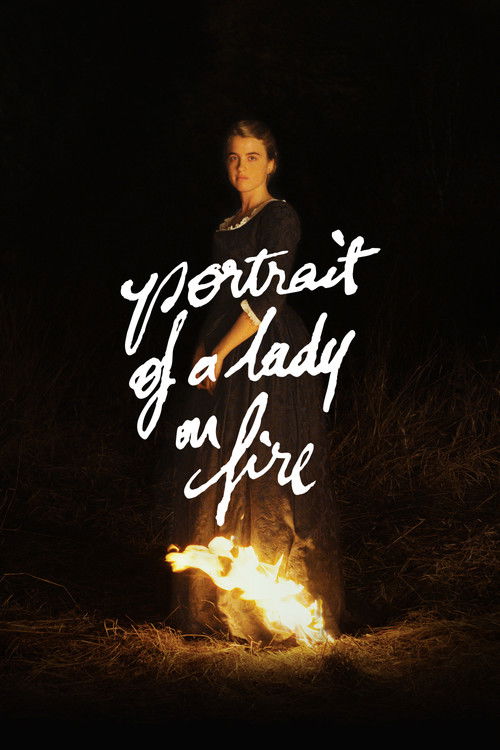
Portrait of a Lady on Fire2019
A visually ravishing love story between a painter and her subject in 18th-century France. It shares Benedetta's lyrical intensity and refusal to shy from female desire, but with a quieter, more haunting register.
But Dialogue is sparse and meditative; if you want plot momentum or explanation, you'll feel the slowness.
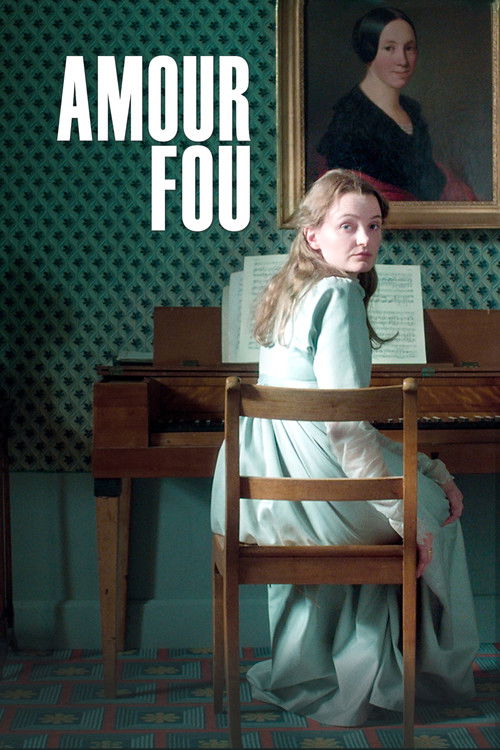
Amour Fou2014
Christa Hahn's devastating film about an obsessive affair that destroys both lovers. Like Benedetta, it traces how desire becomes twisted with power, manipulation, and spiritual desperation within closed spaces.
But German-language and bleak; there's no catharsis or escape, only deepening entrapment and pain.
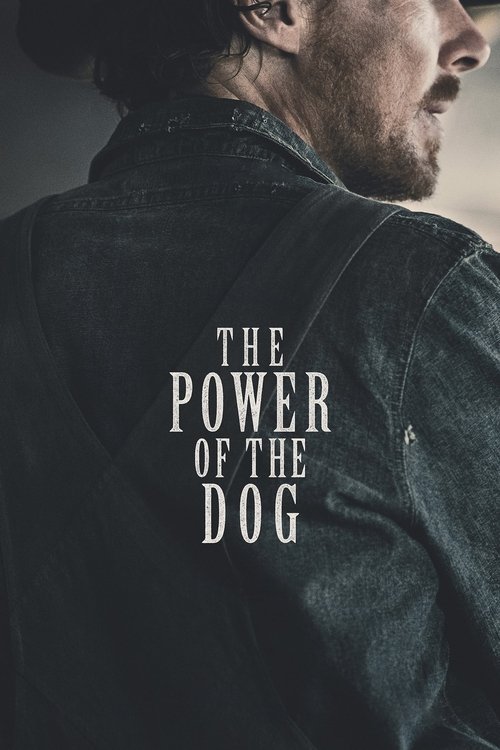
The Power of the Dog2021
Jane Campion's western explores power, desire, and religious hypocrisy with surgical precision. Both films examine how institutions—and the men who run them—weaponize faith to control bodies and transgression.
But Slow-burn revelation takes patience; the emotional payoff depends on noticing what *isn't* said.
Not sure tonight? Get a pick in a minute, starting from Benedetta
The wildcard
Something you would not have found on your own.
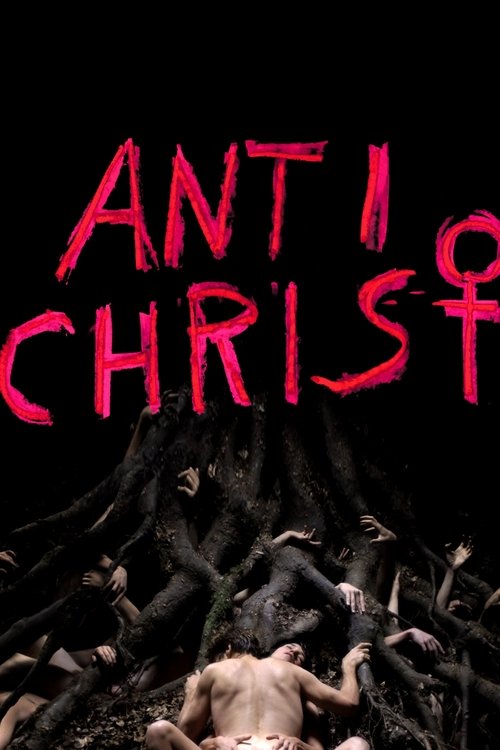
Antichrist2009
Both films use female sexuality and religious imagery to provoke and examine the viewer's complicity in judgment; both are as much about watching as about being.
Lars von Trier's traumatic horror-poem about grief and sexuality in isolated woods. Like Benedetta, it weaponizes the female body as a site of religious transgression and cosmic horror, swinging between tenderness and violation.
But Extremely graphic, intentionally repulsive in places, and structured around suffering rather than catharsis. Some viewers will feel genuinely hurt.
More like this (8)
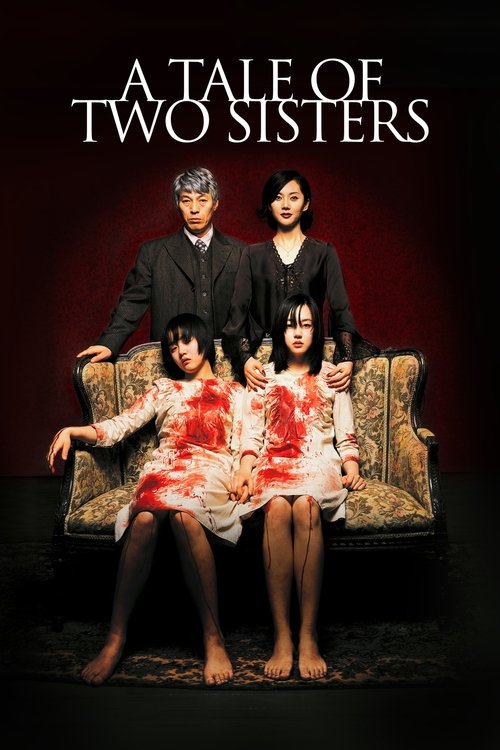
A Tale of Two Sisters2003
A Korean gothic about two orphaned sisters living under an abusive stepmother. Shares Benedetta's claustrophobic, dreamlike atmosphere and its collapse of boundaries between cruelty, fantasy, and faith-based justification.
But Deliberately ambiguous ending frustrates viewers seeking clarity; it keeps you unsettled rather than resolved.
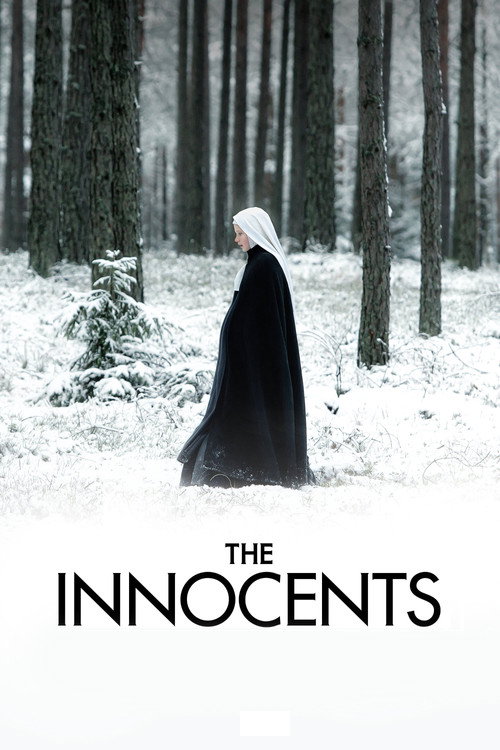
The Innocents2016
A French-Belgian drama about pregnant nuns hidden in a convent during WWII. It has the same acute attention to institutional secrecy, repression, and the cost of religious authority on vulnerable women.
But Quieter than Benedetta and more committed to restraint; some will find it underplayed where they want intensity.
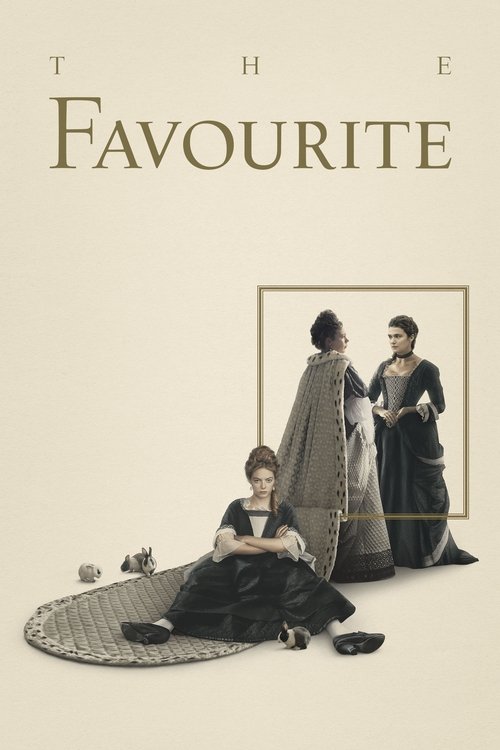
The Favourite2018
Yorgos Lanthimos's England-set dark comedy about power games between three women. Like Benedetta, it's baroque, erotic, and deeply cynical about authority figures hiding behind tradition and piety.
But Knowingly arch and theatrical; takes constant stylistic risks that won't work if you prefer naturalism.
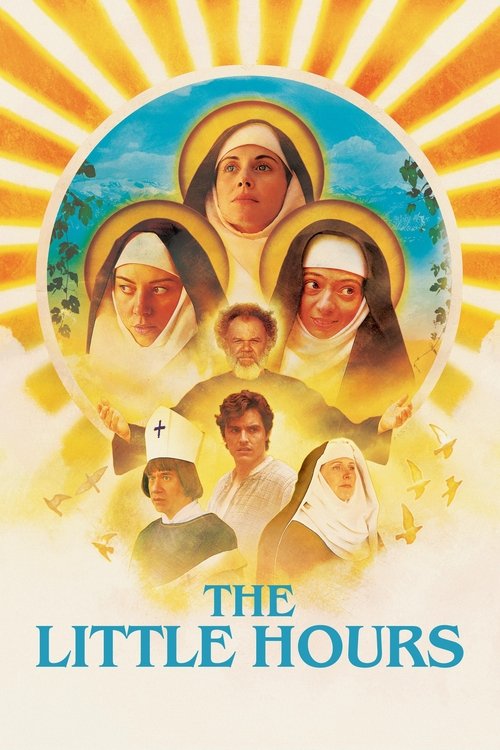
The Little Hours2017
A medieval convent comedy with a genuinely weird vibe—mischievous nuns, sexual chaos, moral collapse. Benedetta is serious where this plays for absurdist laughs, but both interrogate convent mythology from the inside.
But The humour is crude and uneven; it wants to be provocative but lacks Benedetta's artistic ambition.
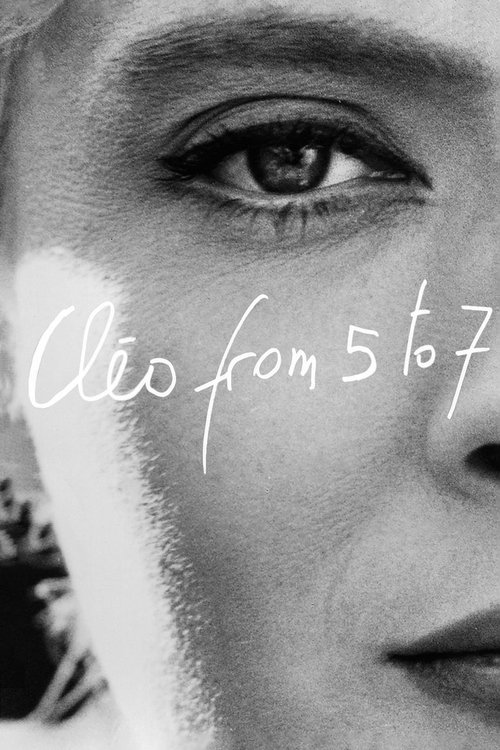
Cléo from 5 to 71962
Agnès Varda's precise portrait of a woman's power and vulnerability across 90 minutes of Paris. Like Benedetta, it's absorbed in female interiority and the gaze—how women are seen, how they see themselves.
But No drama in the conventional sense; it's pure mood and observation, which will feel slight if you want plot stakes.
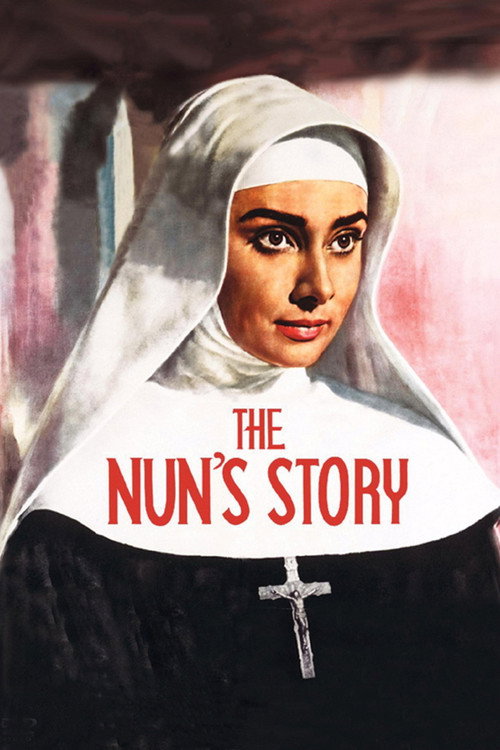
The Nun's Story1959
Audrey Hepburn as a nun wrestling with obedience, doubt, and desire. It's earnest where Benedetta is transgressive, but both films take seriously the spiritual crisis of women trapped between faith and self.
But Decades old and deeply in thrall to Catholic moral perspective; Benedetta's irreverence makes it feel quaint.
Mulholland Drive2001
Both films centre female characters whose power is ambiguous—saint or manipulator?—forcing us to hold contradiction without resolving it.
David Lynch's Hollywood noir collapses narrative, identity, and desire into dreamlogic. Like Benedetta, it refuses to distinguish clearly between vision, delusion, and cunning performance—what's 'real' becomes impossible to determine.
But Deliberately incoherent; viewers seeking a solvable mystery will leave frustrated, and the emotional fragmentation takes stamina.

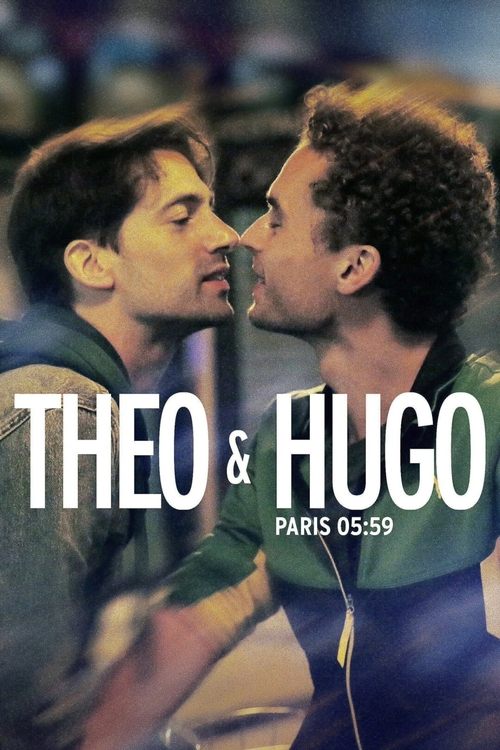
Paris 05:59 / Théo & Hugo2016
Both films strip away moralism and institutional judgment to ask: what does desire look like when no one is watching? And what does desire mean when it can't be named or legitimized?
A 90-minute two-hander between two men cruising Paris after a sexual encounter. Spare, explicit, and tenderly human—it has Benedetta's frankness about desire and its refusal to separate the sacred from the physical.
But French-language, graphic sexual content, and a narrow focus; it prioritizes intimacy over narrative, which reads as slow to viewers expecting momentum.
People
Cast
 Virginie EfiraSister Benedetta Carlini
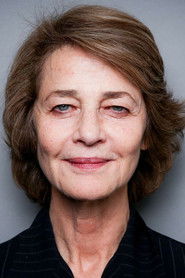 Charlotte RamplingSister Felicita
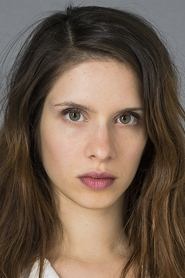 Daphné PatakiaBartolomea
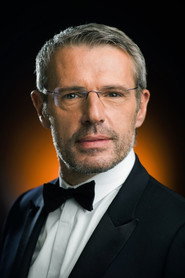 Lambert WilsonNuncio
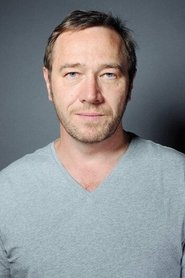 Olivier RabourdinAlfonso Cecchi
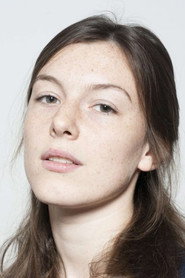 Louise ChevillotteSister Christina
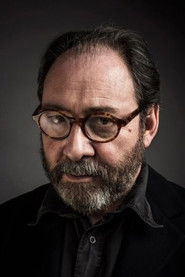 Hervé PierrePaolo Ricordati
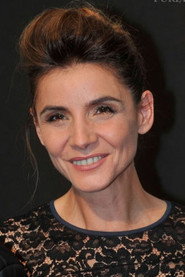 Clotilde CourauMidea Carlini
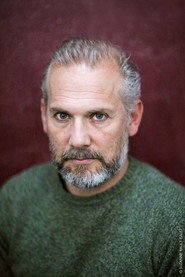 David ClavelGiuliano Carlini
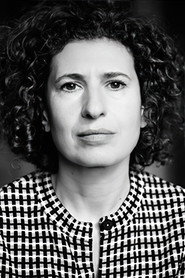 Guilaine LondezSister Jacopa
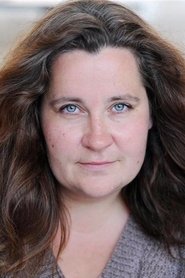 Gaëlle JeantetSister Petra
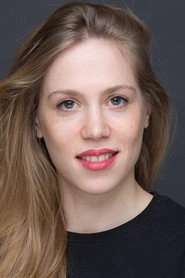 Justine BacheletSister Juliana
Directing
- Paul VerhoevenDirector
Writing
- Judith C. BrownBook
- David BirkeScreenplay
- Paul VerhoevenScreenplay
- Pascal BonitzerScript Consultant
Production
- Job ter BurgAssociate Producer
- Kateryna MerktAssociate Producer
- Kevin ChneiweissAssociate Producer
- Stéphane BatutCasting
- Arnold HeslenfeldCo-Producer
- Christophe ToulemondeCo-Producer
- Fabrice DelvilleCo-Producer
- Frans van GestelCo-Producer
- Laurette SchillingsCo-Producer
- Patrick VandenboschCo-Producer
- Teun HilteCo-Producer
- Conchita AiroldiExecutive Producer
- Jérôme SeydouxProducer
- Michel MerktProducer
- Saïd Ben SaïdProducer