
Film
Farewell, My Queen
Farewell, My Queen immerses you in the claustrophobic final days of Versailles, told through the eyes of Marie Antoinette's young reader as revolution tears the palace apart. Directed with sensory immediacy and formal precision, it's a chamber piece about loyalty, desire, and the intimate catastrophe of watching your world collapse. For those hungry for history filtered through emotion rather than spectacle.
Should you watch it?
Watch it if you love intimate period pieces that watch history from the servants' staircase, where a rumour through a door matters more than a battle, and you're happy to sit with a lot of quiet looking.
Skip it if you want the revolution on screen, since its noise stays offstage and the palace drama is mostly whispered gossip, which can feel thin across a full hundred minutes.
What it asks of you: Long corridor walks, lingering glances and a slow-breathing story that lets the outside world arrive only through doors and whispers.
Not sure? Find tonight's pick in a minute.
If you liked this
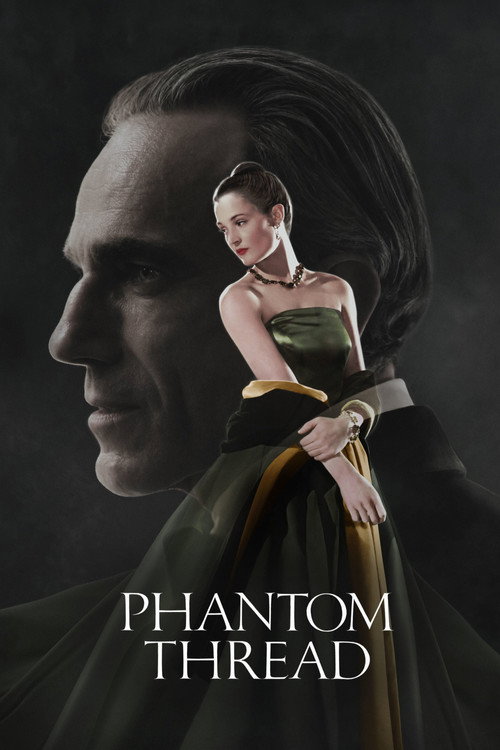
Phantom Thread2017
Paul Thomas Anderson's obsessive study of a fashion designer and his muse in 1950s London. Like Farewell, it's about desire and control within a beautiful, artificial world collapsing from internal friction.
But Some find the central relationship unsettling rather than romantic. Long takes and minimal plot demand active patience.
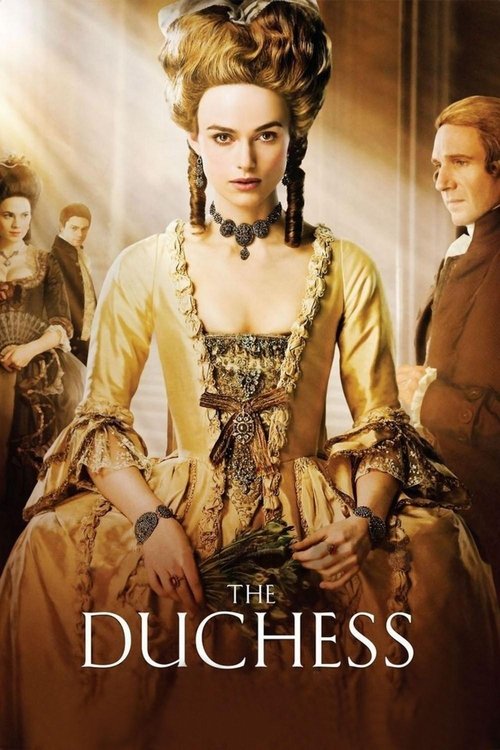
The Duchess2008
Saul Dibb's account of another aristocratic woman navigating duty, desire, and political consequence with intellectual and emotional precision. Keira Knightley's performance catches the same mixture of complicity and suffering.
But British costume drama formula, which can feel familiar if you've seen others in the genre. The ending is history, not suspense.
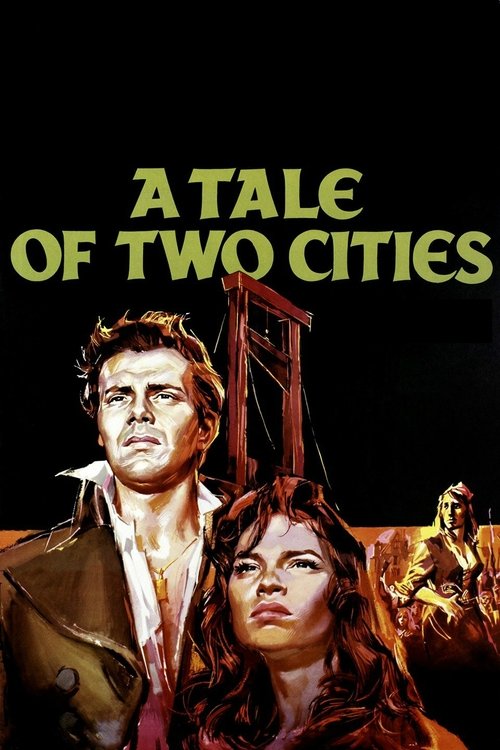
A Tale of Two Cities1958
This BBC miniseries captures the human scale of revolutionary Paris and the moral compromises of those caught between worlds. It shares Farewell's refusal to make the Revolution simply inevitable.
But The miniseries format means some melodrama creeps in. It's earnest in ways Farewell manages to avoid.
Not sure tonight? Get a pick in a minute, starting from Farewell, My Queen
The wildcard
Something you would not have found on your own.
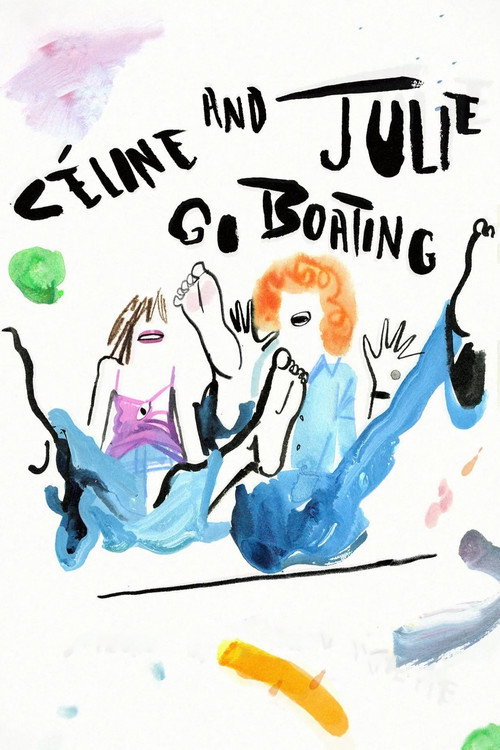
Céline and Julie Go Boating1974
Both use the mechanics of watching—one woman observing another's life—as the entire engine of the film. Both ask what it means to be a witness to spectacle you cannot save or escape.
Jacques Rivette's three-hour puzzle-box about two women who watch a mysterious domestic drama unfold, then become part of it. Dreamlike, playful, hypnotic—and structurally it's about the pleasure and vertigo of being caught in someone else's narrative.
But Experimental 1970s French cinema; it resists conventional plot. Three hours. Demands surrender, not entertainment.
More like this (6)
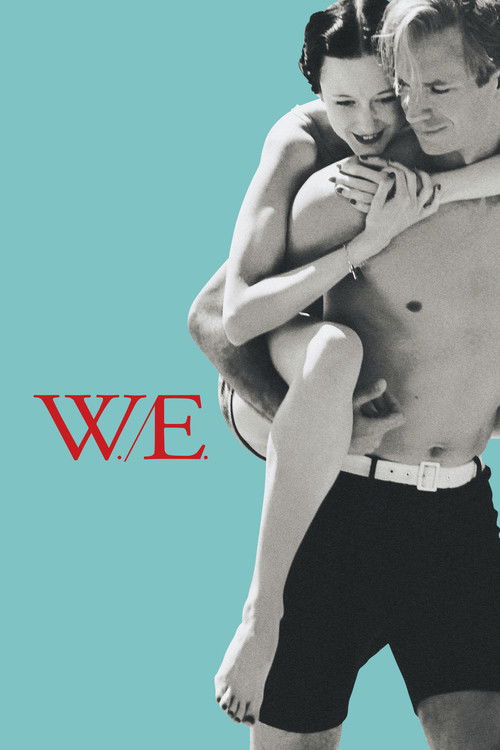
W.E.2011
Madonna's study of Edward VIII and Wallis Simpson, told in parallel with a contemporary woman obsessed with them. Both explore the mythology women construct around other women's impossible circumstances.
But Uneven and occasionally precious. Some sequences feel more interested in visual style than emotional truth.
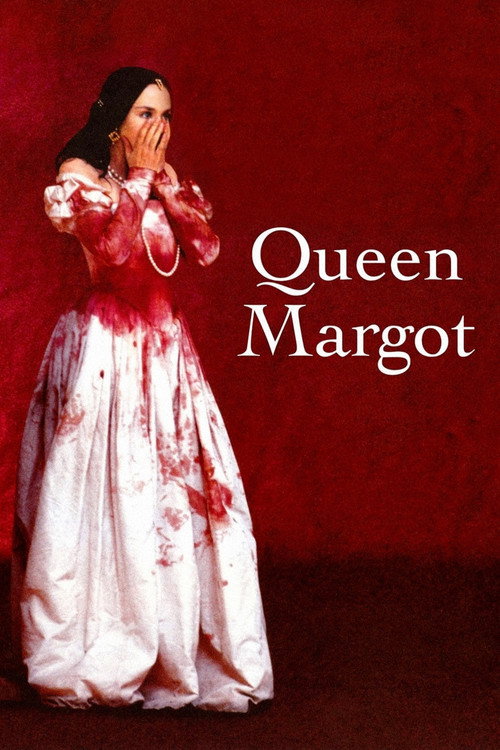
Queen Margot1994
Patrice Chéreau's baroque, blood-soaked French Revolution drama. If you want the political chaos that surrounds Farewell's intimate space, this is it—same era, inverted approach.
But Graphically violent. Grand and operatic where Farewell is restrained; some prefer one mode to the other.
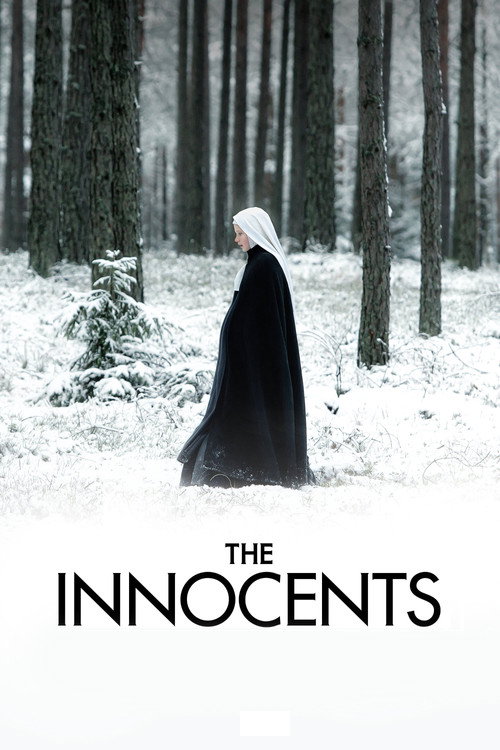
The Innocents2016
A woman's story told in a world of women, under threat, where desire and duty tangle inextricably. Lucile Hadžihalilović's control of atmosphere and the camera's closeness recalls Farewell's intensity.
But Set in a Polish convent immediately after WWII and deals with trauma and abuse. Very quiet, very dark.
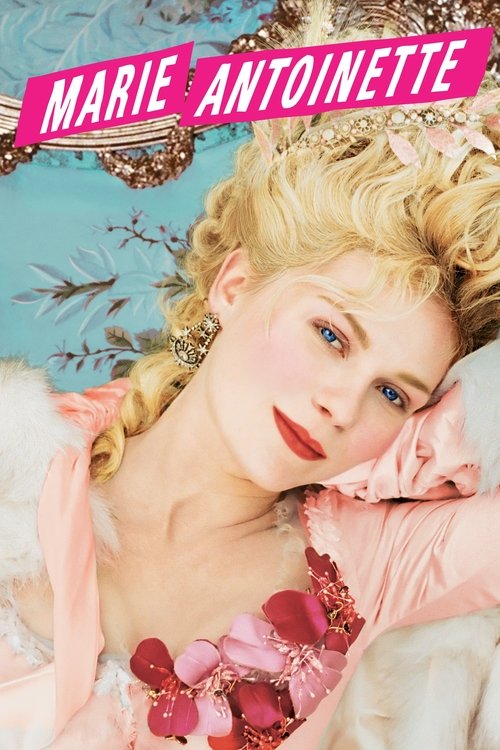
Marie Antoinette2006
Sofia Coppola's anarchic, visually sumptuous take on the same queen. Where Farewell is austere, this is candy-colored decadence. Both ask what it means to be trapped by spectacle.
But Ornament overwhelms substance for many viewers. The anachronistic soundtrack and pop sensibility alienate those wanting traditional period work.
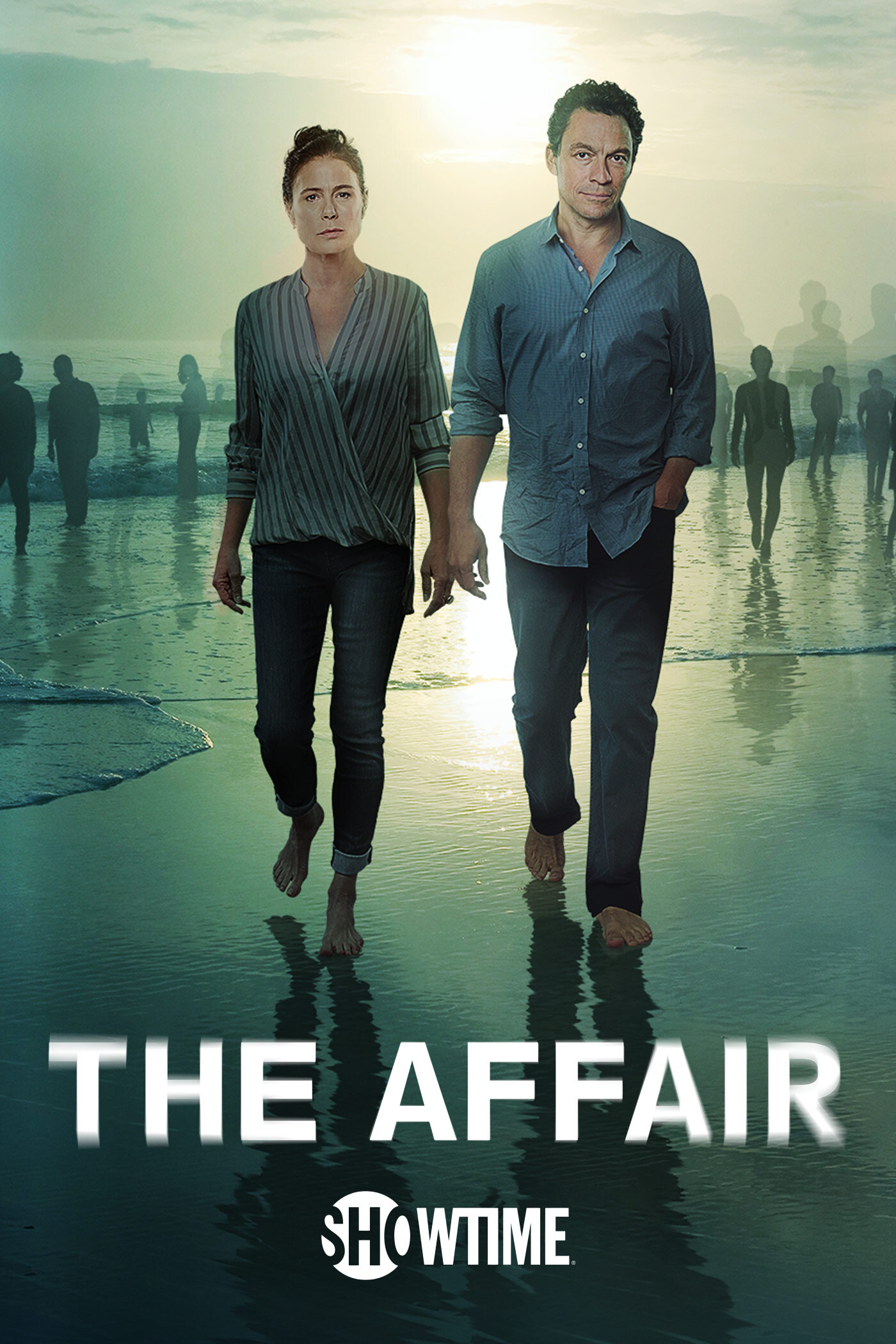
The Affair2014
A drama structured entirely around subjective perspective and unreliable narration, each episode retelling the same events from another character's memory. Like Farewell, it's interested in how desire distorts what we think we see.
But The repeated scenes become tedious for some. Contemporary setting and relationship drama feel distant from period immersion.
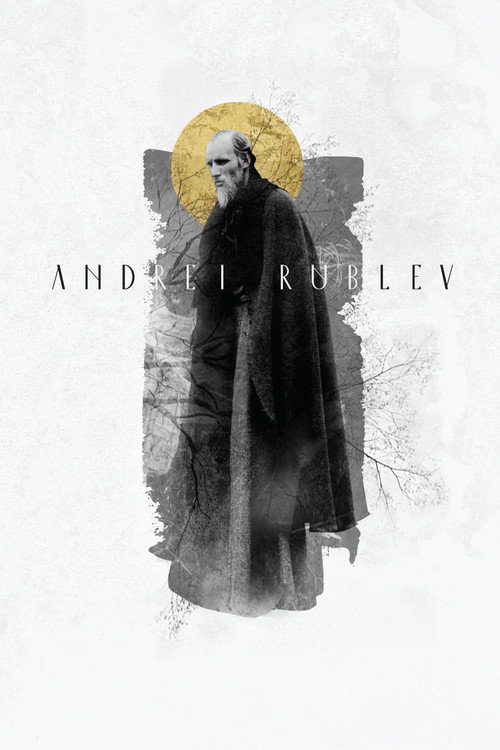
Andrei Rublev1966
Both are period films that care less about historical event than about the interior life of someone trying to make or preserve beauty while their world ends. Both suggest that attention—to art, to another person—is a form of resistance.
Tarkovsky's monumental meditation on art-making during political collapse, told in episodes. Formally and philosophically towering, it asks whether beauty and creation survive catastrophe—the deeper question running beneath Farewell's surface.
But 205 minutes, black-and-white, Soviet-era cinema that treats patience as a virtue. Spiritual and abstract in ways that will exhaust rather than move some viewers.
People
Cast
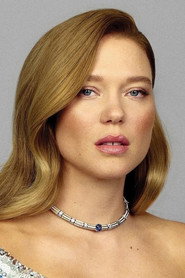 Léa SeydouxAgathe-Sidonie Laborde
 Diane KrugerMarie Antoinette
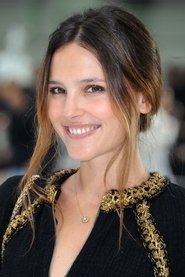 Virginie LedoyenLa duchesse Gabrielle de Polignac
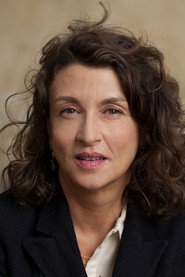 Noémie LvovskyHenriette Genest dite Madame Campan
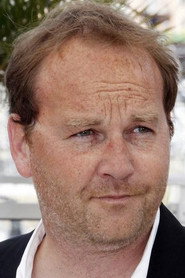 Xavier BeauvoisLe roi Louis XVI
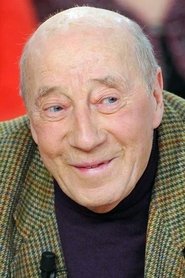 Michel RobinJacob-Nicolas Moreau
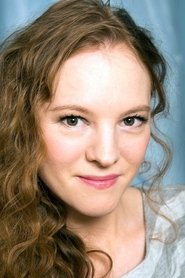 Julie-Marie ParmentierLa servante Honorine Aubert
 Lolita ChammahLa domestique Louison
- Marthe CaufmanLa domestique Alice
 Vladimir ConsignyRené dit Paolo
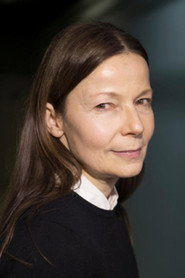 Dominique ReymondMadame de Rochereuil
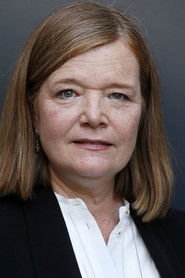 Anne BenoîtRose Bertin
Directing
- Benoît JacquotDirector
Writing
- Chantal ThomasNovel
- Benoît JacquotWriter
- Gilles TaurandWriter
Production
- Antoinette BoulatCasting
- Christophe ValetteExecutive Producer
- Jean-Pierre GuérinProducer
- Kristina LarsenProducer
- Pedro UriolProducer