
Film
Queen Margot
A lavish French historical drama set during the St. Bartholomew's Day Massacre, where a political marriage between a Catholic princess and a Protestant king becomes the pivot point of religious war, betrayal, and forbidden love. Isabelle Adjani commands the frame with intelligence and magnetism as a woman caught between survival and desire. It's a film that loves pageantry, intrigue, and the texture of period detail—accessible and utterly gripping.
Should you watch it?
Watch it if you love lavish period drama where court intrigue, sensual candlelit excess and sudden brutality sit side by side, and you don't mind a film that treats history as a feverish spectacle rather than a lesson.
Skip it if you want a tidy, linear historical narrative; this one is sprawling, crowded with factions and names, and its pacing is operatic, so the plot can feel hard to follow at times.
What it asks of you: It runs close to two and a half hours and asks you to hold a lot of characters and shifting loyalties at once, with long stretches of ornate, slow-burning scenes before the mood breaks hard.
Not sure? Find tonight's pick in a minute.
If you liked this
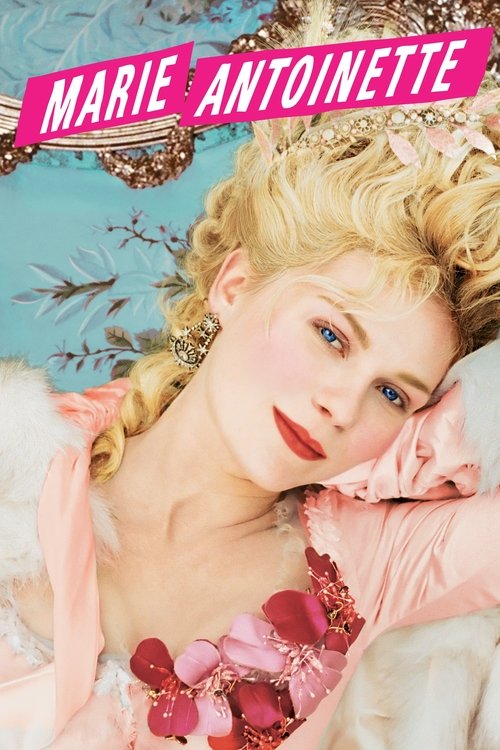
Marie Antoinette2006
Sofia Coppola's kinetic take on a doomed queen uses rock music, sumptuous fashion, and Kirsten Dunst's vulnerable performance to make court politics feel like a tragedy playing out in real time. The focus on female agency in impossible circumstances mirrors Margot's own predicament.
But The anachronistic soundtrack and style choices may feel too modern; some find the portrait dismissive of Marie Antoinette's complexity rather than sympathetic to it.
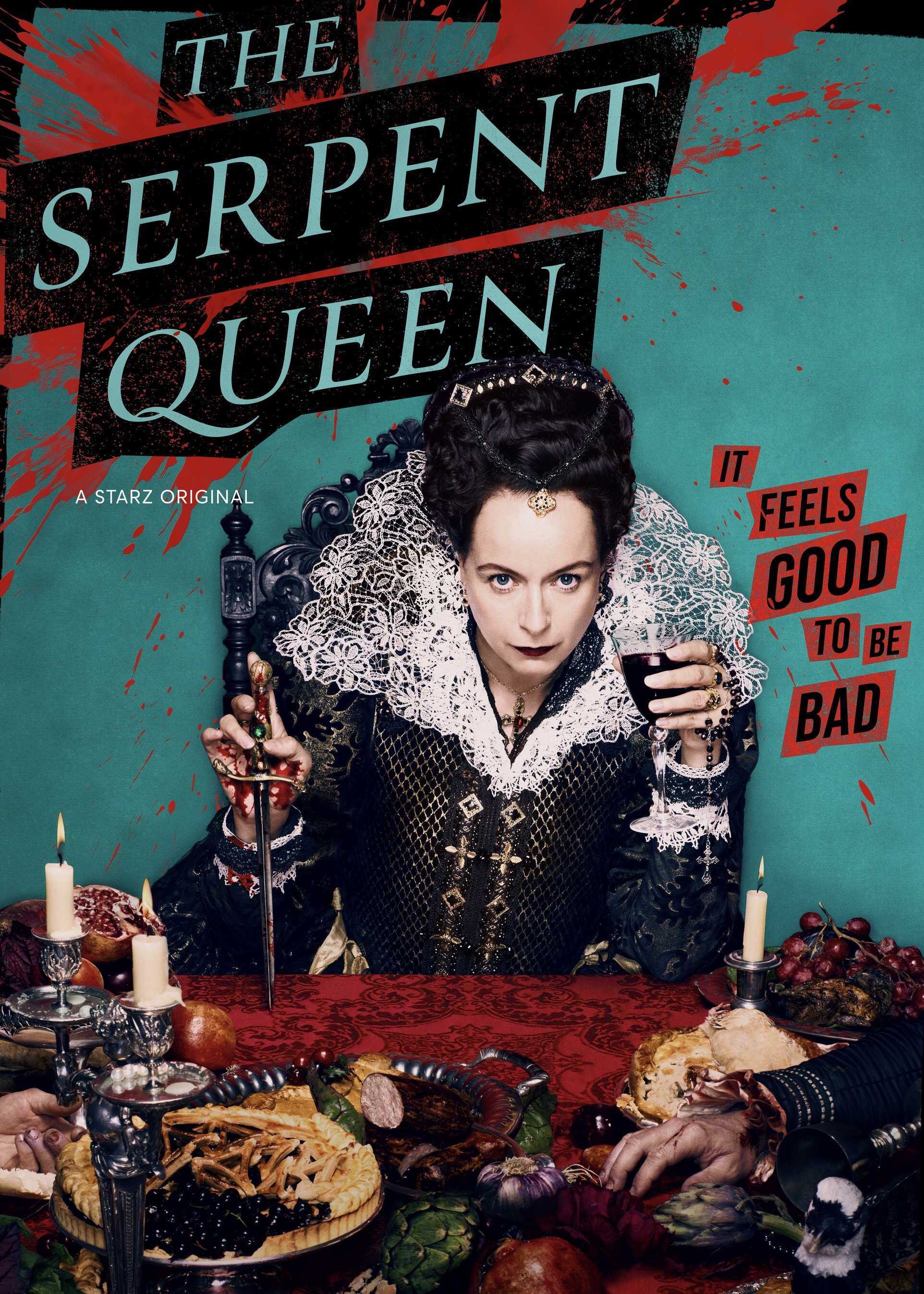
The Serpent Queen2022
Samantha Morton electrifies as Catherine de Medici, the same ruthless power broker who appears in Queen Margot. This series traces her rise through poison, cunning, and survival across decades of European court intrigue with vivid, darkly funny storytelling.
But Eight episodes means commitment; the show is very frank about sex and violence in ways that can feel relentless rather than revelatory.
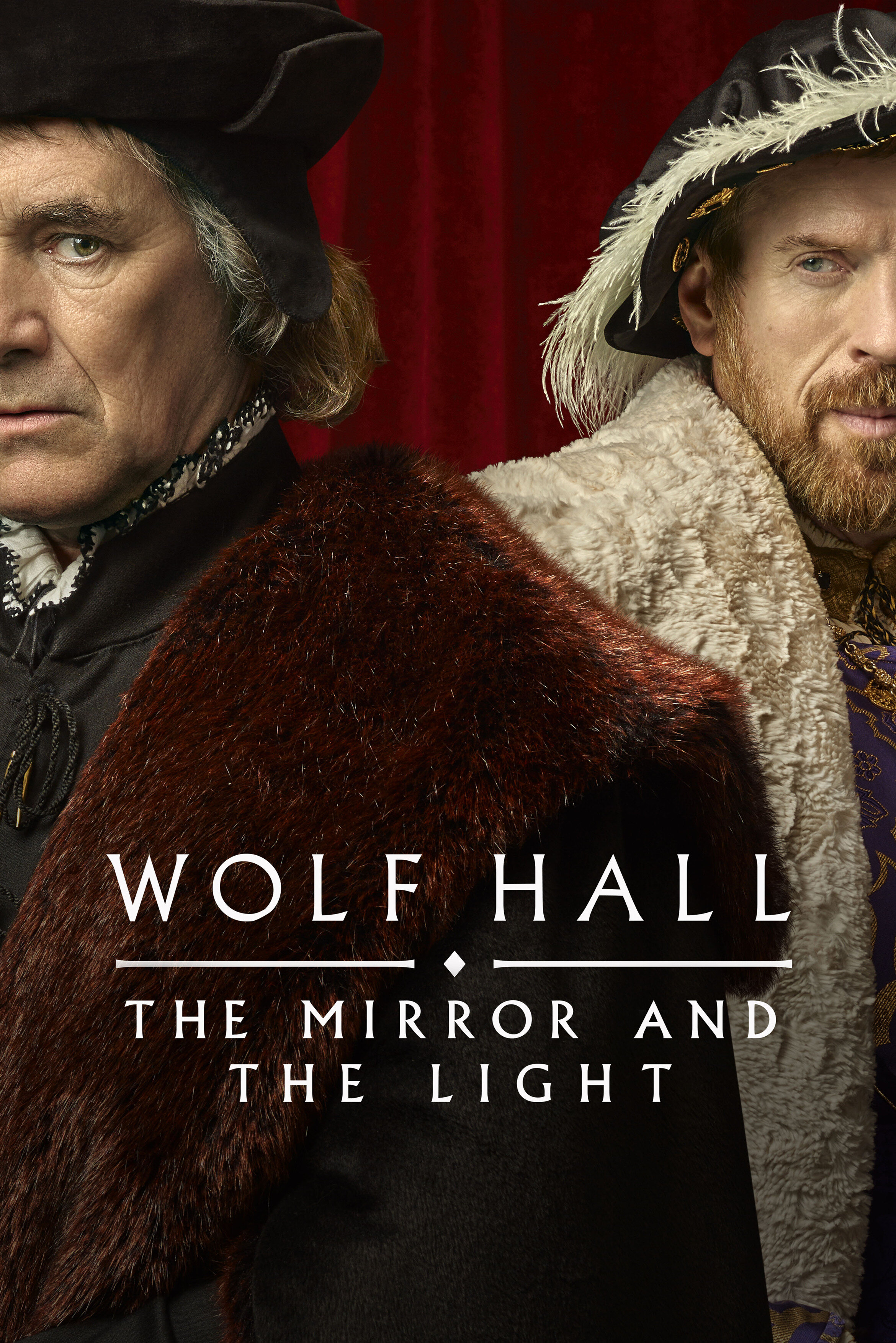
Wolf Hall2015
A masterclass in adapting sweeping historical fiction into intimate television. Mark Rylance as Thomas Cromwell navigates Henry VIII's court with the same careful intelligence Margot must employ—watching a brilliant person pick their way through impossible politics is endlessly compelling.
But It's deliberately paced and cerebral; there's no sword-clashing heroism, only scheming and the weight of consequence. Some find it slow.
Not sure tonight? Get a pick in a minute, starting from Queen Margot
The wildcard
Something you would not have found on your own.
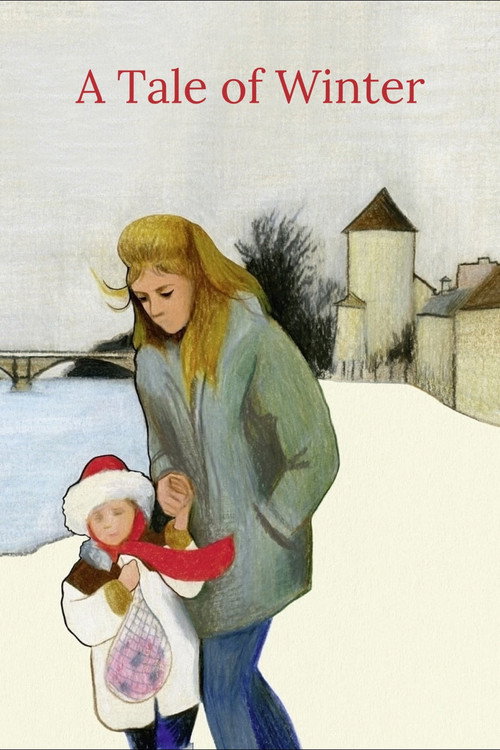
A Tale of Winter1992
Both insist that a woman's interior life—her thinking, her desire, her strategic calculation—is as dramatically charged as any battlefield.
Éric Rohmer's film about a woman caught between two men and two possible futures. No costumes, no blood, no epic scope—yet it mirrors Margot's impossible choice with the same moral seriousness, using dialogue and character to generate tension that rivals sword-play.
But Talking-based French cinema about romantic indecision will bore anyone seeking action; the resolution is deliberately modest and ambiguous.
More like this (7)
Dangerous Liaisons1988
Glenn Close and John Malkovich as aristocratic schemers using seduction as weaponry in pre-Revolutionary France. The moral precision, the crackling dialogue, and the way it treats sex as currency and strategy will resonate with anyone who loved Margot's ruthless calculation.
But Heavily theatrical; the film is mannered and controlled to the point where some viewers find it airless or cold despite the erotic content.

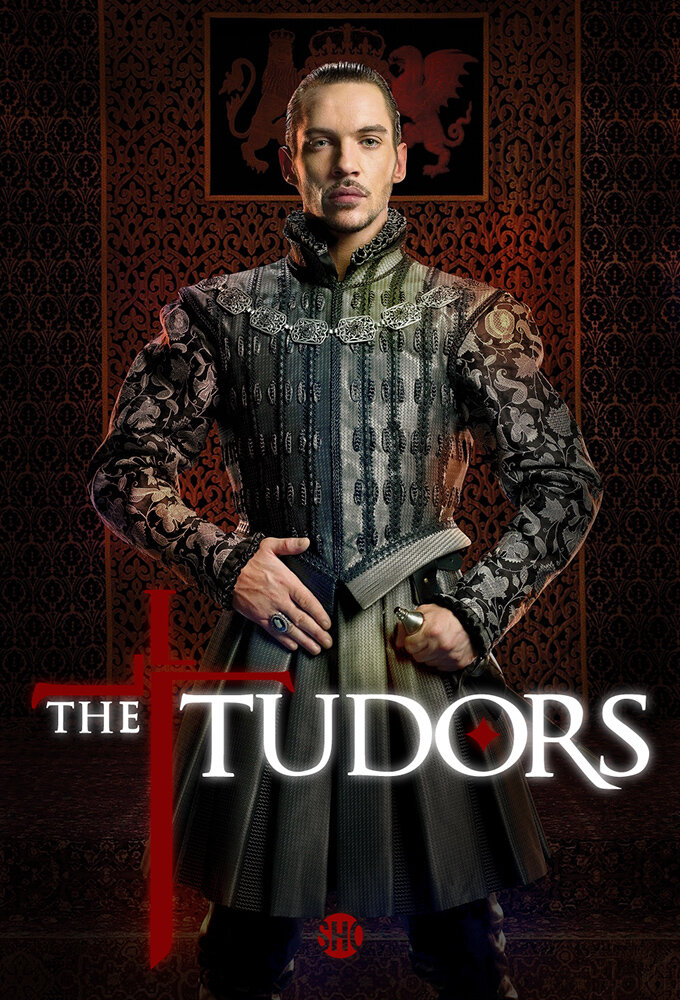
The Tudors2007
Jonathan Rhys Meyers as Henry VIII anchors a soap-operatic but genuinely entertaining saga of royal power, religious division, and the women caught in between. It shares Queen Margot's blend of melodrama, explicit content, and genuine political stakes.
But Four seasons of increasingly uneven quality; the second half devolves into repetitive plotting and relies more on spectacle than substance.
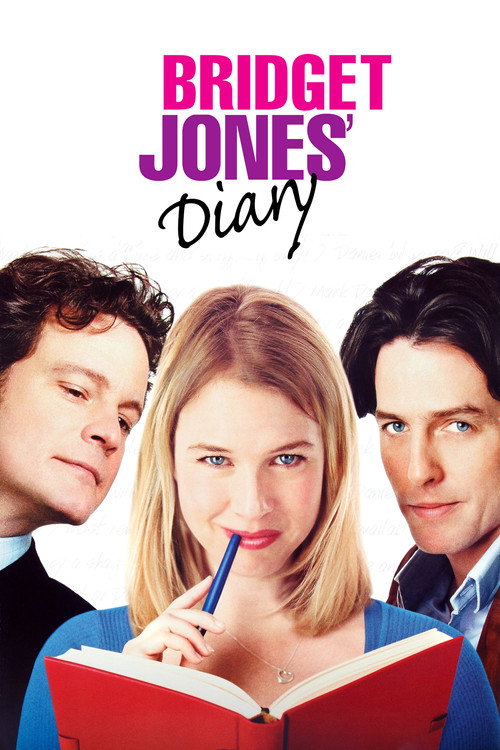
Bridget Jones's Diary2001
A surprising match: both use period detail (here, the period is now) and romantic comedy mechanics to explore a woman trying to survive in a world not built for her autonomy. Renée Zellweger's charm offers a completely different tone but the same underlying story.
But It's fluff where Queen Margot is tragedy; the tonal whiplash may alienate those seeking more historical seriousness.
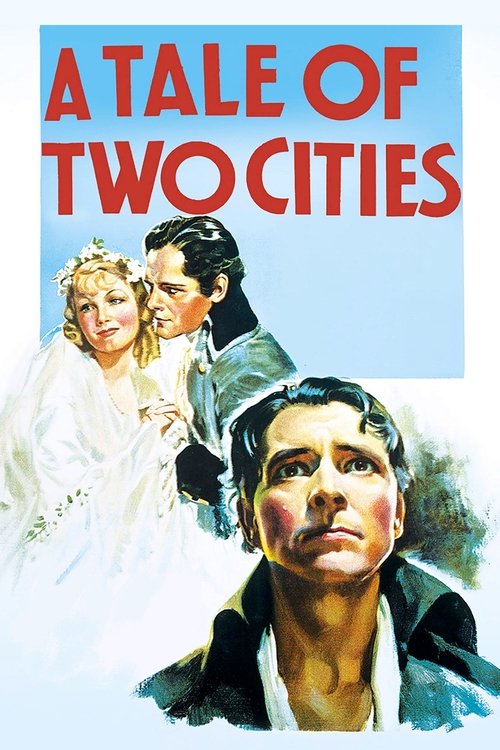
A Tale of Two Cities1935
Ronald Colman in a sweeping romantic drama set against the French Revolution. Like Margot, it interweaves personal passion with historical catastrophe, asking what sacrifice means when the world is burning around you.
But The 1930s production values and pacing feel remote; modern audiences may find the melodrama dated rather than moving.
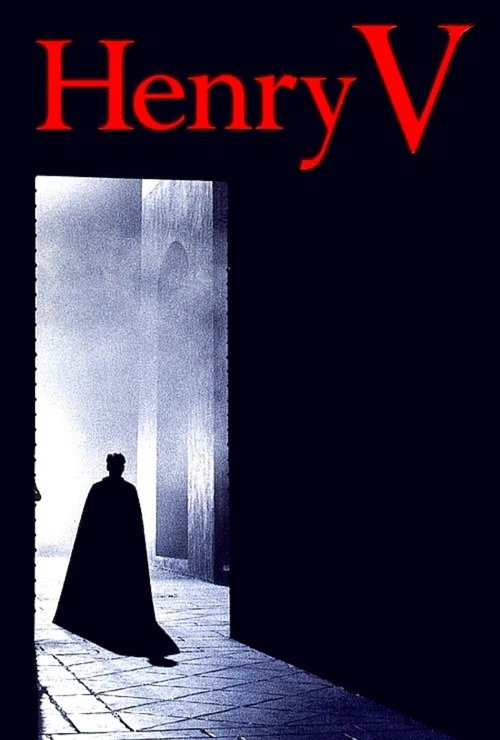
Henry V1989
Kenneth Branagh's ambitious adaptation treats medieval warfare and courtship with equal seriousness. The marriage that opens the film echoes Margot's own political union, and the film's visual scope matches Queen Margot's grandeur without sacrificing human scale.
But Shakespeare's language may feel ornate; battle sequences are extended and can feel tedious if you're watching for plot over spectacle.
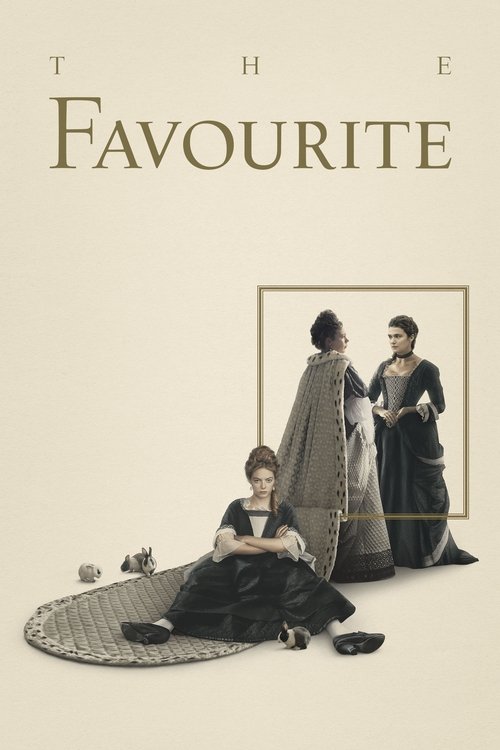
The Favourite2018
Yorgos Lanthimos directs Olivia Colman, Emma Stone, and Rachel Weisz in a period drama where women manipulate, seduce, and betray each other for power within an ornate palace. The queerness and female-centered scheming offer fresh perspective on the same courtly games Margot plays.
But The tone is deliberately arch and distancing; some viewers find the style more interesting than the story, and the ending may feel hollow.
Bergman Island2021
Both films treat romantic betrayal not as melodrama but as a philosophical problem: what do we owe to those we love when survival and self-preservation are at stake?
Mia Hansen-Løve's film about a couple retreating to Bergman's island to write, shot entirely in black and white. It uses a similar nested narrative structure to Queen Margot—a story within a story—to explore fidelity, betrayal, and whether love can survive in the presence of ambition.
But Extremely slow, very literary, almost no plot; this will feel pretentious and exhausting if you want narrative momentum.

People
Cast
 Isabelle AdjaniMargot
 Daniel AuteuilHenri de Navarre
 Jean-Hugues AngladeCharles IX
 Vincent PerezLa Môle
 Virna LisiCatherine de Médicis
 Dominique BlancHenriette de Nevers
 Pascal GreggoryAnjou
 Claudio AmendolaCoconnas
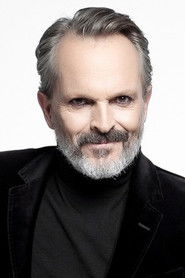 Miguel BoséGuise
 Asia ArgentoCharlotte de Sauve
 Julien RassamAlençon
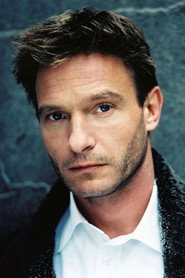 Thomas KretschmannNançay
Directing
- Patrice ChéreauDirector
- Jérôme EnricoFirst Assistant Director
- João Pedro RuivoFirst Assistant Director
- Suzanne DurrenbergerScript Supervisor
- Dominique FurgéSecond Assistant Director
- Emmanuel HamonSecond Assistant Director
- Jorge QueirogaSecond Assistant Director
- Raul CorreiaSecond Assistant Director
- Jérôme EnricoSecond Unit Director
Writing
- Danièle ThompsonAdaptation
- Patrice ChéreauAdaptation
- Danièle ThompsonDialogue
- Alexandre DumasNovel
- Danièle ThompsonScreenplay
- Patrice ChéreauScreenplay
Production
- An Dorthe BrakerCasting
- Catherine DeserbaisCasting
- Margot CapelierCasting
- Mirta GuarnaschelliCasting
- Pascale BéraudCasting
- Patrícia VasconcelosCasting
- Pierrick FaourCasting
- Teresa GerreiroCasting
- Pierre GrunsteinExecutive Producer
- Claude BerriProducer
- Jean-Claude BourlatProduction Director
- Danielle DumanoirProduction Secretary
- Hervé GrandsartResearcher
Recommended by
Elizabeth: The Golden Age, The Spanish Princess, Farewell, My Queen