
Film
A Tale of Winter
Éric Rohmer's achingly tender study of a woman caught between memory and possibility. A chance holiday romance five years prior has left Félicie with a daughter and a ghost—the man she still can't stop imagining. Now, between two very real suitors, she drifts, waiting for a phone call that may never come. It's a film about longing, about how we mistake the idea of someone for the person themselves, and about whether happiness requires letting go of what might have been.
Should you watch it?
Watch it if you enjoy talky, observant romances where indecision is the whole drama and the wintry Paris streets do much of the emotional work.
Skip it if you want plot momentum or a story that moves briskly; this one is slow, conversational and sits in long dialogue scenes, so the stillness can feel like waiting.
What it asks of you: Around two hours of unhurried talk, cold streets and long silences, with a mood that builds through conversation rather than events.
Not sure? Find tonight's pick in a minute.
If you liked this
The Gilded Age2022
A richly dressed drama about social aspiration, romantic entanglement, and people unable to quite reach what they want. Like Rohmer, it finds genuine emotion in the spaces between desire and circumstance, with sharp observation of how class and character collide.
But It's a period piece that can feel slow if you're not invested in the social minutiae. Some find the pacing glacial and the conflicts overly subtle.
Late Spring1949
Ozu's masterpiece about a father and daughter, memory, and the impossible choices of love. Like Rohmer, he sees romance not as drama but as a quiet negotiation with oneself, and finds profound sadness in small moments.
But It's in Japanese, black-and-white, and moves at its own meditative pace. There's almost no plot in the conventional sense. Some find it distant or austere.
Amour2012
Haneke's chamber piece about a couple in their eighties confronting time, memory, and the people we've become. It shares Rohmer's refusal to sentimentalize—every emotion is earned, nothing is explained away, and intimacy is complicated.
But It's a film about aging and decline. Beautiful, but deliberately uncomfortable. Not cathartic; it ends where it begins, and that's the point.
Not sure tonight? Get a pick in a minute, starting from A Tale of Winter
The wildcard
Something you would not have found on your own.
Stalker1979
Both films treat romantic longing not as a plot device but as a spiritual condition. The external search—for Charles, for the room—is less important than what the waiting reveals about the seeker.
Tarkovsky's sci-fi meditation on desire, faith, and the impossibility of knowing what we actually want. Three men journey through a mysterious zone toward a room that grants wishes—but the real journey is internal, exactly like Félicie's five-year vigil. Gorgeous, hypnotic, devastatingly human.
But It's 163 minutes of philosophical science fiction, mostly filmed at walking pace through Soviet landscapes. If you need plot momentum or conventional sci-fi, it will feel agonizing.

More like this (8)
My Night at Maud's1969
Another Rohmer treasure: a man, a woman, a conversation, and the gap between what we think we want and what we're actually capable of. Intellectually playful but emotionally precise, with the same fascination in romantic indecision.
But It's mostly talk. Two people in a room discussing theology, chance, and desire. If you need incident, you'll be frustrated.
Hiroshima Mon Amour1959
Resnais and Duras on memory, loss, and how we carry other people inside us long after they've gone. A romance that circles back on itself, examining how the past colonizes the present—exactly Félicie's predicament.
But It's structurally experimental and deliberately fragmented. The editing, the narration, the repetitions can feel alienating if you want a traditional narrative.

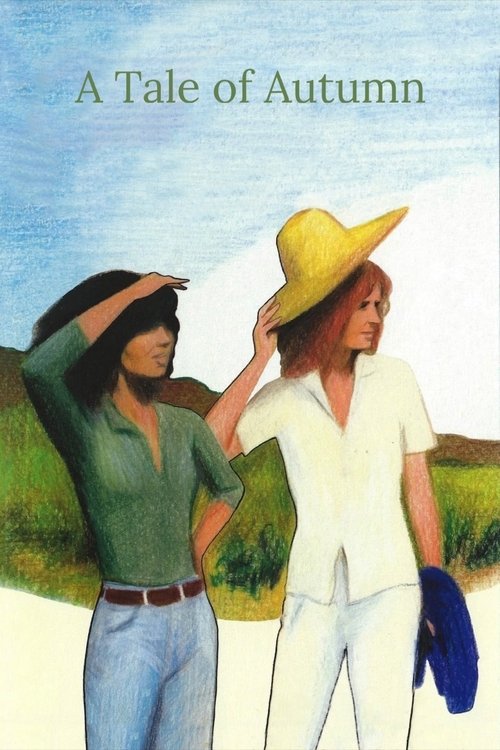
An Autumn Tale1998
Late Rohmer: a widow and a widower, a matchmaking scheme, and the revelation that second chances don't erase first loves. It has his warmth, his humor, and his conviction that life is messier than desire.
But It's very French, very middle-class, very concerned with conversations about feelings rather than dramatic action. The specificity can feel parochial to some.
One Last Thing
A seven-part series about a widow learning to live after loss, with time and memory as central characters. It moves slowly, finds comedy in grief, and understands that healing isn't about moving on—it's about integrating what was.
But The pacing is deliberate to the point of testing. Some will find it precious or overly mannered. It's very British in its emotional reserve.
Sunrise: A Song of Two Humans1927
Murnau's silent rhapsody about a man tempted away from his wife by another woman, then fighting to get back to her. It's about how easily we abandon the real for the fantasy, and how redemption requires choosing again, consciously.
But It's from 1927 and filmed silently. If you need dialogue and contemporary reference points, the unfamiliarity might put you off.

The Servant1963
Losey's incisive exploration of power, desire, and mistaken identity in a master-servant relationship. Like Rohmer, it's fascinated by how we project onto others and mistake our own fantasies for intimacy.
But It's a psychological thriller that can feel claustrophobic and nasty. The pleasure it takes in human manipulation isn't for everyone.

A Prophet2009
Both honor the texture of daily life and recognize that real change happens in the margins, not the melodrama. Commitment, compromise, and the person you become when nobody's watching.
A prison drama that tracks a young man's transformation over years. Like Rohmer, it trusts time itself to do the narrative work—we watch someone become a different person through small, accumulated decisions. Thrilling and moral without being sentimental.
But It's set in a French prison, often brutal, with violence and degradation. The tone is bleak. Rohmer's film is tender; this one is unsparing.

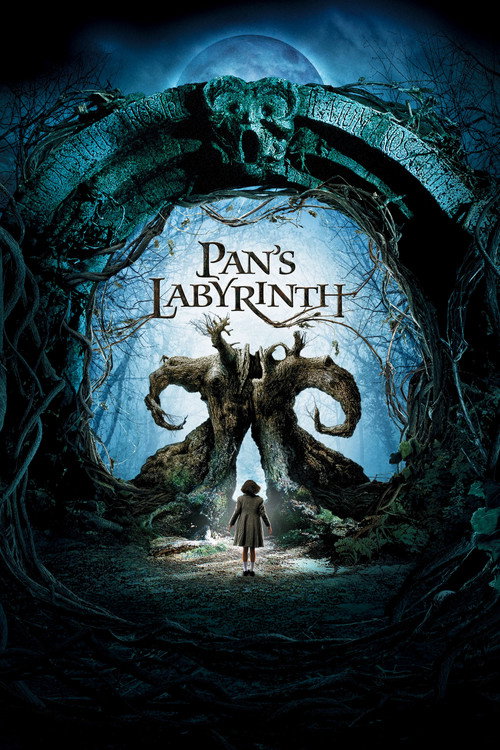
Pan's Labyrinth2006
Both explore the gap between the life we're living and the one we're imagining. Rohmer investigates it tenderly; del Toro knows it can be dangerous. Same question: how long can you live in the world you've created?
Guillermo del Toro's dark fairy tale about a girl retreating into fantasy during the Spanish Civil War. On the surface it's Gothic horror; underneath, it's about how we protect ourselves from unbearable reality by choosing a more beautiful lie—exactly what Félicie does with her memory of Charles.
But It's violent, disturbing, and visually grotesque. The fantasy elements jar against real historical atrocity. It's not comforting, and some find the juxtaposition cruel.
People
Cast
 Charlotte VéryFélicie
 Frédéric van den DriesscheCharles
 Michel VolettiMaxence
 Hervé FuricLoïc
 Ava LoraschiElise
 Christiane DesboisMother
 RosetteSister
 Jean-Luc RevolBrother-in-Law
- Haydée CaillotEdwige
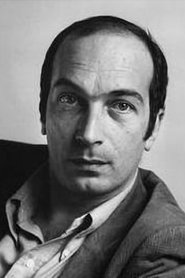 Jean-Claude BietteQuentin
 Marie RivièreDora
- Claudine ParingauxClient
Directing
- Éric RohmerDirector
Writing
- Éric RohmerScreenplay
Production
- Jean-Luc RevolAssistant Production Manager
- Margaret MénégozProducer
- Françoise EtchegarayProduction Director