
Film
My Night at Maud's
- Social drama
- Romance
- Slow-burning
A French New Wave masterpiece about a devout Catholic torn between faith and desire. Jean-Louis meets two women and must reconcile his austere moral code with genuine human longing. It's a film of conversation and consciousness—witty, tender, morally complex—that treats intellectual conviction and physical attraction with equal seriousness. For anyone who believes cinema can be about ideas.
Should you watch it?
Watch it if you enjoy talky films where the argument is the action, and where a man's moral scruples are examined with a wit that never mocks them.
Skip it if you want plot to move forward; long stretches of two people sitting in a flat debating faith and desire can feel like a very articulate waiting room.
What it asks of you: Long, mostly seated conversations that circle and double back, a 110-minute run that rewards patience over momentum, and a black-and-white frame that lets the talk carry everything.
Not sure? Find tonight's pick in a minute.
If you liked this
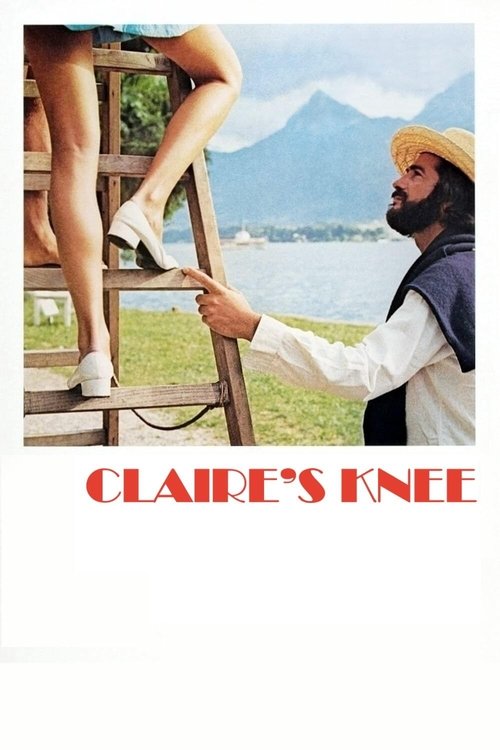
Claire's Knee1970
Rohmer's companion piece explores desire and restraint through a man tempted by his friend's stepdaughter. Same director, same luminous intelligence about how we rationalize want. Essential if you're discovering this sensibility.
But Glacially paced. The entire drama happens in conversation and glances. If you need plot momentum, this will feel like watching someone decide what to wear.
Contempt1963
Godard's film about a marriage fracturing over a weekend, mixing marriage drama with philosophy of art and cinema itself. Shares Maud's appetite for digression and moral complexity alongside romantic turbulence.
But More formally experimental and less warm. Godard refuses to let you settle; Rohmer invites you in. And it's deliberately anti-narrative in a way that can feel austere.

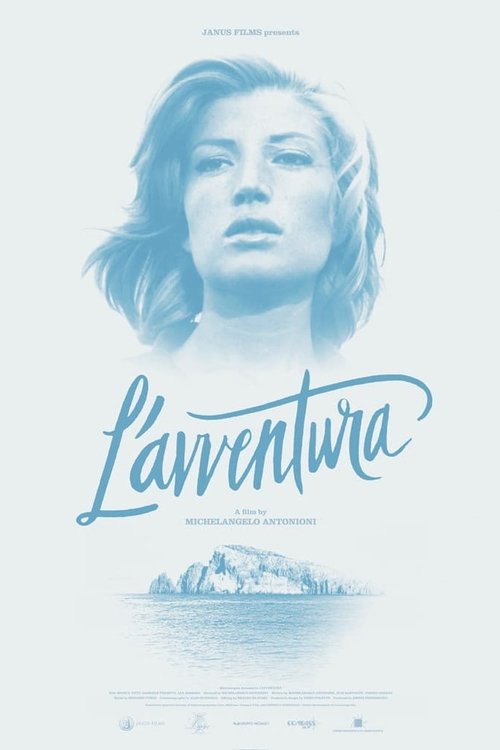
L'Avventura1960
Antonioni's slow meditation on desire, memory, and the gap between what we want and what we find. Like Maud, it privileges mood and moral uncertainty over plot. Gorgeous and quietly devastating.
But Notoriously slow. A woman vanishes forty minutes in and the film doesn't care much. If you want resolution, this isn't your film.
Not sure tonight? Get a pick in a minute, starting from My Night at Maud's
The wildcard
Something you would not have found on your own.
The Third Man1949
Both prize dialogue and moral reasoning over plot. Both ask whether we can live by our principles when desire and friendship challenge them.
Carol Reed's postwar Vienna is a city of conversation, moral compromise, and men choosing between ideology and affection. Harry and Lime discuss betrayal on a ferris wheel; Jean-Louis and Maud debate Pascal by lamplight. Both films find drama in how we justify what we want.
But A thriller, not a romance—it moves with purpose, and its cinematography belongs to noir, not New Wave. If you come for Rohmer's intimacy, the espionage plot will feel like intrusion.

More like this (8)
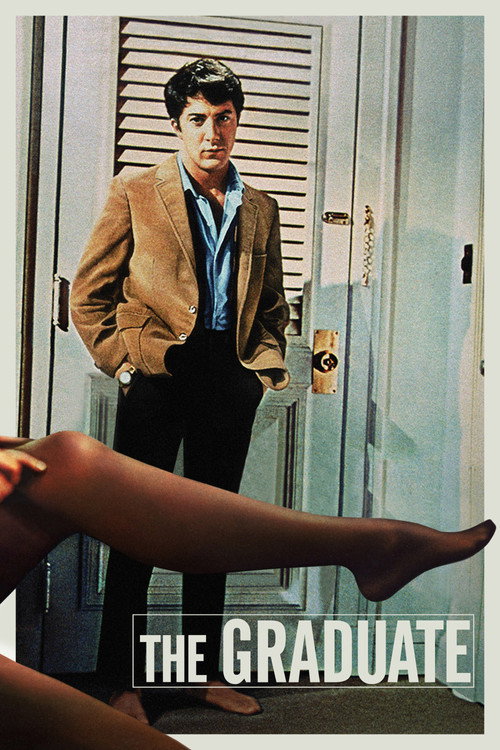
The Graduate1967
American equivalent: young man caught between an older woman and an ideal. It's cynical where Maud is philosophical, but both explore how desire corrupts innocence and how we lie to ourselves about our intentions.
But Broader, more comic, less interested in genuine moral argument. You're looking at a caricature of sexual confusion next to Rohmer's genuine portrait.
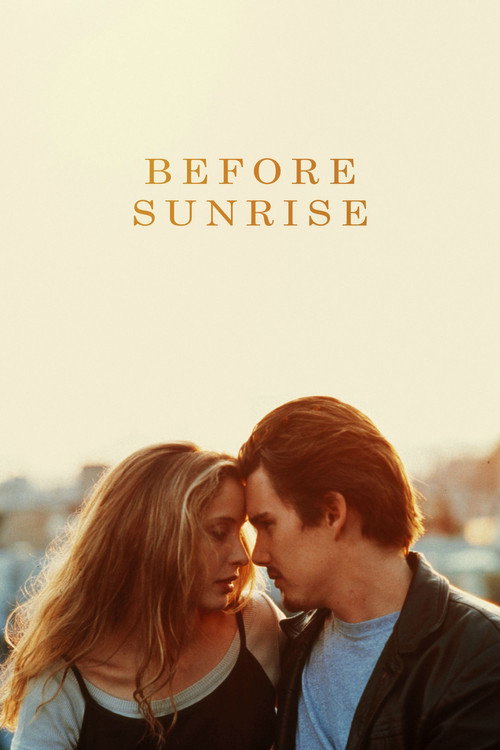
Before Sunrise1995
Linklater's conversation-between-strangers romance echoes Rohmer's faith in dialogue as drama. Two people walk through a city talking—about philosophy, desire, connection—until dawn separates them. Pure Rohmer DNA.
But Set in the 1990s and considerably more sentimental. Rohmer's skepticism has been replaced with romantic yearning, which some find maudlin.
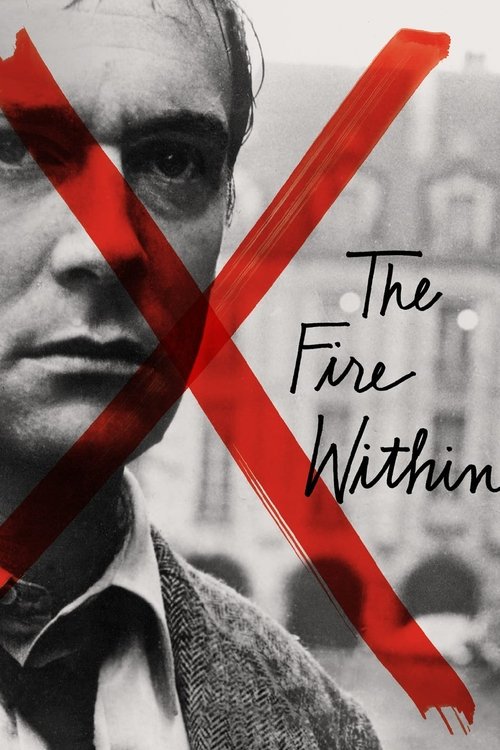
The Fire Within1963
Louis Malle's film about a man visiting old friends over a week, wrestling with depression and disconnection. Same era, same focus on internal moral life, same refusal to explain feelings away.
But Darker and more claustrophobic. This is a suicide film dressed as a social portrait. Much heavier than Maud, and it shows.
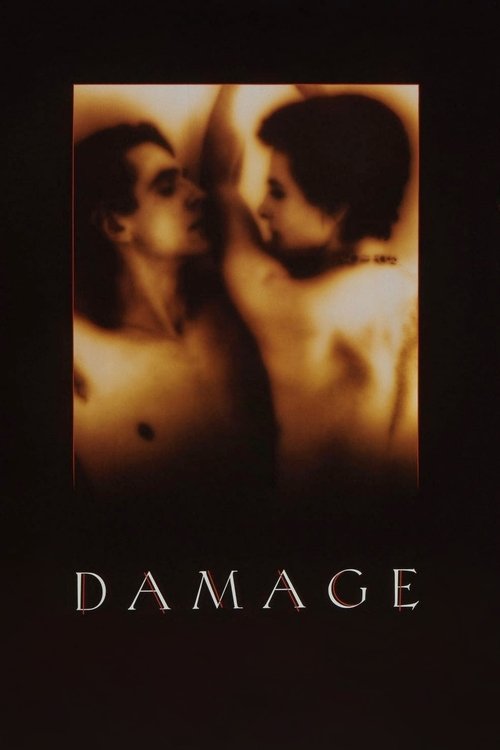
Damage1992
A middle-aged man seduced into infidelity by his son's fiancée. Explores how desire overrides reason and morality. Takes Maud's scenario and makes it apocalyptic—showing what happens when restraint fails.
But Erotic thriller registers as melodrama to modern eyes. Less interested in thought than in consequence. And Jeremy Irons' intensity can tip into unintentional comedy.
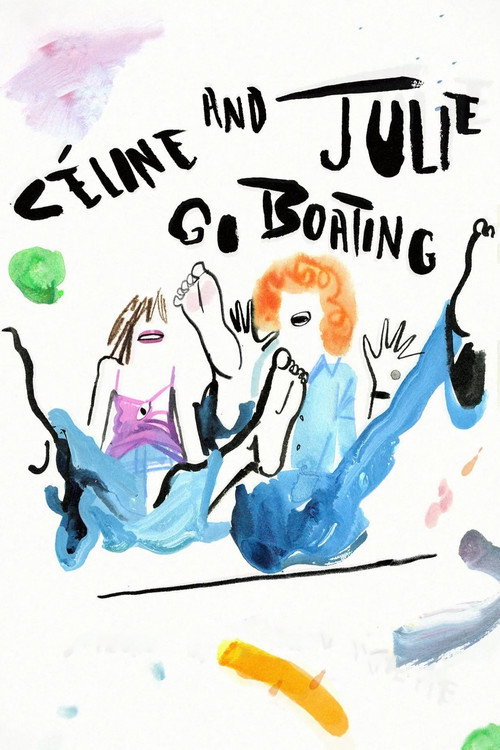
Céline and Julie Go Boating1974
Rivette's dreamlike film about two women who become entangled in each other's lives and a mysterious recurring narrative. Shares Rohmer's pleasure in conversation, philosophy, and cinema as pure thinking-aloud.
But Three hours long and non-linear. Feels more like a private game than a film. You either surrender to its logic or it's impenetrable.
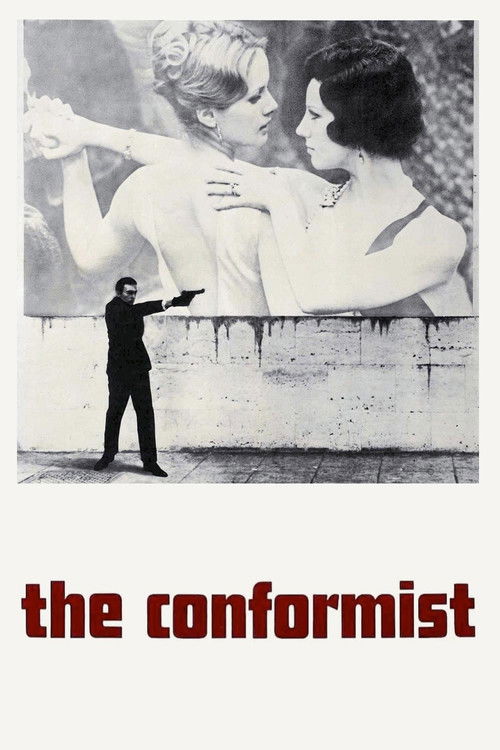
The Conformist1971
Bertolucci's study of a man living according to ideology rather than impulse, tempted by beauty and moral argument. Gorgeous and baroque where Maud is austere, but identical moral question: what do we owe ourselves versus our convictions?
But Dense, visually overwhelming, and requires patience with Fascist politics. Tougher than Maud and less philosophical in its intentions.
The Seventh Seal1957
Both foreground intellectual and spiritual argument as the real action. Both suggest that how we think about God (or its absence) determines how we live.
Bergman's knight plays chess with Death, discussing faith and meaninglessness with priests and mystics. Maud is Bergman filtered through French rationalism—less cosmic dread, more drawing-room philosophy—but identical question: does belief survive contact with reality?
But Swedish, medieval, bleak. Shot in black-and-white through a plague. Where Maud is urbane and amusing, this is grim allegory. Very different moods.

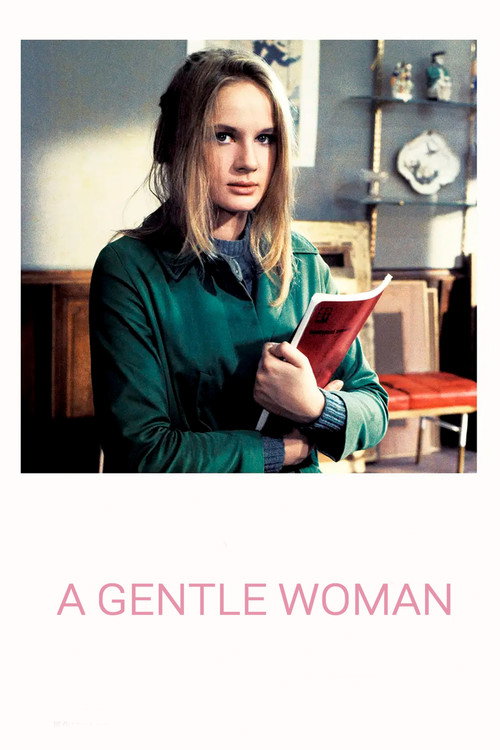
A Gentle Woman1969
Both show romantic and spiritual desire as forms of self-deception. Both use restraint as an aesthetic principle: what you don't see matters as much as what you do.
Bresson's film of a man trying to understand his wife's suicide through fragments of their marriage. Like Maud, it's about misreading another person—desire and faith and the gap between how we imagine someone and who they are. Minimalist where Maud is social, but identical DNA.
But Extremely austere and sad. Bresson's style is a rebuke to conventional cinema—no music, flat performances, glacial pacing. It's a film that demands you meet it halfway. And it breaks your heart instead of charming it.
People
Cast
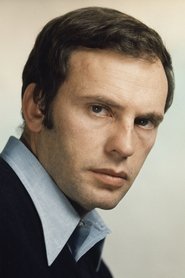 Jean-Louis TrintignantJean-Louis
 Françoise FabianMaud
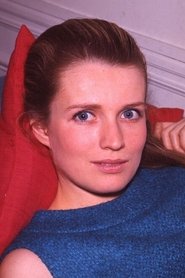 Marie-Christine BarraultFrançoise
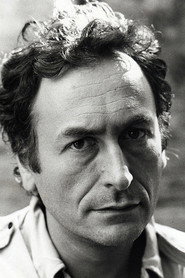 Antoine VitezVidal
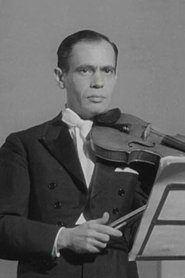 Leonid KoganConcert Violinist
- Guy LégerPriest
- Anne DubotBlonde Friend
- Marie BeckerMarie (uncredited)
- Marie-Claude RauzierStudent (uncredited)
Directing
- Éric RohmerDirector
Writing
- Éric RohmerWriter
Production
- Barbet SchroederProducer
- Pierre CottrellProducer
- Pierre GrimbergProduction Assistant
- Alfred de GraffProduction Manager
Recommended by
My Dinner with Andre, A Summer's Tale, Coffee and Cigarettes, Regular Lovers, Naked Childhood, Boyfriends and Girlfriends, Love in the Afternoon, Claire's Knee, The Mother and the Whore, The Night and the Moment, Two English Girls, My Best Friend's Girl, A Tale of Winter, Serie Noire, The Aviator's Wife, La Collectionneuse, Radio On