
Film
Serie Noire
- Drama
- Very dark
A 1979 French noir about a struggling door-to-door salesman who becomes dangerously obsessed with a vulnerable young woman. It's a descent into moral and psychological chaos shot with grimy precision. Alain Corneau's film moves like a thriller but thinks like tragedy—for viewers drawn to European crime cinema that doesn't flinch from ugliness.
Should you watch it?
Watch it if you like bleak, close-in character studies of a small man sliding toward ruin, where the grubby suburban textures do most of the talking.
Skip it if you need brisk plot or a clear moral compass; this one stays with an unpleasant man for most of its 111 minutes and rarely offers relief.
What it asks of you: Its pace is slow and its mood sour across roughly two hours, with a protagonist you will not warm to and a shape more brooding than eventful.
Not sure? Find tonight's pick in a minute.
If you liked this
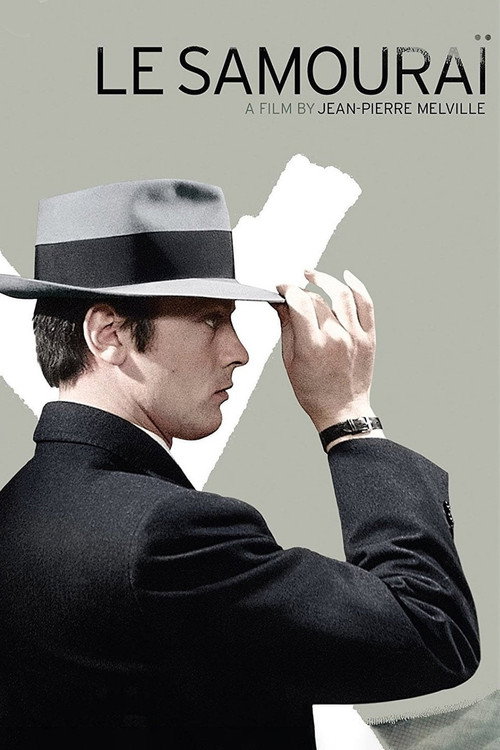
Le Samouraï1967
Melville's ice-cold hitman procedural with Jean-Pierre Leaud as the perfect assassin. Pure style married to genuine dread. If you love crime cinema that treats violence as consequence, not spectacle, this is essential.
But It's methodical to the point of being glacial. If you need plot momentum or emotional warmth, you'll feel the cold.
La Haine1995
Mathieu Kassovitz's raw, kinetic portrait of three men in a Paris suburb on the day after a riot. Shot in black-and-white, fueled by rage and brotherhood. French cinema at its most vital and angry.
But The politics are unsubtle and the pace relentless. If you're exhausted by social commentary, this won't let you rest.

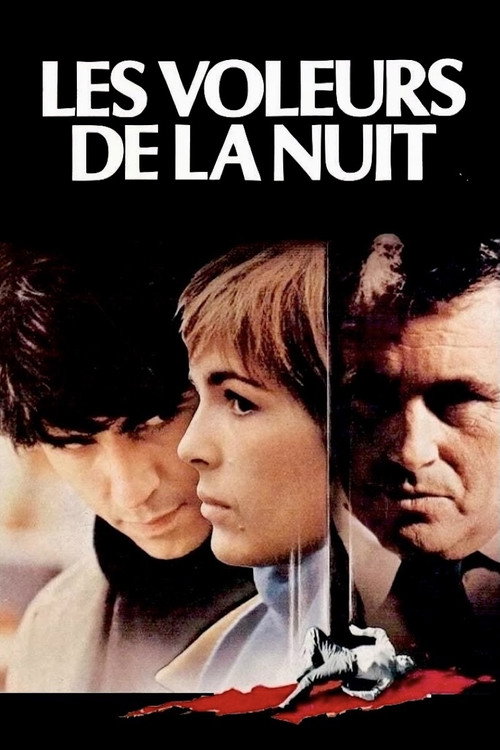
Thieves After Dark1984
Samuel Fuller's lean, brutal crime film about a paroled thief pulled back into the life. Documentary-level authenticity with the moral ambiguity of real crime. Fuller doesn't judge; he observes and lets you squirm.
But The pacing is deliberately unglamorous and some scenes play as almost casual in their violence. It's ungratifying by design.
Not sure tonight? Get a pick in a minute, starting from Serie Noire
The wildcard
Something you would not have found on your own.
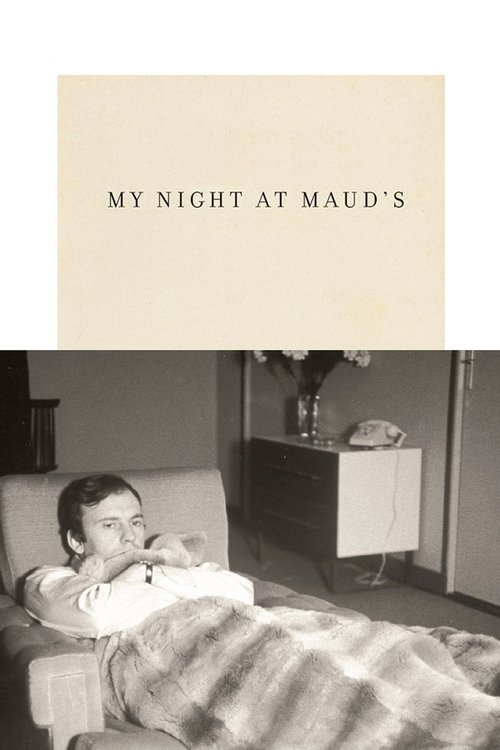
My Night at Maud's1969
Both trace the psychology of desire and moral collapse through a single obsessive male gaze. Rohmer's is philosophical where Corneau's is visceral, but the skeleton is the same.
Rohmer's chamber piece about a man, a woman, an evening, and a conversation that changes everything. It's a crime film in spirit—about seduction, temptation, moral compromise—but told as intimate dialogue. Intellectual, erotic, devastating.
But It's all talk. Literally: the power is in what's said and unsaid. If dialogue feels like dead weight, stay away.
More like this (7)
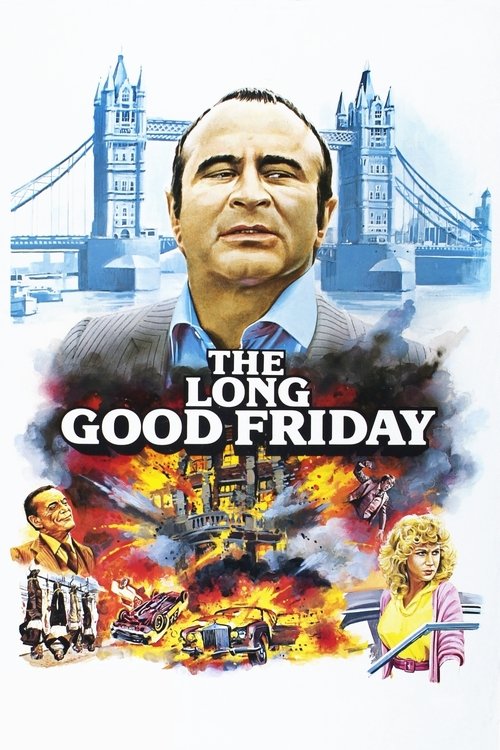
The Long Good Friday1980
John Mackenzie and Bob Hoskins create a masterpiece of escalating paranoia. A London crime boss's Good Friday plans dissolve as his world contracts. Tense, beautifully acted, with genuine surprise in its bones.
But Accents are thick and the opening twenty minutes are disorienting. You need to settle in and trust it.
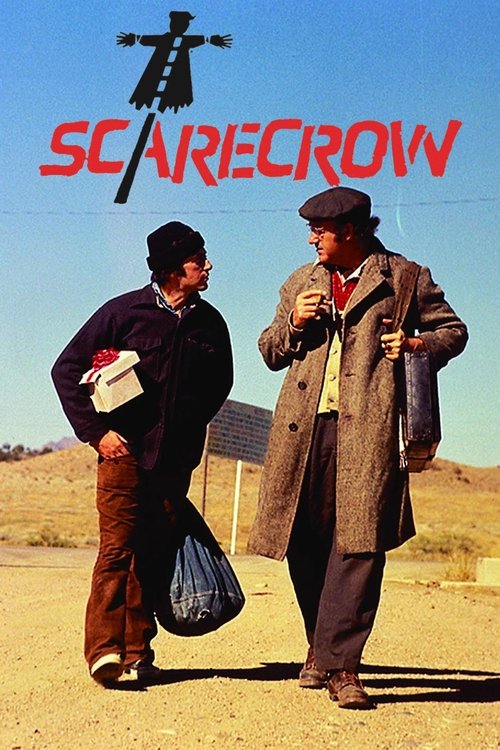
Scarecrow1973
Schatzberg's intimate, strange film with Al Pacino and Gene Hackman as two drifters forming an unlikely bond. Melancholy and eccentric, it moves like a ballad rather than a crime story. Criminally underseen.
But The pacing is dreamlike and the narrative refuses conventional momentum. Some will find it indulgent; they're not entirely wrong.
In a Lonely Place1950
Ray's American noir about a violent man suspected of murder. Bogart's paranoid, self-destructing screenwriter is one of cinema's great portraits of a man eating himself alive. The rage is psychological, not physical.
But It's a slow, interior study. The plot is almost beside the point. If you need external action, you won't find it.

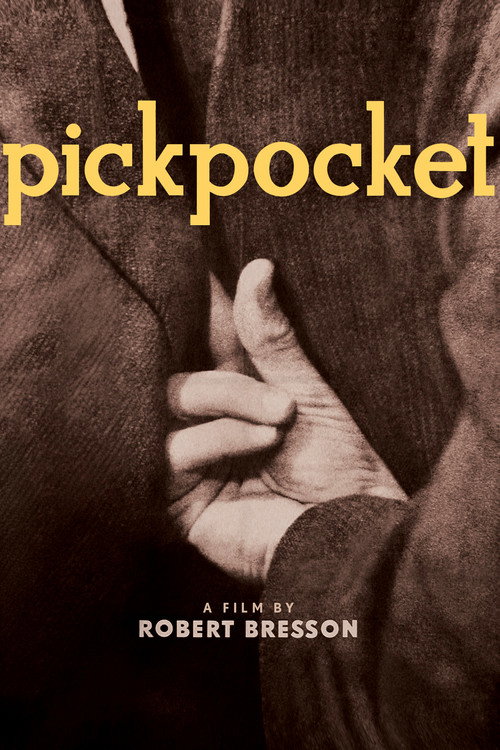
Pickpocket1959
Bresson's austere masterpiece about a compulsive thief in Paris. Shot with ascetic precision, it's about the spiritual dimension of theft and obsession. Pure cinema: no wasted gesture, no easy answers.
But It's deliberately artificial and stylized to the point of abstraction. Some find it cold; it is. That's the point, and it might not be yours.
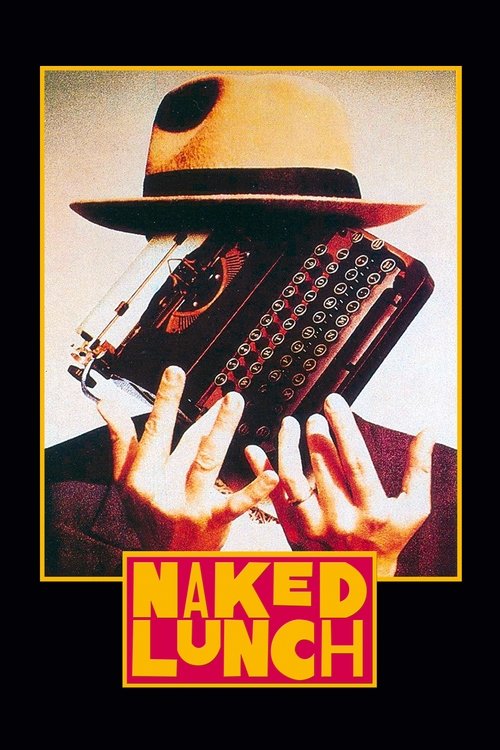
Naked Lunch1991
Cronenberg's hallucinogenic adaptation of the unadaptable. Peter Weller as William Lee in a fever dream of surveillance, addiction, and control. Visually overwhelming and narratively unmoored—pulpy philosophy in high-definition grotesque.
But It's intentionally incoherent and deeply weird. Plot is not the priority. If you need structure, you're watching the wrong film.
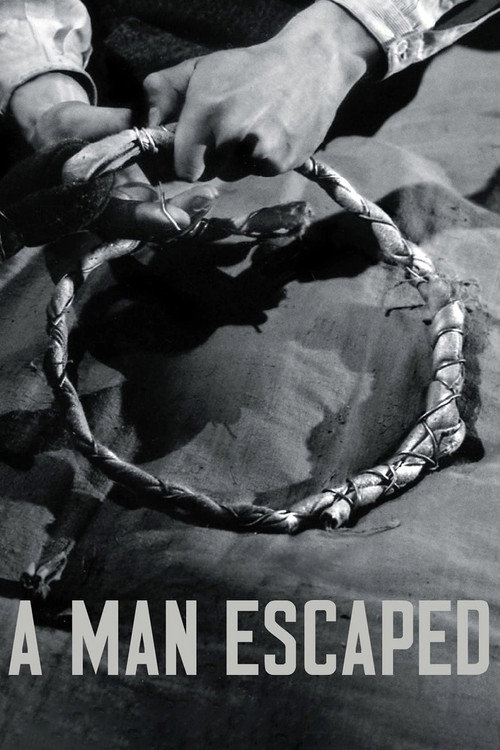
A Man Escaped1956
Both feature protagonists consumed by a single objective, grinding through detail and routine. But where Corneau's salesman spirals inward toward destruction, Bresson's prisoner spirals upward toward freedom. The method is identical; the destination inverted.
Bresson's transcendent war film about a French Resistance fighter methodically planning escape from a Nazi prison. It's about patience, faith, and the quiet rebellion of routine. Spiritually connected to the obsessive focus of noir but aimed toward redemption.
But It's slow, repetitive, and spare to the point of emptiness. The power is in what's NOT shown. Modern viewers often find it tedious.
Possession1981
Both are about possession—obsession as metaphysical force rather than mere emotion. Żuławski makes it literal and cosmic; Corneau keeps it intimate and criminal. Same fever, different temperatures.
Andrzej Żuławski's apocalyptic Berlin nightmare about a marriage dissolving into madness and tentacles. Sam Neill and Isabelle Adjani descend into psychological warfare as the city crumbles around them. Unhinged, operatic, absolutely singular.
But It's maximalist chaos masquerading as substance. The emotional extremity is constant, which exhausts rather than moves some viewers. You'll either surrender to it or resent it.

People
Cast
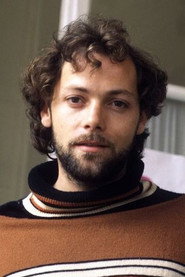 Patrick DewaereFranck Poupart
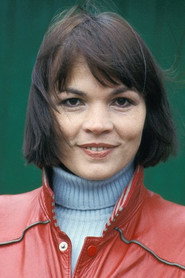 Myriam BoyerJeanne

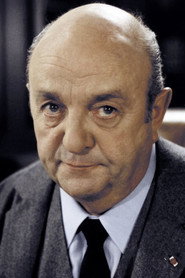 Bernard BlierStaplin
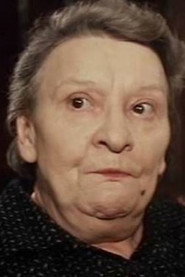 Jeanne HervialeLa tante
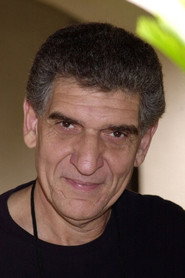 Andreas KatsulasAndreas Tikides
- Charlie FarnelMarcel, l'inspecteur
- Samuel MekLe boxeur
- Jack JourdainL'entraineur (as Jack Jourdan)
- Fernand CoquetLe Hell's Angel
Directing
- Alain CorneauDirector
Writing
- Georges PerecDialogue
- Jim ThompsonNovel
- Alain CorneauWriter
- Georges PerecWriter
Production
- Maurice BernartProducer
- Catherine LapoujadeProduction Manager
- Yvon CrennUnit Manager