
Film
Pickpocket
Other titles called Pickpocket: the 1997 film.
Robert Bresson's *Pickpocket* is a spare, hypnotic study of crime as compulsion and grace. Michel steals not from need but from an almost spiritual hunger—the film watches him with patient curiosity, never condemning, tracing the geometry of hands and the texture of guilt. It's austere and modern, built from glances and silences. For those who think cinema can do what novels do, only better.
Should you watch it?
Watch it if you are drawn to films where almost nothing happens on screen yet every glance and gesture feels loaded, the way Bresson's austere, precise style turns hands and small risks into real suspense.
Skip it if you want a clear plot, charismatic heroes or emotional warmth; the performances are deliberately flat and the film keeps its distance, so it can feel cold and withholding.
What it asks of you: Under eighty minutes, it moves in quiet, deliberate scenes with little dialogue, and it asks you to pay close attention to what the camera shows rather than what is said.
Not sure? Find tonight's pick in a minute.
If you liked this
A Prophet2009
Like *Pickpocket*, this is a portrait of a young man's education in crime, but inside prison instead of the street. Audiard's film has the same moral ambiguity and the same belief that cinema should show, not explain.
But Nearly three hours and deliberately paced. The violence, when it comes, is shocking—this isn't a thriller, it's a study of power and survival that doesn't flinch.

Bicycle Thieves1948
Neorealism at its most devastating. A man searches Rome for his stolen bicycle; the desperation is real, the world is indifferent, and the ending lands like a fist. Essential viewing for anyone who loves *Pickpocket*.
But The poverty is relentless and the resolution offers no comfort. It's a film about systems that don't care, which can feel bleak rather than moving if you're not in the mood.

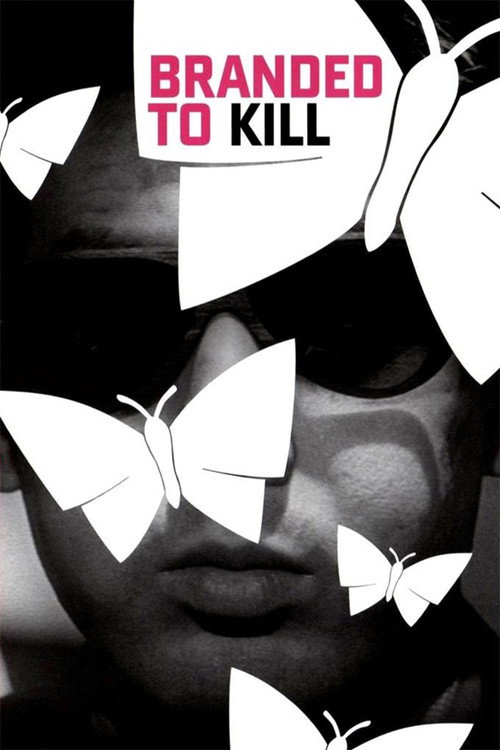
Branded to Kill1967
Seijun Suzuki's yakuza film is formally wild and obsessed with surfaces—clothes, hands, the texture of crime. Like Bresson, he makes theft and violence into a visual language, but where Bresson is austere, Suzuki is baroque.
But The plot is nearly incomprehensible by design. If you watch this expecting a story, you'll be frustrated. It demands you surrender to style and mood instead.
Not sure tonight? Get a pick in a minute, starting from Pickpocket
The wildcard
Something you would not have found on your own.
Tokyo Story1953
Formal innovation through restraint: both use extreme visual discipline to create emotional depth. Bresson and Ozu move in opposite genres but speak the same cinematic language.
Ozu's film has nothing to do with crime, but everything to do with *Pickpocket*'s visual philosophy: the camera barely moves, we see the same spaces repeatedly, and the deepest emotions are expressed through silence and the arrangement of bodies in a room. Both filmmakers believe the world is more interesting than plot.
But If you've never seen Ozu, the stillness can feel like nothing is happening. It requires you to relearn how to watch—patience becomes the subject.

More like this (8)
Contempt1963
Godard's film about the breakdown of a marriage during a film production shares *Pickpocket*'s concern with surfaces hiding depths. Both use close observation and sparse dialogue to ask what we really know about another person.
But It's slow and conversational, mostly set in one apartment. If you want plot momentum or conventional drama, this will feel like watching paint dry.

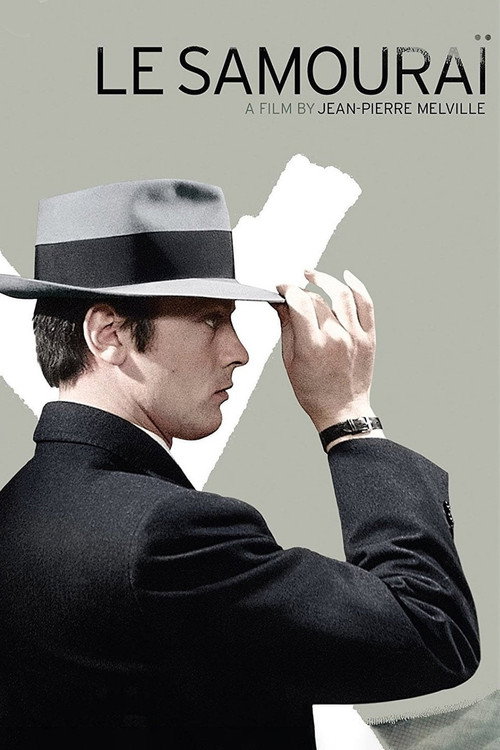
Le Samouraï1967
Melville's hitman moves through Paris with the same detached precision as Bresson's pickpocket. Both are studies of craft, obsession, and a man defined entirely by his actions. The visual language is hypnotic.
But Very little happens—the pleasure is in watching a professional move. Some find it glacial; others find it meditative.
In the Mood for Love2000
Wong Kar-wai's film uses color, composition, and repetition the way Bresson uses gesture and space—to suggest emotion without stating it. Both films trust the viewer's eye and patience absolutely.
But Nothing is explained. The emotional content is communicated almost entirely through visual rhythm. If you need dialogue to tell you what characters feel, you'll be lost.

Stalker1979
Tarkovsky's film about a guide leading two men through a mysterious zone has *Pickpocket*'s spiritual seriousness and its belief that cinema should move at the speed of contemplation. Both ask what we desire and why.
But It's 163 minutes of people walking and talking. Patience is not optional. The payoff is intellectual and emotional, not narrative.

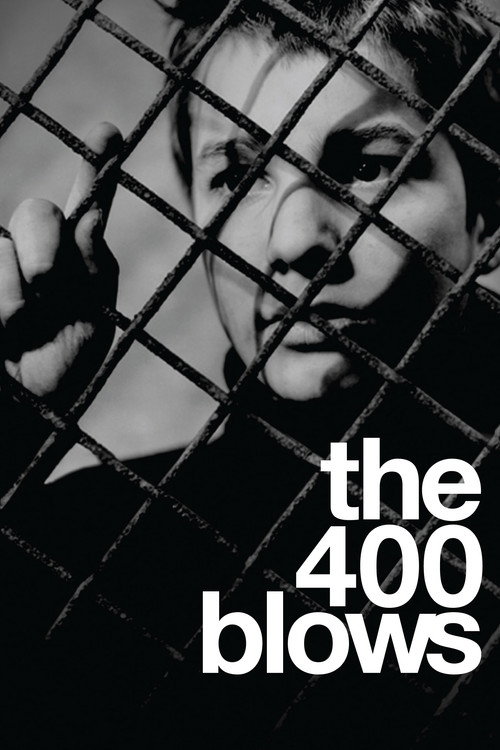
The 400 Blows1959
Released the same year as *Pickpocket*, Truffaut's film is also about a young man's small crimes and larger aimlessness. Both directors trust their actors and their camera to find truth in ordinary moments.
But The ending is poetic rather than conclusive. If you need resolution or moral clarity, you won't find it here.
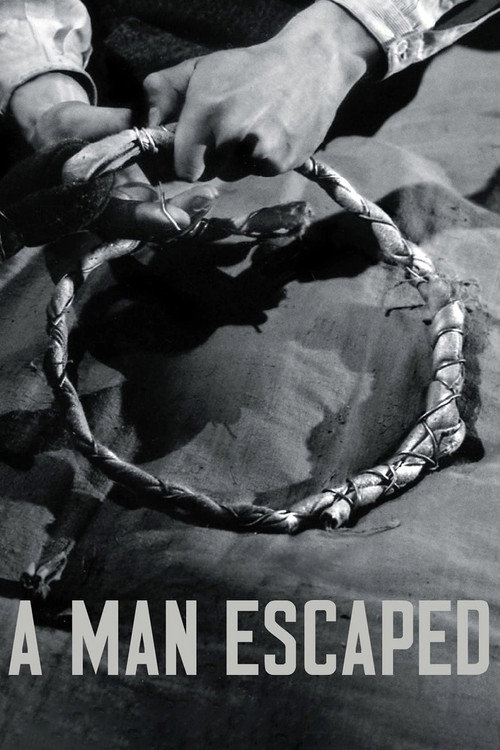
A Man Escaped1956
Also by Bresson, also essential—a prisoner methodically plans his escape. The same visual precision, the same faith in showing rather than telling, the same sense of spiritual stakes in material details.
But It's as austere as *Pickpocket*, maybe more so. Some viewers find Bresson's restraint alienating rather than moving.
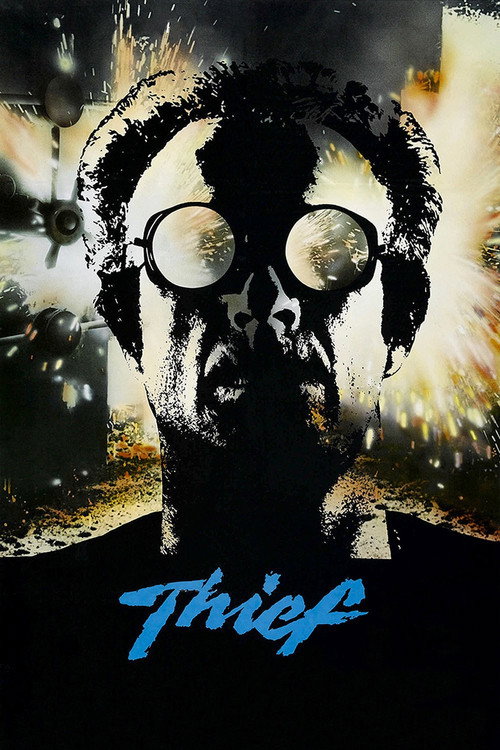
Thief1981
Both films make stealing a form of art and obsession; both photograph hands and precision with near-religious intensity. But where Bresson denies us the pleasure of style, Mann gives us everything.
Michael Mann's film about a jewel thief is the sensuous inversion of *Pickpocket*—where Bresson is austere, Mann is all neon and atmosphere, but both are meticulous studies of a man whose skill is his identity. James Caan is magnificent, and the film moves like a dream.
But It's glossy and seductive in ways *Pickpocket* refuses to be. If you come to it expecting Bresson's severity, you'll feel seduced into complicity, which may be exactly the point.
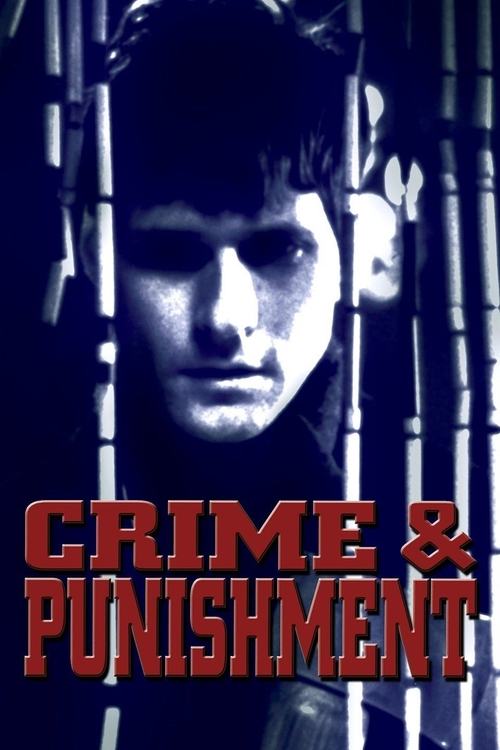
Crime and Punishment2002
Both are literary adaptations (Bresson adapted from Crime and Punishment itself) that transform their source into something about grace, guilt, and the possibility of redemption through suffering. Both are icily beautiful.
Sokurov's adaptation of Dostoevsky transposes the novel to modern St. Petersburg and treats it as a study in moral collapse and spiritual crisis, the way Bresson treats *Pickpocket*. The same question: how does a man live with what he's done? Visually stunning and philosophically severe.
But It's Russian cinema from the post-Soviet period—bleak, long, and indifferent to plot. The psychological torment is relentless and there is no catharsis.
People
Cast
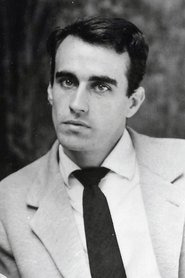 Martin LaSalleMichel
 Marika GreenJeanne
- Jean PélégriLead Inspector
- Dolly ScalThe Mother
- Pierre LeymarieJacques
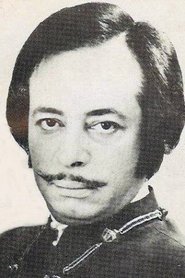 Kassagi1st Accomplice
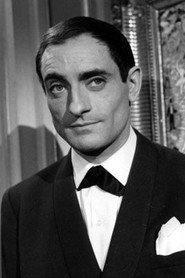 Pierre Étaix2nd Accomplice
- César GattegnoInspector
- Sophie Saint-Just(uncredited)
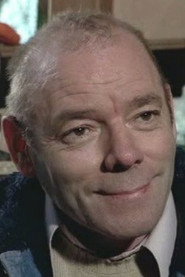 Dominique ZardiSubway Passenger (uncredited)
Directing
- Claude ClémentAssistant Director
- Jacques BallancheAssistant Director
- Michel ClémentAssistant Director
- Robert BressonDirector
Writing
- Robert BressonScreenplay
Production
- Agnès DelahaieProducer
- Michel ChoquetProduction Manager
Recommended by
L'Argent, Trouble in Paradise, The Sacrifice, The Informer, Daughter of Shanghai, Hatari!, Johnny Reno, Sailors Three, The Mountain, Man on the Run, I, Pierre Rivière, Having Slaughtered My Mother, My Sister and My Brother…, Berlin Alexanderplatz, Nazarín, The Limits of Control, Lorna, The Restless Gun, The King of the Hill, Serie Noire, The Return of Ringo, Scorpio, Safe in Hell, People on Sunday, The Milky Way