
Film
Crime and Punishment
Other titles called Crime and Punishment: the 1935 film, the 1956 film, the 1998 film, the 2007 film, the 2019 series (Channel 4).
Luzhin's Dostoevsky adaptation cuts straight to psychological torment. Crispin Glover's Raskolnikov is a portrait of guilt eating someone alive—not a crime thriller, but an interior collapse made visible. Glacial pacing, serious about suffering, for viewers who want moral philosophy disguised as drama.
Should you watch it?
Watch it if you love psychological cat-and-mouse between a guilty mind and a patient investigator, where the real tension lives in what a character cannot stop thinking about rather than in action.
Skip it if you want Dostoevsky's sprawling social panorama intact, since this 126-minute adaptation compresses a very long novel and its feverish, interior mood can feel airless and talky.
What it asks of you: It asks for sustained close attention to faces and silences across two hours, with a slow, claustrophobic pace that lingers in cramped rooms and feverish streets.
Not sure? Find tonight's pick in a minute.
If you liked this
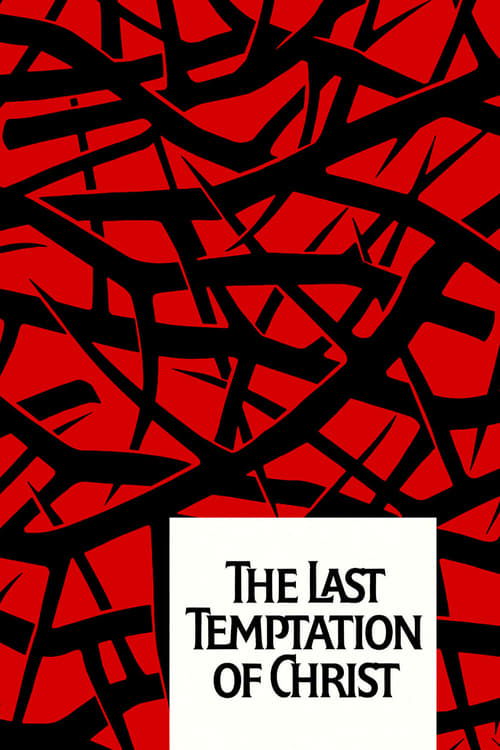
The Last Temptation of Christ1988
Scorsese's Kazantzakis adaptation shares Dostoevsky's obsession with guilt, redemption, and the unbridgeable gap between flesh and spirit. A spiritual exhaustion that feels visceral.
But Three-hour theological debate dressed as narrative. Long stretches of existential wandering over plot momentum.
Stalker1979
Tarkovsky's sci-fi meditation on desire, faith and moral paralysis mirrors Raskolnikov's internal imprisonment. Both films measure time by the weight of consciousness, not action.
But Hypnotic repetition will feel like punishment rather than poetry if you need forward motion. Demands patience as a form of attention.

Memories of Murder2003
Bong Joon-ho's serial killer inquiry reverses the usual detective momentum—guilt infects everyone investigating the crime, not just the killer. Moral corruption spreads like infection.
But Brutal crime scenes and sexual violence. Longer and messier than Luzhin's tighter psychological focus.

Not sure tonight? Get a pick in a minute, starting from Crime and Punishment
The wildcard
Something you would not have found on your own.
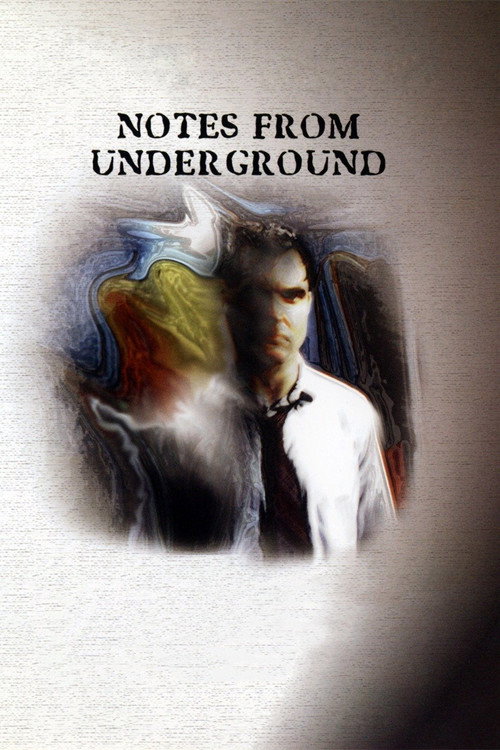
Notes from Underground1995
Both works pit the thinking subject against a world that won't be thought away. Kusturica just sets it on fire.
Emir Kusturica's Yugoslav-Russian co-production doesn't adapt Dostoevsky so much as *become* him—a fever dream of European collapse narrated by a man talking to walls. Hallucinatory where Luzhin is austere.
But Abstract and nightmarish. Refuses plot coherence as an act of principle. You're not watching a story, you're inside a migraine.
More like this (6)
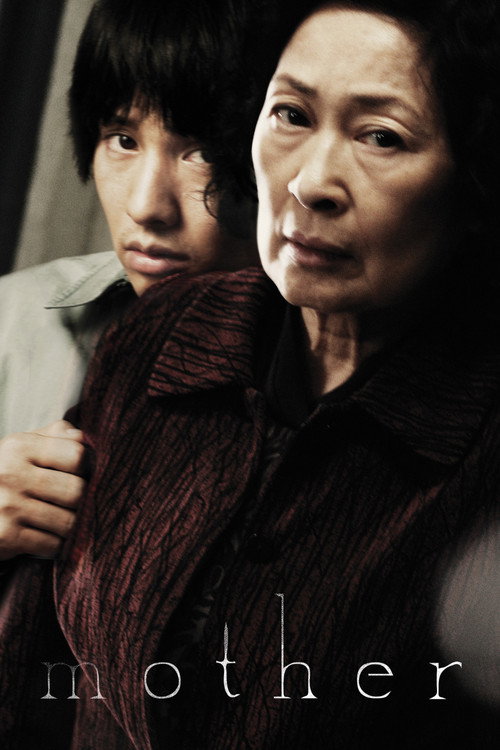
Mother2009
Bong again, but narrower and darker: a mother's love becomes willful delusion as she shields her son from accountability. The poisoned heart of familial loyalty laid bare.
But Deeply uncomfortable and cruel. The film doesn't offer mercy to anyone, including the viewer.
The Seventh Seal1957
Bergman's medieval plague parable trades apartment claustrophobia for existential dread, but the question is identical: how do you live when death and moral emptiness are certain?
But Dense symbolism and chess-with-Death grandeur feels distant from Raskolnikov's grimy neurosis. A philosophical exercise, not intimate suffering.

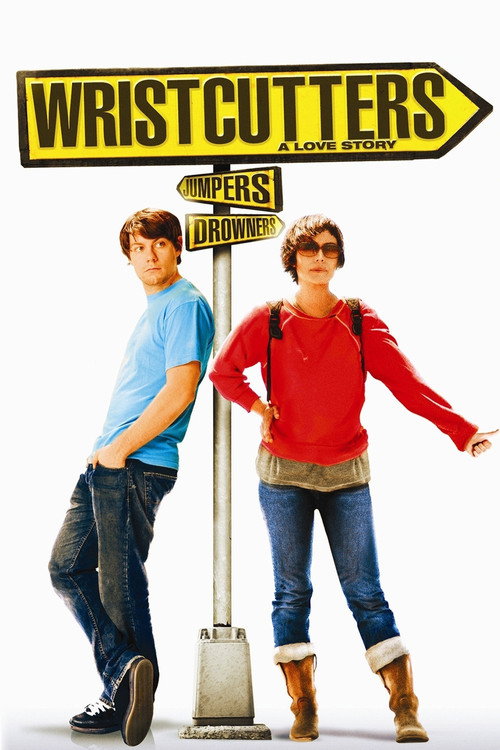
Wristcutters: A Love Story2007
Absurdist take on depression and the wreckage guilt leaves. Tonally it shouldn't work—it's funny and sad simultaneously, about people already damned by their own hands.
But The whimsy will jar you if you want tragedy unrelenting. Darkly comic when the subject matter resists comedy.
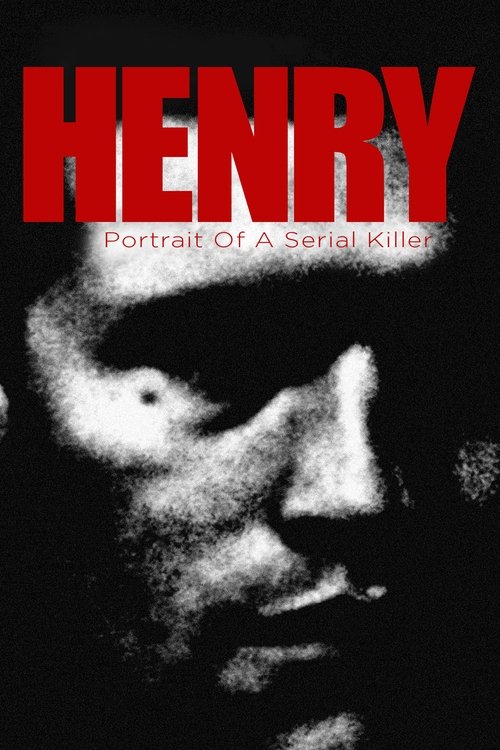
Henry: Portrait of a Serial Killer1986
Michael Rooker's porcelain vacancy opposite John McNaughton's grey documentary style. Removes psychology's poetry—no inner torment, no redemption, just hollow capacity for violence.
But Relentlessly depressing and genuinely unpleasant. The anti-Dostoevsky: killing means nothing, change is impossible, mercy is fiction.
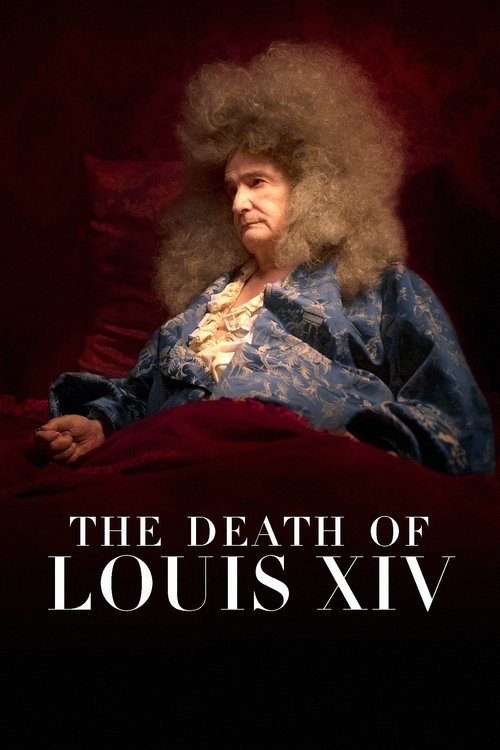
The Death of Louis XIV2016
Both trap you inside a character's deterioration with no escape route. The camera refuses to look away from internal punishment made manifest.
Albert Serra's seven-day close-up of a king dying in real time, mostly off-screen. Physical decay becomes metaphysical collapse. Feels like watching guilt erode bone by bone.
But Glacial and corporeally obsessed. Uncomfortable proximity to bodily failure. Some viewers will experience this as pretentious endurance test rather than cinema.
A Ghost Story2017
Both films understand that guilt is a form of haunting—the self as ghost, trapped at the scene, watching the living move on without you.
Roeg's-ish ghost haunting a single house over decades. C. Thomas Howell under a sheet watching time destroy everything he knew. Raskolnikov as spectre—consciousness stuck in the place of the crime, unable to leave.
But Built on a silly visual premise (sheet-ghost) held at feature length. The constraint becomes gimmick if you don't surrender to its logic. Quieter than it has any right to be.

People
Cast
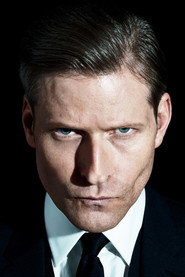 Crispin GloverRodion Raskolnikov
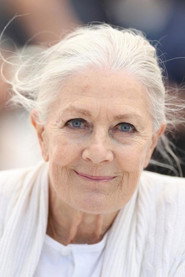 Vanessa RedgraveRodion's mother
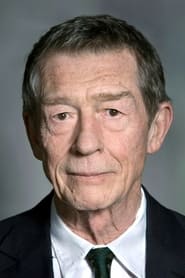 John HurtPorfiry, chief investigator
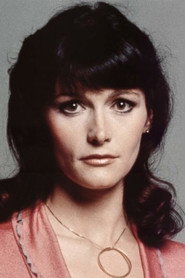 Margot KidderMrs. Katerina Marmelodov
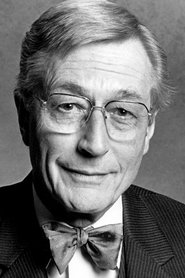 John NevilleMarmeladov, Sonia's alcoholic father
 Sophie WardDunia, Rodion's sister
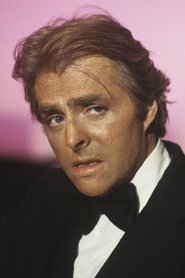 Richard LynchPeter Luzhin, Dunia's suitor
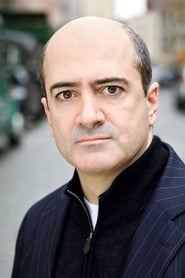 Matt ServittoRazumikhin, Rodion's friend
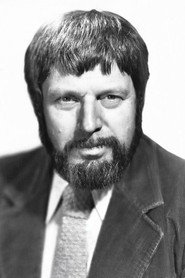 Theodore BikelCaptain Koch
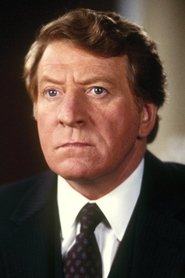 Clive RevillCaptain Zamyotov
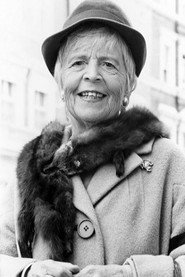 Patricia HayesAlyonna Ivanovna
 Avital DickerSonia
Directing
- Menahem GolanDirector
- Alexander YurchikovFirst Assistant Director
Writing
- Fyodor DostoevskyNovel
- Menahem GolanScreenplay
Production
- Helder GoncalvesExecutive In Charge Of Production
- Evgeny AfineevskyExecutive Producer
- Ivan MendzheritskiyExecutive Producer
- Cheryl CookLine Producer
- Evgeny AfineevskyProducer
- Menahem GolanProducer