
Film
Crime and Punishment
Other titles called Crime and Punishment: the 1956 film, the 1998 film, the 2002 film, the 2007 film, the 2019 series (Channel 4).
Peter Lorre's fevered eyes carry this 1935 adaptation of Dostoevsky's psychological torment. Raskolnikov spirals after committing murder, caught between concealment and confession, while Inspector Porfiry closes in with patient, terrible understanding. It's cinema as moral vertigo—expressionist and suffocating, less interested in plot than in the corroding weight of conscience.
Should you watch it?
Watch it if you like a psychological cat-and-mouse where the real suspense lives in a man's rationalizations and a sharp, patient interrogator's conversations rather than in action.
Skip it if you need polished 1930s production values or a faithful, unhurried version of Dostoevsky, since this 88-minute studio take compresses the novel into a brisk, dialogue-heavy drama.
What it asks of you: Expect a lean hour and a half of mostly indoor talk, shadowed rooms and a slow tightening of nerves, with little relief between interviews.
Not sure? Find tonight's pick in a minute.
If you liked this
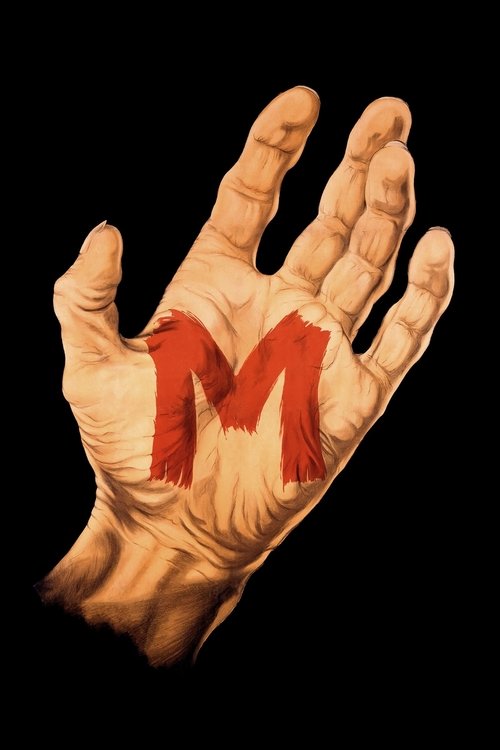
M1931
Fritz Lang's masterpiece about a child murderer hunted through Berlin. Peter Lorre gives one of cinema's greatest performances as the pursued killer, terrified and trapped. Psychological depth meets Weimar dread.
But The pacing feels deliberate and slow by modern standards. The final act courtroom sequence divides viewers about its moral resolution.
The Killers1946
Siodmak's film noir opens with a man passively awaiting assassination, then unravels the guilt and betrayal behind it. Existential dread wrapped in cigarette smoke and rain-slicked streets. Burt Lancaster's debut.
But The fractured timeline can feel confusing on first viewing. Some plot threads feel more incidental than driving.

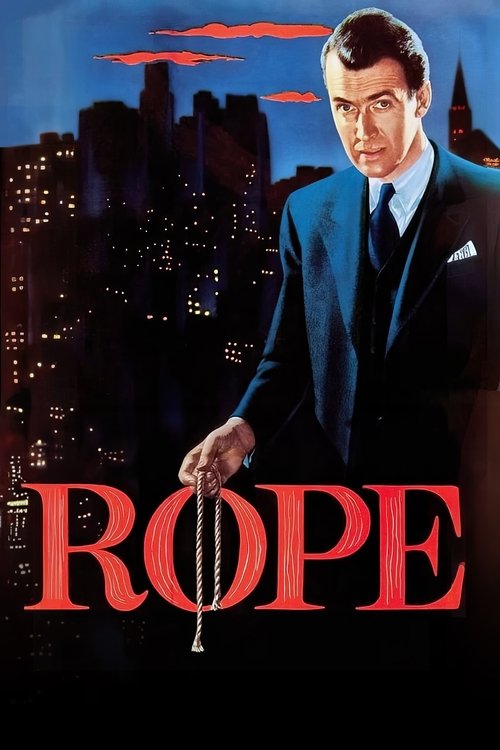
Rope1948
Hitchcock's real-time chamber piece about two intellectuals who murder a friend and invite his father to dinner. The entire film occurs in one apartment across 80 minutes. Suffocation as technique, not just mood.
But The theatrical constraint may feel stagey. The homosexual subtext is coded so heavily it's almost invisible to modern viewers.
Not sure tonight? Get a pick in a minute, starting from Crime and Punishment
The wildcard
Something you would not have found on your own.
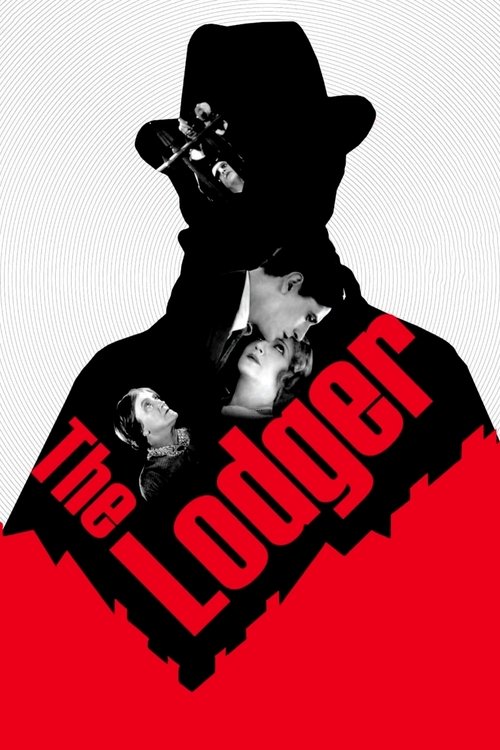
The Lodger: A Story of the London Fog1927
Both are studies of how guilt—real or imagined—warps the mind and isolates you from everyone around you. Both use a second character (Porfiry, the landlady) as a mirror for the protagonist's fracturing conscience.
Hitchcock's first masterpiece: a landlady suspects her tenant of being a serial killer. Suspicion without proof, guilt without crime, paranoia as the only rational response. Silent cinema as pure visual psychology.
But It's silent, from 1927. The intertitles feel static and the pacing (even for its era) is deliberately withholding.
More like this (7)
The Third Man1949
Carol Reed's Vienna-set noir about complicity and moral compromise. Orson Welles emerges from shadow. Josef Lefevre's zither score is unforgettable. Style, mystery, and the cost of knowing too much.
But It's more about atmosphere than plot. The ending may feel ambiguous in a way that frustrates rather than provokes.

In a Lonely Place1950
Ray's portrait of a violent man accused of murder. Bogart, against type, plays someone so damaged and rage-filled you're never sure he didn't do it. Intimate psychological demolition wrapped in Hollywood noir.
But The emotional cruelty—especially toward Gloria Grahame's character—is relentless and bleak. No comfort offered.

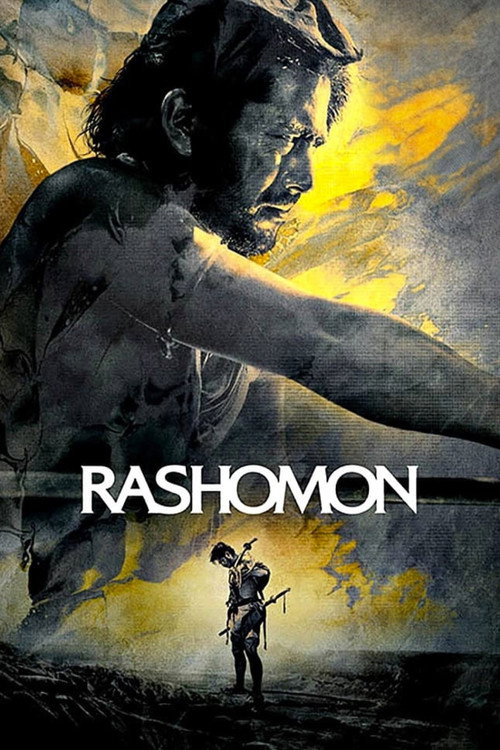
Rashomon1950
Kurosawa's radical structure: the same crime told four different ways, each 'truth' contradicting the last. What is guilt if we can't know what happened? Brilliant, disorienting, achingly human.
But The narrative ambiguity will upset viewers who need a clear answer. The woodcutter's role in the framing story feels underdeveloped.
The Asphalt Jungle1950
Huston's heist film that invented the template, but its real power is in the moral collapse of desperate men. Every criminal here has a reason. No glamour, only necessity and inevitable failure.
But The heist itself is almost secondary—some find the focus on character psychology slow. The film's attitudes toward its female characters feel dated.

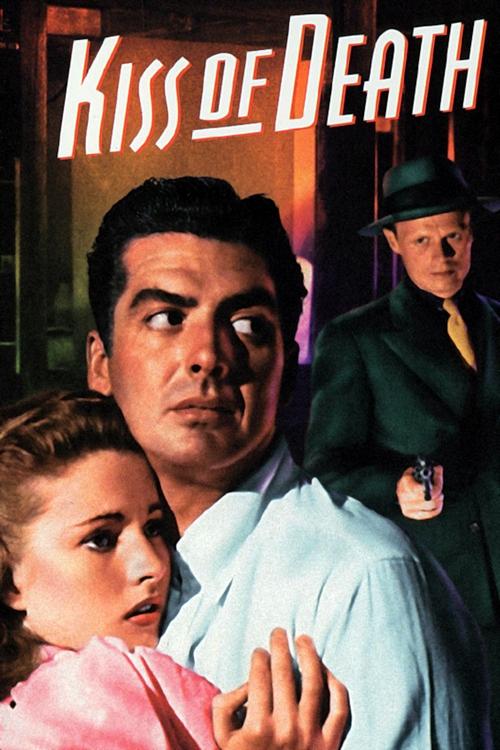
Kiss of Death1947
Henry Hathaway's brutal noir about informants and betrayal. Richard Widmark's psychotic laughing killer is terrifying. Guilt and survival pit victim against victim. Shot on gritty New York streets with real menace.
But It's violently cynical about everyone in it. The female lead exists mostly as motivation for male violence.
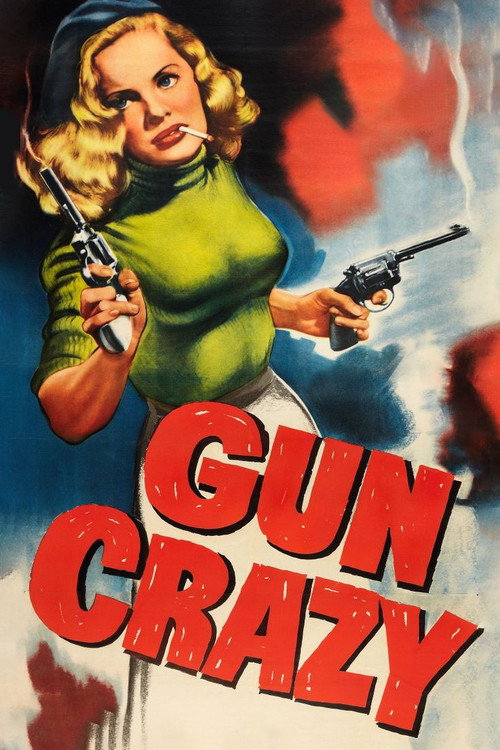
Gun Crazy1950
Joseph H. Lewis's B-movie about lovers on a gun-fueled killing spree. Lean, propulsive, and genuinely dangerous-feeling. A blueprint for every outlaw-couple film since, made for almost nothing.
But The budget shows—production values are threadbare. The social critique is thin compared to later films mining the same territory.
The Seventh Seal1957
Both use crime/guilt as a doorway into larger questions about suffering, meaning, and whether redemption is even possible. Neither offers consolation.
Bergman's medieval knight plays chess against Death itself during the plague. Philosophical rather than plot-driven, but the existential despair is earned and devastating. Black and white cinematography as moral statement.
But It's glacially slow and uncompromisingly bleak. If you're looking for conventional narrative momentum, you'll find none here.

People
Cast
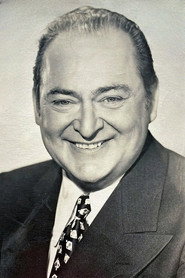 Edward ArnoldInspector Porfiry
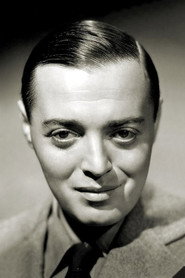 Peter LorreRoderick Raskolnikov
 Marian MarshSonya
 Tala BirellAntonya Raskolnikov
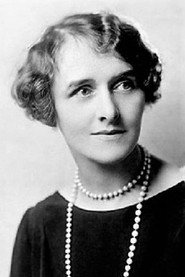 Elisabeth RisdonMrs. Raskolnikov
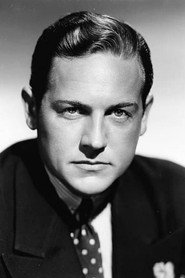 Robert AllenDmitri
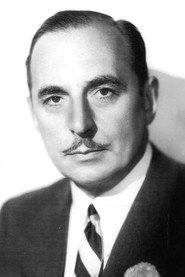 Douglass DumbrilleGrilov
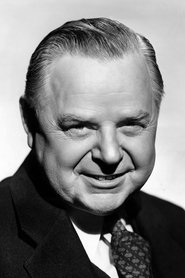 Gene LockhartLushin
- Charles WaldronUniversity president
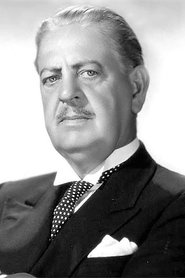 Thurston HallEditor
- Mrs. Patrick CampbellPawnbroker
Directing
- Josef von SternbergDirector
Writing
- Fyodor DostoevskyNovel
- Joseph AnthonyWriter
- S.K. LaurenWriter
Recommended by
Columbo, House of Strangers, Manhattan Melodrama, The Eternal Husband, Macbeth, Conflict, Therese, La bestia humana, Edward, My Son, Winterset