
Film
La bestia humana
A 1957 Argentine adaptation of Zola's novel about a jealous husband, a seductive woman, and a man consumed by murderous urges. It's a psychologically dark crime drama—tense, occasionally lurid, deeply fatalistic. For viewers drawn to mid-century European and Latin American noir with serious literary ambitions and a willingness to sit with moral ambiguity.
If you liked this
In a Lonely Place1950
Bogart as a volatile screenwriter suspected of murder; explores how proximity to violence corrupts even the innocent. Shares the same claustrophobic paranoia and moral rot.
But The pacing is deliberate. If you need plot momentum over psychological tension, this will feel slow.

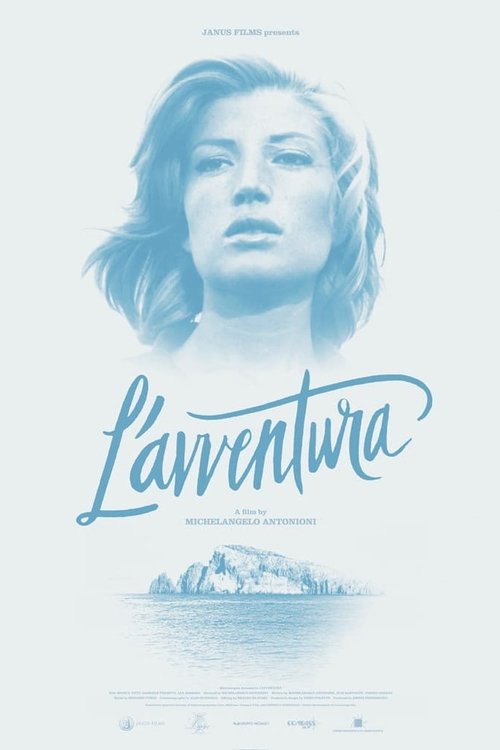
L'Avventura1960
Antonioni's masterpiece about desire, betrayal, and the void beneath bourgeois surfaces. Same era, same European sensibility, same refusal to comfort the audience.
But It's even slower and more elliptical. Some find it pretentious; others find it perfect.
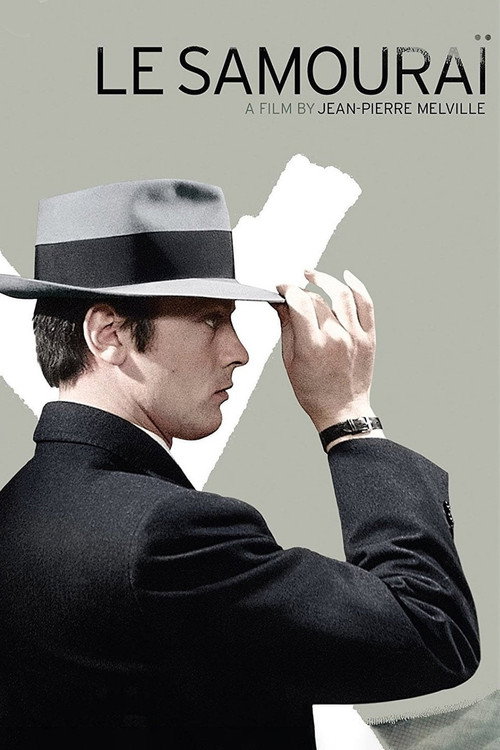
Le Samouraï1967
Melville's ice-cold hitman thriller distils violence into pure geometry. Austere, hypnotic, and morally corrosive—the spiritual heir to Zola's dark determinism.
But Minimal dialogue, minimal emotion. It demands active attention rather than passive watching.
Not sure tonight? Get a pick in a minute, starting from La bestia humana
The wildcard
Something you would not have found on your own.
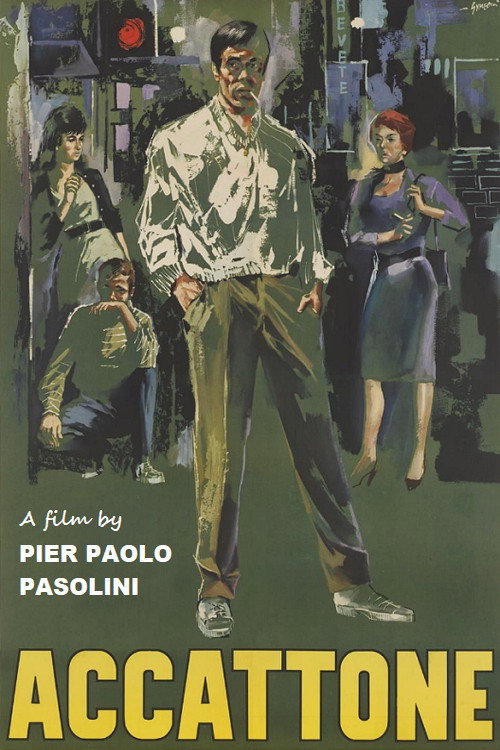
Accattone1961
Both films share Zola's belief that environment and desire are destiny. Both refuse to distinguish between the criminal and the respectable. Both are European visualists confronting the same dark view of human nature.
Pasolini's debut about a pimp and Rome's lumpenproletariat—the same moral universe as La bestia humana, but shot in the present day with neorealist intensity. Raw, unsentimental, theologically informed.
But Its treatment of sexuality and exploitation is frank and uncomfortable. Some find it exploitative itself. It's also in Italian and deliberately rough around the edges.
More like this (7)
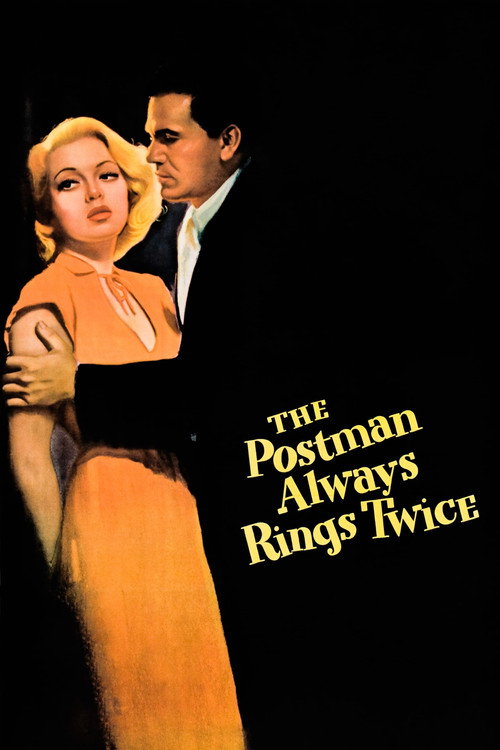
The Postman Always Rings Twice1946
Another Zola adaptation (via Cain), featuring passion, murder, and a man undone by desire. Lana Turner at her most dangerous; the American template for this exact story.
But The Hollywood Production Code softens some edges. It's more melodrama than the Argentine version's bleakness.
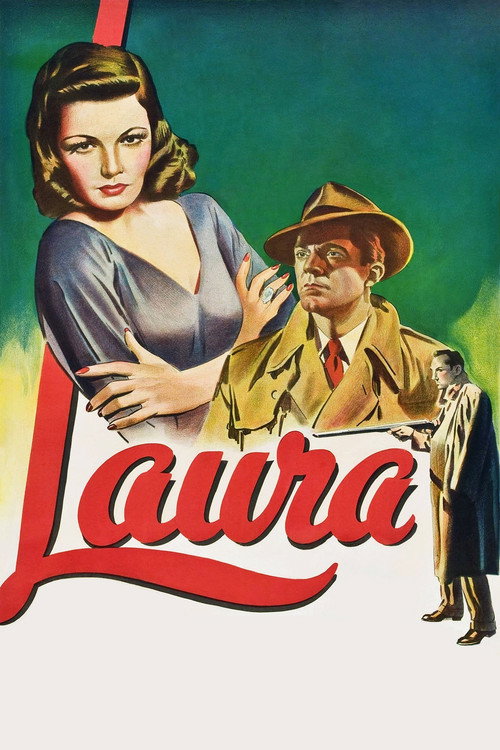
Laura1944
Preminger's obsessive noir about a detective drawn into a murder case by a portrait. Similar atmosphere of dangerous attraction and moral compromise.
But It's a whodunit first, a character study second. Less interested in psychology than plot surprise.
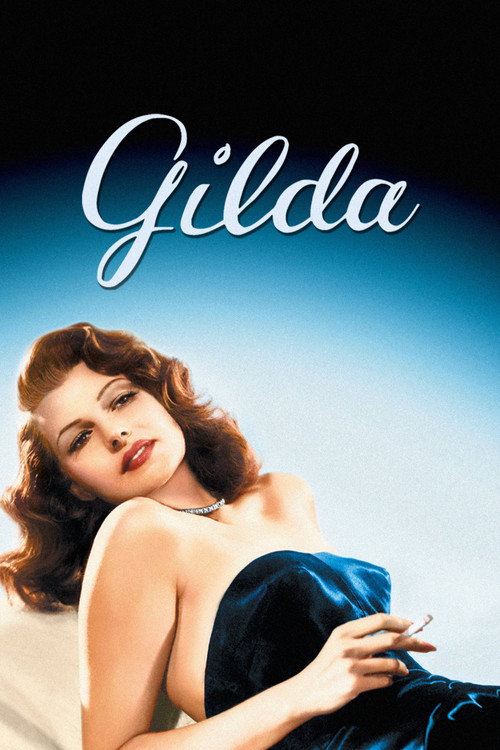
Gilda1946
Rita Hayworth as a woman who destroys men through her very existence. Combines glamour and moral toxicity in ways that echo La bestia humana's view of desire.
But The surface is seduction and spectacle. Depth requires reading against the grain of the film's own enjoyment of its star.
The Killers1946
Siodmak's brutal adaptation of Hemingway—a man fatally drawn to a woman and violence, told with stark visual poetry and no sentimentality.
But Very of its era in tone and sensibility. Modern audiences sometimes find the pacing and dialogue stylised.

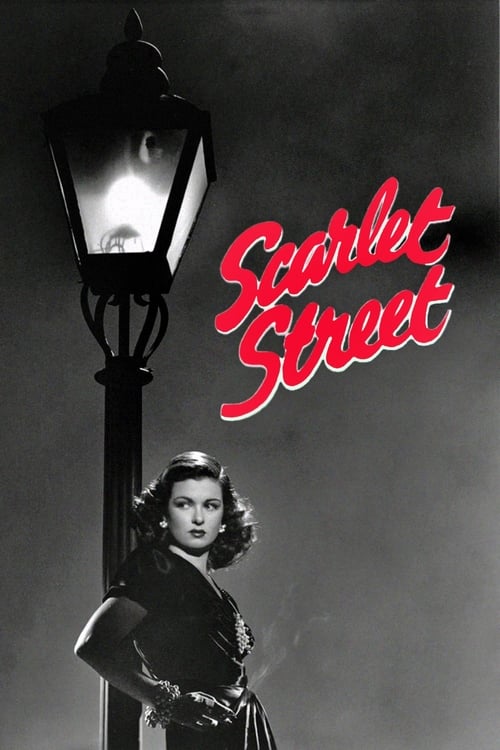
Scarlet Street1945
Fritz Lang's portrait of a man destroyed by his own weakness and a woman's manipulation. A masterwork of moral degradation and visual expressionism.
But The ending is bleak to the point of crushing. If you need catharsis or justice, this offers neither.
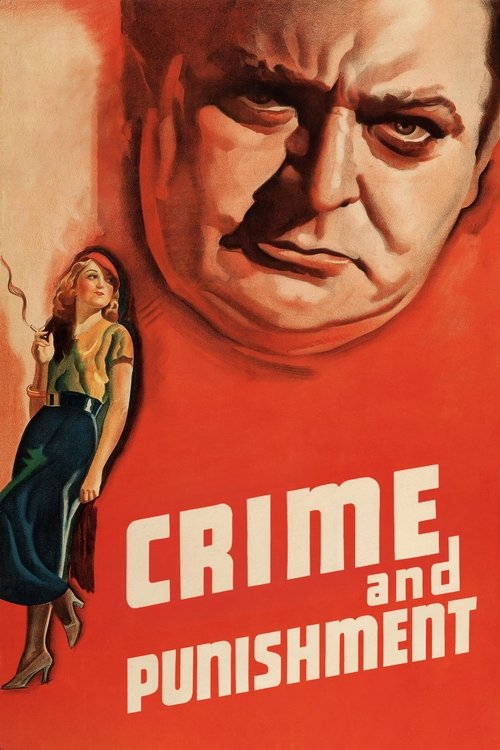
Crime and Punishment1935
Both explore the interior life of a man with an uncontrollable impulse to kill. Both use the city as a moral wasteland. Both believe character is destiny and that flight is impossible.
Sternberg's Dostoevsky adaptation transplanted to contemporary America—a guilt-haunted murderer undone by conscience and circumstance. Visually sumptuous, psychologically intense, with Peter Lorre's neurotic brilliance at the centre.
But It's a talky psychological drama from the 1930s. Expect theatrical acting and melodramatic music. The pacing will feel stagy to modern eyes.
Raging Bull1980
Both centre on a man's pathological jealousy and murderous nature. Both use the woman as a mirror of the man's own corruption. Both believe redemption is impossible, only catastrophe inevitable. Both are about watching a man choose his own destruction.
Scorsese's black-and-white nightmare about male jealousy, desire, and self-destruction. A man consumed by suspicion and violent urges, filmed with operatic intensity. It's La bestia humana remade by someone who understands that violence and sexuality are the same impulse.
But It's brutal and repetitive by design. The boxing sequences are overwhelming. De Niro's performance is so committed it becomes almost unwatchable. This is not entertainment.

People
Cast
 Roberto EscaladaDoblaje de voz de Pedro Sandoval
 Massimo GirottiPedro Sandoval
 Ana María LynchLaura Santángelo
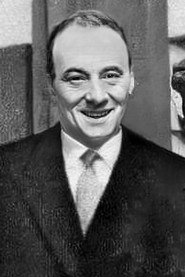 Eduardo CuitiñoDonato Santángelo
 Alberto de MendozaLuis Regiani
 Elisa GalvéFlora
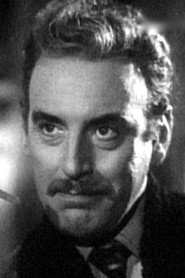 Guillermo BattagliaInspector Braco
 Amalia Sánchez AriñoTía Ángela
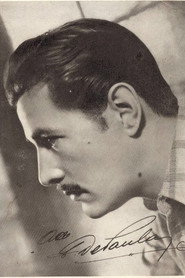 Francisco de PaulaInspector Alonso
 Oscar ValicelliAmigo de Pedro
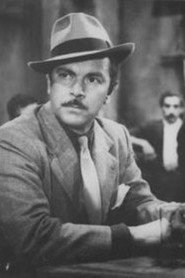 Luis OteroRequena
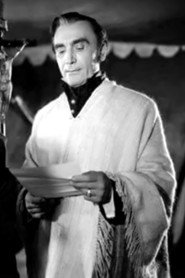 Domingo SapelliJefe Ferroviario
Directing
- José A. Martínez SuárezAssistant Director
- Daniel TinayreDirector
Writing
- Émile ZolaNovel
- Eduardo BorrásWriter
Production
- Daniel TinayreProducer