
Film
Susana
Susana is a 1951 Mexican melodrama about a troubled woman who escapes confinement and arrives at a remote hacienda, where her presence unravels a family's carefully maintained order. Shot in glossy black and white, it's a portrait of desire and chaos told with operatic intensity. A showcase for Rosita Quintana's magnetic volatility and director Luis Buñuel's gift for finding eroticism and menace in ordinary rooms.
If you liked this
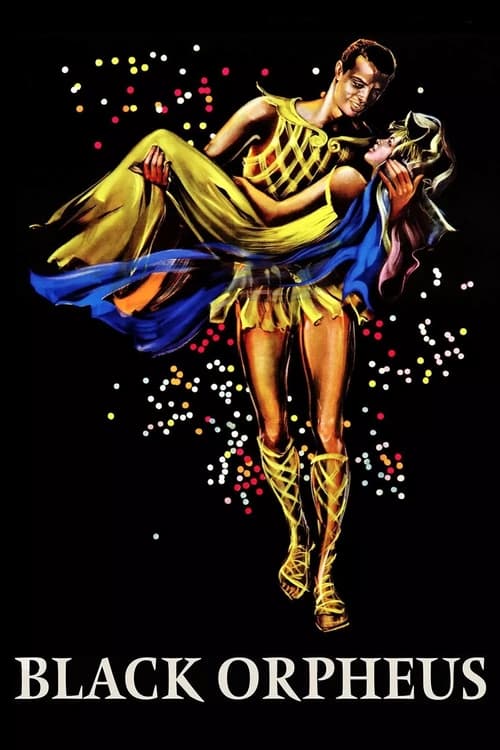
Black Orpheus1959
A Brazilian masterpiece about jealousy and fate set during Carnival, with the same hypnotic sense of doom and sexual magnetism that animates Susana. Visually ravishing and emotionally devastating.
But The Portuguese and French dialogue (with subtitles) and the dated assumptions about race and gender may feel uncomfortable to modern viewers.
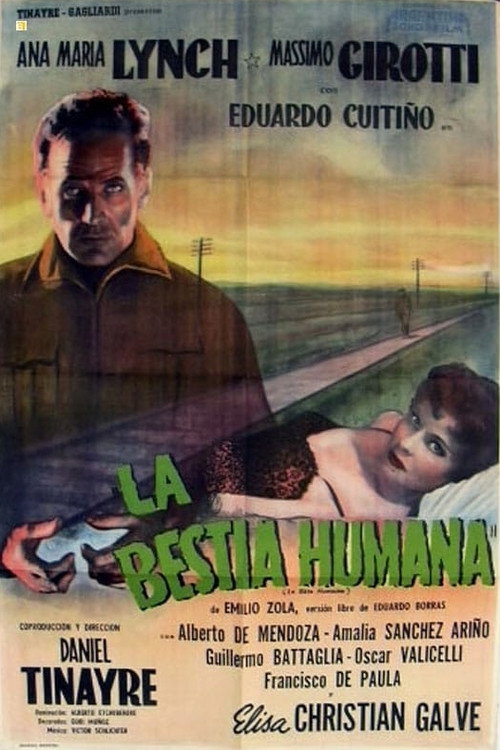
La bestia humana1957
Another Buñuel film exploring how desire corrupts and destroys, this time on a train. Lean, cruel, and compulsively watchable—he was at peak form during this period.
But It's grimmer and more violent than Susana, and the characters' motivations sometimes feel opaque rather than inevitable.
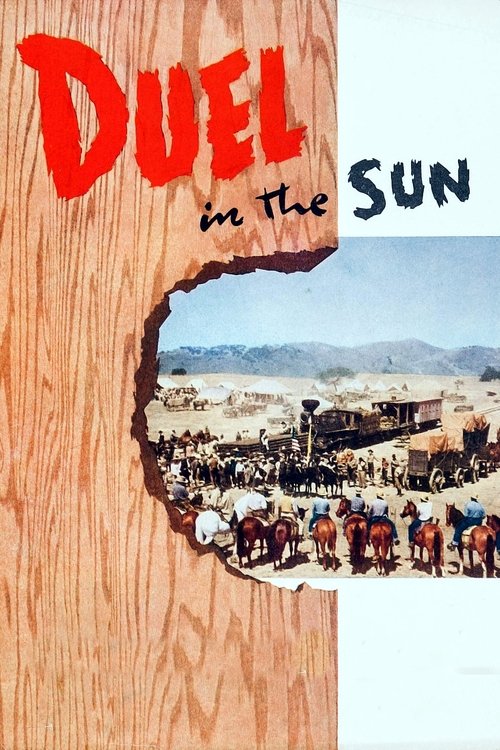
Duel in the Sun1946
A sweaty, Technicolor melodrama about a woman who inflames a family's desires and resentments. Overheated in the best way, with genuine eroticism underneath the studio restraint.
But It's an American film made by committee, and the ending compromises everything that came before it for the sake of morality.
Not sure tonight? Get a pick in a minute, starting from Susana
The wildcard
Something you would not have found on your own.
The Servant1963
Both are studies of how a single arrival can dismantle a social order through erotic and psychological manipulation; both are about power disguised as seduction.
A Losey masterpiece about a servant who arrives at a wealthy man's home and, like Susana, orchestrates its total corruption. Methodical, ambiguous, and far more sinister—it's Susana refracted through 1960s London alienation.
But It's glacial and withholding. Losey never tells you what's really happening, and the class subtext matters more than plot momentum. Very patient viewers only.

More like this (7)
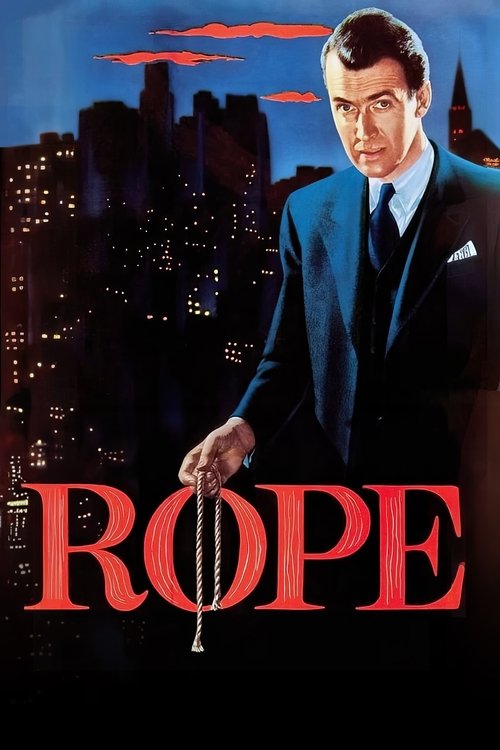
Rope1948
Hitchcock's chamber piece about two men and the tensions that simmer in a confined space. That same claustrophobic brilliance and the sense that civility is one conversation away from collapse.
But It's a stunt film—one-take style and a single room—and some viewers find it theatrical rather than cinematic.
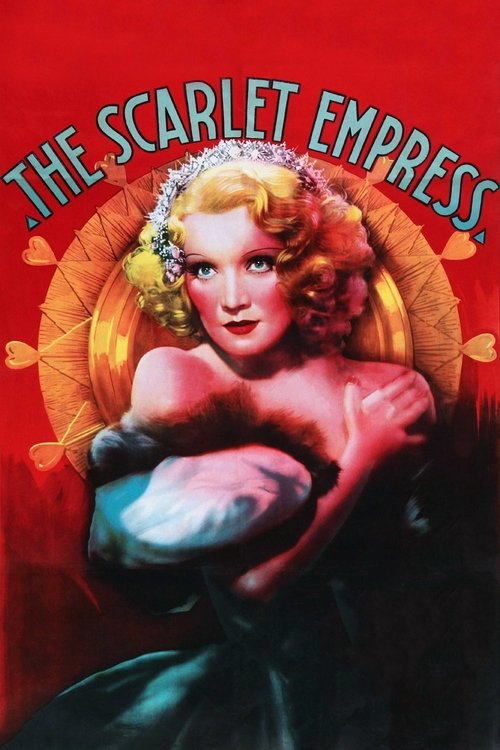
The Scarlet Empress1934
Sternberg's baroque fever dream about a woman arriving at court and seducing an empire. Equally stylized and decadent, with that same sense of eroticism as a force of nature.
But It's all surface and suggestion; plot barely exists, and if you want character development or narrative momentum, you'll be frustrated.
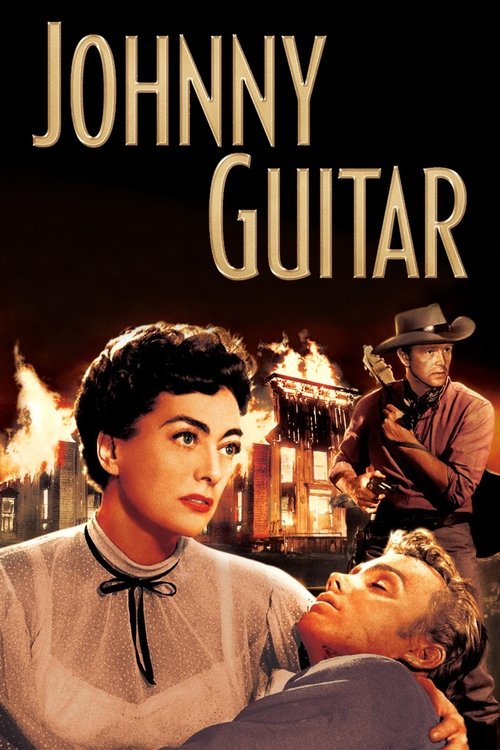
Johnny Guitar1954
Ray's peculiar Western where a woman of questionable past destabilizes an entire town. Gender-bending and genuinely strange, shot through with the same erotic tension and moral ambiguity.
But It's one of the strangest films ever made; the tonal shifts and casting choices feel utterly arbitrary if you're not tuned to Ray's wavelength.
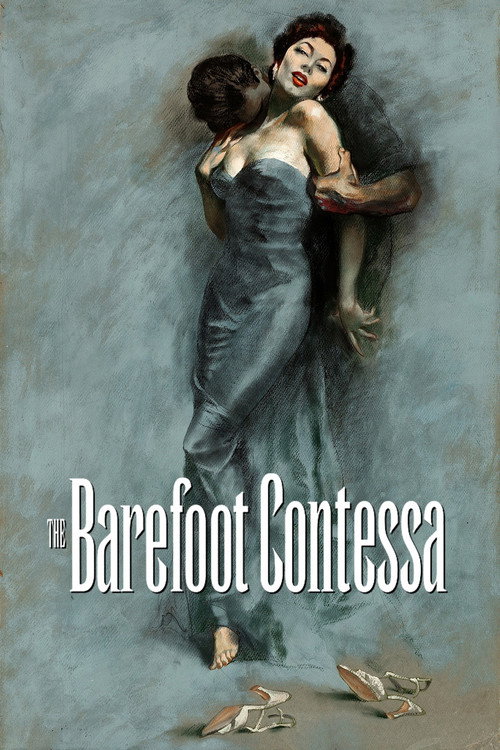
The Barefoot Contessa1954
Mankiewicz's Hollywood melodrama about a volatile woman who brings scandal and desire wherever she goes. Gorgeous, worldly, and honest about how people destroy each other.
But At nearly two and a half hours, it meanders; the episodic structure feels loose in places where Susana stays taut.
In a Lonely Place1950
Bogart and Grahame in a film about two damaged people who find each other and make it worse. Noir poetry about how attraction and suspicion are impossible to separate.
But It's subtle and interior; some will find it slow, and the ending is deliberately unresolved in a way that frustrates closure-seekers.

Mulholland Drive2001
Both deploy a woman's arrival and sexuality as the catalyst for dissolution; both suggest that what we think is happening is not what's actually happening.
Lynch's three-hour mystery about two women in Los Angeles—one vulnerable, one predatory—and the way desire warps reality itself. A century of Hollywood melodrama refracted through pure nightmare logic.
But It's deliberately non-linear and ends ambiguously; the second viewing is almost a different film. If you want answers, you will leave angry.

The Holy Mountain1973
Both use the arrival of a troubling figure to examine how desire destabilizes order; both are deeply influenced by surrealist logic and Mexican Catholic imagery, and both see eroticism as a path toward spiritual and social transgression.
Jodorowsky's surrealist masterpiece uses the structure of spiritual ascent to explore desire, corruption, and the body. Visually overwhelming and genuinely transgressive—it operates at a register between fever dream and apocalypse that Buñuel would recognize.
But It's nearly three hours of imagery designed to disturb and provoke, not clarify. There is no conventional plot. If you need a tether to narrative logic, this will feel like punishment rather than cinema.

People
Cast
 Fernando SolerDon Guadalupe
 Rosita QuintanaSusana
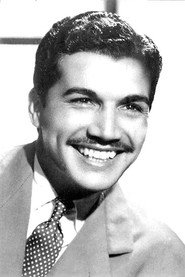
 Matilde PalouDona Carmen
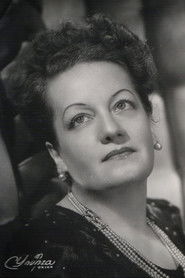 María Gentil ArcosFelisa
- Luis López SomozaAlberto
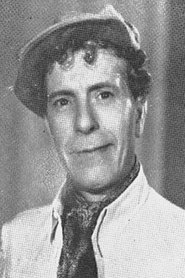 Rafael IcardoDon Severiano, veterinary
- Enrique del CastilloOfficial reformatory
- Jesús García NavarroEmpleado de Guadalupe (uncredited)
- Leonor GómezEmpleada de Guadalupe (uncredited)
Directing
- Ignacio VillarealAssistant Director
- Luis BuñuelDirector
Writing
- Manuel ReachiNovel
- Jaime SalvadorWriter
- Luis BuñuelWriter
Production
- Manuel ReachiAssociate Producer
- Sergio KoganProducer
- Fidel PizarroProduction Manager