
Film
Black Orpheus
A dreamlike, Technicolor retelling of the Orpheus myth staged during Rio's Carnaval, all samba drums, paper streamers and doomed love. It's less interested in plot logic than mood: the camera drifts through packed favela streets and moonlit hillsides while that extraordinary bossa nova score seems to compose the images itself. Watch it for the music and the sensory rush, not for subtlety.
If you liked this
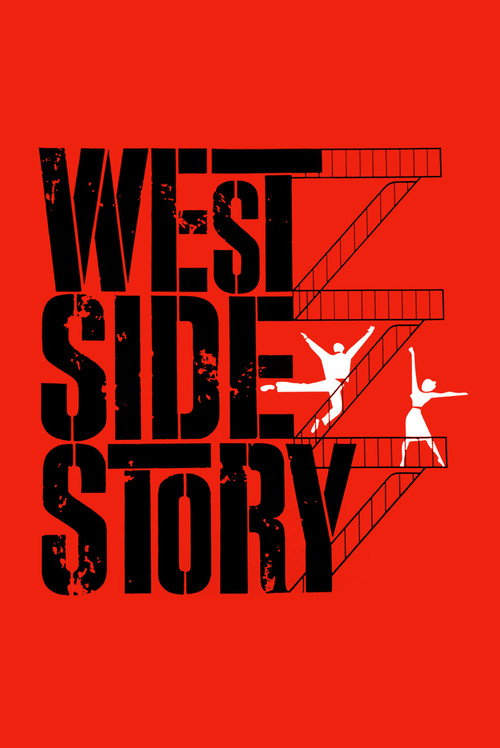
West Side Story1961
Doomed young lovers destroyed by forces bigger than them, told through dance and song, with the same faith that music can carry tragedy better than dialogue ever could.
But The gang politics and 1950s musical staging can feel dated and stagey next to Black Orpheus's loose, location-shot energy.
Carmen Jones1954no page yet
Otto Preminger's all-Black cast musical turns Bizet's opera into a hot, doomed romance, made just years before Black Orpheus and sharing its belief that old tragedy sings better than it talks.
But Some of its era's racial and gender politics feel patronizing now, and the melodrama is broader than Camus's lyricism.
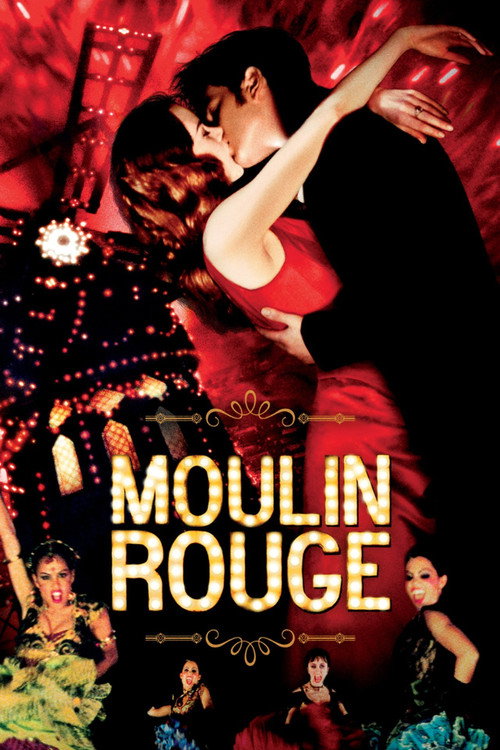
Moulin Rouge!2001
Luhrmann dresses an ancient love story in modern music and delirious colour, chasing the same high of joy curdling into loss that Black Orpheus builds its whole world around.
But It's maximalist and hyperactive where the earlier film is languid; the tonal whiplash can exhaust rather than enchant.
The wildcard
Something you would not have found on your own.
Orpheus1950no page yet
Same myth, nearly the same decade, opposite temperature — Cocteau's black-and-white Orpheus trades Carnaval joy for eerie modern Paris and a motorcycle-riding Death, proving how differently two filmmakers can dress the same underworld.
Cocteau's mirrors-as-doorways-to-death imagery is genuinely uncanny, and watching the same myth filtered through French surrealism instead of tropical spectacle reframes everything Camus chose to do differently.
But It's slower and stagier, closer to a fever dream than a party, with none of the music or warmth.
More like this (8)
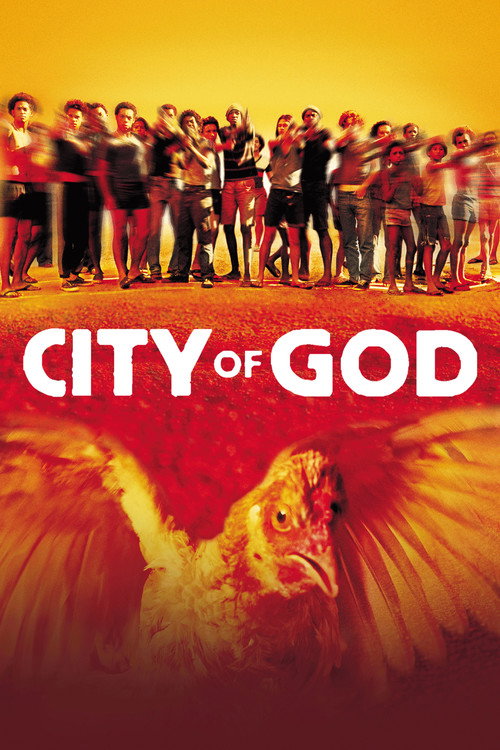
City of God2002
Same favelas, same Rio, four decades on and stripped of myth — Meirelles shows the violence that Black Orpheus's music and colour so beautifully soften.
But It's unrelentingly brutal, with none of the earlier film's tenderness, romance or lift.
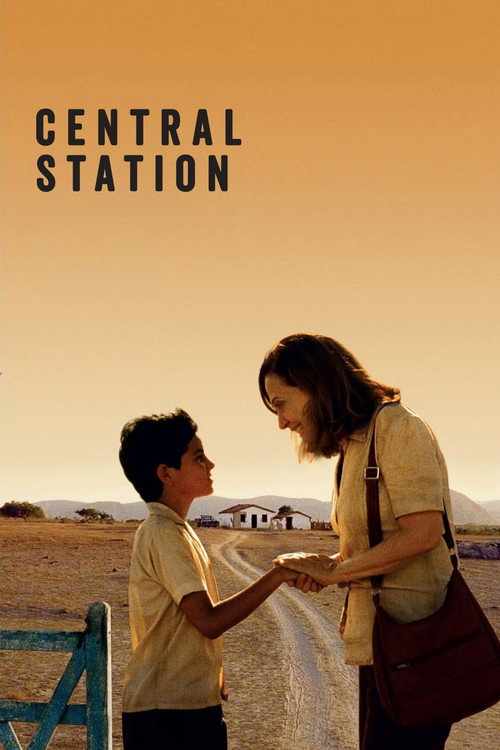
Central Station1998
Walter Salles's tender road movie shares Black Orpheus's warmth toward ordinary Brazilians and its faith that grace can survive hardship, just in a much quieter key.
But It's a slow, melancholic character study — don't expect music, spectacle, or myth.
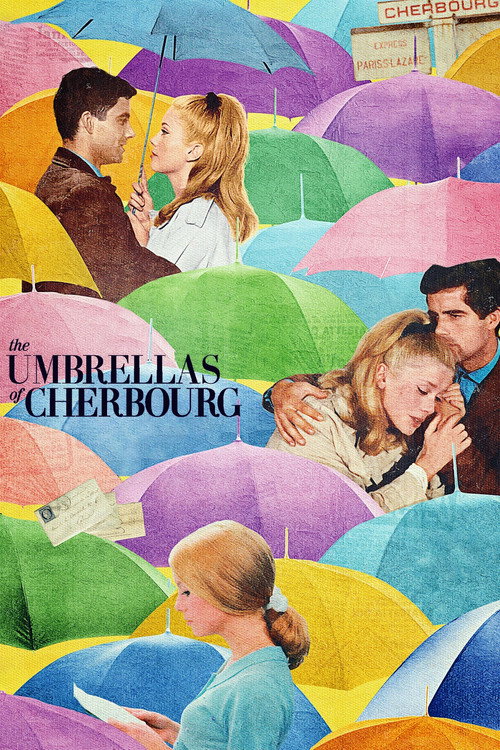
The Umbrellas of Cherbourg1964
Demy's every-word-sung romance shares Black Orpheus's conviction that tragedy is best carried by melody, tracking young love crushed by circumstance in candy-coloured frames.
But The constant singing takes adjustment, and its heartbreak is quieter and more domestic than mythic.
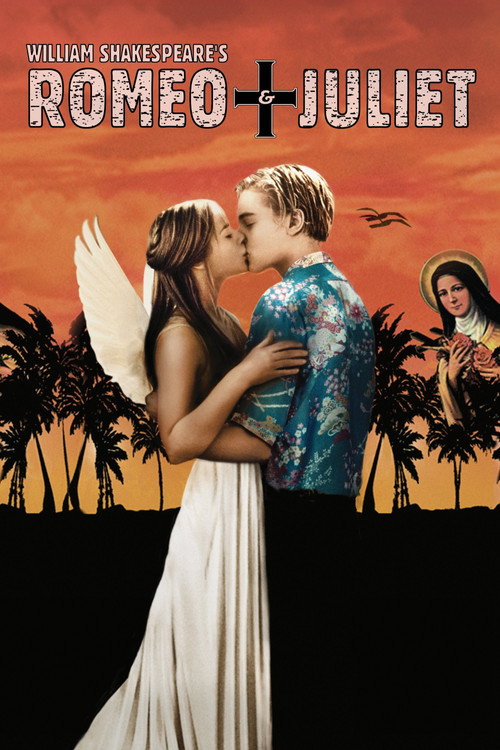
Romeo + Juliet1996
Luhrmann again, updating a doomed-lovers myth to guns and MTV energy, equally convinced that ancient tragedy needs loud colour and music to land with a modern audience.
But The frantic editing and gunplay imagery can feel like a violent, glossy fashion shoot next to Camus's warmth.
Bacurau2019no page yet
A wilder, angrier descendant — Brazilian filmmakers turning myth and genre into political statement, trading Carnaval joy for outback fury.
But It's a violent genre thriller with none of the lyricism; go in expecting shock, not romance.
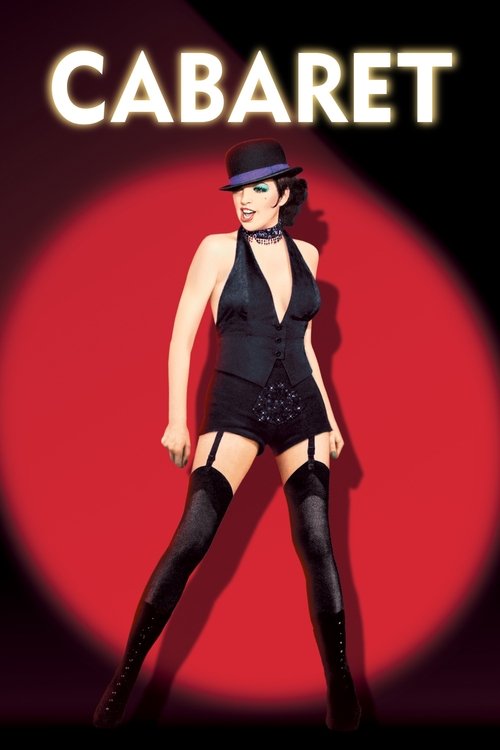
Cabaret1972
Another film where song and spectacle mask encroaching darkness, where joy and doom share the same stage until history crashes the party.
But Its politics — Weimar Berlin, rising fascism — are heavier and colder than Black Orpheus's tropical fatalism.
Rio, 100 Degrees F°1955no page yet
Made four years earlier by a Brazilian director in the same city during the same Carnaval season, it shows the favelas Black Orpheus mythologizes, minus the gloss — the neorealist answer to a foreigner's romantic gaze.
It's a fierce, clear-eyed rebuttal in advance, showing real Rio hardship and joy without turning anyone into Orpheus or Eurydice — essential context for what Black Orpheus leaves out.
But It's hard to find with good subtitles, and its rough, handheld neorealism will feel like a deliberate comedown after Camus's lushness.
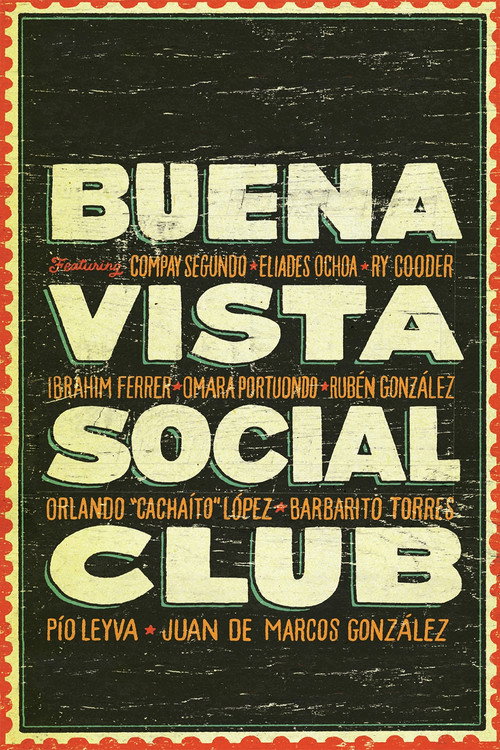
Buena Vista Social Club1999
Swap Rio for Havana and myth for real life — Wenders' documentary about aging Cuban musicians captures the same conviction that music can make mortality and poverty bearable, this time with no script at all.
The music is extraordinary and the musicians' joy is unstaged; it's the real-world, unmythologized cousin of Black Orpheus's belief that a song can hold off death.
But It's a gentle, meandering documentary with barely any narrative pull — a mood piece for people who want the music, not the drama.
People
Cast
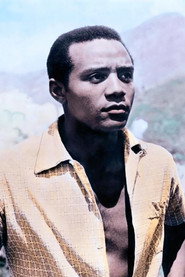 Breno MelloOrfeo
 Marpessa DawnEurydice
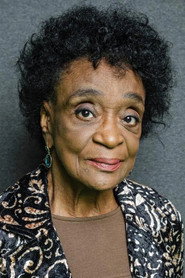 Léa GarciaSerafina
- Waldetar De SouzaChico
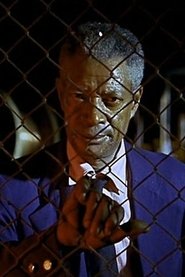 Alexandre ConstantinoHermes
- Jorge Dos SantosBenedito
- Aurino CassianoZeca
- Maria AliceLittle Girl
 Marcel CamusErnesto
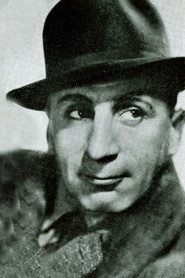 Fausto GuerzoniFausto
Directing
- Marcel CamusDirector
- Robert MazoyerFirst Assistant Director
Writing
- Jacques ViotAdaptation
- Marcel CamusAdaptation
- Jacques ViotDialogue
- Marcel CamusDialogue
- Jacques ViotScreenplay
- Vinicius de MoraesTheatre Play
Production
- Roger BlacheLine Producer
- Silvio AutuoriLine Producer
- Sacha GordineProducer
- Bartholomeu De AndradeProduction Assistant
- Jacques GibaultProduction Manager
- Victor KerdoncuffPublicist