
Film
Prince: Sign 'o' the Times
- Musical
- Light-hearted
Prince's 1987 concert film captures him at peak creative power, performing the Sign o' the Times album live with his touring band. It's visually inventive—Prince directing himself with the precision he brings to everything—and the musicianship is ferocious. This is a document of an artist at war with convention, and it crackles with that electricity. For anyone who loves Prince, or live performance, or simply watching a master at work.
Should you watch it?
Watch it if you want to watch a performer at the height of his powers, with the camera mostly staying on the stage and letting the songs and the band carry the show.
Skip it if you come for stories, interviews or backstage context; this is a concert film, with no talking heads and little explanation beyond the music itself.
What it asks of you: About eighty-four minutes of uninterrupted attention to music, with a flashy, funk-rock energy that moves quickly and rewards you for simply staying in the room.
Not sure? Find tonight's pick in a minute.
If you liked this
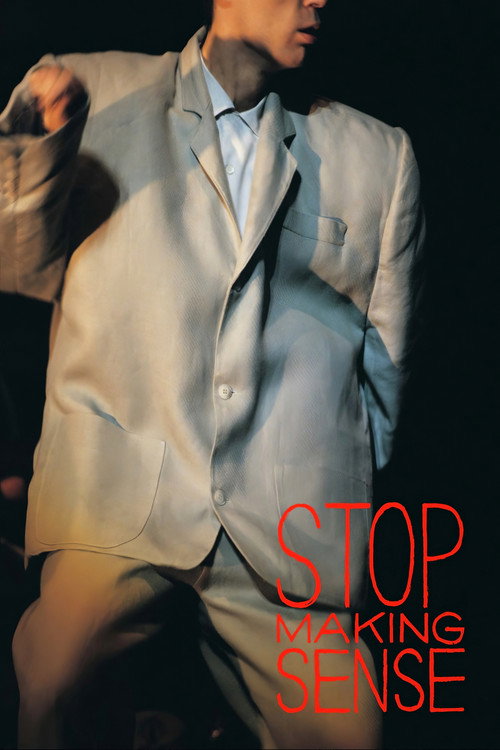
Stop Making Sense1984
Talking Heads' concert film set the template for what a music documentary could be: formally inventive, propulsive, genuinely moving. David Byrne and Jonathan Demme made something that transcends the form.
But It's from the eighties and the production aesthetic is decidedly of that moment. If post-punk art-rock leaves you cold, this won't convert you.
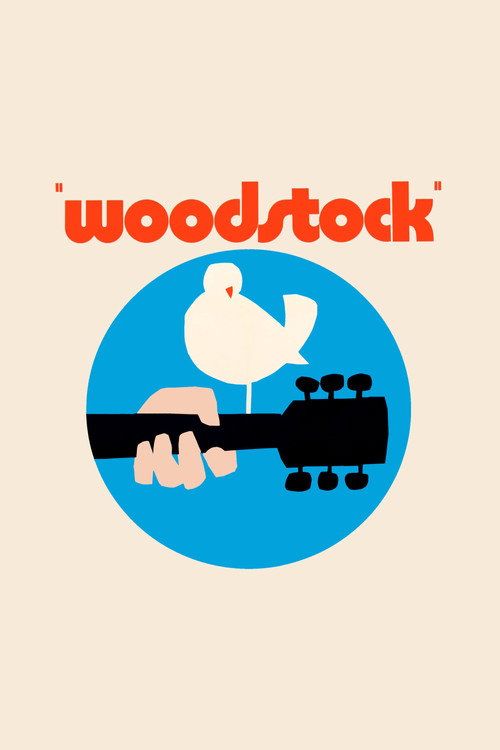
Woodstock1970
Three hours of the festival that shaped a generation, directed with real artistry by Michael Wadleigh. The performances are extraordinary and the social moment it captures feels genuinely urgent.
But The pacing is deliberate and the film trusts you to sit with long musical sequences. Modern audiences sometimes find it slow.
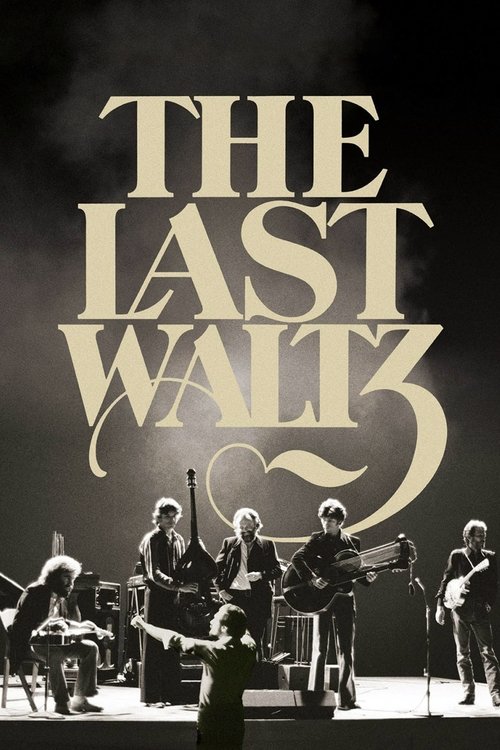
The Last Waltz1978
Martin Scorsese filmed The Band's final concert with the precision of a master. The guest performers alone—Dylan, Van Morrison, Eric Clapton—make it essential. It's a film about legacy and farewell, not just a concert.
But It's elegiac and sometimes melancholy. If you want pure joy and energy, this trades some of that for reflection.
Not sure tonight? Get a pick in a minute, starting from Prince: Sign 'o' the Times
The wildcard
Something you would not have found on your own.
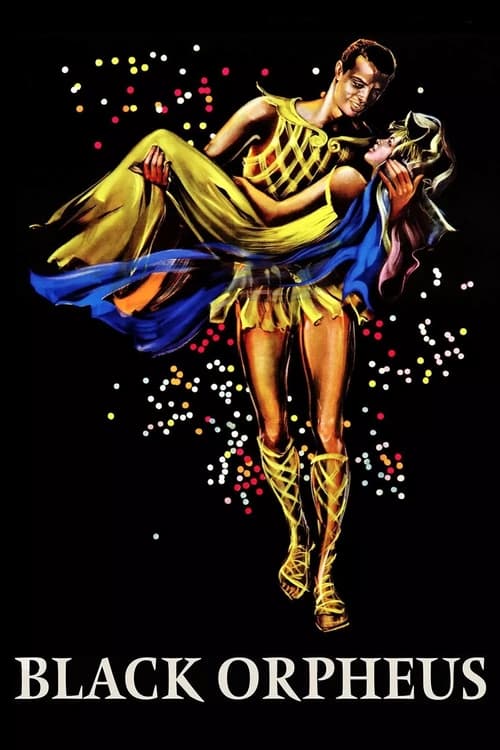
Black Orpheus1959
Prince's Sign o' the Times uses music to express what words can't quite reach; Black Orpheus does the same thing. Both are about a performer whose very presence transforms the world around them. Both understand music as transcendence, not decoration.
A Brazilian retelling of the Orpheus myth set during Carnival, drenched in samba and visual beauty. The music isn't just accompaniment—it's the engine of the story. It's joyful, sensual, and genuinely alive in a way most films aren't.
But The plot is thin and sometimes feels like an excuse for the music and setting. Also, it's from 1959 and the film has uncomfortable attitudes embedded in it.
More like this (4)
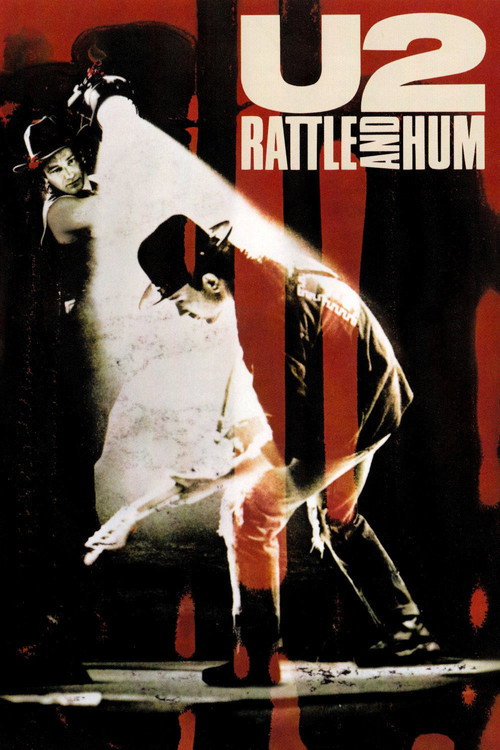
U2: Rattle and Hum1988
U2 during their Joshua Tree Tour, mixing live performance with documentary. The scale is enormous, the songs are massive, and there's real craft in how it's assembled. Phil Joanou directs with genuine ambition.
But The mixing of concert footage with narrative moments can feel cluttered. U2's earnestness isn't for everyone.
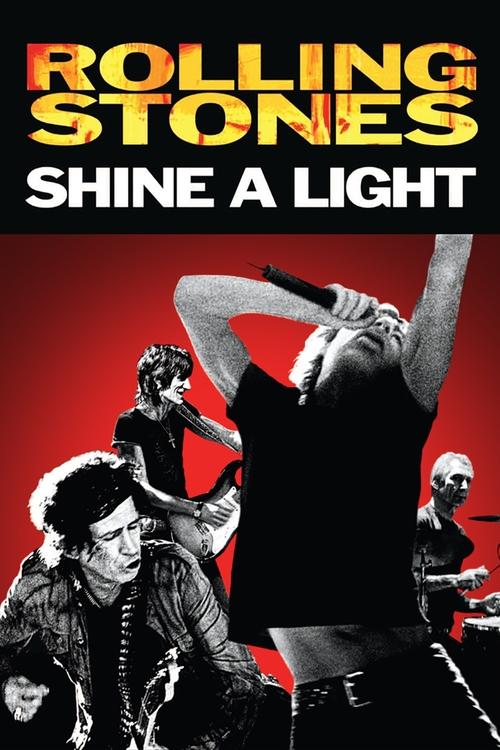
Shine a Light2008
Scorsese directed the Rolling Stones at the Beacon Theatre. He brings his full visual vocabulary to the concert form—it's not just pointing cameras at the stage. The Stones remain electric.
But It's a Scorsese film first and a concert film second. Some fans find his directorial choices intrusive.
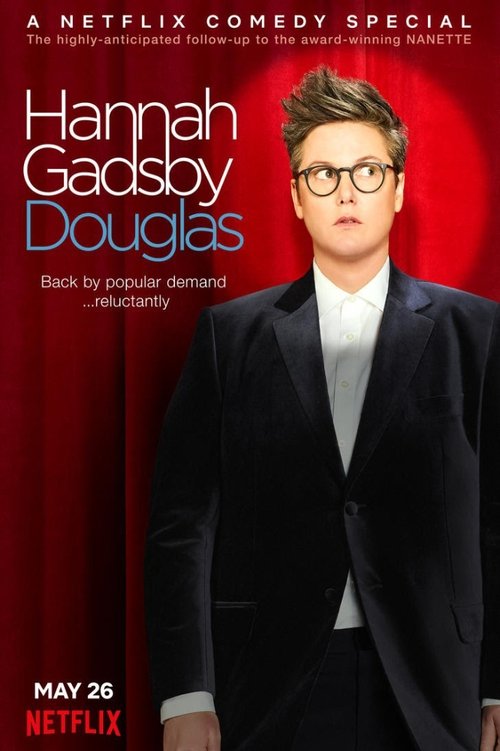
Hannah Gadsby: Douglas2020
A stand-up concert film that's as formally inventive as Prince's work—Gadsby and director Josephine Lorentzen treat stand-up like Prince treats a concert stage. Smart, funny, and beautifully made.
But It's comedy, not music, so the form might feel like a category error. Some find Gadsby's persona exhausting.
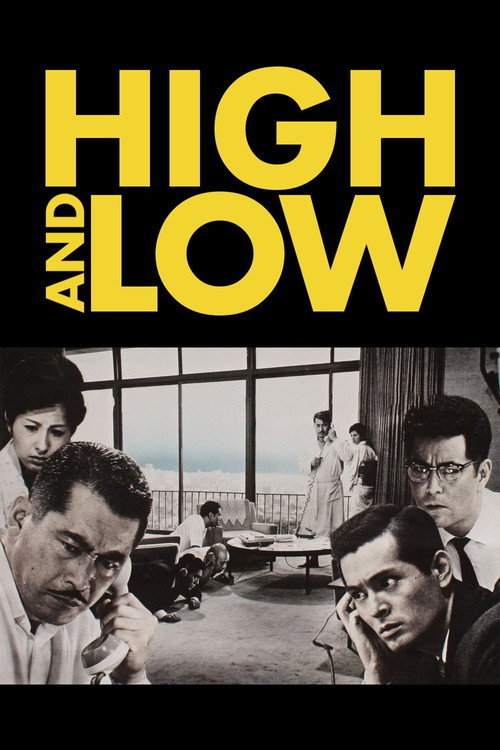
High and Low1963
Both are films by an artist directing themselves in a context where they have total control. Both are documents of mastery—the precision, the refusal to waste a frame, the sense that every choice matters. Both are about what it looks like when someone refuses to bend to commercial pressure.
Kurosawa's masterpiece about class and morality, obsessively paced and visually devastating. It has nothing to do with music, but it has everything to do with Prince's era and sensibility—a work of total formal control by an artist who refuses compromise. Black and white, lean, exact.
But It's a crime thriller that gets very dark. Nearly three hours long and it earns every minute, but patience is required. And it's absolutely not a concert film in any way.
People
Cast
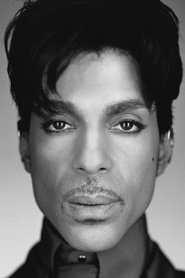 PrinceSelf
 Sheila E.Self
 Levi Seacer Jr.Self
 Miko WeaverSelf
- Dr. FinkSelf
- Boni BoyerSelf
- Eric LeedsSelf
- Atlanta BlissSelf
- Cat GloverSelf
- Wally SaffordSelf
 Sheena EastonSelf
- Greg BrooksSelf
Directing
- PrinceDirector
Production
- Simon FieldsCo-Producer
- Joseph RuffaloProducer
- Robert CavalloProducer
- Steven FargnoliProducer
- Victoria NilesProduction Manager
Recommended by
Wattstax, Stop Making Sense, David Byrne's American Utopia, Soundbreaking, Purple Rain, Queen: Live at Wembley Stadium, Let's Go Crazy: The Grammy Salute to Prince