
Film
Woodstock
Michael Wadleigh's three-and-a-half-hour document of the 1969 festival is less a concert film than a mural: split screens, mud, half a million kids, and a handful of astonishing sets from Hendrix, Sly Stone, and The Who. It's patient and shaggy, more interested in the crowd's mood than tight editing, and it rewards the kind of viewer happy to just sit in that field with them.
If you liked this
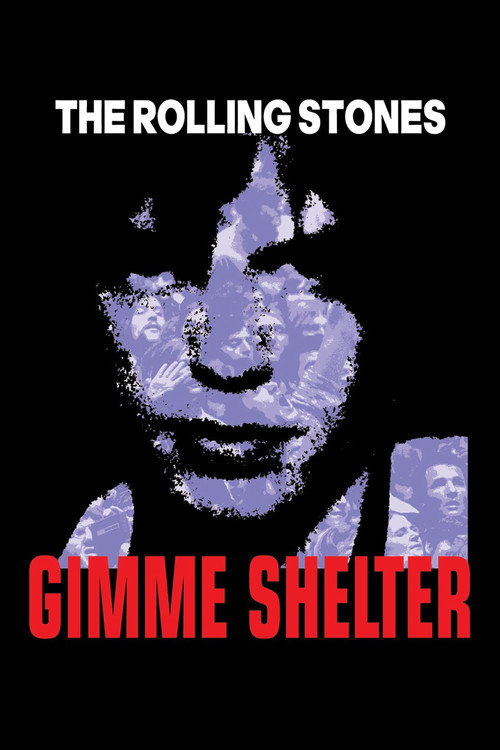
Gimme Shelter1970
The Rolling Stones' Altamont show, filmed months after Woodstock, is the bad trip that answers this film's good one — same era, same cameras-as-witness style, opposite outcome.
But It's tense and eventually genuinely disturbing; not the communal high Woodstock offers.
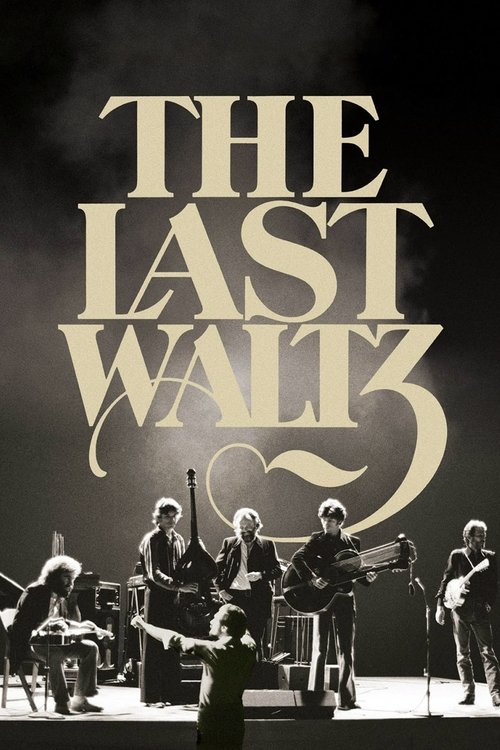
The Last Waltz1978
Scorsese directs The Band's farewell concert with more control and craft than Woodstock ever attempts — gorgeous lighting, real interviews, a sense of an era closing rather than opening.
But Tighter and slicker means less of that raw, unruly crowd energy — this is theatre, not a happening.
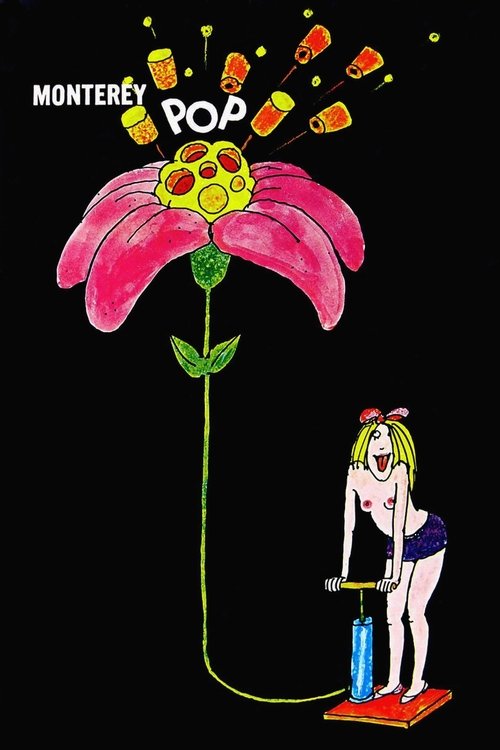
Monterey Pop1968
Pennebaker's film of the 1967 festival is Woodstock's direct ancestor — shorter, sharper, and with Hendrix and Janis Joplin performances that feel like lightning caught on purpose.
But At under 90 minutes it's a shot of espresso next to Woodstock's long, wandering afternoon.
The wildcard
Something you would not have found on your own.
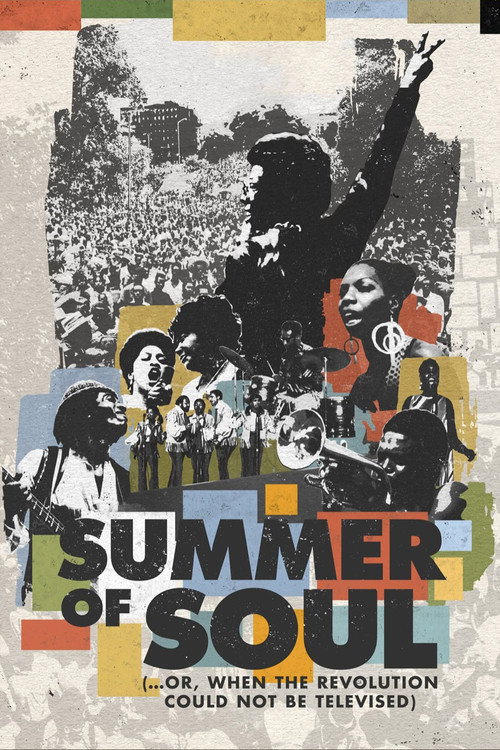
Summer of Soul (...Or, When the Revolution Could Not Be Televised)2021
Same summer, same instinct to film a generation gathering — but this crowd, and this footage, got buried for half a century because of who was in it.
The Harlem Cultural Festival happened the same summer as Woodstock, drew comparable crowds, and vanished from cultural memory until this film unearthed the tapes fifty years later.
But Its power comes partly from injustice and erasure — it's a joyful watch shadowed by real anger.
More like this (8)
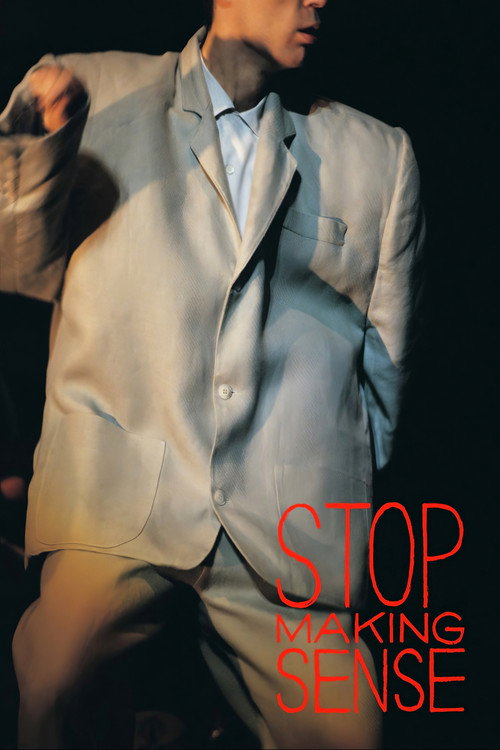
Stop Making Sense1984
Jonathan Demme's Talking Heads film proves a concert movie can be pure choreography and design rather than documentary sprawl — if you want precision after all that mud, this is it.
But No crowd footage, no cultural moment — it's a stage show, deliberately airless and controlled.
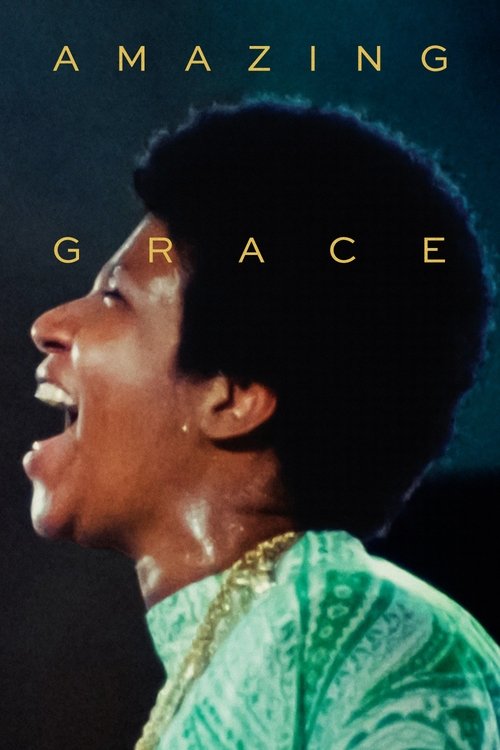
Amazing Grace2018
Aretha Franklin recording her gospel album live in a small LA church, shot in 1972 and shelved for decades — the opposite of a festival, and just as overwhelming.
But No crowds, no cameras roaming — it's one voice, one room, and a much quieter kind of intensity.
Festival Express2003no page yet
Janis Joplin, The Band, and the Grateful Dead crossing Canada by train in 1970, drinking and jamming between shows — assembled decades later from footage nobody knew still existed.
But Looser and boozier than Woodstock, with less sense of history being made in real time.
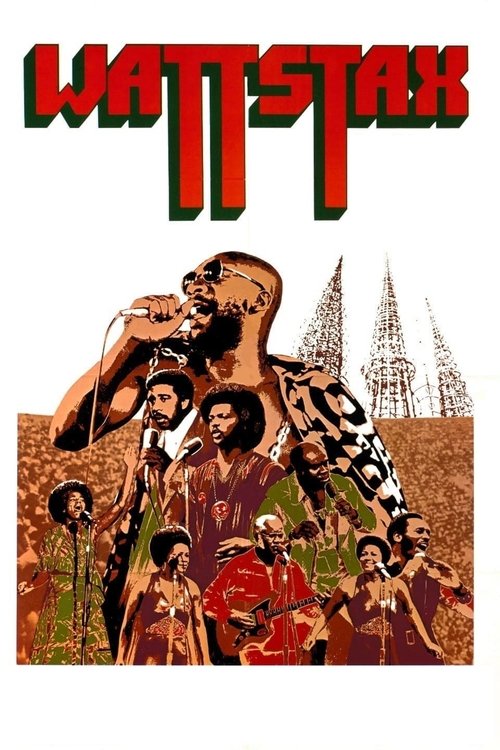
Wattstax1973
The 1972 Stax Records concert at the LA Coliseum, filmed as a Black cultural counterpart to Woodstock, with the same sprawling, community-portrait instincts and a killer soundtrack.
But Harder to find than the bigger names on this list, and the pacing is similarly unhurried.
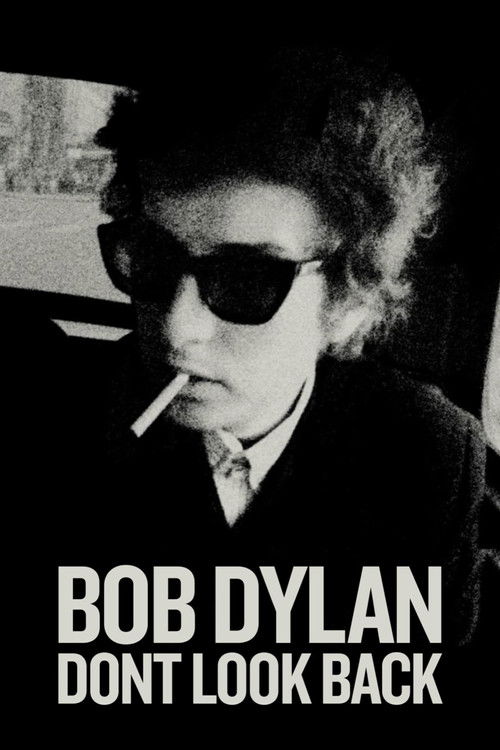
Bob Dylan – Don't Look Back1967
Pennebaker's fly-on-the-wall Dylan tour film is the fingerprint style Woodstock borrows — no narration, no hindsight, just a camera trusting the moment to be interesting.
But It's one prickly, guarded man on tour buses and in hotel rooms, not a mass gathering.
The Who: The Kids Are Alright1979no page yet
A full history of The Who assembled from decades of footage, including their own Woodstock set — good if that performance was your favourite and you want the whole story.
But Scattershot and fan-servicey by design; it's a victory lap, not a cultural document.
Woodstock 99: Peace, Love, and Rage2021no page yet
It's the same festival name and the same dream of communal transcendence, restaged a generation later and revealing exactly what conditions made 1969 work and 1999 fail.
A documentary about the disastrous 30th-anniversary revival — fires, riots, a festival built on nostalgia for the original that curdled into something closer to a warning.
But Genuinely upsetting in parts; this is Woodstock's utopian myth shown decomposing in real time.
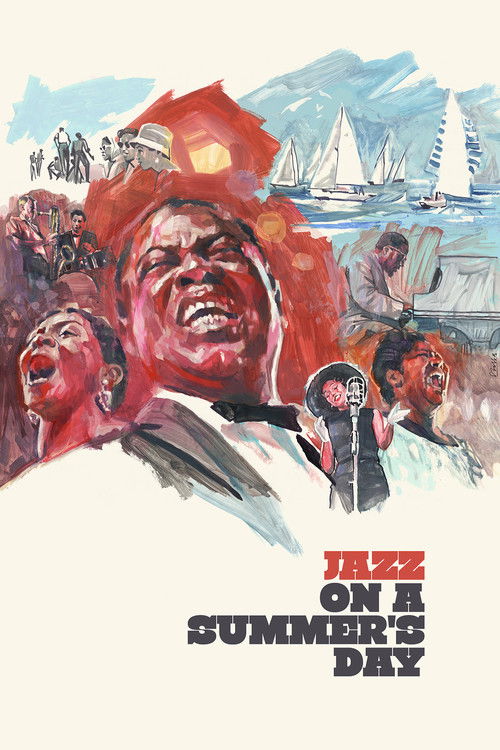
Jazz on a Summer's Day1960
Woodstock's whole visual grammar — cutting between the stage and the sprawled, sunbathing crowd — comes straight from this earlier, gentler film about a very different kind of American gathering.
A decade before Woodstock, this film of the Newport Jazz Festival invented the sun-drenched, crowd-watching concert documentary style — Louis Armstrong and Thelonious Monk instead of Hendrix.
But Cooler and far more decorous; no mud, no chaos, just linen suits and sailboats in the harbour.
People
Cast
 Richie HavensSelf
 Joan BaezSelf
 Roger DaltreySelf - The Who
 John EntwistleSelf - The Who
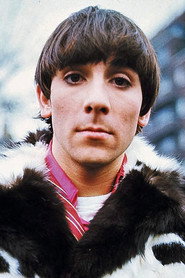 Keith MoonSelf - The Who
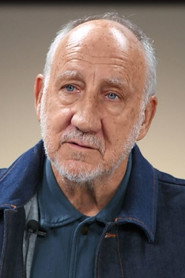 Pete TownshendSelf - The Who
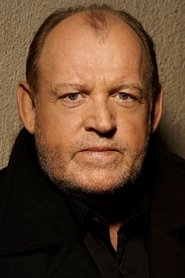 Joe CockerSelf
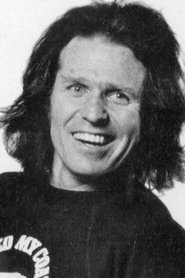 Country Joe McDonaldSelf - Country Joe and the Fish
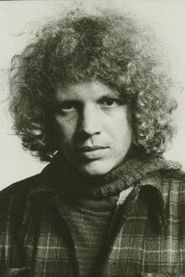 Barry MeltonSelf - Country Joe and the Fish
- Greg DeweySelf - Country Joe and the Fish
- Mark KapnerSelf - Country Joe and the Fish
- Doug MetznerSelf - Country Joe and the Fish
Directing
- Martin ScorseseAssistant Director
- Thelma SchoonmakerAssistant Director
- Michael WadleighDirector
Writing
- Michael WadleighScreenplay
Production
- Dale BellAssociate Producer
- Bob MauriceExecutive Producer
- Lewis TeagueProduction Manager
- Sonya PolonskyProduction Manager
Recommended by
Gimme Shelter, Summer of Soul (...Or, When the Revolution Could Not Be Televised), Jazz on a Summer's Day, The Last Waltz, Stop Making Sense, Monterey Pop, David Byrne's American Utopia