
Film
Calle 54
- Musical
- Light-hearted
Calle 54 is Fernando Trueba's love letter to New York's Latin jazz scene, built around intimate performances from living legends. It's less documentary than concert film—a groove-based journey through three generations of musicians reshaping jazz through Cuban, Puerto Rican, and Afro-Caribbean rhythms. Essential for anyone who wants to understand where contemporary jazz went.
If you liked this
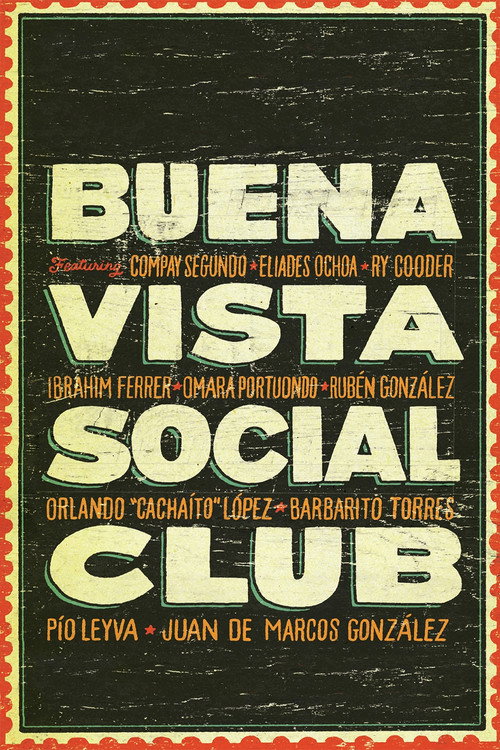
Buena Vista Social Club1999
Wim Wenders captured aging Cuban musicians rediscovering their voices after decades of silence. Gorgeous, elegiac, and deeply moving—a companion piece about tradition and legacy from a slightly different angle.
But It's a slow meditation rather than a straight documentary. If you want plot momentum or narrative arc, this patient approach might test your patience.
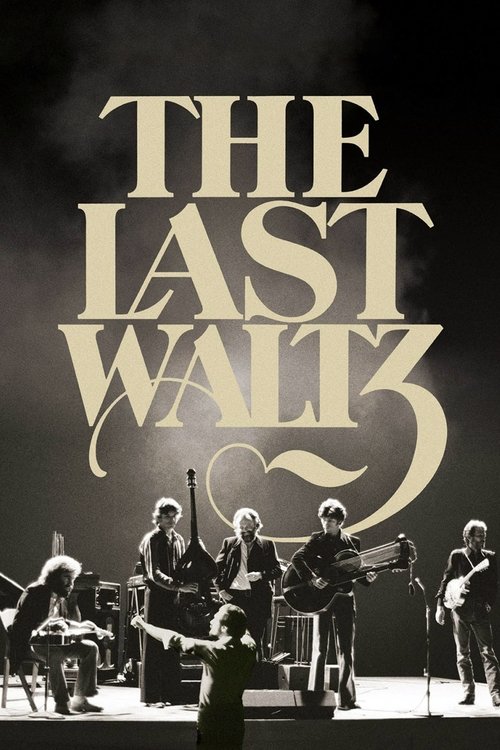
The Last Waltz1978
Martin Scorsese filmed The Band's final concert with the same reverence Trueba brings to Calle 54. A masterclass in capturing live music as something sacred, not just a recording of sound.
But Rock music, different era, very different cultural context. The connection is formal rather than sonic—you're watching a different tradition filmed with similar devotion.
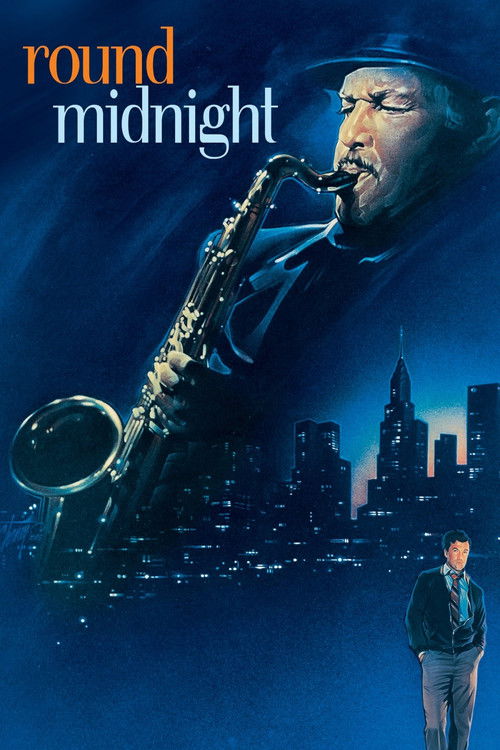
'Round Midnight1986
Dexter Gordon plays a saxophonist navigating exile and artistic compromise. It's jazz cinema that actually captures the music's melancholy and intellectual depth without overdoing the romance of suffering.
But The plot can feel thin beneath the performance sequences. Some viewers find the narrative framework intrusive rather than illuminating.
Not sure tonight? Get a pick in a minute, starting from Calle 54
The wildcard
Something you would not have found on your own.
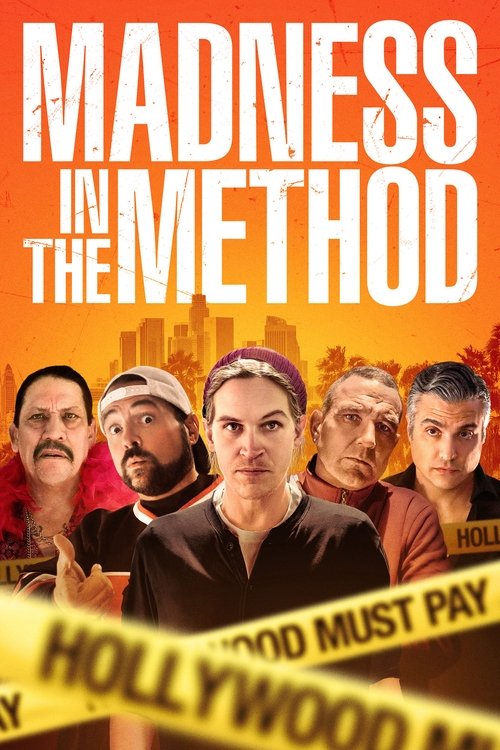
Madness in the Method2019
Both trust musicians to reveal themselves through performance and creative process rather than external commentary. Both are records of a specific place, time, and artistic lineage.
A documentary about Wu-Tang Clan's creation, built almost entirely through performance, interview, and archival footage with minimal narration. Same structure as Calle 54, entirely different music—watch how the formal language stays alive across genres.
But Hip-hop, not jazz. Shot on video, not film. Completely different era and cultural context. The aesthetic is rawer and more explicitly confrontational.
More like this (5)
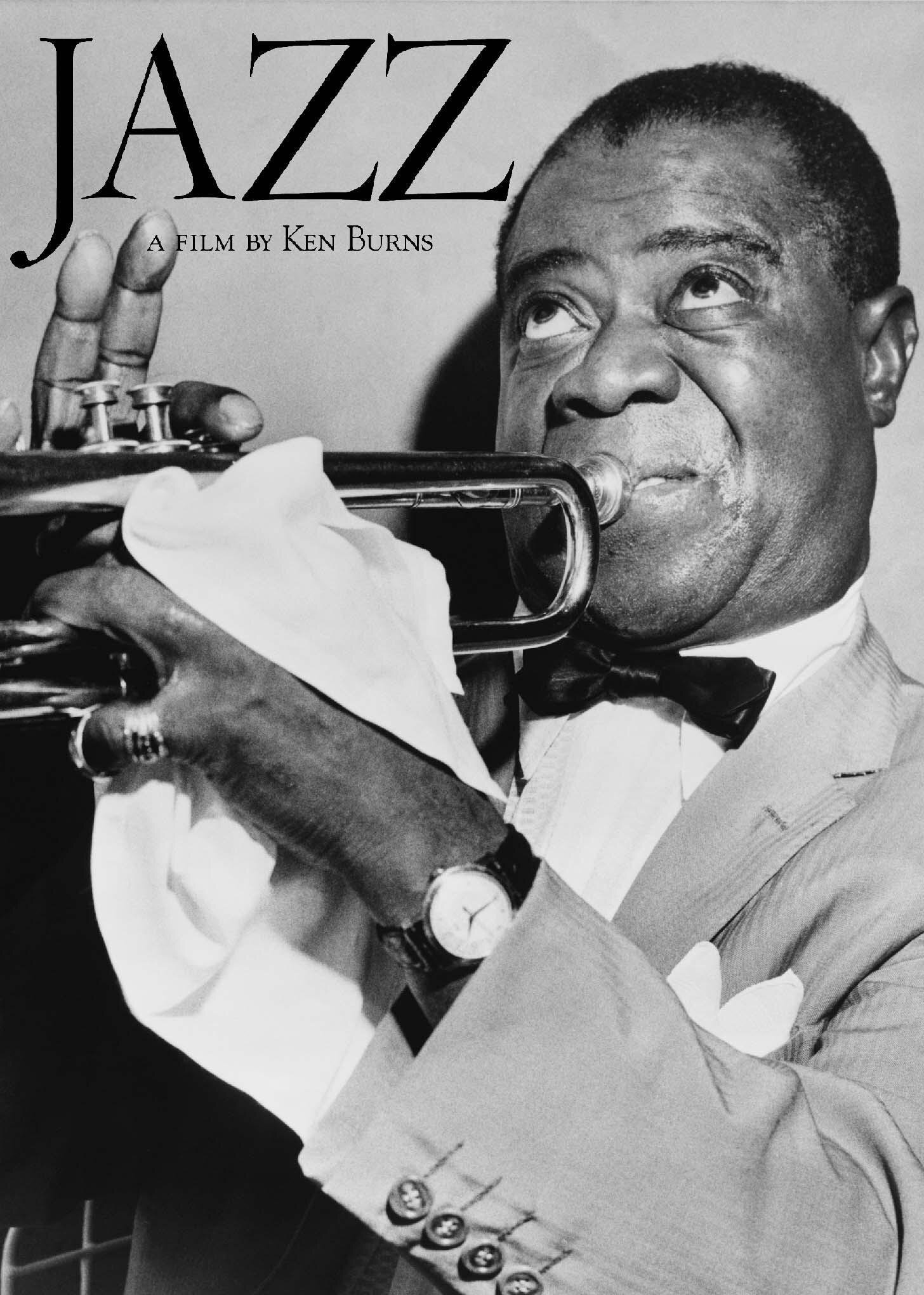
Jazz2001
Ken Burns's series came out a year after Calle 54 and covers similar historical ground. If you want deeper context for the tradition Calle 54 celebrates, this is the authoritative companion.
But Ten hours is a commitment. It's also a PBS historical document, not a concert film—the energy and immediacy are completely different.
Searching for Sugar Man2012
Another music documentary that prizes performance and mystery over exposition. It has the same quality of revelation—discovering something vital that the world almost forgot.
But The music is folk-rock, not jazz. The structure is detective story rather than pure concert. You're getting a different thing, even if the feeling is adjacent.
Woodstock1970
The canonical concert documentary. If you love Calle 54's immersion in live performance, Wadleigh's film shows how that language was invented. Messy, ecstatic, genuinely moving.
But Three and a half hours. The cultural moment is very specific and very far away. The sound recording is muddy by modern standards.
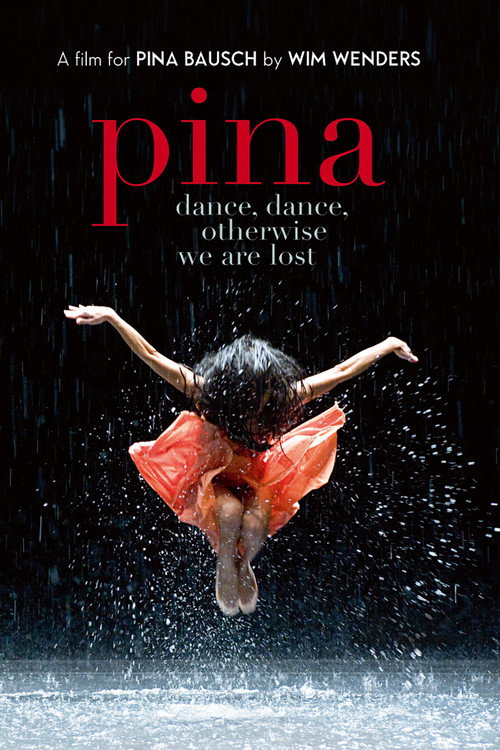
Pina2011
Wenders again, but this time filming dance. It has the same quality of capturing movement and improvisation as something almost sacred. The energy is closer to Calle 54 than you'd expect.
But It's about dance, not music. If you want the Latin jazz scene specifically, you're in a different aesthetic zone.
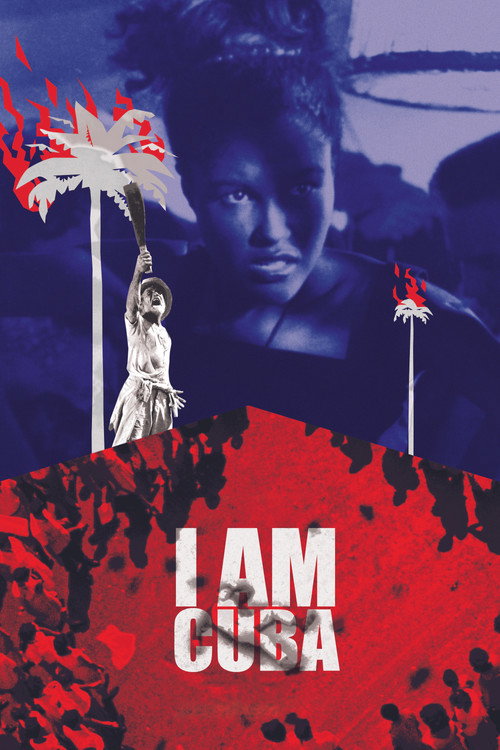
I Am Cuba1964
Both center Cuban and Caribbean musical tradition as defining American cultural history. Both were made by outsiders (Kalatozov Russian, Trueba Spanish) who saw something others had missed.
Kalatozov's visually ravishing propaganda film uses music (including classic Cuban material) as its emotional core alongside Urusevsky's revolutionary cinematography. It's a reminder that Latin Caribbean music and image-making have always been inseparable—Calle 54 is part of that larger tradition.
But It's a political document from a complicated moment that many viewers find troubling. The narrative is schematic, the style is overwhelming. It's also not a music film first—the politics matter.
People
Cast
- Michel CamiloHimself
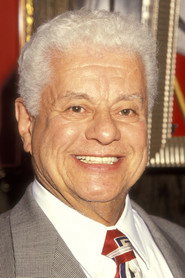 Tito PuenteHimself
- Arturo O'FarrillPiano
Directing
- Fernando TruebaDirector
Writing
- Fernando TruebaWriter