
Film
I Am Cuba
A Soviet-Cuban co-production that photographs Havana as if it were a character undergoing transformation. Four interlocking stories trace the revolution's human cost through a casino hostess, a tenant farmer, students, and peasants. Visually audacious and politically engaged, it moves with operatic intensity rather than documentary precision. For viewers who want cinema that swings for something larger than itself.
Should you watch it?
Watch it if you are drawn to films where the camera does the storytelling, and you don't mind a loud, operatic political argument if the images are bold enough to carry it.
Skip it if you want a tight, character-driven story, because this is four loosely linked episodes, each with its own voice, and its propaganda-style speechifying can feel blunt.
What it asks of you: Roughly two and a half hours of deliberate pacing, with long, unbroken camera moves that linger on crowds and faces, and a mood that swings between lyrical and hectic.
Not sure? Find tonight's pick in a minute.
If you liked this
The Battle of Algiers1966
A Pontecorvo masterpiece about urban insurgency and colonial occupation, shot with the same urgent realism and moral complexity. If *I Am Cuba* made you feel the revolutionary moment, this will make you understand its tactics and contradictions.
But Black and white, long takes, deliberately distancing you from easy identification. Demands intellectual engagement as much as emotional one.

Memories of Murder2003
Bong Joon-ho's portrait of a nation in transition, where individual morality fractures against historical upheaval. Shares *I Am Cuba*'s refusal to let politics become abstract—it lives in bodies, obsessions, faces.
But A serial killer procedural that pivots into something much stranger. If you want straightforward storytelling, the tonal shifts will frustrate you.

Man with a Movie Camera1929
Dziga Vertov's Soviet experimental vision of a society in motion, pure visual poetry about collective life. The spiritual ancestor of *I Am Cuba*'s camera work—both films use the city itself as protagonist.
But No plot, no dialogue, no narrative. It's a symphony of images. You need patience and willingness to read cinema formally.

Not sure tonight? Get a pick in a minute, starting from I Am Cuba
The wildcard
Something you would not have found on your own.
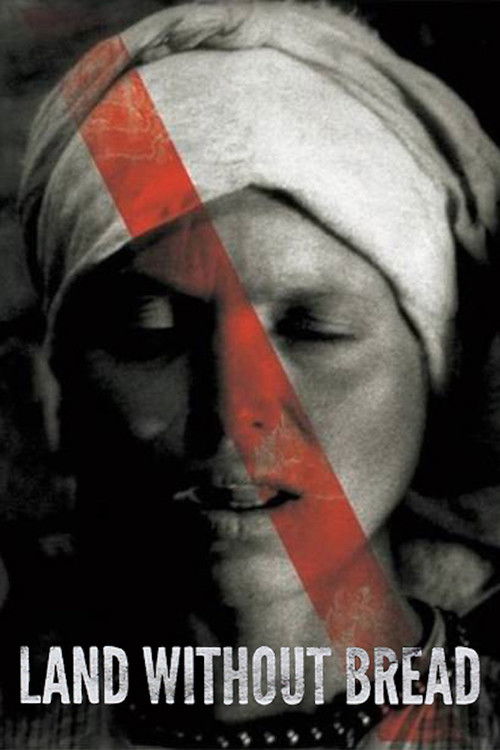
Land Without Bread1933
Both films weaponize gorgeous cinematography against brutal social conditions—beauty used as accusation rather than escape.
Buñuel's documentary-that-isn't, photographing Spanish poverty with surreal detachment and cold fury. Like *I Am Cuba*, it uses the camera to ask what responsibility the viewer bears toward suffering, and refuses to make witnessing feel comfortable or redemptive.
But Deliberately provocative and formally strange. Its mockumentary structure and Buñuel's ironic narration can read as exploitation to modern eyes.
More like this (8)
The Godfather Part II1974
Coppola's parallel structure—young Vito ascending, Michael corrupting—mirrors *I Am Cuba*'s interlocking narratives. Both films understand how historical currents shape individuals, and how individuals shape history in return.
But Three hours and forty minutes. The mafia saga can feel like settling in for a semester, not an evening.

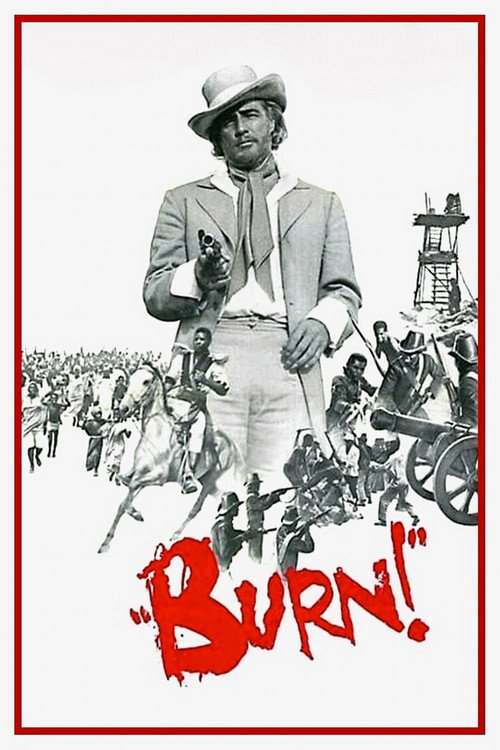
Burn!1969
Gillo Pontecorvo's follow-up to *Battle of Algiers*, examining colonialism and revolution through a sugar island uprising. Same director's meditation on the same themes, but filtered through the specific textures of plantation economies.
But Marlon Brando's performance is mannered and distracting. The political argument sometimes overwhelms the human storytelling.
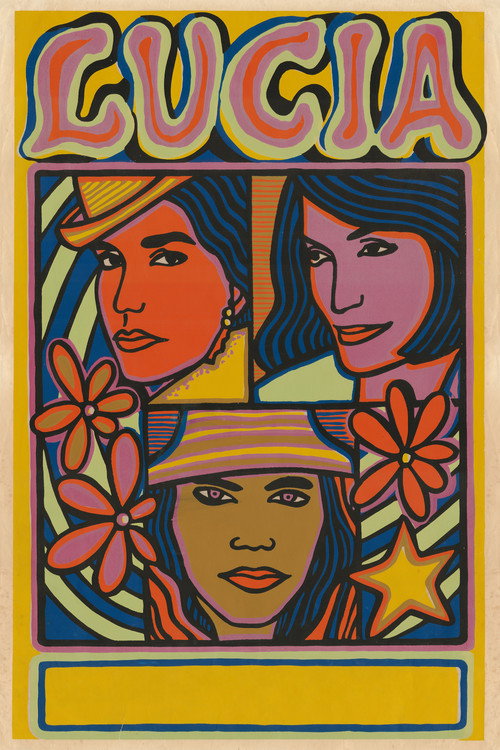
Lucía1968
Humberto Solás's Cuban film spanning three historical moments through three women named Lucia. Experimental and structurally daring, it shares *I Am Cuba*'s commitment to revolution as lived experience rather than historical event.
But Three separate stories in different styles can feel fragmented. The formal experiments are sometimes more interesting than the characters.
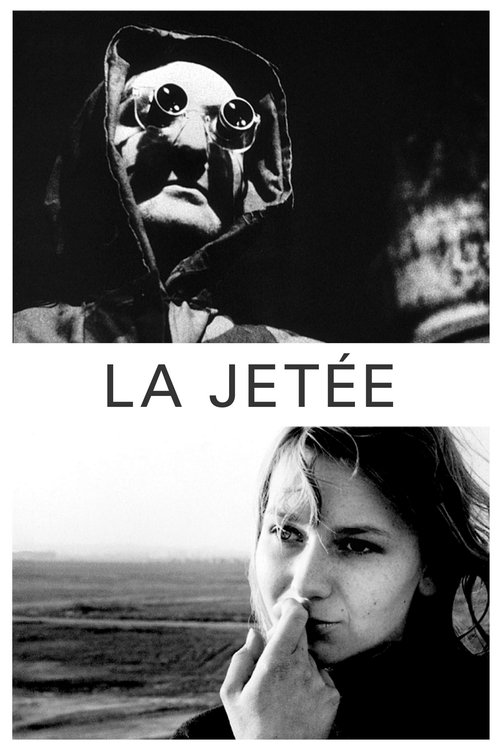
La Jetée1962
Chris Marker's essay-film about memory, time, and the images that haunt us. Like *I Am Cuba*, it trusts the camera to carry philosophical weight and treats cinema as thought made visible.
But A 28-minute film made almost entirely of still photographs with narration. If you need conventional motion and dramatic momentum, it will feel like watching a slideshow.
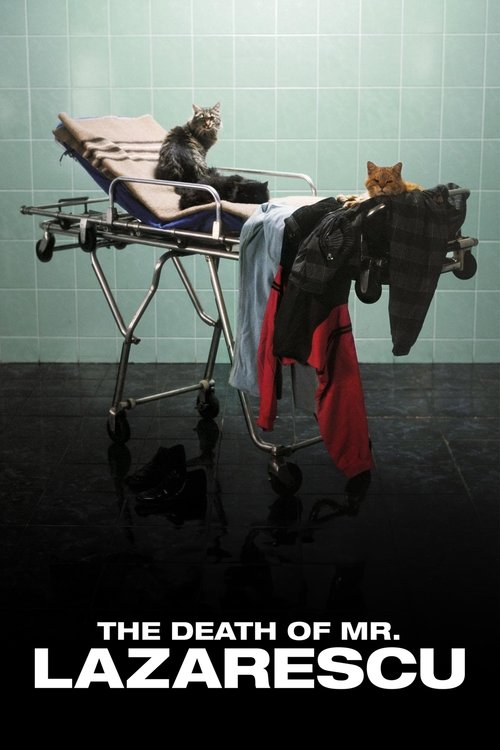
The Death of Mr. Lazarescu2005
Cristi Puiu's exhausting, brilliant portrait of a man failing within systems that don't care. Both films see the political through the lens of the helpless individual, though this one finds tragedy in bureaucracy rather than revolution.
But Almost three hours of an old man's medical nightmare in Bucharest. Deliberately unglamorous and bleak in a way that tests endurance.
Stalker1979
Tarkovsky's metaphysical meditation on desire and meaning within a broken world. Slow, poetic, and concerned with how systems shape consciousness—philosophically aligned with *I Am Cuba* despite its entirely different surface.
But Achingly slow, deliberately plotless, interested in long shots of empty rooms. Patience isn't just suggested—it's required for entry.

Come and See1985
Both films insist that revolution and war are intimate, destroying specific bodies and faces, not abstractions. Both are Soviet-adjacent in their visual ambition and moral seriousness.
Elem Klimov's Soviet war film following a boy through the destruction of his village. Shattering and ecstatic in equal measure, it shares *I Am Cuba*'s operatic intensity and sense that historical upheaval rewrites the human soul.
But Extremely difficult. It does not look away from atrocity, and the final act is designed to break you. Not cathartic—traumatic.

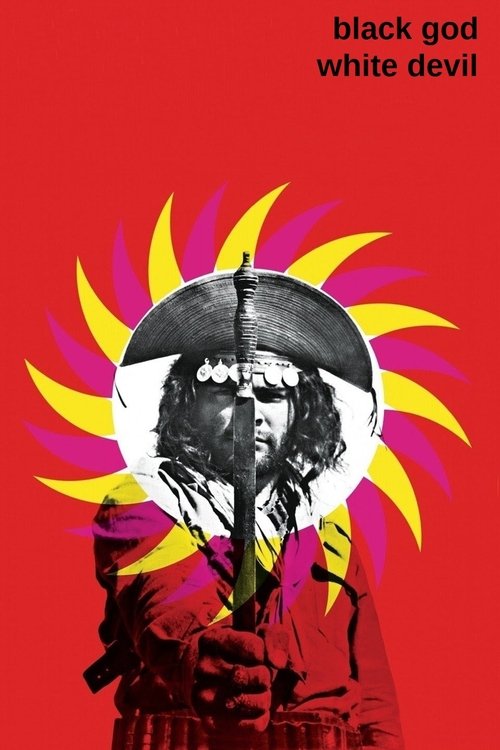
Black God, White Devil1964
Both are Third Cinema documents—radical films by radical filmmakers about radical change, made in the moment of decolonization. Both believe form itself must be insurgent.
Glauber Rocha's Brazilian avant-garde western about poverty, messiahs, and rural revolt. Shot the same year as *I Am Cuba* and equally revolutionary in form—handheld, jagged, using landscape and bodies as political argument. Pure cinema-as-manifesto.
But Deliberately difficult. Rocha breaks continuity, fractures narrative, assaults the eye. If you want clarity or comfort, you will not find it here.
People
Cast
 Sergio CorrieriAlberto
 Salvador WoodMariano
- José GallardoPedro
- Raúl GarcíaEnrique
- Luz María CollazoMaria / Betty
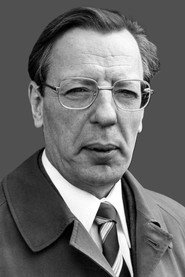 Jean BouiseJim
- Alberto MorganÁngel
- Roberto García YorkAmerican Activist
Directing
- Harry TannerAssistant Director
- Marina VolovichAssistant Director
- Oleg ZernovAssistant Director
- Mikhail KalatozovDirector
- Bela FridmanFirst Assistant Director
Writing
- Nina GlagolevaScript Editor
- Enrique Pineda BarnetWriter
- Yevgeny YevtushenkoWriter
Production
- M. MendozaExecutive Producer
- Semyon MaryakhinExecutive Producer
- J. RoucoExecutive Producer's Assistant
- Konstantin StenkinExecutive Producer's Assistant
- T. VarginaExecutive Producer's Assistant