
Film
Burn!
Other titles called Burn!: the 2019 film.
- Western
- Very dark
Gillo Pontecorvo's incandescent 1969 film tracks a mercenary's moral unraveling across decades as he orchestrates a slave rebellion to serve British interests, then returns to crush the same movement he created. Marlon Brando anchors a furious meditation on colonialism, complicity, and the cost of playing god. Visually stunning, structurally ambitious, often difficult to watch.
Should you watch it?
Watch it if you like political films that treat colonial greed as a cold business calculation, where Brando's sly, bemused performance carries a story about manipulation and shifting power rather than action set pieces.
Skip it if you want brisk pacing or a clear hero, since this is talky, deliberate and often bleak, with a lead who keeps you at arm's length.
What it asks of you: Just over two hours of patient, unsentimental viewing, with long stretches of talk and slow-building tension before the violence arrives in bursts.
Not sure? Find tonight's pick in a minute.
If you liked this
The Battle of Algiers1966
Pontecorvo's earlier masterpiece about colonial occupation and revolutionary resistance. Shot like a documentary with brutal clarity. Essential viewing for understanding the political electricity running through Burn!
But Black-and-white, spare aesthetic, and relentless focus on ideology over spectacle may feel austere. No comfort here.

Heart of Darkness
Coppola's Apocalypse Now shares Burn!'s architecture: a charismatic white man sent upriver to deal with a figure he created, forced to reckon with his own monstrosity. Similarly obsessed with power, madness, and colonial rot.
But Nearly four hours long. The film itself is about its own making, which some find self-indulgent rather than illuminating.
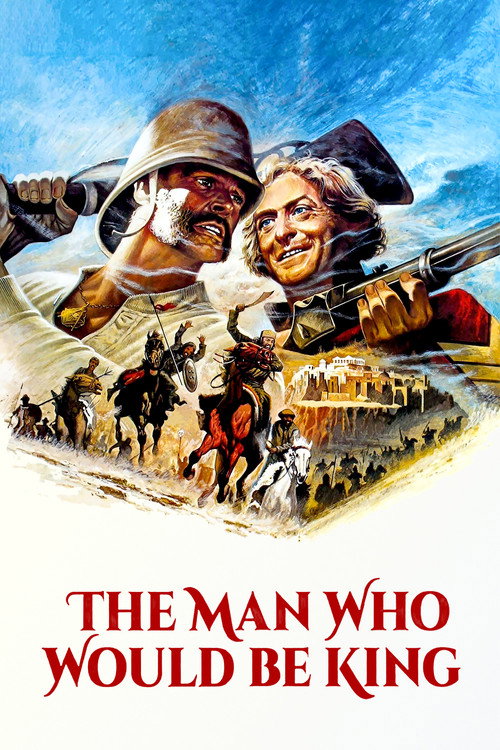
The Man Who Would Be King1975
Huston's adventure film examines how white men convince themselves they're bringing civilization while actually pursuing ego and dominion. Brando and Sean Connery are magnetic playing men intoxicated by their own mythology.
But More swashbuckling than Burn!, which may feel like tonal whiplash if you want uncompromising political cinema.
Not sure tonight? Get a pick in a minute, starting from Burn!
The wildcard
Something you would not have found on your own.
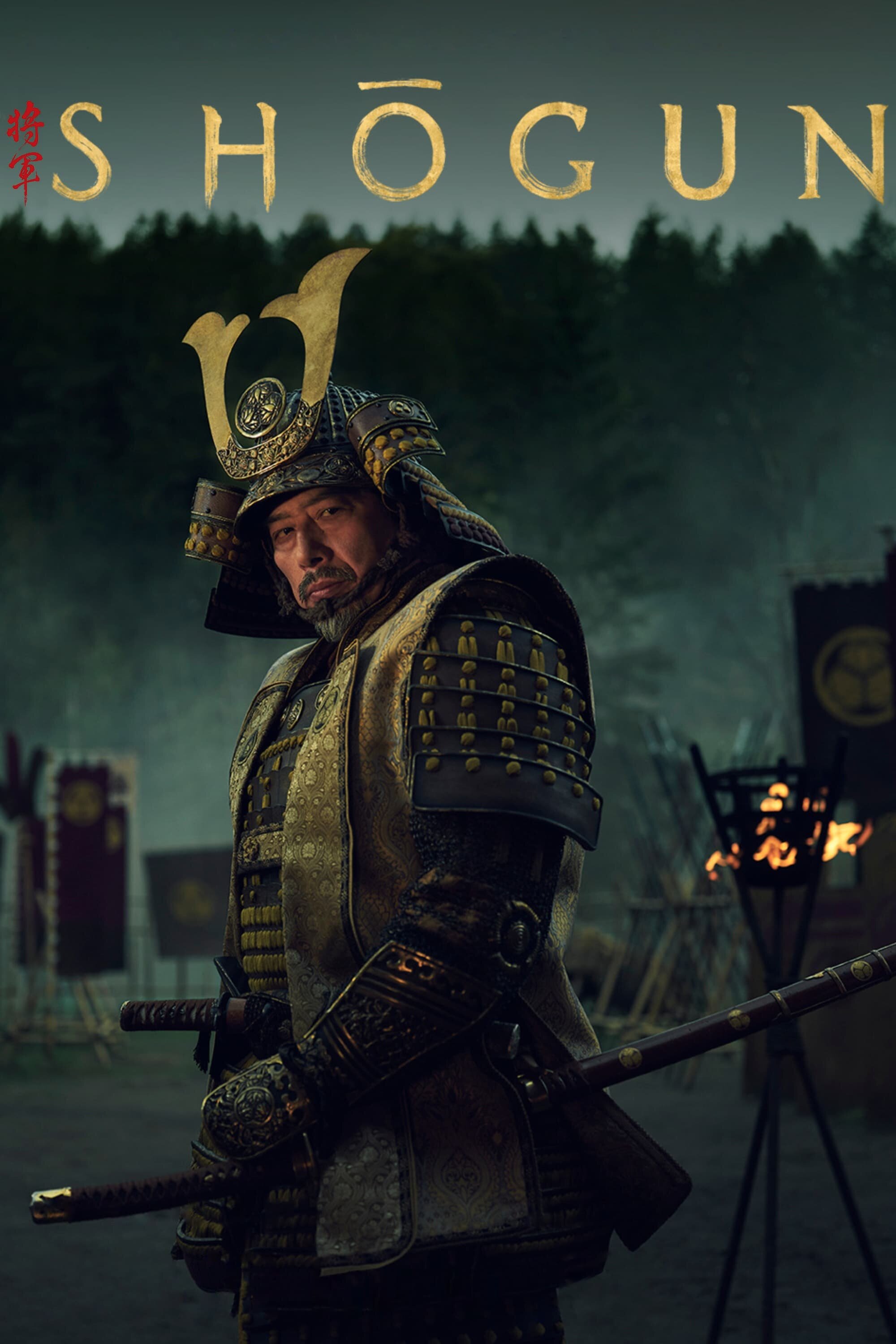
Shōgun2024
Both use a foreigner abroad as the prism through which to examine how power corrupts and how empires feed on useful outsiders. The mercenary is the machine that turns idealism into atrocity.
Clavell's miniseries transplants the mercenary-meets-empire framework to feudal Japan. A European adventurer caught between loyalty and survival, learning that his presence destabilizes everything he touches. Same moral architecture as Burn!, utterly different texture.
But Five hours, episodic pacing, and Richard Chamberlain doing his best—it's period television with all that entails. Some grandeur works, some doesn't.
More like this (6)
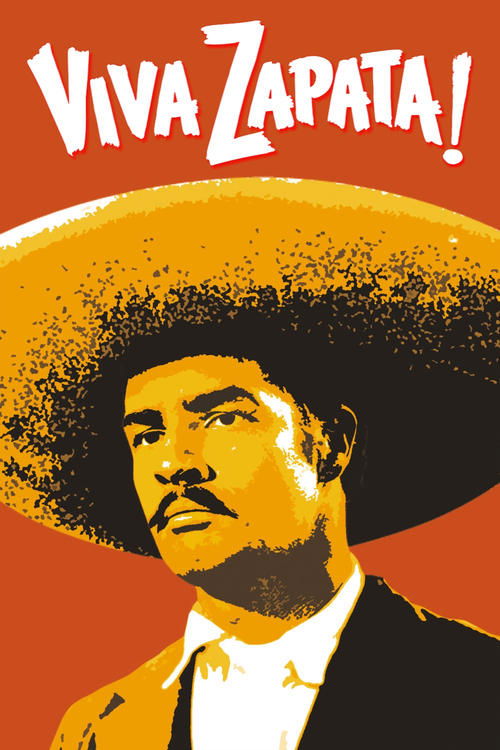
Viva Zapata!1952
Elia Kazan's earlier Brando film about revolution betrayed. Marlon plays a peasant revolutionary who discovers his ideals are being co-opted. Thematic ancestor to Burn! without the postcolonial scope.
But Feels more conventional in structure and less visually audacious than Burn!. May read as a rehearsal for the film's real ideas.
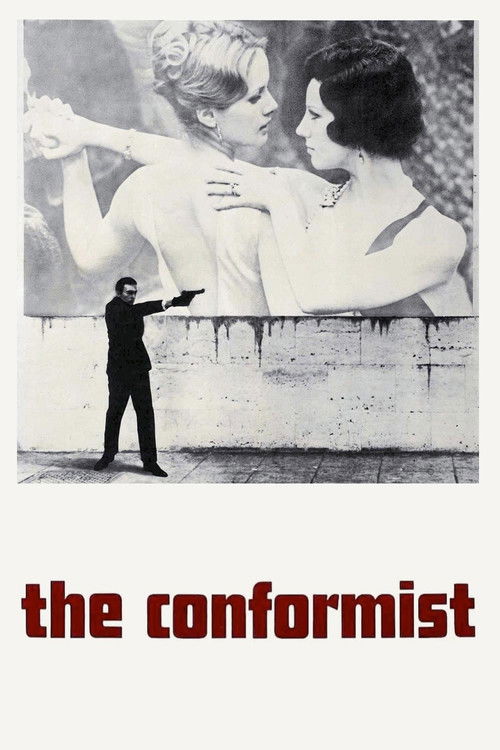
The Conformist1971
Bertolucci's contemporary study of complicity and collaboration. A fascist operative tracks down his former teacher; gorgeous cinematography conceals moral rot. Similar preoccupation with how power seduces intelligent men.
But More psychosexual than political. If you want ideology front and center, the baroque private obsessions may feel like distraction.
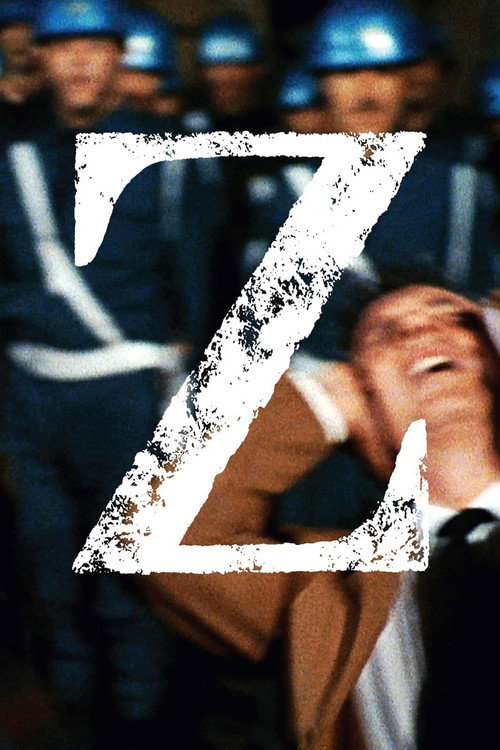
Z1969
Costa-Gavras's political thriller about state violence and cover-up. Released the same year as Burn!, it shares urgent rage about institutional cruelty. Faster-paced, more conventionally gripping.
But Plot-driven rather than meditative. Less interested in the philosophical architecture that makes Burn! so lasting.
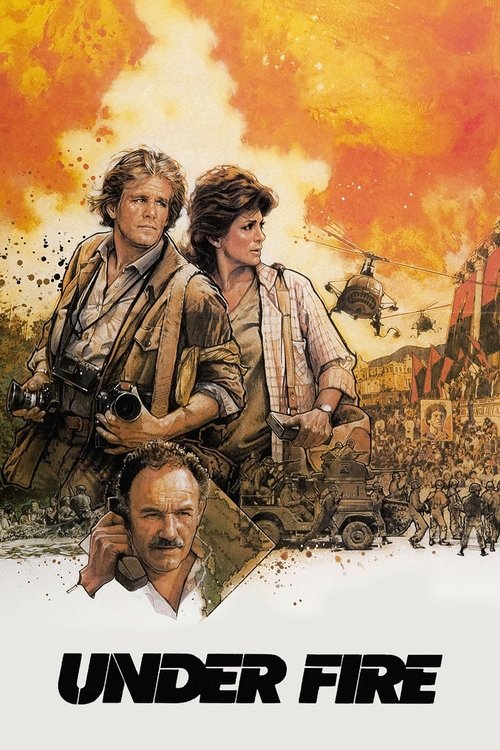
Under Fire1983
Spottiswoode's film about journalists witnessing revolution in Central America. Like Burn!, it asks whether outsiders can observe atrocity without becoming complicit. Brando's shadow is all over this.
But Eighties filmmaking sometimes shows its age. The emotional register is more conventional than what Pontecorvo attempts.
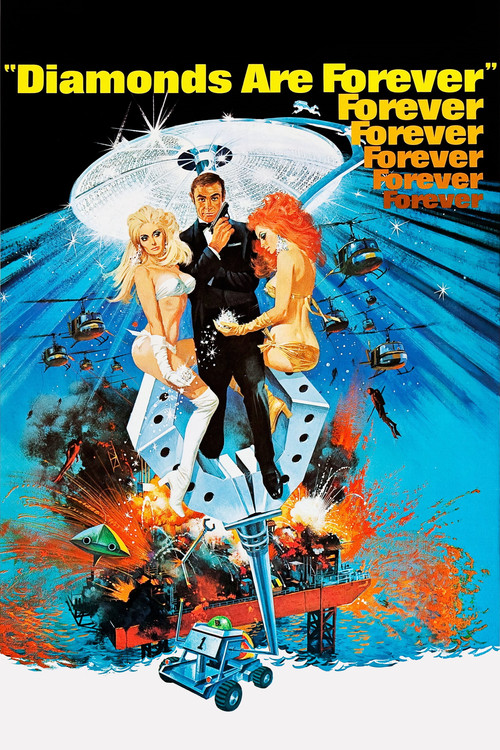
Diamonds Are Forever1971
Connery's final Bond before Moore. Sean's charisma doing the inverse of what Brando does in Burn!—here the mercenary is having the time of his life. Watch for how differently cinema treats empire when it's played for charm.
But It's fundamentally uncritical of the system it depicts. Goes down easy; teaches nothing. A cleansing palate, not a challenge.
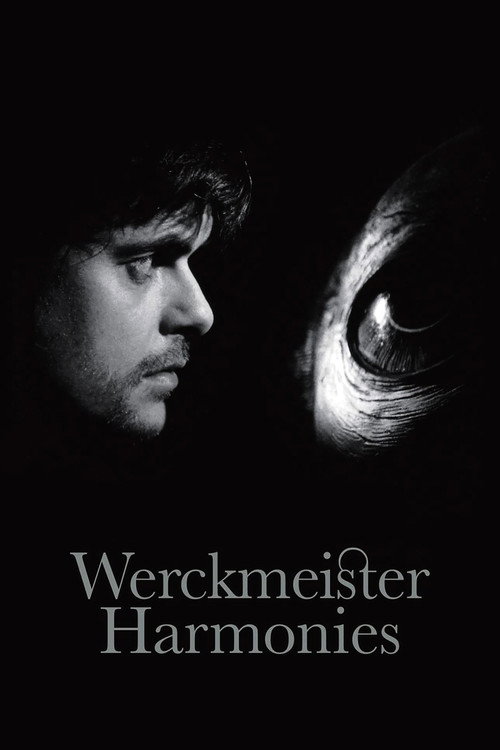
Werckmeister Harmonies2001
Both films distrust easy narrative. Both suggest that individual agency—the mercenary's supposed mastery, the whale's supposed meaning—is largely illusion. History moves past us.
Béla Tarr's seven-hour Hungarian vision of apocalypse, chaos, and a whale. Hypnotic, formal, glacially paced. Brando in Burn! orchestrates rebellion; here society disintegrates without anyone quite pulling the strings. Same sense that history is being made by forces nobody controls.
But This is patient cinema for people who sit with dread. Black-and-white, minimal dialogue, three-minute shots. Will exhaust anyone looking for momentum.
People
Cast
 Marlon BrandoSir William Walker
 Evaristo MárquezJosé Dolores
 Renato SalvatoriTeddy Sanchez
 Dana GhiaFrancesca
- Valeria Ferran WananiGuarina
 Giampiero AlbertiniHenry Thompson
- Norman HillShelton
- Thomas LyonsGen. Alonso Prada
 Carlo PalmucciJack
- Álvaro MedranoSoldier
Directing
- Rinaldo RicciCo-Director
- Gillo PontecorvoDirector
- Salvatore BasileFirst Assistant Director
Writing
- Franco SolinasScreenplay
- Giorgio ArlorioScreenplay
- Franco SolinasStory
- Giorgio ArlorioStory
Production
- Mario Del PapaLine Producer
- Alberto GrimaldiProducer
- Sergio MerolleProduction Manager
- Averoe StefaniUnit Manager
Recommended by
I Am Cuba, Che: Part One, 1900, Iphigenia, Viva Zapata!, Blue Thunder, Four Days in September, Rio Conchos, The Ugly American, The Savage State, State of Siege, The Comedians, Black Angel, The Round-Up, Mapantsula, Quilombo, Ganga Zumba, Los de abajo