
Film
Four Days in September
- Crime
- Political thriller
- Drama
- Very dark
A taut, visceral account of Brazil's most audacious political kidnapping during the military dictatorship of 1969. Director Bruno Barreto balances intimate character study with mounting tension, following young revolutionaries whose moral certainties fracture under pressure. It's a film about idealism colliding with consequence, where everyone—captors and captive alike—becomes trapped by history.
Should you watch it?
Watch it if you are drawn to political thrillers where the suspense lives in arguments between captors and captive, and where idealism is tested by what it costs the people carrying it out.
Skip it if you want a tidy genre pulse with regular action beats; this is a sober, talky film where the politics and the moral arguments take up more room than the thrills.
What it asks of you: Settle in for about two hours of mostly confined rooms and slow-building dread, with long stretches of talk that tighten the screws rather than release them.
Not sure? Find tonight's pick in a minute.
If you liked this
Z1969
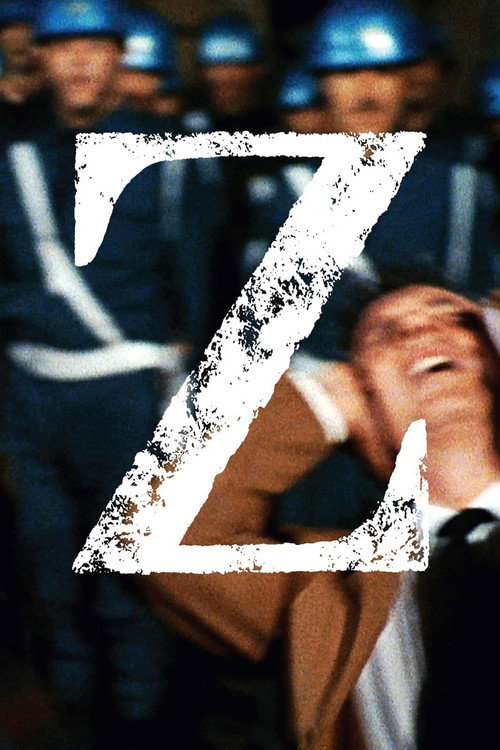
Gillo Pontecorvo's masterpiece about a political assassination in a fascist state. Like Four Days, it makes political violence intimate and intellectually rigorous, refusing easy heroes or villains. The editing is dazzling.
But It's a procedural mystery told in fragmented time, which can feel distant rather than thrilling if you're expecting conventional momentum.
The Battle of Algiers1966
Pontecorvo again—the essential film about urban terrorism and counter-insurgency. Shot like a documentary, it places you inside the logic of revolutionary violence with devastating clarity. Required viewing for understanding Four Days' DNA.
But It's polemical and deliberately unflinching. Some sequences are genuinely disturbing, and the film never lets you rest in comfortable judgment.

Missing1982
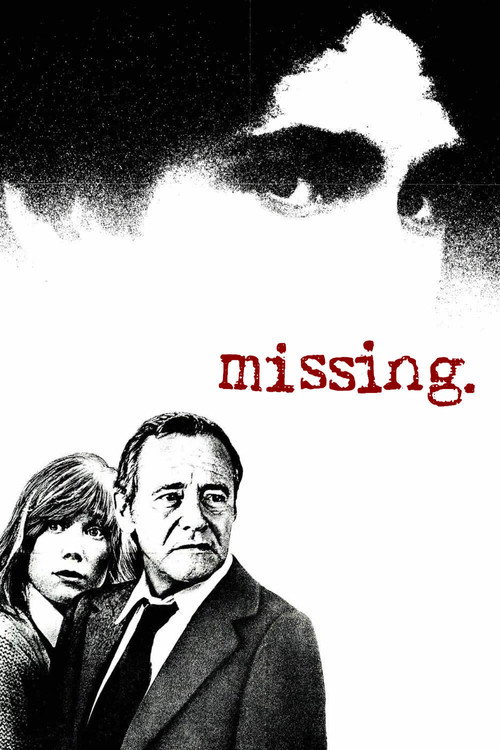
Costa-Gavras examining American complicity in Chilean dictatorship through a father's search for his disappeared son. It has the same tight focus on individuals caught in state machinery, the same anger made precise through storytelling.
But The 1980s filmmaking is visible. It can feel dated in texture, and some performances come across as theatrical.
Not sure tonight? Get a pick in a minute, starting from Four Days in September
The wildcard
Something you would not have found on your own.
Klute1971
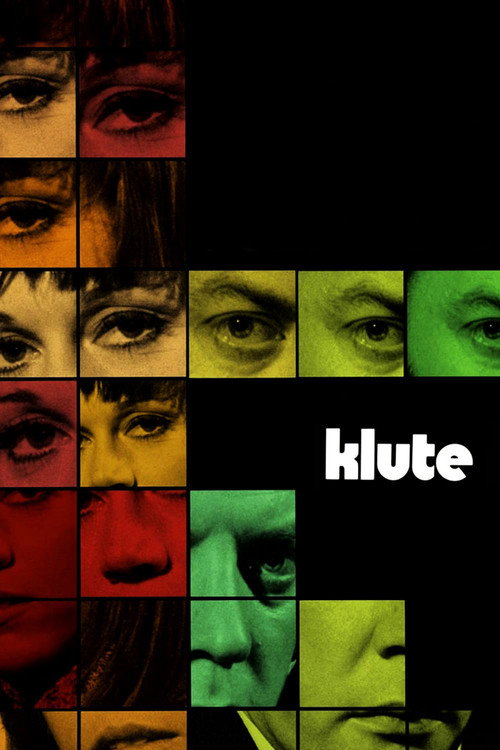
Both films use kidnap/imprisonment as a framework for examining power imbalances and the fragility of individual agency. Four Days locates this in history and politics; Klute locates it in sexual exploitation and institutional corruption. Same architecture, different rooms.
Alan Pakula's masterpiece of paranoia and surveillance. Like Four Days, it finds horror in institutional power and the impossibility of knowing who you can trust. But it's a psychological thriller, not a political one, and it unfolds in New York darkness.
But The pacing is glacial and the plot deliberately obscure. If you need clarity and momentum, it will frustrate you.
More like this (8)
State of Siege1972
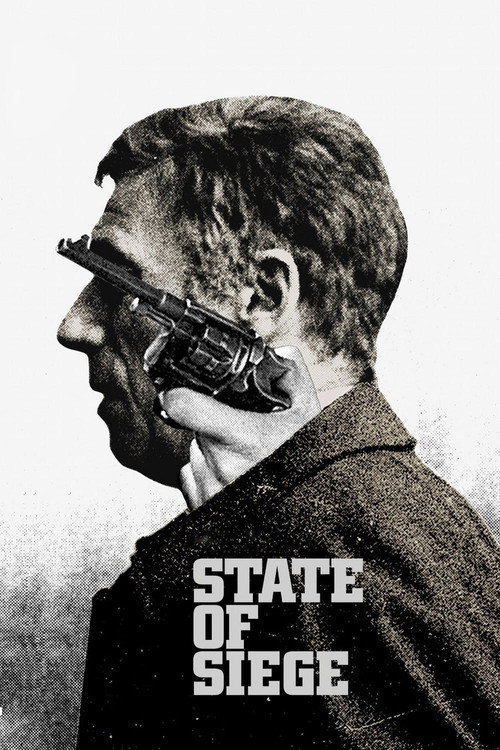
Costa-Gavras again—a US police advisor kidnapped by Uruguayan guerrillas. Structured almost like a trial, it interrogates American imperial power while making its captors deeply human. Morally complex and gripping.
But It's didactic by design. If you resist being lectured, even eloquently, you'll feel the scaffolding of its arguments.
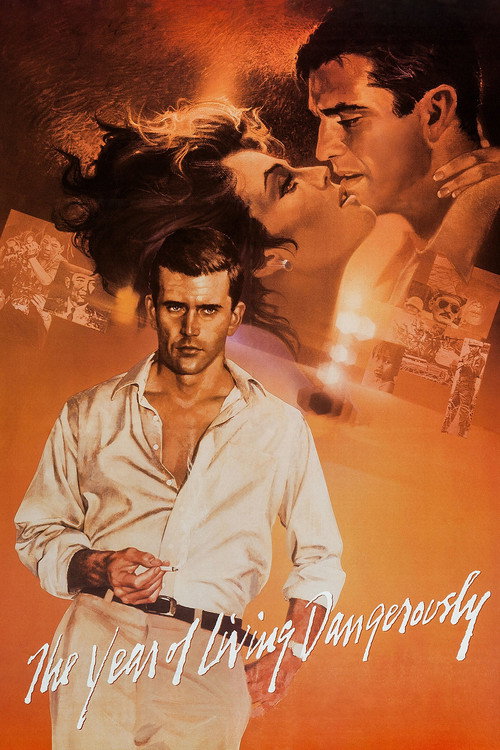
The Year of Living Dangerously1982
Peter Weir's sweeping account of journalists and diplomats caught in Indonesia's 1965 political upheaval. It captures the intoxication and terror of revolution, and how ordinary people become players in history's machinery.
But The scope is so wide that characters sometimes feel secondary to events. Weir's romanticism doesn't always match the brutality he's depicting.
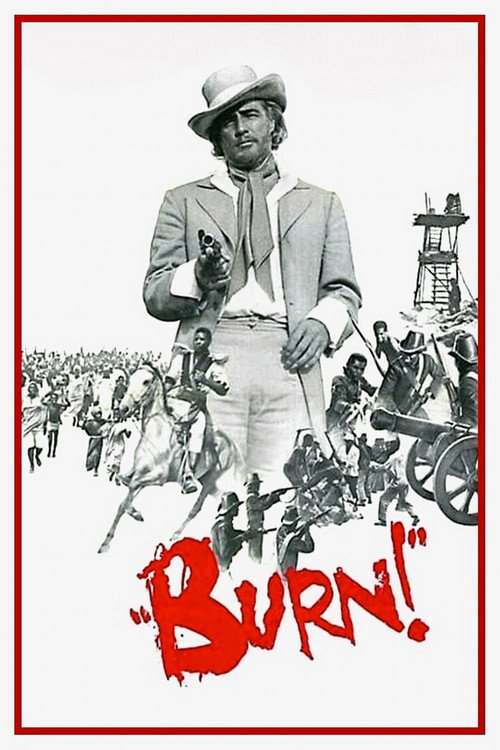
Burn!1969
Gillo Pontecorvo yet again—a colonial administrator engineers a slave rebellion he can then crush. It's about power, complicity, and how revolutions are manipulated from within. Visually extraordinary and morally intricate.
But It's baroque and sometimes oblique. The film trusts you to decode its political metaphors, which can feel exhausting rather than illuminating.
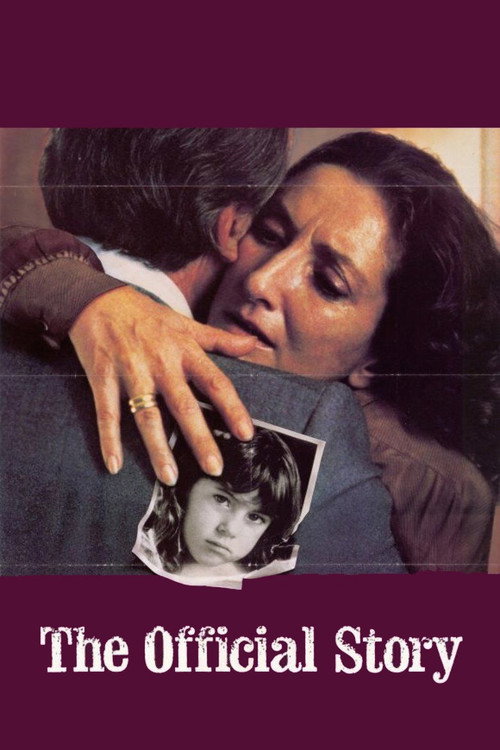
The Official Story1985
Argentine film about a woman discovering her adopted daughter was born to a disappeared political prisoner. It's intimate, wrathful, and works as both personal drama and political indictment. The ending is unforgettable.
But The slow-burn approach means it takes time to detonate. Some viewers find the early passages too domestic before the stakes become clear.
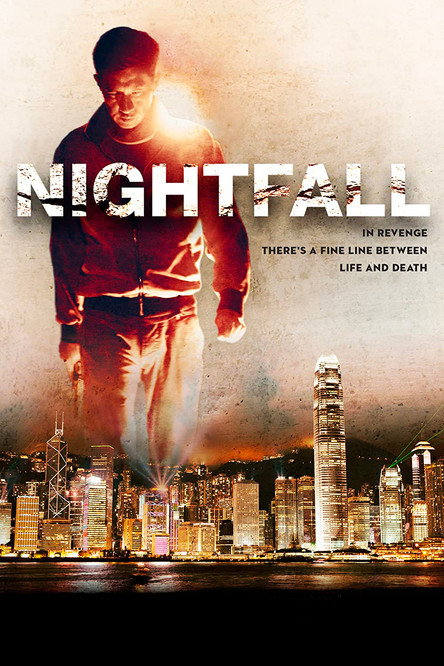
Nightfall2012
Brazilian drama about a group of bank robbers. It shares Four Days' interest in men pressed into crime by circumstance and ideology, and it has the same gritty, unglamorous texture. Less political but equally unsparing.
But It's darker and more pessimistic. There's no moral framework—just desperation, which some find nihilistic rather than liberating.
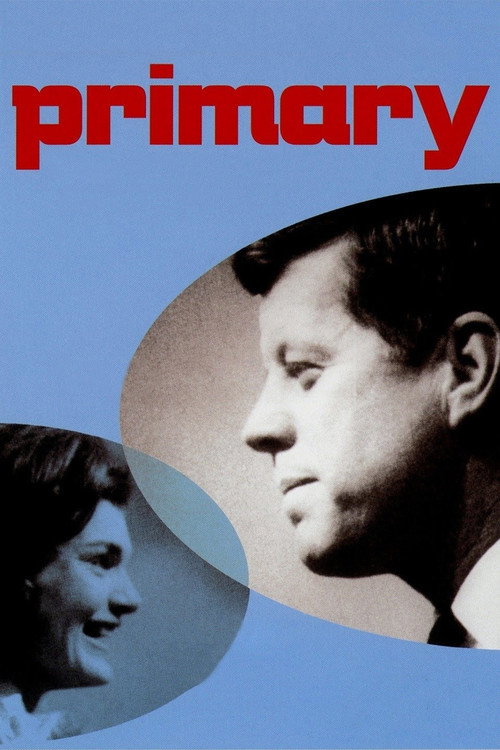
Primary1960
Brazilian thriller following the investigation into a real murder conspiracy. It has the same attention to period detail and institutional paranoia. Fast-paced and genuinely suspenseful.
But It sacrifices depth for plot momentum. The characterization is thinner than Four Days', which matters less if you just want a smart political thriller.
I, Daniel Blake2016
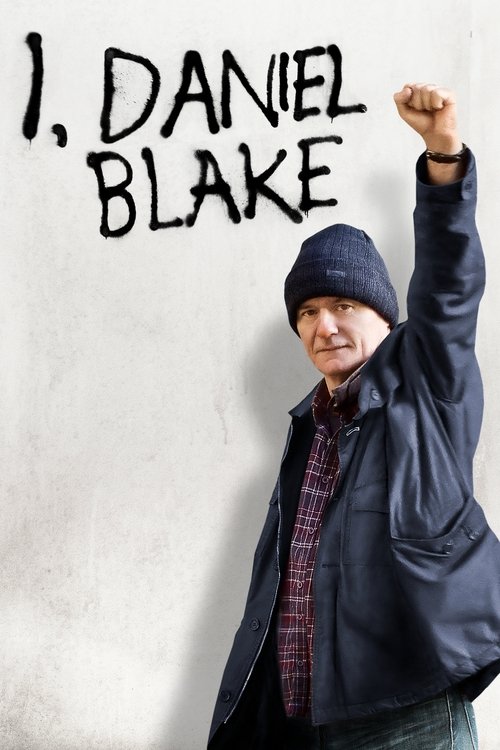
Both films are angry about structural injustice, but Four Days channels that anger through violence and ideology while Loach channels it through bureaucratic suffocation. Same moral conviction, opposite registers—which is exactly why seeing them together matters.
Ken Loach's devastating account of a jobless carpenter navigating British welfare bureaucracy. No revolution, no violence—but the same meticulous attention to how systems crush individuals. It's a slow-burn moral argument delivered through mundane detail.
But There's no thriller momentum at all. It's deliberately static and depressing. If you came for tension and action, this will feel punishing.
Memories of Murder2003
Both films use a specific historical crime as the entry point to examining state power and how individuals become disposable in systems larger than themselves. Four Days interrogates revolutionary violence; Memories interrogates state violence. Watching them back-to-back reveals how the dictatorship's logic corrupts everyone it touches.
Bong Joon-ho's extraordinary serial-killer procedural set during South Korea's military dictatorship. It looks like a crime thriller but it's actually about how authoritarianism corrupts investigation itself—how power determines truth. Brilliant, devastating, visually stunning.
But The tonal shifts are radical—it moves between dark comedy and atrocity. Some find this jarring rather than sophisticated. It's also long and deliberately ambiguous about its resolution.

People
Cast
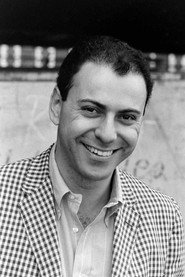 Alan ArkinCharles Burke Elbrick
 Pedro CardosoFernando Gabeira / Paulo
 Fernanda TorresAndréia / Maria
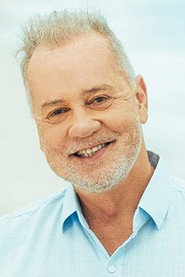 Luiz Fernando GuimarãesMarcão
 Cláudia AbreuClara / Reneé
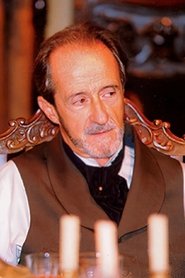 Nelson DantasToledo
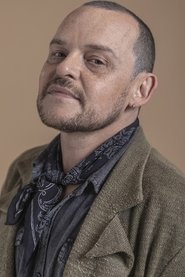 Matheus NachtergaeleSeverino Barroso / Jonas
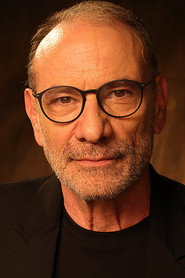 Marco RiccaHenrique
 Maurício GonçalvesBrandão
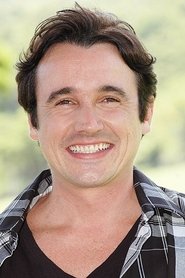 Caio JunqueiraCid Benjamin / Júlio
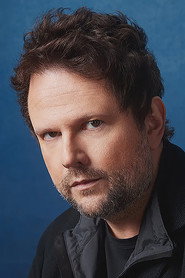 Selton MelloCésar / Oswaldo
 Eduardo MoscovisArtur
Directing
- Bruno BarretoDirector
- Ricardo FavillaFirst Assistant Director
- Fernanda LuzScript Supervisor
- Luiz Henrique FonsecaSecond Assistant Director
Writing
- Julie SayresScript Editor
- Fernando GabeiraWriter
- Leopoldo SerranWriter
Production
- Georgianne WalkenCasting
- Olívia GuimarãesCasting
- Sheila JaffeCasting
- Mary Ann BraubachCo-Producer
- Lucy BarretoProducer
- Luiz Carlos BarretoProducer