
Film
The Dissident
A meticulous investigation into the 2018 murder of journalist Jamal Khashoggi at the Saudi consulate in Istanbul. Director Bryan Fogel pieces together testimony, forensic evidence, and diplomatic records to expose how a powerful state allegedly orchestrated an assassination and systematized the cover-up. Essential viewing about press freedom and accountability.
Should you watch it?
Watch it if you are drawn to slow investigative reporting, where the pleasure is in watching scattered clues, testimony and digital traces harden into a case.
Skip it if your evening needs lightness, since its sober, talking-head rhythm and real-world grief leave little room to breathe.
What it asks of you: Just under two hours of careful, unhurried attention: long stretches of interview and archive material, with names, places and dates that repay close listening.
Not sure? Find tonight's pick in a minute.
If you liked this
All the President's Men1976
Woodward and Bernstein uncover Watergate through dogged reporting and document trails. Like The Dissident, it's a masterclass in how journalism pursues truth when power wants silence, with methodical pacing that builds genuine suspense.
But The 1970s style and slower reveal might feel dated if you want immediate answers. It's procedural rather than visceral.

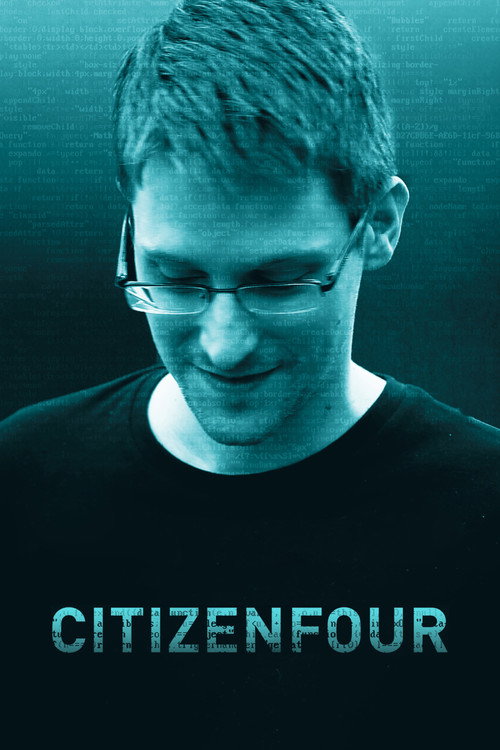
Citizenfour2014
Laura Poitras documents Edward Snowden's NSA revelations in real time, catching history as it unfolds. Both films show state surveillance and the personal cost of exposing it, told through intimate access and global stakes.
But Heavy on technical detail and geopolitics. If you find yourself lost in the mechanics, the emotional core can slip away.
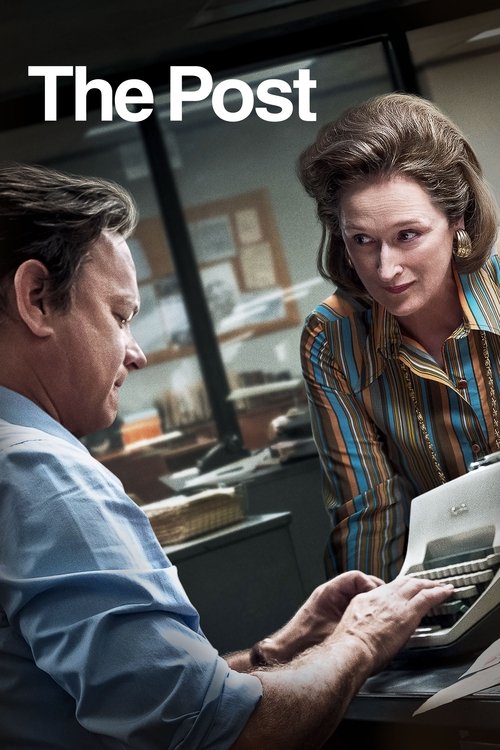
The Post2017
Meryl Streep and Tom Hanks play the Washington Post leadership deciding whether to publish the Pentagon Papers. Directly parallels Khashoggi's own institution fighting to tell his story and honour his legacy.
But Spielberg occasionally softens the edges for mainstream appeal. It can feel like a dramatized version of a documentary's urgency.
Not sure tonight? Get a pick in a minute, starting from The Dissident
The wildcard
Something you would not have found on your own.
Spotlight2015
Both films argue that journalism's job is to force institutions to reckon with what they've hidden. The difference is Spotlight ends in accountability; The Dissident shows what happens when it doesn't.
Boston Globe journalists expose the Catholic Church's abuse cover-up through meticulous reporting and sources. Same shape as The Dissident—institutional crime, press freedom, victims finally heard—but a triumph rather than a tragedy.
But Ensemble cast and procedural can feel workmanlike. If you're watching for emotional catharsis rather than investigative detail, you'll be disappointed.

More like this (8)
Killing Gaza2018
Gazans and international observers testify about the 2014 bombardment. Like The Dissident, it privileges victim testimony and builds a case from accumulated witness accounts rather than official narratives.
But Emotionally relentless. The constant testimony to trauma can feel numbing rather than clarifying after an hour or so.
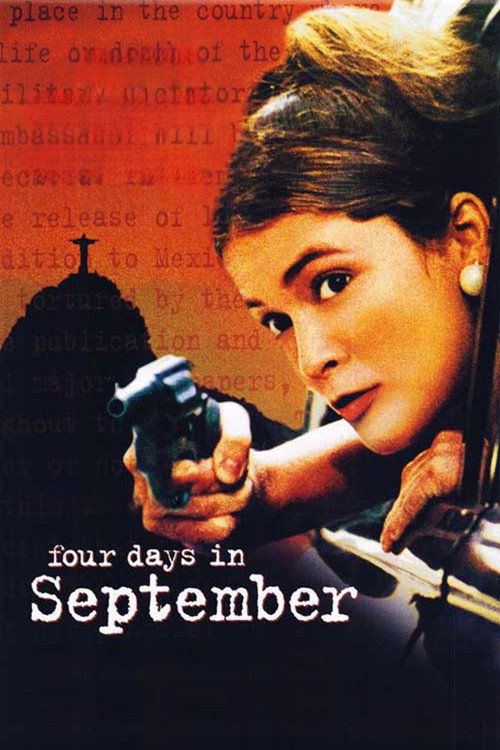
Four Days in September1997
Brazilian film about a kidnapping during the military dictatorship. Humanizes people on both sides while investigating state violence and its justifications—the same moral complexity The Dissident navigates.
But Subtitled, and the political history is unfamiliar to most English-language audiences. You'll need to focus.
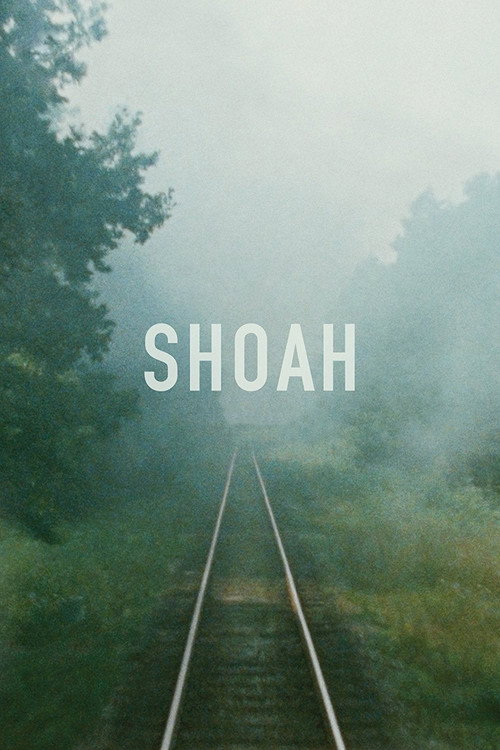
Shoah1985
Lanzmann's Holocaust testimony project. Nine hours of witnesses describing atrocity in their own voices. The same principle as The Dissident: let people speak, compile their accounts, trust the accumulation.
But Nine hours. No archival footage, no music, just voices. Commitment required. Some find it meditative; others find it punishing.
The Act of Killing2012
Asks perpetrators of Indonesian genocide to recreate their crimes on film. Unsettling and brilliant—it uses the documentary form to expose how violence normalizes itself, and how power rewrites its own story.
But Difficult to watch people casually describe atrocity. The methodology—letting them speak without judgment—will infuriate some viewers.

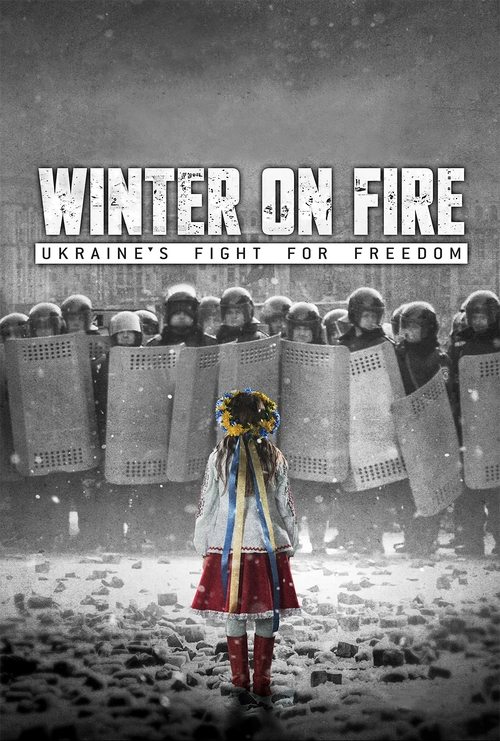
Winter on Fire: Ukraine's Fight for Freedom2015
Documenting Ukraine's Maidan uprising with footage from multiple protesters. Chaotic and immediate, the opposite of The Dissident's investigation, but equally focused on dissent versus state repression.
But Raw and sometimes incoherent—you're watching history as it happened, not explained. Less satisfying if you want a clear narrative.
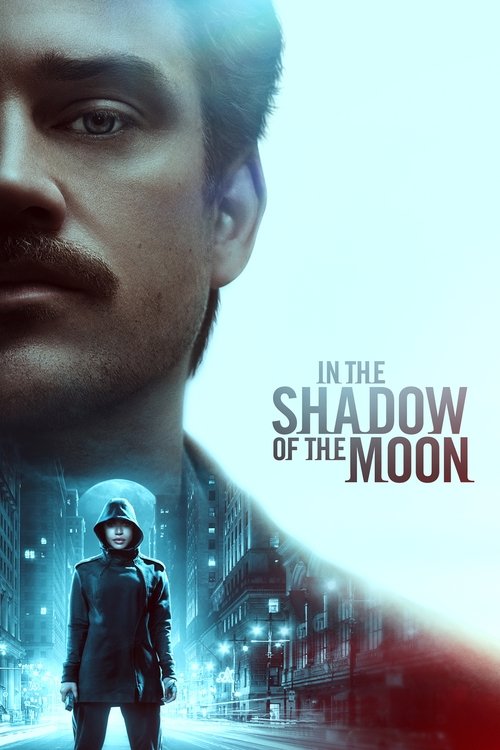
In the Shadow of the Moon2019
Bryan Fogel's earlier work tracking a Pakistani scientist and nuclear secrets. Similar forensic approach to power and concealment, though lower stakes and less emotionally anchored than The Dissident.
But More abstract and geopolitical. If you want human connection, this one stays at the diplomatic level.
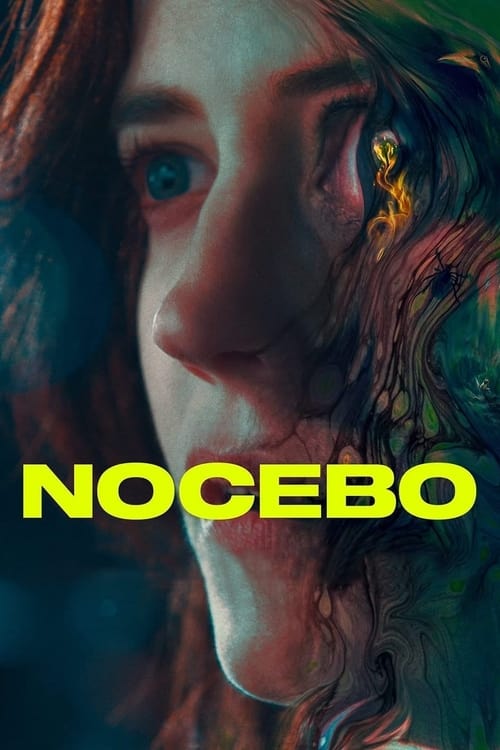
Nocebo2022
Both are about how money and status become alibis. Nocebo asks: what if the documentary's villain lived in your house?
Italian horror-thriller about a woman poisoned by her husband, a fashion executive with the wealth and connections to hide it. Slow-burn psychological thriller wrapped in wealth and privilege. Entirely fictional but structurally parallel to Khashoggi—hidden violence, dismissed complaints, power's ability to silence.
But Genre expectations differ wildly from documentary. It's oblique and stylized rather than investigative. Some will find it trivializes real violence.
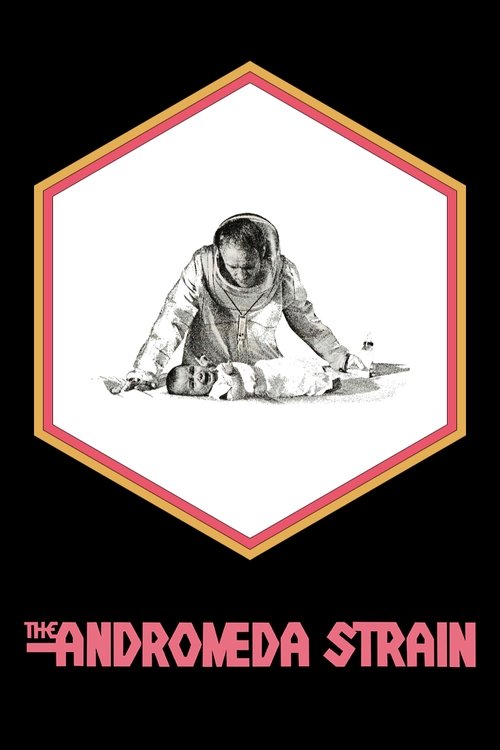
The Andromeda Strain1971
Both ask the same closing question: does exposing truth matter if those in power choose not to care?
Russian science fiction where a cosmonaut wakes in a distant future. Tangent to The Dissident until the ending, when it becomes a meditation on knowledge, truth-telling, and whether bearing witness changes anything if the powerful won't listen.
But Soviet-era slow cinema about metaphysical dread. Completely different register from The Dissident—patient, philosophical, untethered from current events. Feels willfully alienating.
People
Cast
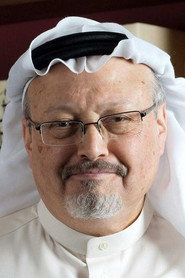 Jamal KhashoggiSelf (archive footage)
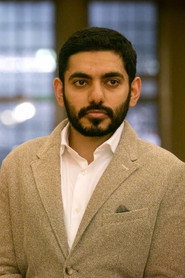 Omar AbdulazizSelf - Interviewee
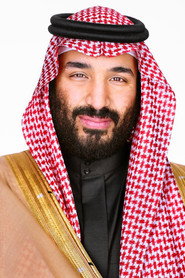 Prince Mohammed bin Salman al SaudSelf (Footage)
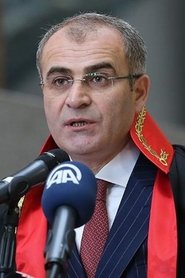 İrfan FidanSelf - Public Prosecutor
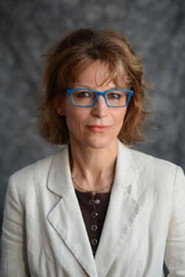 Agnès CallamardSelf - Interviewee
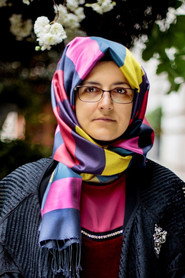 Hatice CengizSelf - Interviewee
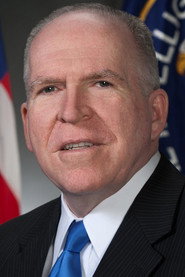 John O. BrennanSelf - Interviewee
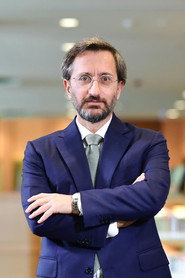 Fahrettin AltunSelf - Interviewee
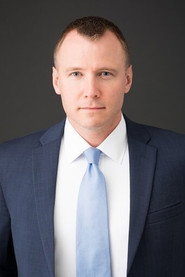 Anthony J. FerranteSelf - Interviewee
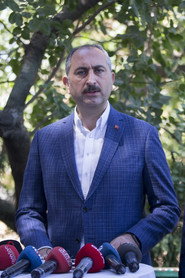 Abdulhamit GulSelf - Interviewee
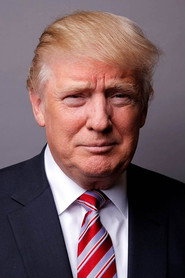 Donald TrumpSelf (archive footage)
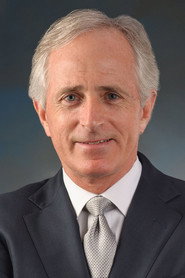 Bob CorkerSelf (archive footage)
Directing
- Bryan FogelDirector
Writing
- Bryan FogelWriter
- Mark MonroeWriter
Production
- Bryan FogelProducer
- Jake SwantkoProducer
- Mark MonroeProducer
- Thor HalvorssenProducer