
Film
Killing Gaza
Killing Gaza is a 96-minute documentary by journalists Max Blumenthal and Dan Cohen documenting the 2014 Israeli military campaign in Gaza through firsthand testimony and footage. It presents evidence of alleged war crimes alongside accounts of Palestinian survival and loss. Unflinching and difficult, it's for viewers seeking perspectives often absent from mainstream coverage.
Should you watch it?
Watch it if you want a hard-edged, on-the-ground documentary that trusts survivors' testimony and footage over talking-head polish, and you can stay with a grim subject without needing it softened.
Skip it if you want a balanced survey of the 2014 conflict with both sides given equal airtime, since this is a reporter's film with a clear point of view and a deliberately one-sided emotional pull.
What it asks of you: Ninety-six minutes of mostly raw, unhurried footage and direct accounts, with little relief from the weight of what's shown, so it asks you to keep watching when it gets hard.
Not sure? Find tonight's pick in a minute.
If you liked this
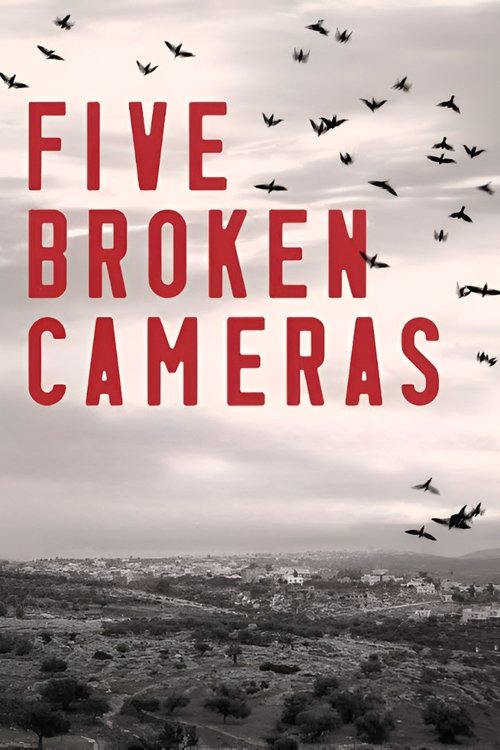
Five Broken Cameras2011
Palestinian filmmaker Emad Burnat documents his family's life under occupation across five cameras destroyed during confrontations. Raw, intimate, and structurally inventive—it transforms personal archive into political testimony without sacrificing human specificity.
But The handheld footage can be fragmentary and repetitive; some viewers may find the pacing deliberately challenging rather than cinematic.
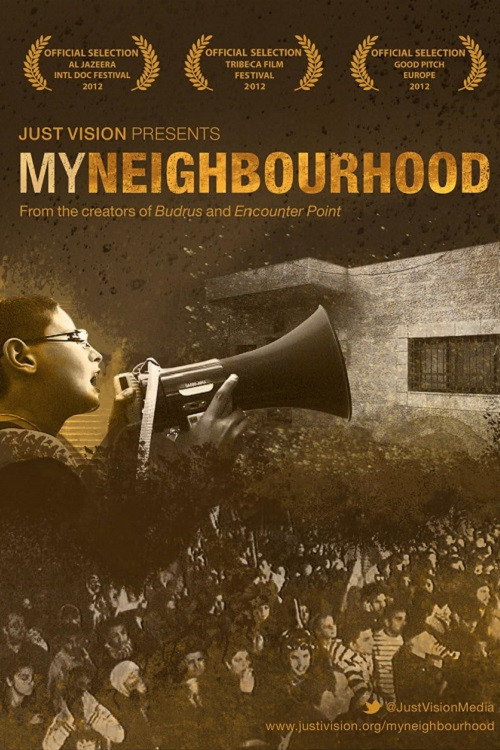
My Neighbourhood2012
Director Eyal Sivan follows a Palestinian family's legal battle to return to their home in Jerusalem. It's a close study of displacement and resistance through bureaucratic machinery, grounded in relationship rather than rhetoric.
But The pace is deliberately slow; some will find the legal proceduralism draining rather than enlightening.
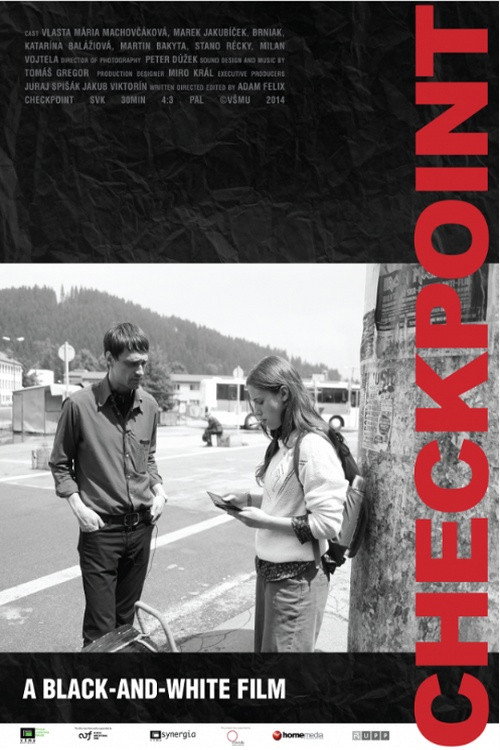
Checkpoint
Yosef Cedar's film captures the daily friction at Israeli military checkpoints in the West Bank—soldiers and Palestinians in repeated, mundane encounters that accumulate into a portrait of occupation's texture.
But Very little plot or narrative arc; it demands patience and tolerance for uncomfortable silence and routine.
Not sure tonight? Get a pick in a minute, starting from Killing Gaza
The wildcard
Something you would not have found on your own.
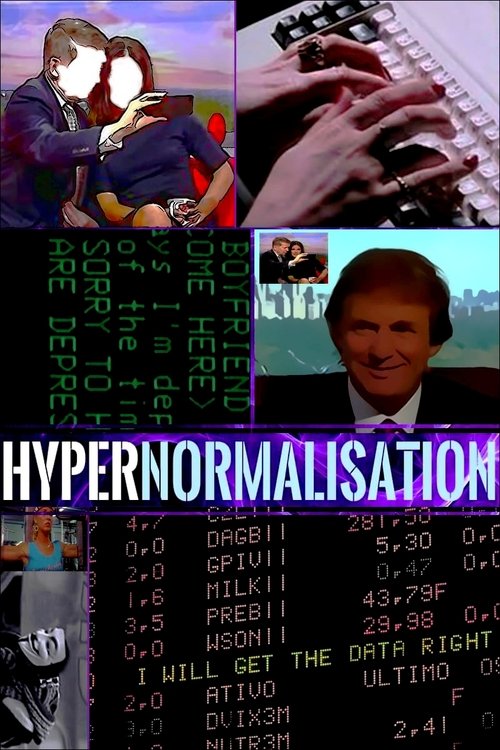
HyperNormalisation2016
Both films argue that official narratives obscure systemic violence, but Curtis shows how that works cognitively and globally—the psychological mechanism behind why atrocity can persist invisibly.
Adam Curtis's dizzyingly edited essay-film argues that we've all retreated into simplified narratives because reality became too complex. Montage of archive footage, music, and Curtis's voice creates a hypnotic argument about how propaganda and confusion became normal across all systems.
But Nearly three hours of dense voice-over without conventional structure; requires active engagement and doesn't make immediate sense. Some see it as conspiracy-minded or patronizing.
More like this (6)
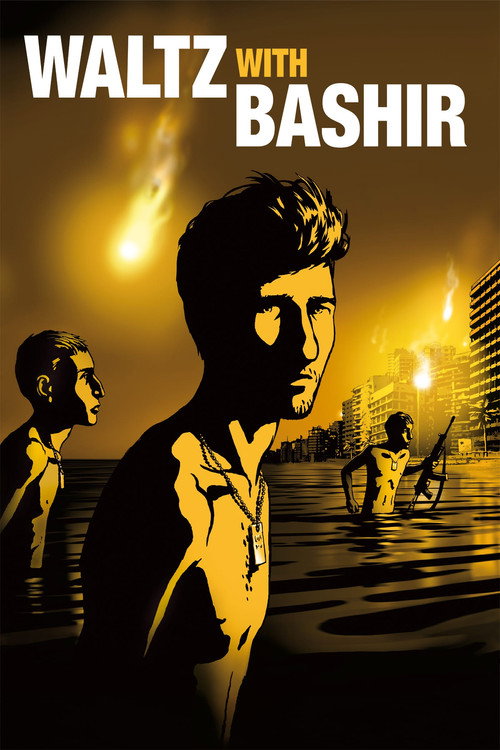
Waltz with Bashir2008
Ari Folman's animated documentary reconstructs his fragmented memories of the 1982 Lebanon War, exploring trauma, denial, and complicity. Visually stunning and structurally daring—animation lets it go places live-action cannot.
But The climactic shift into documentary footage is deliberately jarring and may feel manipulative; the personal frame limits broader analysis.
The Act of Killing2012
Joshua Oppenheimer gets Indonesian death-squad perpetrators to reenact their own atrocities. It's an audacious, disorienting examination of how perpetrators rationalize and aestheticize mass violence.
But The premise risks seeming to give a platform or entertainment value to confessions of genocide; it's morally precarious and deeply uncomfortable.

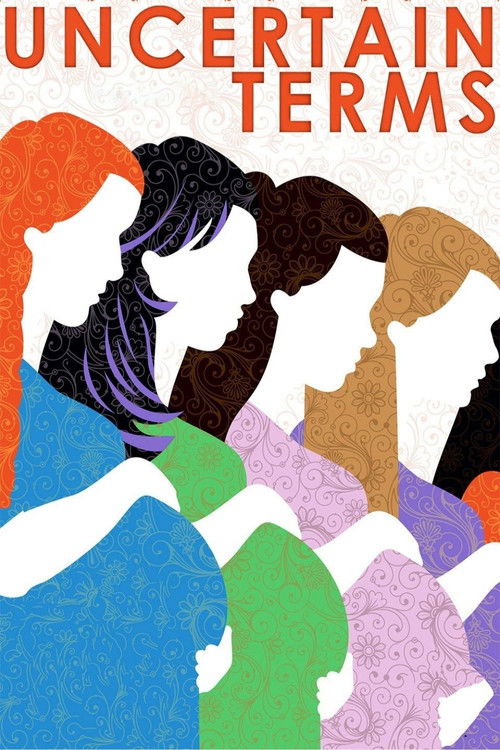
Uncertain Terms2014
Sharmeen Obaid-Chinoy documents honor killings in Pakistan through survivors' stories. Visceral testimony to violence against women that refuses voyeurism while demanding witness.
But The subject matter is harrowing and the emotional toll accumulates; some may feel the documentary format itself cannot adequately contain the violence it documents.
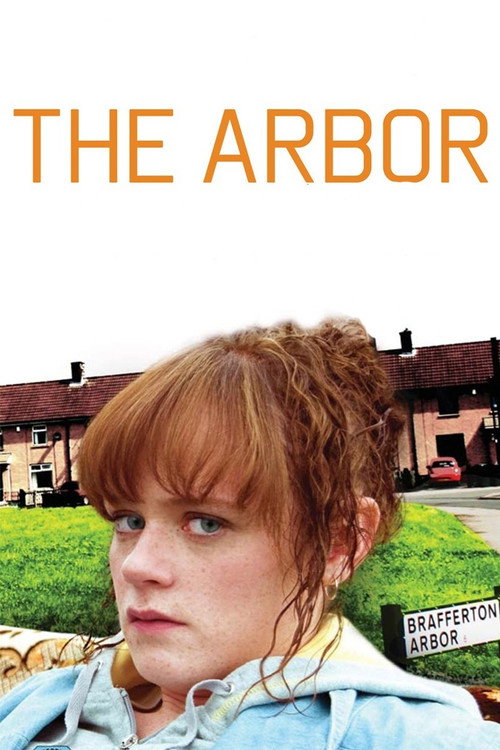
The Arbor2010
Clio Barnard's unconventional film about a British playwright uses actors lip-syncing real interviews over found footage and reconstruction. Formally inventive and formally risky—it's about memory, class, and how we tell stories about the marginalized.
But The lip-syncing technique is deliberately alienating and may read as affected rather than illuminating; the formal experiment can overshadow emotional access.
The House That Jack Built2018
Both refuse to look away from violence or soften its presentation, but von Trier pushes into the question: does documentation of atrocity become its own kind of violence? What does witnessing *do*?
Lars von Trier's four-hour provocation follows a serial killer over 12 years, structured as a philosophical dialogue with his crimes as 'architecture.' Transgressive, formally audacious, and genuinely difficult—it interrogates how we aestheticize violence and suffering.
But Graphic depictions of murder and torture designed to repel; the intellectual framing can read as justification rather than critique. Many will find it unwatchable, and rightfully.

Come and See1985
Like Killing Gaza, it refuses the distance of history—war is shown as immediate, intimate, and irredeemable. Both films understand that documentation of atrocity is itself a kind of act that implicates the viewer.
Elem Klimov's Soviet film follows a boy conscripted into WWII on the Eastern Front. Shot in bleached, apocalyptic color, it's a sensory assault that locates war not in strategy or heroism but in the contamination of innocence—unrelenting and unforgettable.
But Technically it's a Soviet war film from 1985, but its aesthetic is so brutal and contemporary it feels like found footage of hell. The entire film is designed to induce despair; catharsis never arrives.

People
Cast
- Max BlumenthalSelf
- Dan CohenSelf
Directing
- Dan CohenDirector
- Max BlumenthalDirector
Recommended by
The Dissident, Roadmap to Apartheid, The Occupation of the American Mind