
Film
Roadmap to Apartheid
A documentary comparing South African apartheid to the Israeli-Palestinian conflict, narrated by Alice Walker. It traces how apartheid functioned historically, then examines whether the framework applies to conditions Palestinians face today. Accessible but unflinching; for viewers willing to sit with a politically contentious argument.
Should you watch it?
Watch it if you want a tight, argument-driven documentary that lays out a contested comparison step by step and lets you test it against South African history.
Skip it if you need a film that presents both sides evenly, since this one argues its case openly and treats one position as the framework, not a debate to referee.
What it asks of you: Under an hour, it keeps moving at a brisk clip and asks you to follow reasoning closely rather than sink into mood, with a serious tone throughout.
Not sure? Find tonight's pick in a minute.
If you liked this
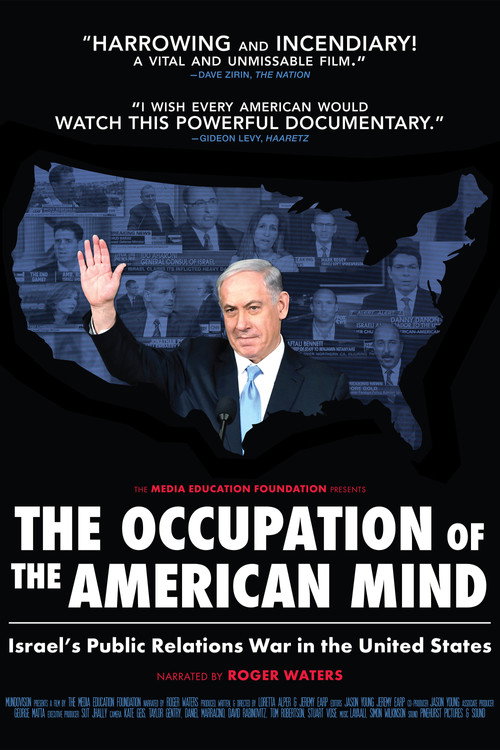
The Occupation of the American Mind2016
Examines how American media coverage shapes understanding of Israeli-Palestinian issues. Rigorous, well-sourced, and clarifies the gap between official narratives and documented facts on the ground.
But Dense with media criticism and archive footage; requires sustained attention and tolerance for uncomfortable truths about institutional bias.
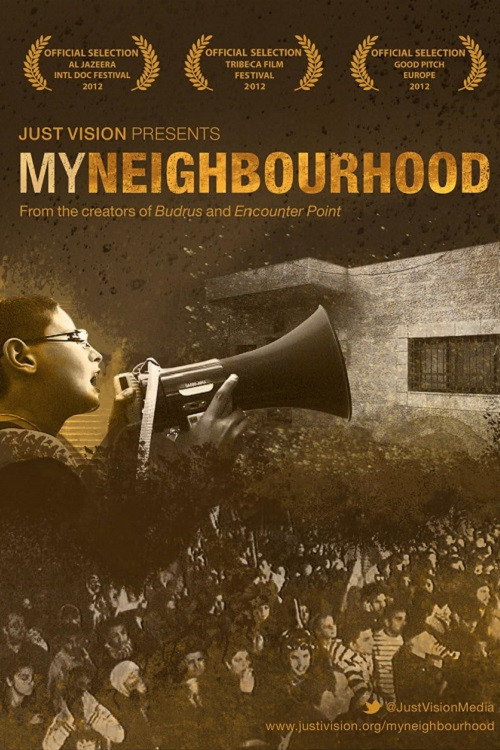
My Neighbourhood2012
Palestinian filmmaker Rashid Masharawi documents everyday life in Gaza with unflinching clarity. Intimate, humanizing, and devoid of polemics—just people trying to live in an impossible situation.
But Deliberately unglamorous and slow; some may find it depressing rather than illuminating, with no resolution offered.
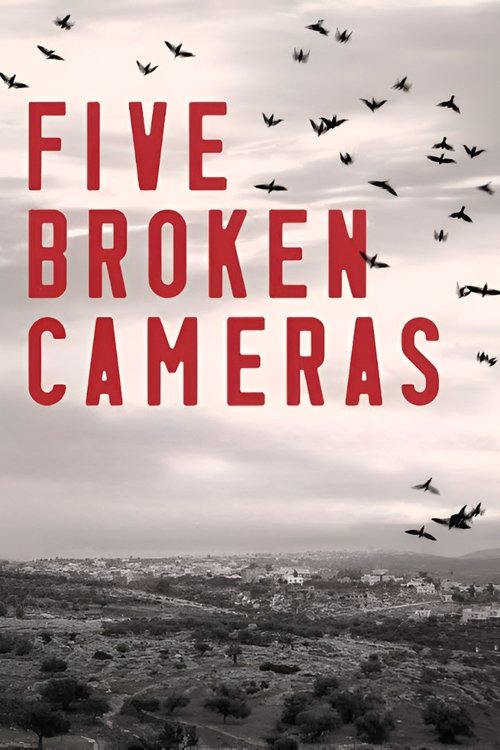
Five Broken Cameras2011
A Palestinian father films Israeli occupation through cameras destroyed and replaced five times. Raw, visceral, and structurally brilliant—turns documentation itself into the subject.
But Handheld footage is deliberately chaotic; the repetition of destruction may feel manipulative depending on your starting position.
Not sure tonight? Get a pick in a minute, starting from Roadmap to Apartheid
The wildcard
Something you would not have found on your own.
The Act of Killing2012
Both films use an explicit historical comparison—apartheid, genocide—as a framework to understand contemporary oppression and the psychology of those who enforce it. Both ask: what does a system do to the people living inside it?
Indonesian documentary about former death squad executioners who recreate their killings as film scenes. Horrifying, strange, and revolutionary—uses theater to reveal how perpetrators rationalize atrocity in ways statistics cannot.
But Extremely disturbing and morally vertiginous; the method (letting killers direct their own story) enrages some viewers on principle. Not for those with trauma histories.

More like this (3)
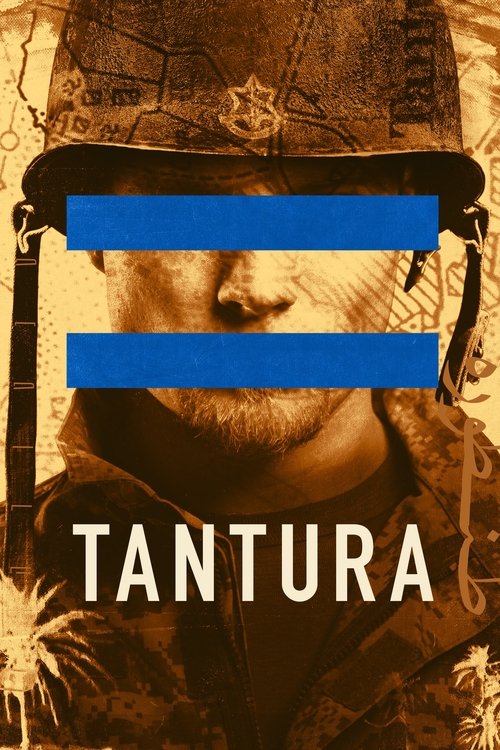
Tantura2022
Israeli documentary examining whether a massacre occurred in a Palestinian village in 1948. Significant for showing how Israelis themselves are investigating contested historical claims.
But Academically paced; the debate about archival evidence matters more than narrative momentum, which isn't for everyone.
Killing Gaza2018
Examines the 2014 military operation in Gaza through testimony and analysis. Factual, well-researched, resists easy framing.
But Covers a specific conflict period rather than systemic issues; less useful if you want long-term historical context.
The Square2013
Like Roadmap, examines systems of control through lived experience rather than policy analysis. Both ask how people maintain dignity and agency under conditions designed to deny both.
Intimate documentary following Egyptian activists during and after the 2011 revolution. Raw footage of how political hope fractures; about what occupation and control feel like moment-to-moment.
But Shifts tone repeatedly and resists clear narrative; the ongoing chaos may frustrate viewers wanting historical distance and resolution.
People
Directing
- Ana NogueiraDirector
- Eron DavidsonDirector