
Film
Tantura
Tantura examines an alleged 1948 massacre of Palestinian civilians by Israeli forces, following researcher Teddy Katz's 1996 discovery and subsequent vilification. The film combines archival material, interviews, and recent evidence to investigate contested history during Israel's War of Independence. It's essential viewing for understanding how trauma and nationalism shape historical memory, but demands intellectual honesty from viewers.
If you liked this
The Act of Killing2012
Werner Herzog's haunting exploration of Indonesian genocide perpetrators who reenact their crimes. Like Tantura, it confronts how societies rationalize atrocity and how memory fractures under the weight of what was done.
But Deeply unsettling and morally complex in ways that refuse easy catharsis. The reenactments are deliberately theatrical, which some find exploitative rather than illuminating.

Shoah1985
Lanzmann's nine-hour oral history of the Holocaust prioritizes testimony and location over archival footage. Both films understand that atrocity lives in memory, contradiction, and the difficulty witnesses have in speaking truth to power.
But Its length is not decorative—it requires patience and emotional stamina. The pacing is deliberately slow, which tests commitment.

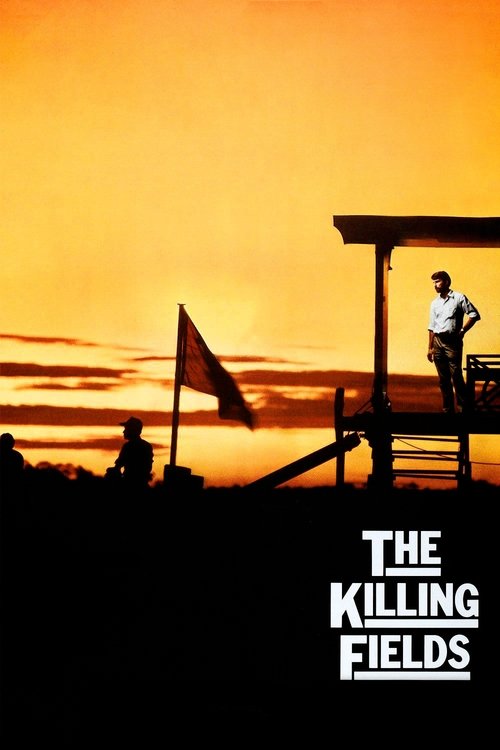
The Killing Fields1984
Based on journalist Dith Pran's true account of the Cambodian genocide, it shows how witnessing atrocity and telling its story carry their own trauma. The film respects both the horror and the humanity of survivors.
But The violence is not abstract—it's visceral and sometimes difficult to watch. The emotional toll builds across the runtime.
Not sure tonight? Get a pick in a minute, starting from Tantura
The wildcard
Something you would not have found on your own.
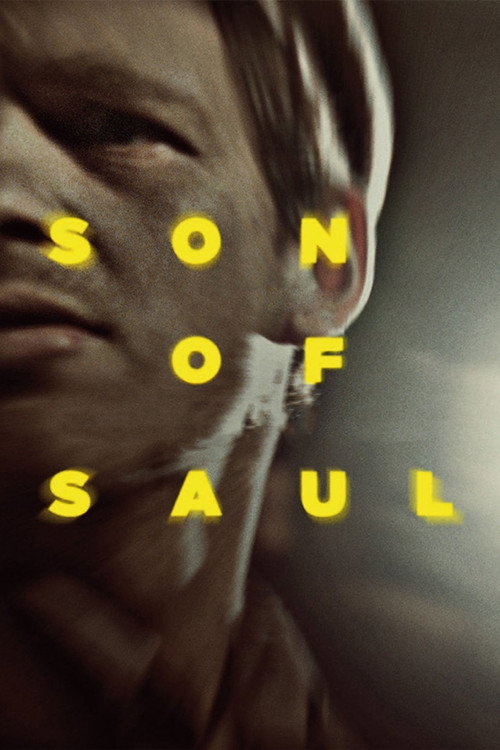
Son of Saul2015
Both films refuse to let atrocity become myth. They insist on the texture of testimony—the specific, contradictory voices of people who were there—rather than grand historical narrative.
A fictional narrative set in Auschwitz following a Sonderkommando who risks everything to give a boy a proper burial. It doesn't explain the Holocaust—it inhabits it from inside, showing how dignity and resistance happen in impossibly constrained spaces.
But The formal strategy of tight framing and sound design makes it claustrophobic and exhausting by design. The ending offers no relief or vindication.
More like this (8)
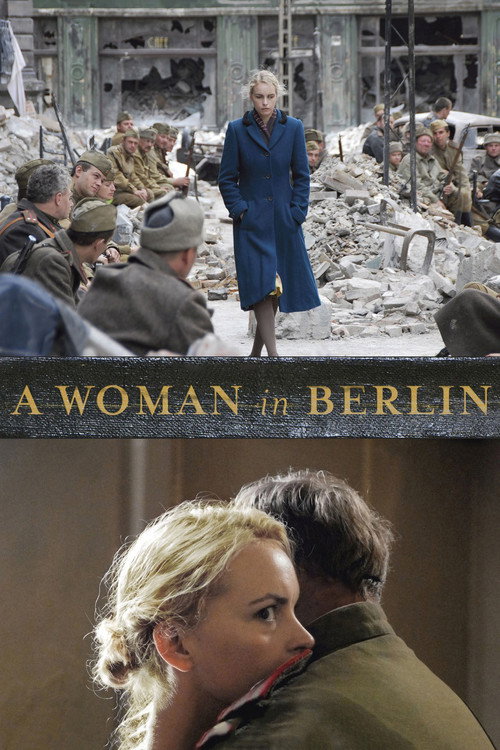
A Woman in Berlin2008
Follows a German woman's diary account of Soviet occupation and sexual violence in 1945. Like Tantura, it's about historical testimony that society wanted silenced, and the courage required to name what happened.
But The sexual violence is central and not circumspect. The ambiguity about collaboration and survival may frustrate viewers seeking moral clarity.
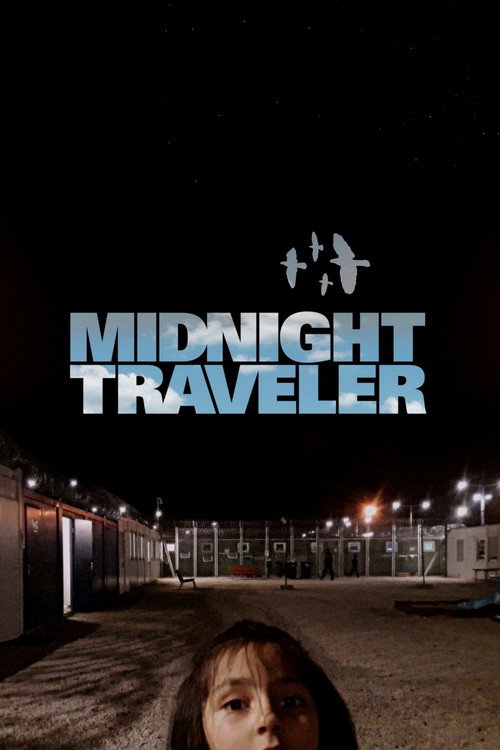
Midnight Traveler2019
Afghan cinematographer Hassan Fazili documents his own family's flight from ISIS, captured entirely on smartphones. It's testimony in real time, showing how displacement and danger remake identity, much like Tantura's witnesses reckon with exile and erasure.
But The handheld format can feel claustrophobic. The stakes are so immediate that it offers no safe distance.
Spotlight2015
Dramatizes the Boston Globe's investigation into Catholic Church abuse, showing how institutions protect themselves and how reporters must pursue uncomfortable truths against resistance. The methodical uncovering mirrors Katz's archival work.
But It's a procedural thriller dressed as important cinema, which some find too neat for the complexity it claims to address.

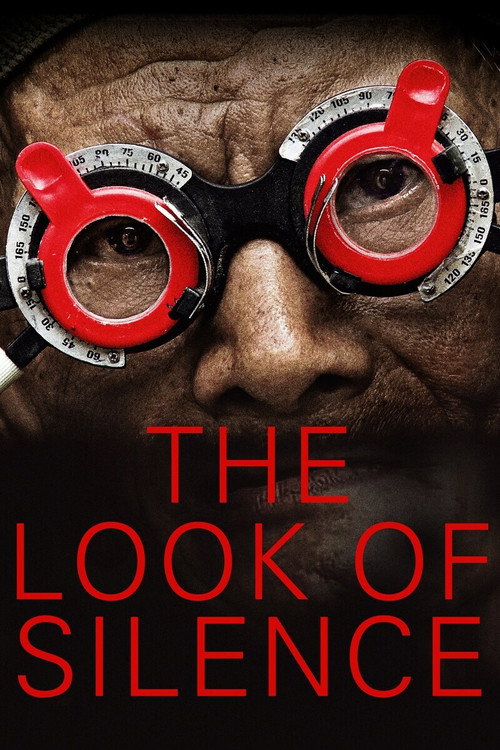
The Look of Silence2014
Joshua Oppenheimer returns to Indonesia after The Act of Killing, following a man confronting the men who killed his brother. It's about living alongside perpetrators and the quiet power of asking them to acknowledge what they've done.
But The pace is meditative to the point of stillness. Viewers expecting conventional documentary momentum may find it maddening.
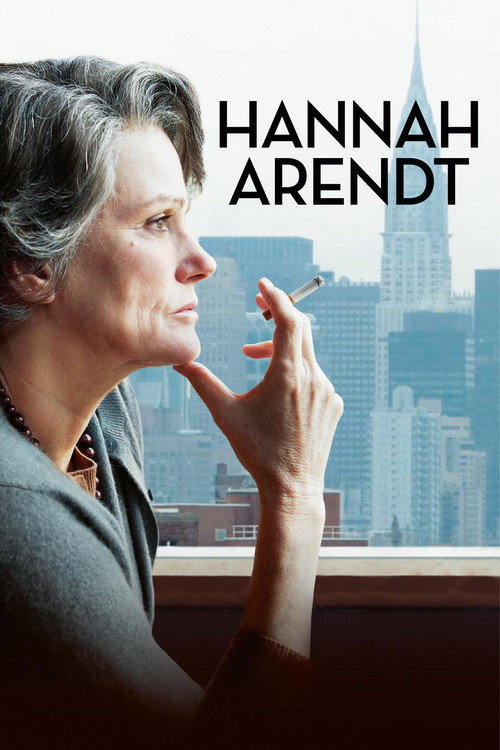
Hannah Arendt2012
Explores the philosopher's reporting on Eichmann's trial and her concept of 'the banality of evil.' Both films grapple with how ordinary people commit extraordinary wrongs and how society punishes those who name it.
But It's a talky intellectual drama with limited visual variety. The ideas matter more than the filmmaking, which some find dry.
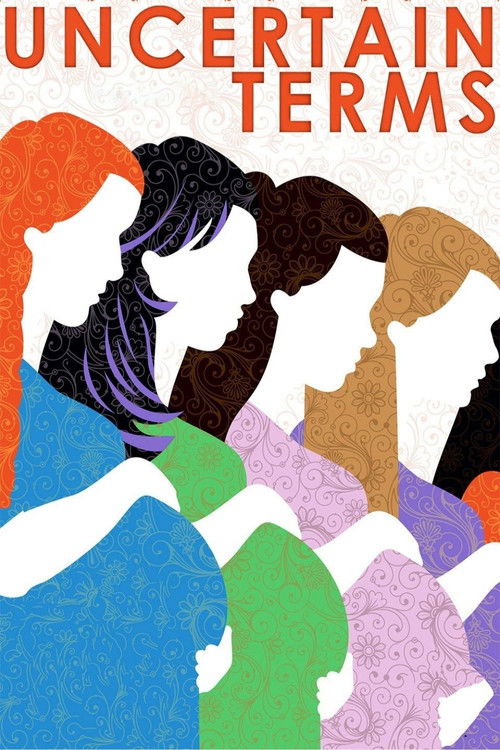
Uncertain Terms2014
Documentary about two Ukrainian women and their experiences before and during Russian invasion, told through intimate interviews and reflection. Like Tantura, it's about how individual testimony becomes history and how power distorts what can be said.
But It's less dramatically structured than conventional documentaries. The lack of explanatory narration requires active engagement from viewers.
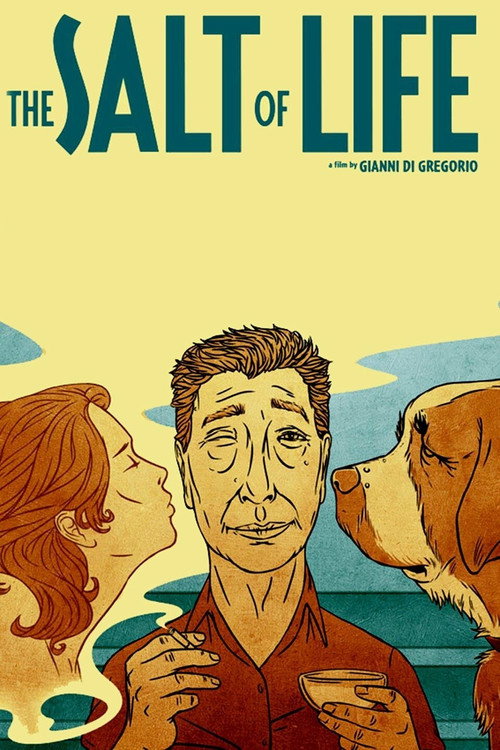
The Salt of Life2011
Both explore how memory and desire reshape reality. The film asks: what stories do we tell ourselves to survive? Tantura asks the same question, but about nations instead of individuals.
A light Italian comedy-drama about aging and desire. Completely different register, but it shares Tantura's interest in how people construct and protect their own versions of truth as time passes and bodies betray them.
But If you're looking for moral weight, this offers none. It's gentle and sometimes feels slight, which can read as evasive.
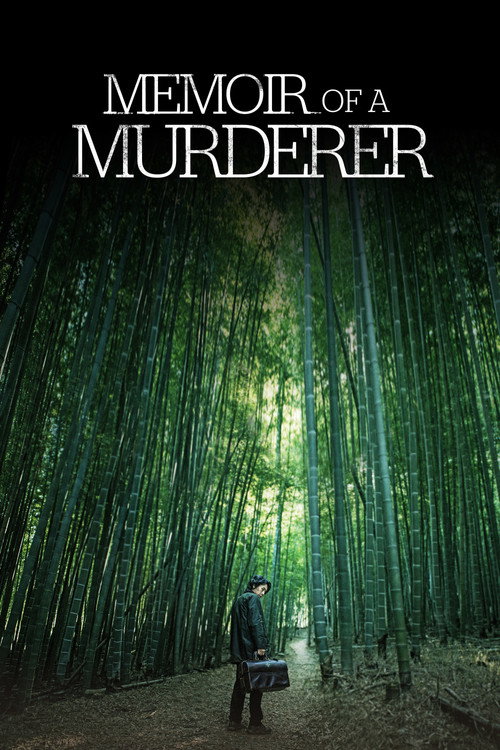
Memoir of a Murderer2017
Both films understand that truth becomes unstable when it depends on testimony, and both refuse the viewer's instinct to settle on a single 'right' interpretation. They ask: what do you actually know, and how did you decide?
A South Korean thriller where a reformed serial killer must prove he didn't commit a recent crime, told entirely from his unreliable perspective. The twist: you come to believe him while trusting nothing he says—exactly the epistemological crisis Tantura creates.
But It's a genre thriller, not a documentary, which may feel like a dodge if you're seeking formal rigor. The twist is also divisive and feels designed to provoke rather than illuminate.
People
Cast
- Yitzhak PintoSelf
- Rachel YochneSelf
- Drora VarblovskySelf
- Tereza CarmiSelf
- Amitzur CohenSelf
- Mulik SternbergSelf
- Shimon KutnerSelf
- Haim LevinSelf
- Hanoch AmitSelf
- Yaakov ErezSelf
- Teddy KatzSelf
- Ruth KatzSelf
Directing
- Alon SchwarzDirector
Writing
- Alon SchwarzWriter
- Halil EfratWriter
- Shaul SchwarzWriter
Production
- Christina ClusiauAssociate Producer
- Ronny MerdingerAssociate Producer
- Barbara DobkinExecutive Producer
- Eric DobkinExecutive Producer
- Ian OreficeExecutive Producer
- Jamie WolfExecutive Producer
- Mike BeckExecutive Producer
- Nathalie SeaverExecutive Producer
- Paula M. FroehleExecutive Producer
- Steven H. CohenExecutive Producer
- Marc ZahakosLine Producer
- Alon SchwarzProducer
- Maiken BairdProducer
- Shaul SchwarzProducer
- Alon SaharResearcher
- Alon SchwarzResearcher
- Amitai KellerResearcher
- Ilay GolanResearcher
- Sami AlaliResearcher
- Shay FogelmanResearcher
- Teddy KatzResearcher