
Film
Midnight Traveler
- Drama
- Survival adventure
- Very dark
An Afghan filmmaker and his family flee the Taliban, documenting their perilous journey to safety on their phones. This is intimate, urgent cinema—no narration, no score, just the raw reality of displacement through the eyes of someone with nothing but a camera and determination to survive. It's for anyone who wants to understand what refugee means beyond statistics.
Should you watch it?
Watch it if you want a close, unpolished record of a family on the move, where the handheld phone footage makes every border feel like it's happening in your own pocket.
Skip it if you need a tidy, narrated overview of asylum policy, since this stays with one family's fear and frustration rather than explaining the system around them.
What it asks of you: Expect shaky, grainy images and long stretches of waiting, across under ninety minutes, with its unease building in the quieter passages rather than in big set pieces.
Not sure? Find tonight's pick in a minute.
If you liked this
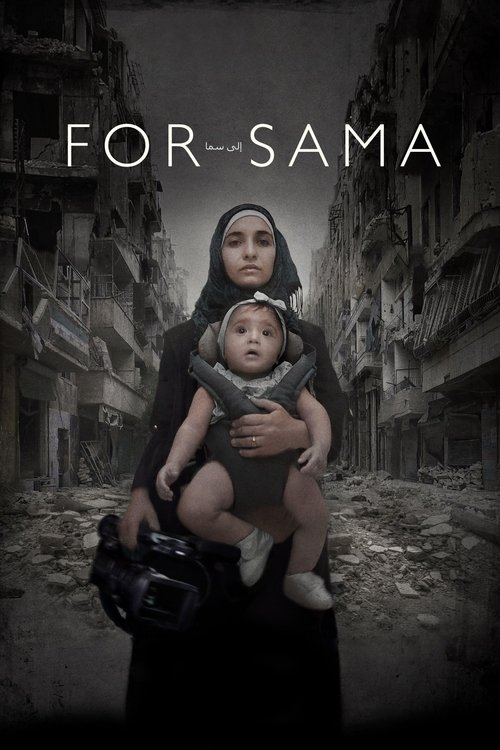
For Sama2019
A Syrian doctor films her life under bombardment in Aleppo, documenting love and terror in equal measure. Like Midnight Traveler, it's a portrait of a family fighting to stay together amid impossible circumstances, made from the footage of someone unwilling to look away.
But It shows graphic violence and the death of children. This isn't distant—it's personal, and that proximity is the point, but also the weight.
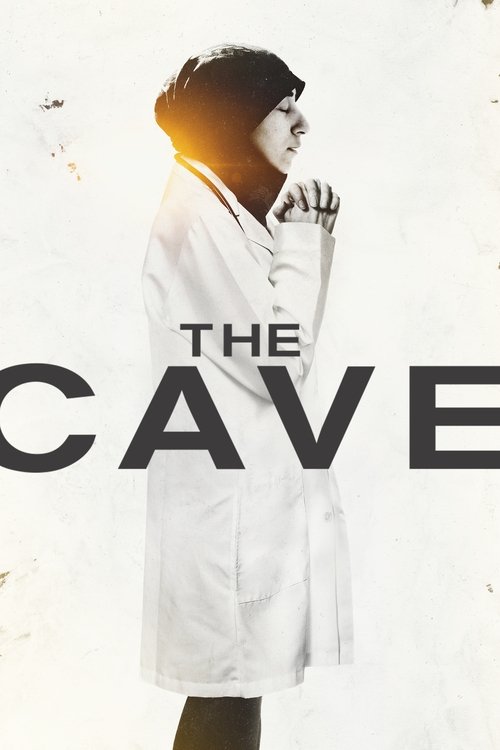
The Cave2019
Another 2019 documentary, this one set in a makeshift hospital in Syria. It has the same claustrophobic intensity and the same commitment to following ordinary people—a female doctor, nurses, patients—through extraordinary horror, without editorializing.
But The medical footage can be hard to watch, and the ending offers no resolution. It sits with you uncomfortably, which is exactly what it means to do.
Come and See1985
Elem Klimov's haunting Soviet film follows a boy conscripted into war. Like Midnight Traveler, it never looks away from the human cost of conflict, and it trusts the viewer to absorb truth without explanation. Devastating and essential.
But Made nearly forty years ago, it's deliberately difficult to watch. The second half reaches into darkness few films dare enter. Not a film you 'enjoy'—you survive it.

Not sure tonight? Get a pick in a minute, starting from Midnight Traveler
The wildcard
Something you would not have found on your own.
Parable of the Sower
Both are about the refusal to disappear. Hassan documents his family's journey because a camera is an act of resistance; Butler's protagonist builds community and ritual against the assumption that some lives don't matter. Same muscle, different medium.
An audiobook-plus-animation adaptation of Octavia Butler's visionary 1993 novel set in a collapsing America. Like Midnight Traveler, it's the intimate chronicle of a family in motion, navigating danger and building resilience—but science fiction lets you see displacement through a estranging lens that paradoxically makes it more human.
But It's animated, which some documentary viewers find frivolous for serious subject matter. The speculative-fiction framework also risks feeling like it's 'not real enough'—a misreading, but an understandable one.
More like this (6)
A Sun2019
Chung Mong-hong's Taiwanese family drama unfolds through intimate handheld camera work following two sons on divergent paths. It shares Midnight Traveler's commitment to observing lives as they're lived, without sentimentality or judgment.
But It's three hours, and deliberately meandering. The emotional payoff is earned, not handed to you. Patience is required.

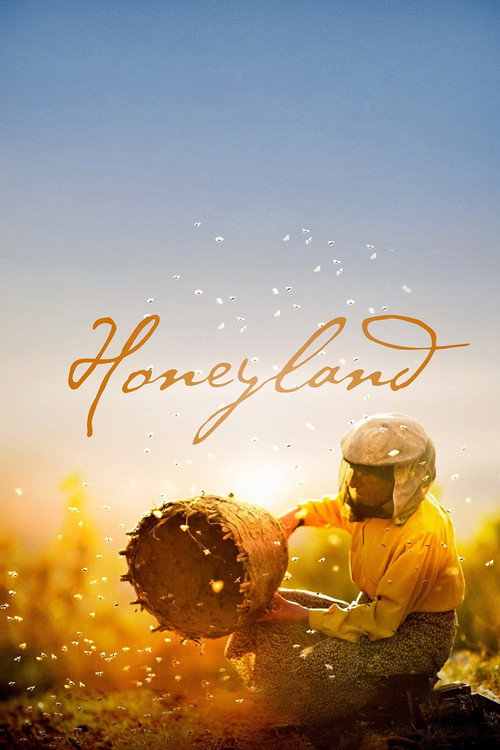
Honeyland2019
Shot over three years in North Macedonia, it documents an elderly beekeeper's relationship with her sister and a young neighbor. It's quieter than Midnight Traveler, but equally committed to showing how people build meaning in precarious circumstances.
But Nothing dramatic happens. If you're looking for plot, you're in the wrong film. It's pure observation, and the reward is subtle.
The Farewell2019
A family secret brings siblings back to China in this hybrid narrative-documentary feel. It shares Midnight Traveler's interest in how families navigate crisis and cultural displacement, though filtered through a different register: less urgent, more wry.
But The tone shifts between comedy and heartbreak, and not everyone finds that balance satisfying. Some will want it to commit to one or the other.

The Hottest August2019
Stan Douglas interviews New Yorkers during a sweltering month in 2017. It's essayistic and digressive, finding humanity in ordinary people's stories—the same impulse that drives Midnight Traveler, just rooted in comfort rather than crisis.
But It's abstract and resistant to narrative. Some viewers will find it pointless; others will see it as cinema. You have to be in the mood for ambiguity.

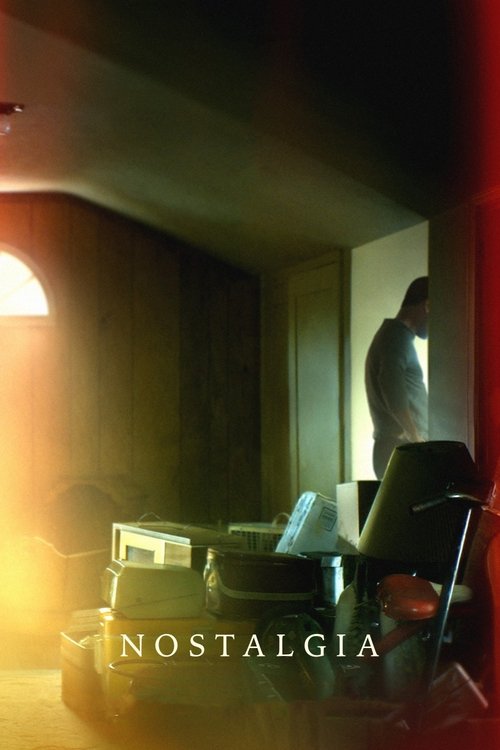
Nostalgia2018
Both films understand that displacement isn't a story to be resolved—it's a condition to be lived in. Midnight Traveler forces you to feel the motion; Nostalgia makes you still, and the stillness holds the same grief.
Hou Hsiao-hsien's film follows an old woman and her caregiver in Rome, moving through monuments and memory with glacial, gorgeous precision. No plot—just the weight of displacement, exile, and what remains when everything is left behind. The opposite aesthetic, the same wound.
But It's 173 minutes of deliberately unmotivated camera movement. Patience stops being a virtue and becomes a test. Most viewers will quit.
The Act of Killing2012
Both films argue that cameras don't just record reality—they're instruments through which people claim agency and authority over their own story. Midnight Traveler uses that power to survive and witness. The Act of Killing shows what happens when it's deployed without conscience.
Joshua Oppenheimer documents Indonesian death-squad leaders reconstructing their mass murders on film. It's a documentary about film, about testimony, about how people narrate atrocity. Hassan uses a camera to preserve the truth of what happened to him; these men use it to rehearse power over their victims. The inversion is instructive.
But It's morally and emotionally toxic by design. Watching perpetrators cinematically reclaim their violence is sickening—it's meant to be. This is not cathartic or comfortable viewing.

People
Cast
- Hassan FaziliHimself
- Fatima HussainiHerself
- Nargis FaziliHerself
- Zahra FaziliHerself
Directing
- Hassan FaziliDirector
Writing
- Emelie Coleman MahdavianScreenplay
Production
- Emelie Coleman MahdavianProducer
- Su KimProducer
Recommended by
Human Flow, Fire at Sea, Which Way Home, Once Upon a Time in Northern Ireland, A Syrian Love Story, Cries from Syria, Of Fathers and Sons, Amandla! A Revolution in Four-Part Harmony, Notturno, The World's Most Amazing Vacation Rentals, The Last Shelter, Pray the Devil Back to Hell, Sing Me a Song, Tantura, Exterminate All the Brutes, Sing Your Song