
Film
The Last Shelter
- Slow-burning
A documentary about migration, displacement and hope centred on Gao, Mali—a transit city where people fleeing conflict and poverty pause before attempting the deadly journey to Europe. It's an intimate, unflinching look at the human cost of movement across borders, told through the stories of people caught between desperation and impossible choices. For anyone trying to understand migration beyond headlines.
Should you watch it?
Watch it if you want patient, observational documentary that lets people in a crossroads town speak for themselves, and you are willing to sit with hard circumstances rather than be guided through them.
Skip it if you need a clear narrative spine, since this runs on waiting and atmosphere in a single town and may feel slow.
What it asks of you: Eighty-five minutes, unhurried, with long stretches of ordinary days and few signposts to tell you how to feel; it rewards staying still and paying close attention.
Not sure? Find tonight's pick in a minute.
If you liked this
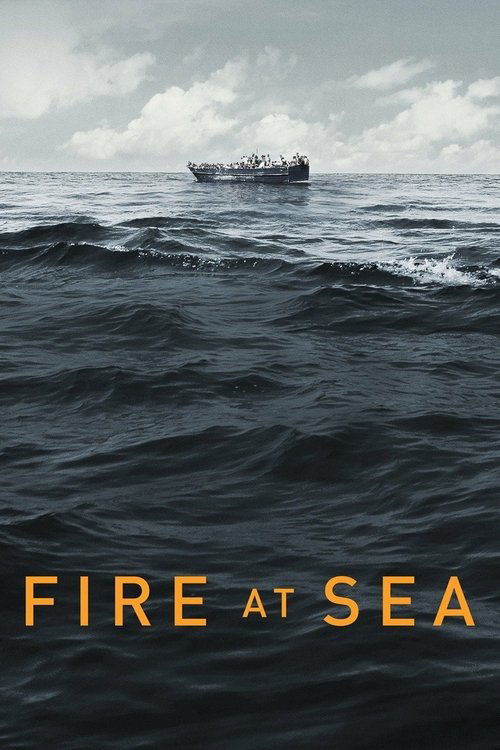
Fire at Sea2016
Gianfranco Rosi's film observes daily life on Lampedusa, the Italian island where African migrants first arrive in Europe. It builds empathy through quiet observation rather than narration, letting the landscape and routine speak.
But Deliberately paced and sparse. If you need clear narrative momentum or explicit emotional cues, you'll find it slow.
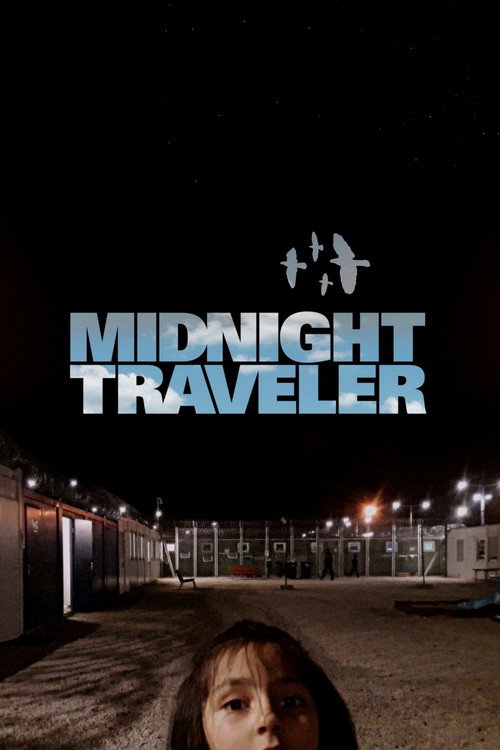
Midnight Traveler2019
An Afghan family documents their own escape from Taliban-controlled Afghanistan, filming on smartphones as they travel toward Europe. The immediacy of self-recorded footage creates an intimacy most documentaries can't match.
But Hand-held phone footage and fragmented structure can feel chaotic. Some viewers find the aesthetic frustrating rather than powerful.
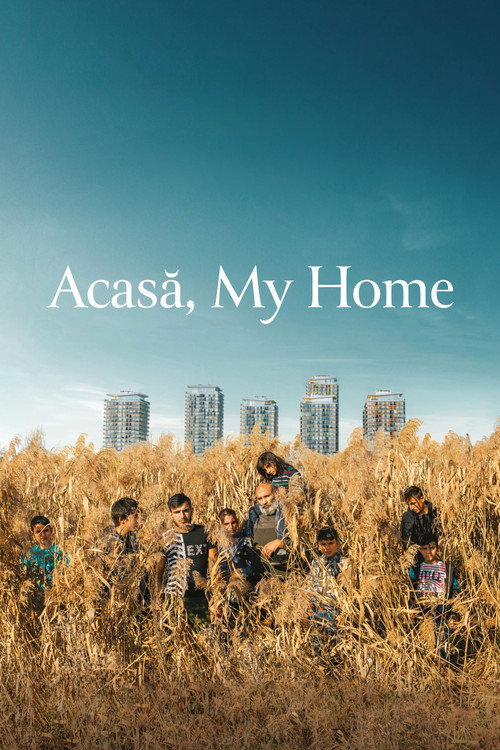
Acasă, My Home2020
Radu Cindir films a Romanian family resisting eviction from their illegal home on the edge of Bucharest. It's about dispossession and belonging, shot with tenderness for people society has written off.
But The pacing is glacial and the outcome bleak. This isn't designed to console you or offer resolution.
Not sure tonight? Get a pick in a minute, starting from The Last Shelter
The wildcard
Something you would not have found on your own.
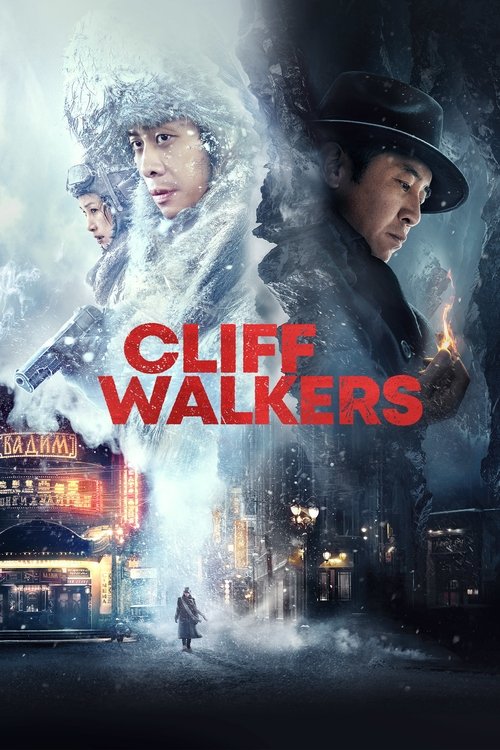
Cliff Walkers2021
Both films centre West African perspectives on displacement and belonging, refusing to frame migration as purely a crisis or external problem. Both trust visual language over explanation.
Senegalese filmmaker Alain Gomis returns to his homeland and explores what 'home' means for people with no clear place. Shot in colour, intimate, poetic—less urgent reportage, more philosophical portrait.
But It's essayistic and introspective, not a structured argument about migration. Viewers wanting journalistic clarity will find it elusive.
More like this (6)
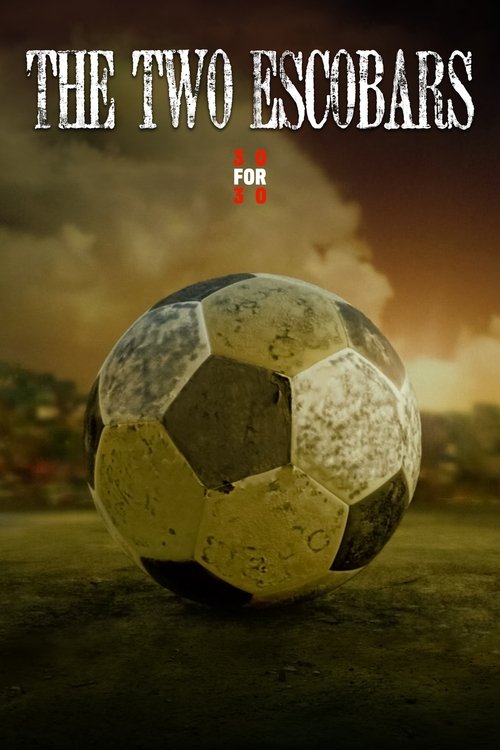
The Two Escobars2010
A 30 for 30 doc that weaves together Colombian football and the drug trade, showing how personal ambition collides with systemic violence. Gripping and formally inventive.
But Football isn't the real subject—it's just the frame. If you want sports content, you'll feel misled.
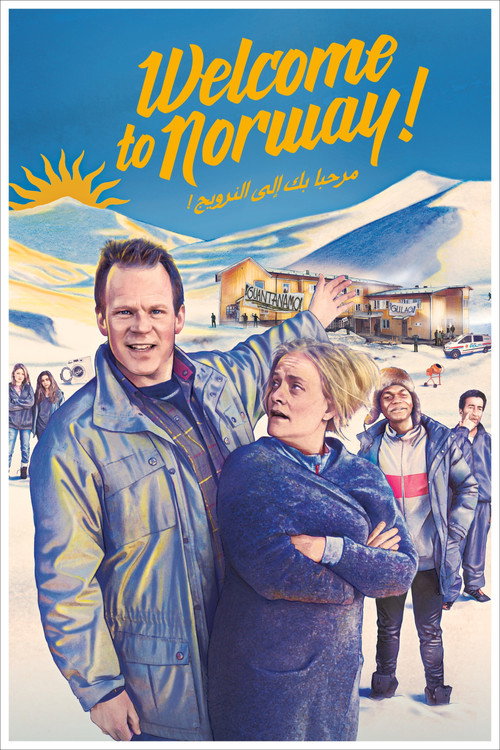
Welcome to Norway!2016
Follows refugees arriving in Norway and navigating integration. It's compassionate without being sentimental, curious about both the newcomers and the locals trying to help them.
But The Scandinavian setting feels gentler than African displacement stories. Some may find it less urgent or morally complex.
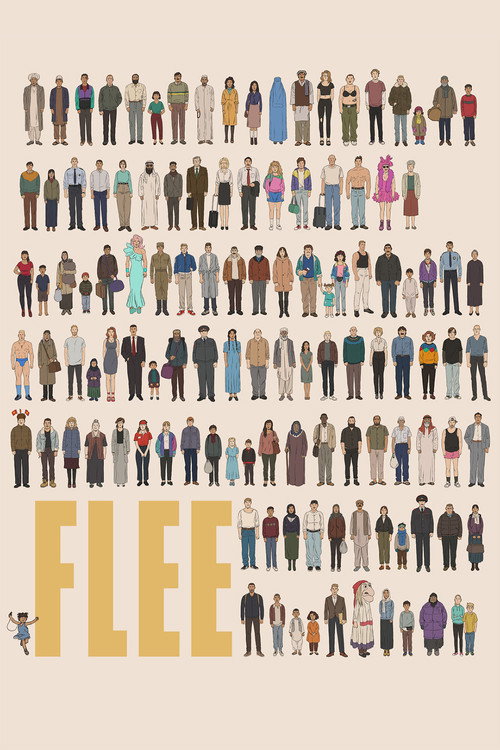
Flee2021
Animated documentary about an Afghan refugee's journey from Kabul to Denmark. The animation allows emotional truth to surface in ways live-action sometimes can't; it's visually gorgeous.
But Animation in documentary can feel stylised or distancing to viewers expecting conventional reporting. Some find the choice gimmicky.
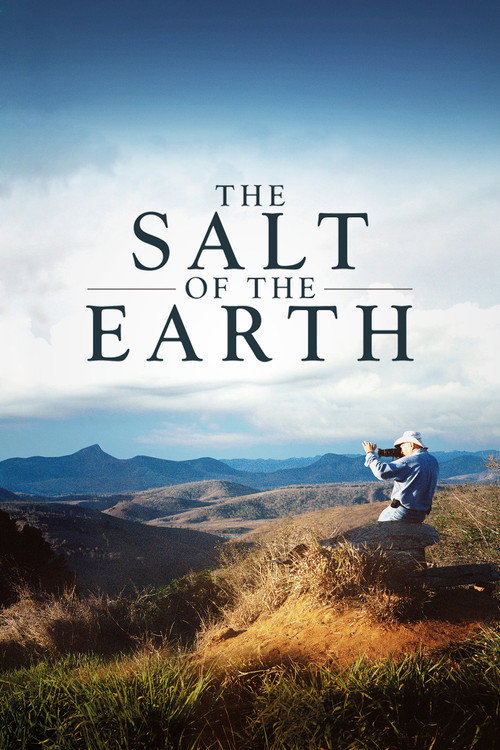
The Salt of the Earth2014
Sebastião Salgado's photographs of displacement and labour are paired with his own reflections. It's about witnessing suffering and what photographers owe to their subjects—essential viewing.
But Dense and philosophically heavy. If you want clarity over meditation, this will feel indulgent.
La Haine1995
Both explore how geography traps people. Last Shelter shows the border that keeps people out; La Haine shows the internal borders that keep people contained. Same apparatus, different borders.
Mathieu Kassovitz's 24-hour portrait of three young men in a Paris banlieue—ignored, profiled, contained by systemic neglect. A masterpiece about the geography of exclusion and how it shapes lives.
But Shot in 1995; some visual language feels dated. Also a fiction film, not documentary—a different medium entirely.

Night and Fog1956
Both films ask: how do you document mass displacement and human suffering without sensationalising it? Both trust silence and observation over exposition. Both know the camera's responsibility.
Alain Resnais' 30-minute meditation on Auschwitz is the template for documenting atrocity. Black-and-white archival footage paired with colour present-day shots, and a voice that carries unbearable weight. Essential.
But Unbearably heavy. This isn't a film you watch for pleasure; it's a film you watch as obligation, and it shows.
People
Directing
- Ousmane SamassekouDirector
Production
- Don EdkinsProducer
- Estelle Robin-YouProducer