
Film
Pray the Devil Back to Hell
A documentary about the Liberian women—Muslim and Christian, young and old—who organized across religious and ethnic lines to demand an end to their country's devastating civil war. Their sustained, unarmed pressure forced warlords and politicians to the negotiating table. Intimate and urgent, it's a portrait of ordinary people discovering extraordinary collective power.
Should you watch it?
Watch it if you are drawn to real people's own accounts of organising under gunfire, of collective nerve, more than to sweeping historical overviews.
Skip it if you need slick, cinematic storytelling, since this is modest, talky and often plays like a run of testimonies in sequence.
What it asks of you: At seventy-two minutes it is short and unhurried, asking you to stay with people as they speak at length, so patience counts for more than pace.
Not sure? Find tonight's pick in a minute.
If you liked this
The Act of Killing2012
Indonesian death-squad perpetrators confront their own atrocities through filmmaking. Like Pray the Devil, it asks how societies reckon with violence and whether dialogue can bridge seemingly unbridgeable divides.
But Watching men casually describe mass murder is deeply unsettling. The approach is deliberately provocative rather than cathartic.

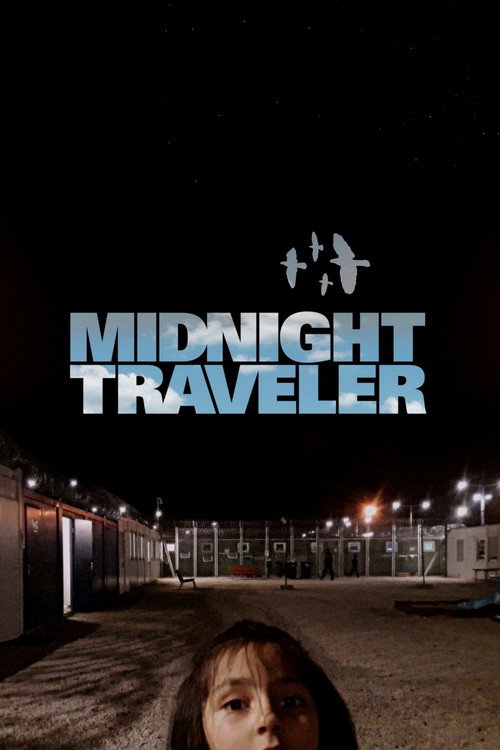
Midnight Traveler2019
An Afghan director documents his family's escape from the Taliban with a smartphone. Intimate, urgent, and made under threat—it captures desperation and determination with raw immediacy.
But The image quality is deliberately rough and handheld; the story remains unresolved, offering no easy catharsis.
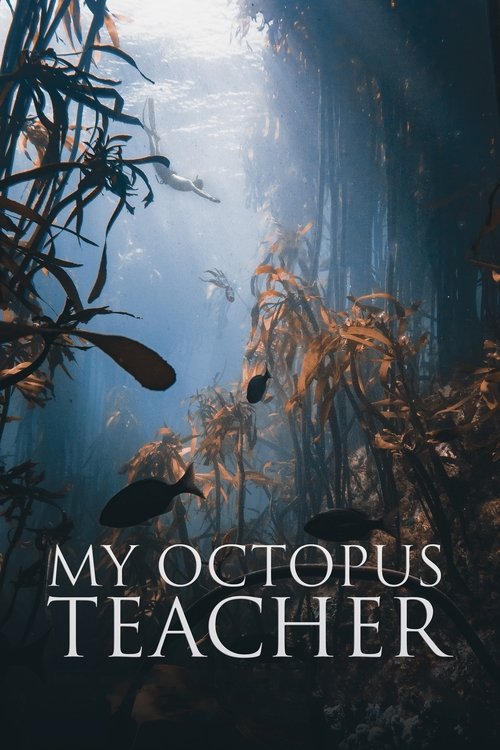
My Octopus Teacher2020
A man's year-long observation of a wild octopus becomes a meditation on patience, wonder, and interconnection. The slow, attentive gaze mirrors the documentary form at its most contemplative.
But If you're looking for human drama or conflict, this is almost aggressively gentle and inward-turning.
Not sure tonight? Get a pick in a minute, starting from Pray the Devil Back to Hell
The wildcard
Something you would not have found on your own.
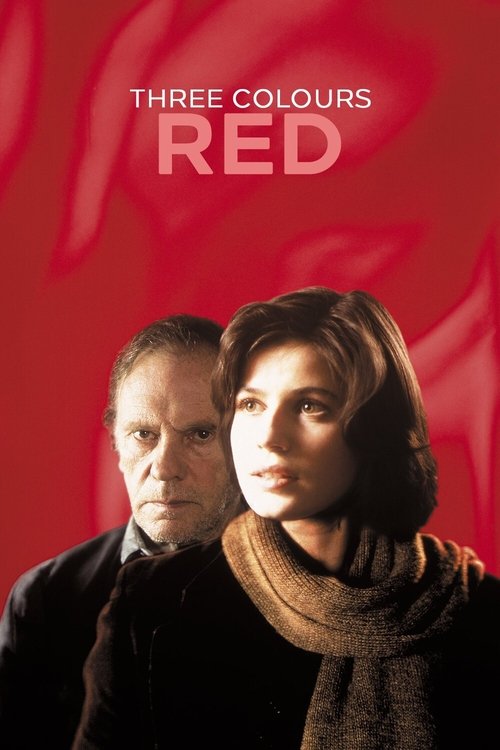
Three Colors: Red1994
Both films trust in the mystery of human solidarity. Pray the Devil shows women finding unity through organized action; Red suggests connection is woven into existence itself, visible only obliquely.
Kieslowski's final film is a meditation on human connection, fate, and the impossibility of knowing another person fully. It's formally ambitious and philosophically searching—not about conflict, but about the threads that bind strangers.
But It's slow, abstract, and deliberately elusive. If you want clarity or plot, you will be frustrated.
More like this (4)
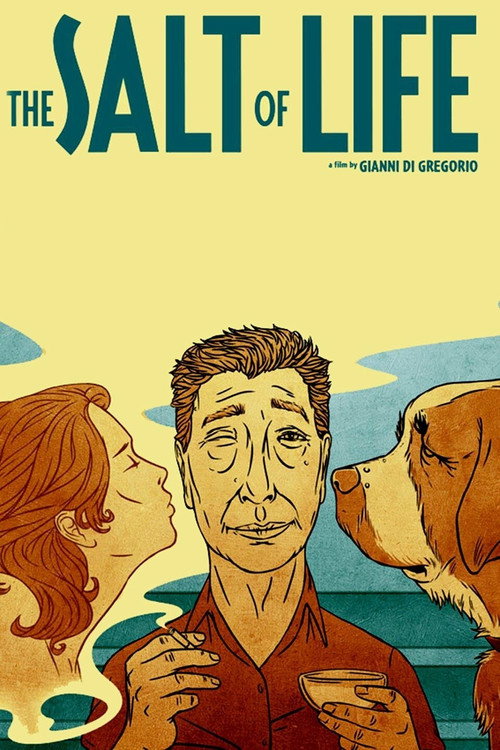
The Salt of Life2011
Italian women in Senegal fight for fishing rights and food security. It connects women's activism to survival economics, showing how personal and political are inseparable.
But The film is regionally focused and understated; it won't give you the narrative satisfaction of a resolved conflict.
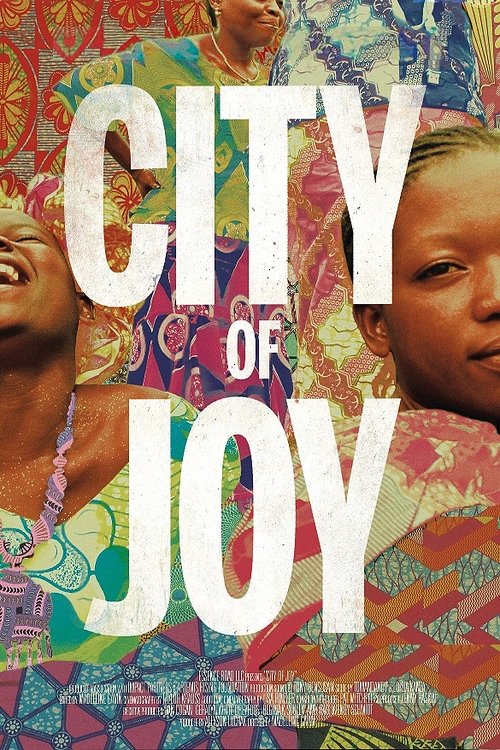
City of Joy2016
Young Congolese women at a sanctuary support each other through trauma and reclaim agency. Tender and defiant, it shares Pray the Devil's faith in solidarity as salvation.
But The documentary format feels sometimes didactic; it risks reducing complex lives to their wounds.
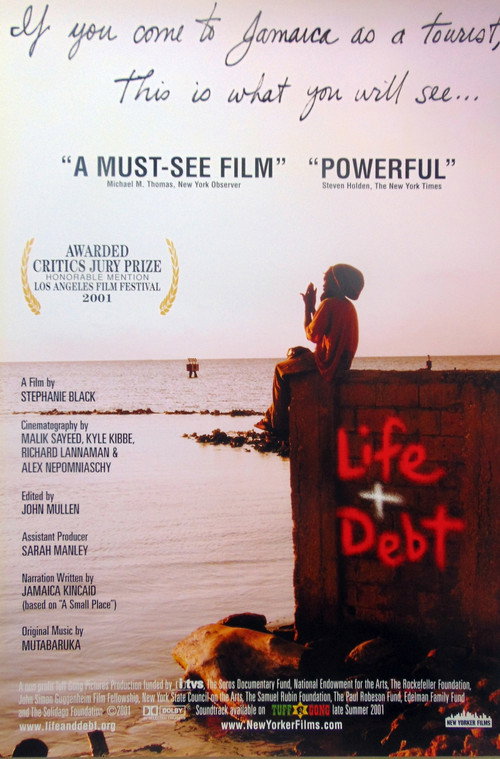
Life and Debt2001
Both films show systemic violence that doesn't announce itself as violence. Pray the Devil depicts direct conflict; Life and Debt reveals how power operates invisibly through institutions and debt.
Stephanie Black's essay-film uses music, archival footage, and montage to show how Jamaica's economy was colonized by the IMF. It's formally inventive—layering sound and image to create argument rather than state it.
But There's no narrator explaining what you're seeing. The film demands active interpretation and will alienate viewers seeking conventional documentary structure.
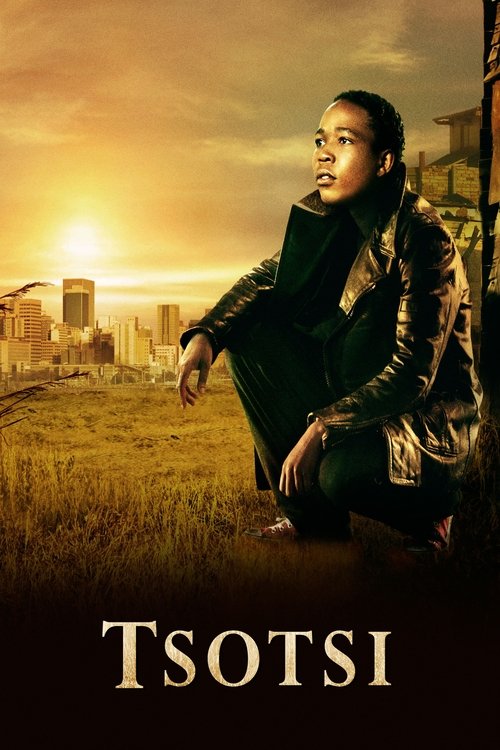
Tsotsi2005
Both films are set in post-conflict African nations asking how people move beyond violence. Tsotsi explores this through one damaged man; Pray the Devil through collective female will. Together they suggest redemption requires both personal transformation and social demand.
A South African crime thriller about a young gang member forced to reckon with his humanity. It has the narrative drive and emotional punch of Pray the Devil inverted—not collective healing, but one man's terrible journey toward it.
But It's violent and morally murky, with a protagonist who does unconscionable things. The ending offers hope but not absolution.
People
Cast
- Janet Johnson BryantHerself
- Etweda CooperHerself
- Vaiba FlomoHerself
- Leymah GboweeHerself
- Asatu Bah KennethHerself
- Etty WeahHerself
Directing
- Gini RetickerDirector
Production
- Johanna HamiltonCo-Producer
- Abigail DisneyProducer
Recommended by
He Named Me Malala, Trembling Before G-d, On Her Shoulders, Kidnapped for Christ