
Film
On Her Shoulders
On Her Shoulders follows Nadia Murad, a Yazidi genocide survivor and trafficking victim, as she becomes an unexpectedly powerful advocate for her people. The film watches her navigate international politics, media scrutiny, and the personal cost of being a symbol. It's intimate and urgent—less about inspiring heroism than the exhausting reality of survival and witness.
Should you watch it?
Watch it if you want a close, patient look at how a survivor's testimony gets handled once it leaves her mouth and enters the machinery of diplomacy and celebrity.
Skip it if the core of it is harrowing testimony about atrocity, so if you need distance from that subject right now, its weight may be more than you want.
What it asks of you: At 95 minutes it moves at an observational pace, lingering in meetings and waiting rooms rather than building toward a dramatic arc.
Not sure? Find tonight's pick in a minute.
If you liked this
The Act of Killing2012
A documentarian confronts mass murderers with their own crimes, forcing them to reenact atrocities. Like Nadia's testimony, it's about the weight of truth-telling and how we process evil when perpetrators won't.
But Extremely difficult to watch. Complicit in the perpetrators' narcissism in ways that will disturb you for days afterward.

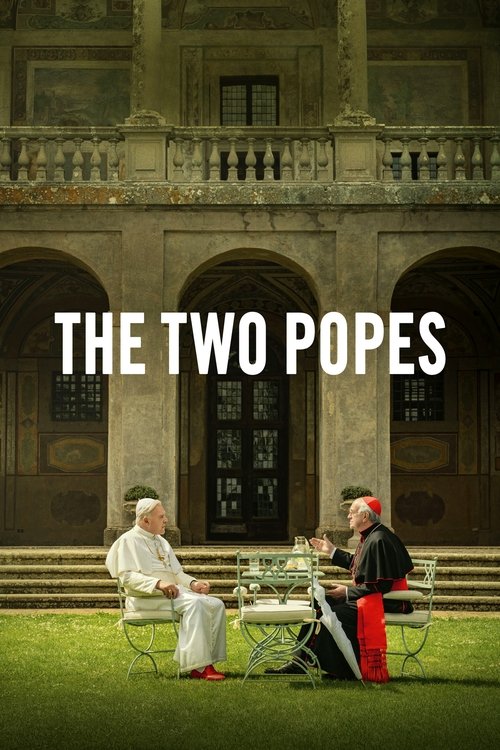
The Two Popes2019
Pope Francis and Benedict XVI discuss faith, suffering, and institutional accountability in a fraught meeting. Both films centre on the collision between personal conscience and institutional power.
But Dialogue-heavy and stagey. If you want plot momentum, you'll feel it dragging.
Spotlight2015
Journalists methodically expose institutional abuse and cover-up. It shares Nadia's film's interest in how truth emerges through testimony, and the bureaucratic machinery that either enables or obstructs it.
But Procedural and measured—designed to frustrate viewers wanting confrontation or catharsis.

Not sure tonight? Get a pick in a minute, starting from On Her Shoulders
The wildcard
Something you would not have found on your own.
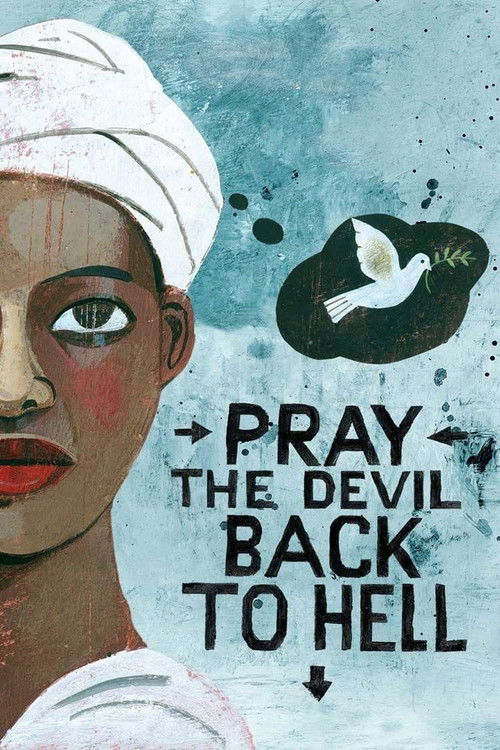
Pray the Devil Back to Hell2008
Both films centre on women reclaiming agency after atrocity, but Murad's story is solitary witness while this is collective organizing—the inverse approach to the same work.
Liberian women organize across religious and ethnic lines to end their country's civil war. Like Nadia's story, it documents how survivors of unimaginable violence mobilize, but from collective action rather than individual testimony.
But Less polished than contemporary documentaries, and the focus on group organizing rather than charismatic individuals might feel less dramatically satisfying.
More like this (8)
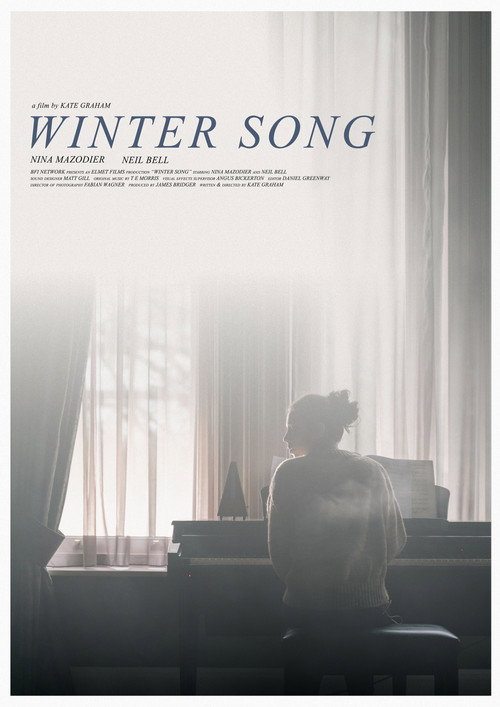
Winter Song2023
A Syrian woman and Palestinian man meet in occupied territory, their fragile connection mirroring political impossibility. Quiet, character-driven study of trauma and desire in conflict zones.
But Deliberately paced, almost painterly. Resistance to plot will test your patience.
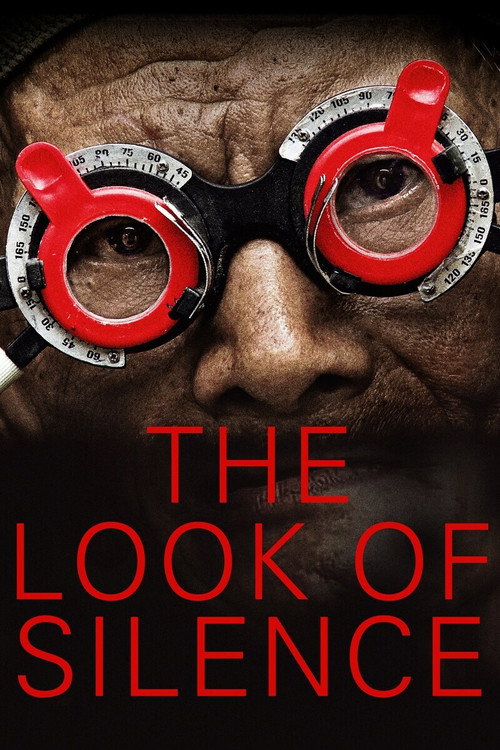
The Look of Silence2014
A man confronts the people who murdered his brother during Indonesia's genocide. Like Nadia's journey, it's about survivors reclaiming voice in spaces designed to silence them.
But Physically and morally uncomfortable. The film doesn't provide resolution or safety.
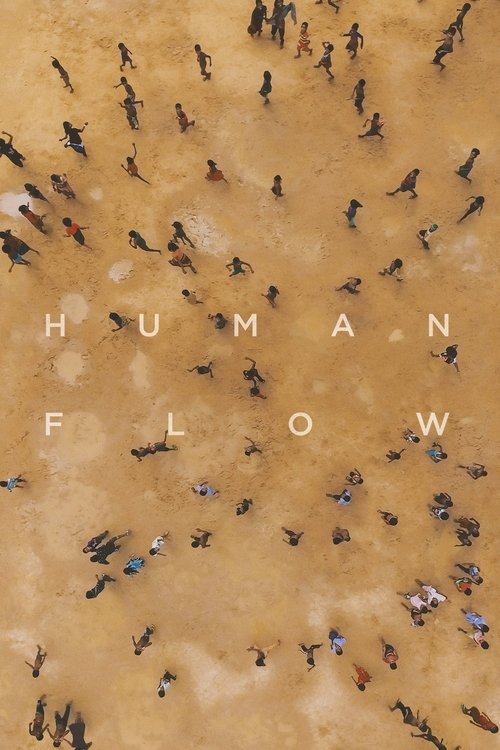
Human Flow2017
Ai Weiwei's sprawling documentary on the global refugee crisis, including perspectives on displacement and survival. Broader canvas than Nadia's story, but aligned in moral urgency.
But Episodic and sometimes overwhelming. Can feel like watching a series of testimonies rather than a cohesive narrative.
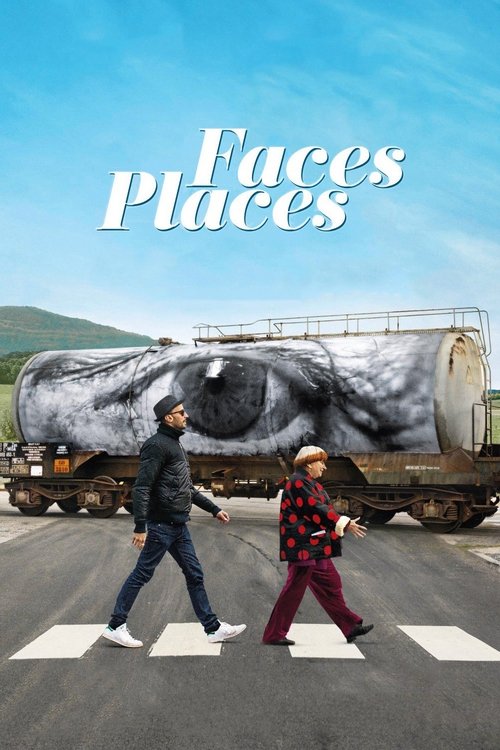
Faces Places2017
Agnès Varda and JR travel rural France creating collaborative art with ordinary people. It's about listening, witnessing, and allowing others to be seen—thematically connected to Nadia's work.
But Gentle and digressive. If you want gravity about serious subjects, this refuses to perform that.
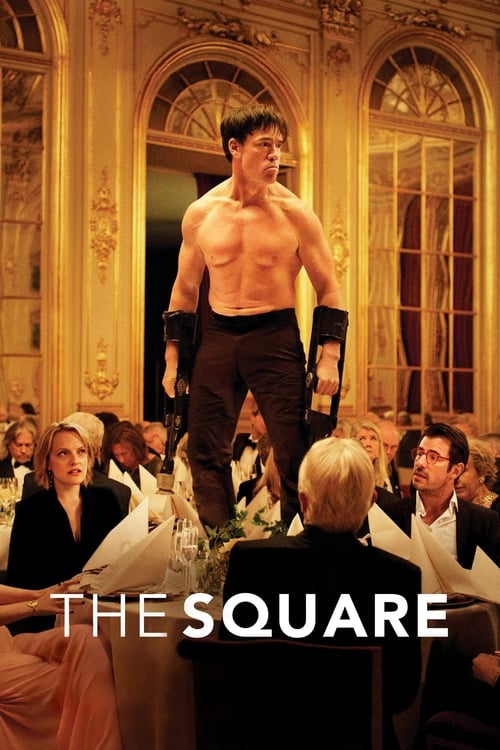
The Square2017
Jehane Noujaim documents the Egyptian revolution with an eye to how idealism meets institutional inertia. Questions of who speaks and whose voice matters echo throughout.
But Chaotic and structurally messy, matching its subject but testing viewer patience.
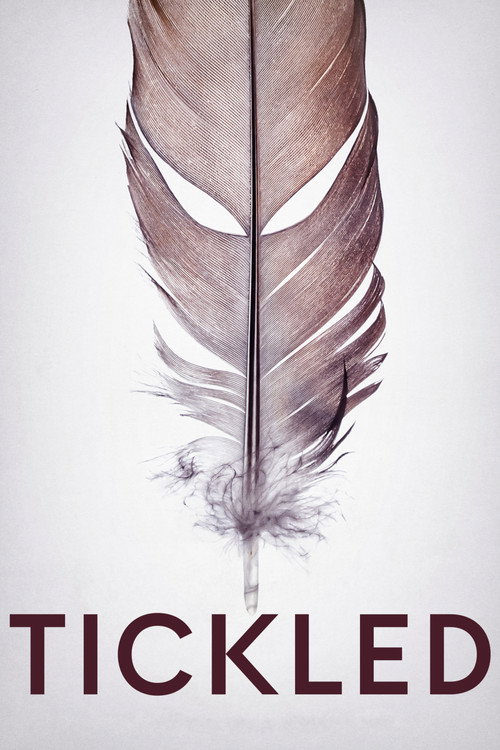
Tickled2016
A critic investigates a secretive online subculture and uncovers abuse and exploitation. It shares Nadia's film's interest in hidden systems of harm and the difficulty of exposure.
But Tonal whiplash from humour to genuine menace. The subject matter's creepiness lingers uncomfortably.
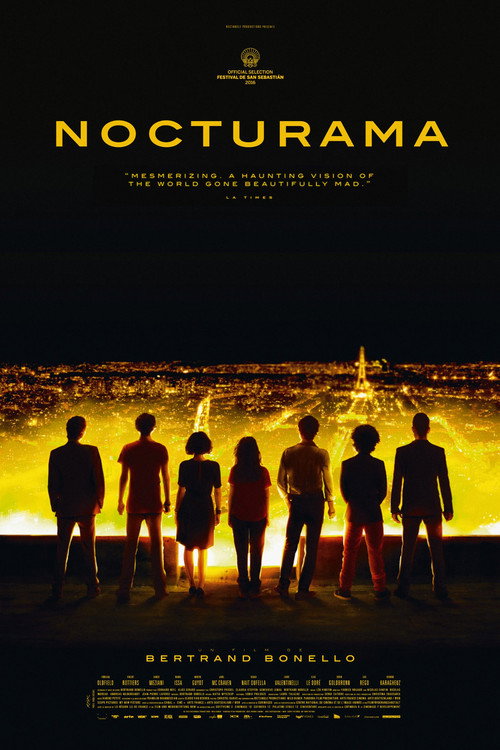
Nocturama2016
Where Nadia uses testimony and institutions to bear witness, this film depicts those excluded from institutional platforms altogether—those whose act of witness is deemed terrorism.
A cell of young activists carries out political attacks in Paris, then shelters in a department store overnight. A formally inventive thriller that questions how ideology becomes action and who gets to tell the story of resistance.
But Deliberately opaque about motivation. It refuses moral clarity and asks you to sit with ambiguity in ways most audiences find frustrating.
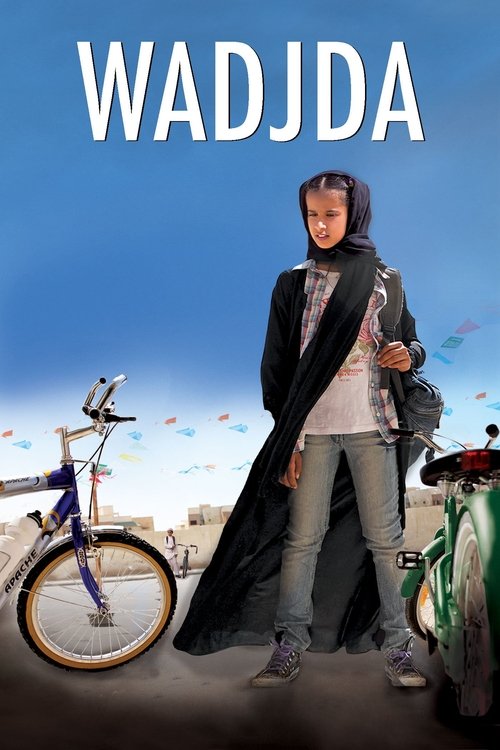
Wadjda2012
Both centre on young women finding voice and agency in systems designed to contain them, but Wadjda chooses everyday resistance over tragedy, fictional narrative over documentary witness. Same power dynamics, entirely different register.
A Saudi girl wants a bicycle and navigates family, school, and religious restriction with ingenuity and humour. A narrative film about constrained agency under patriarchal systems, shot with such warmth and specificity it feels like documentary truth.
But The stakes feel small compared to Nadia's testimony—a girl and a bike. The gentleness might read as diminishing real oppression.
People
Cast
- Nadia MuradSelf
- Murad IsmaelSelf
 Amal ClooneySelf
 Ban Ki-moonSelf
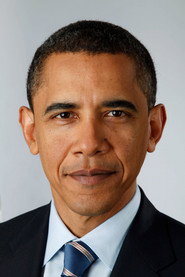 Barack ObamaSelf
Directing
- Alexandria BombachDirector
Production
- Adam BardachExecutive Producer
- Alison KlaymanExecutive Producer
- Bryn MooserExecutive Producer
- Marie Therese GuirgisExecutive Producer
- Matt IppolitoExecutive Producer
- Brock WilliamsProducer
- Hayley PappasProducer