
Film
Faces Places
- Light-hearted
Agnès Varda, the 89-year-old godmother of French cinema, and JR, a young street artist who pastes massive photographs on buildings, drive through rural France together. What could be a gimmick becomes genuinely moving—a film about memory, mortality, connection, and what it means to leave your mark on the world. Tender and funny in equal measure.
Should you watch it?
Watch it if you love documentaries that wander with their makers, following curiosity over a fixed plan, and find warmth in ordinary faces, portraits of villages and the small human stories that surface along the road.
Skip it if you want a film with a clear destination or sharp argument, since this drifts and digresses, leaning on whimsy more than on any single point.
What it asks of you: Patience for detours: it runs a brisk ninety-four minutes yet happily stops for chance conversations, lingers on faces, and lets its two companions tease each other as the miles roll by.
Not sure? Find tonight's pick in a minute.
If you liked this
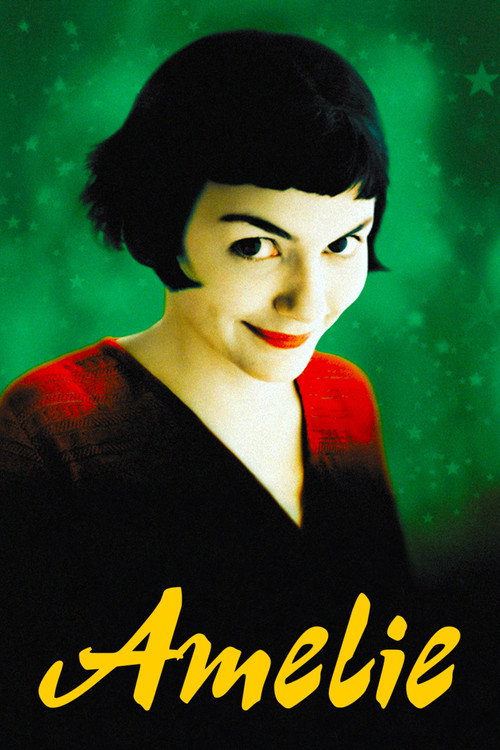
Amélie2001
Another love letter to Paris and French life, filtered through visual whimsy and an eye for small human moments. Shares Varda's gift for finding joy in the overlooked.
But The quirk can feel calculated if you're not in the mood for it. Some find the twee aesthetic more precious than moving.
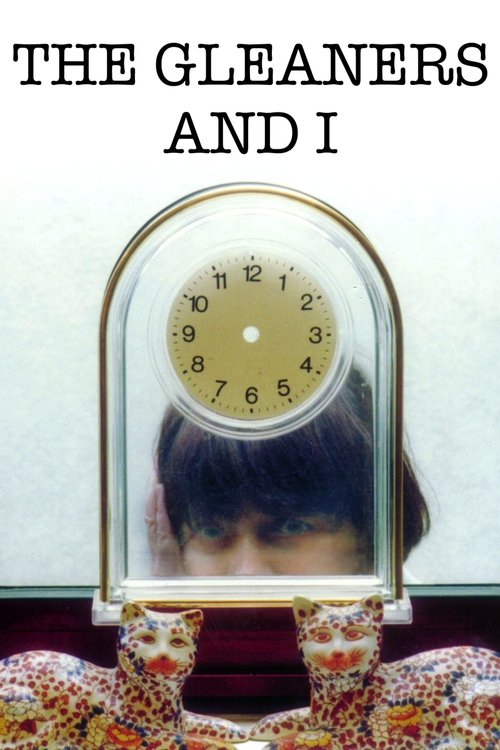
The Gleaners and I2000
Varda's earlier documentary essay about people who collect food from harvested fields. Same director, same warmth and philosophical curiosity, but you'll see her method in full bloom—how she weaves personal digression into social observation.
But It's essayistic and digressive rather than narrative-driven. If you need a clear story spine, this meanders.
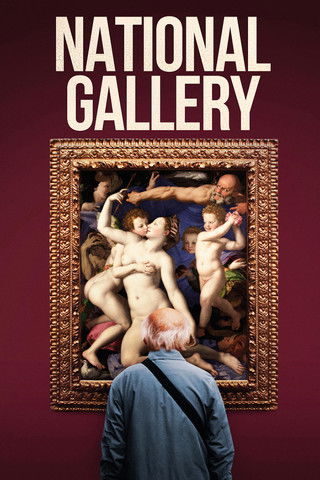
National Gallery2014
Frederick Wiseman's observational documentary about the National Gallery in London. Like Faces Places, it's about how art and institutions hold community and memory. Deeply contemplative.
But Nearly three hours of museum footage with no narrator or dramatic throughline. Requires patience and genuine interest in watching people engage with art.
Not sure tonight? Get a pick in a minute, starting from Faces Places
The wildcard
Something you would not have found on your own.
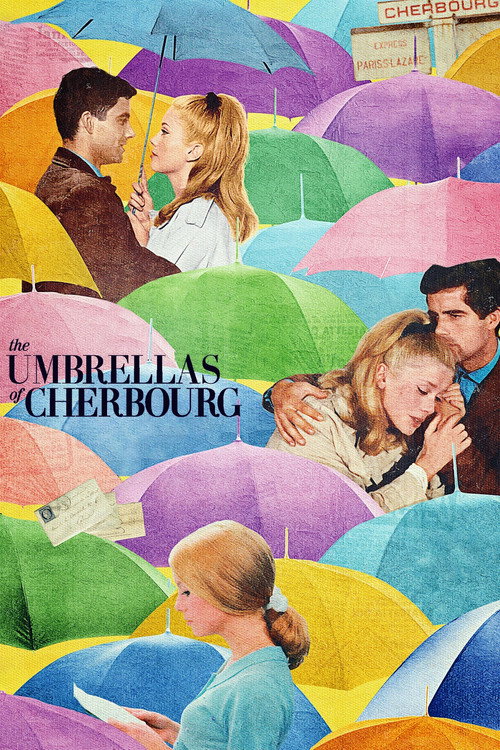
The Umbrellas of Cherbourg1964
Both are films by visionary French filmmakers about the ache of time passing and the ways people touch each other's lives. Both are unashamed about beauty and emotion.
Jacques Demy's musical from 1964 about two young lovers in a seaside town. Like Faces Places, it's a profound film about human connection hidden inside something that looks frivolous. Gorgeously colored, achingly human, and utterly unashamed of sentiment.
But It's a musical with no big production numbers, just people singing about their feelings. If you find that awkward, the whole thing will feel slow and indulgent.
More like this (8)
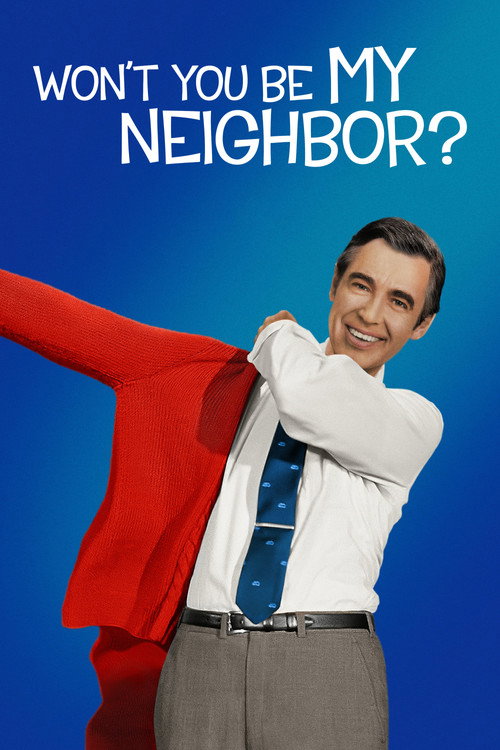
Won't You Be My Neighbor?2018
A portrait of Mr. Rogers by documentary filmmaker Morgan Neville. Shares the same quietly profound tone—meeting an older person late in life and discovering unexpected depth and decency.
But If you're not nostalgic for Mr. Rogers, the reverent tone might feel unearned. Some find it overly sentimental.
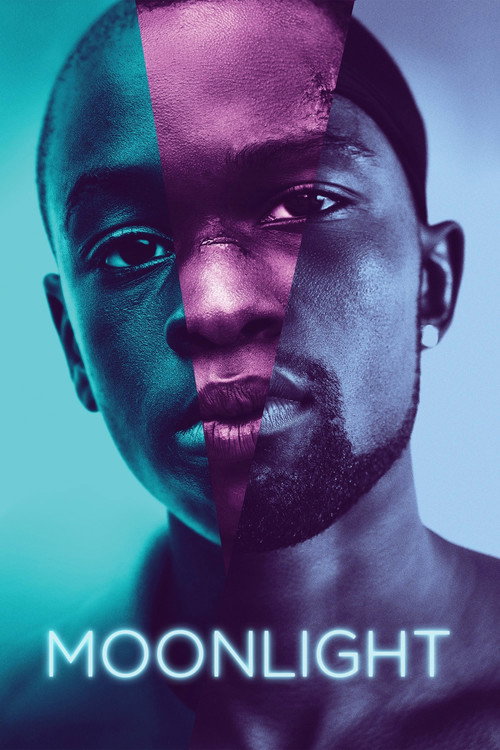
Moonlight2016
A meditation on identity and human connection across time, told in three chapters. Like Varda's work, it prioritizes emotional texture and small moments over plot mechanics.
But Sparse, slow-paced, and deeply introspective. The lack of conventional narrative might feel frustratingly vague.
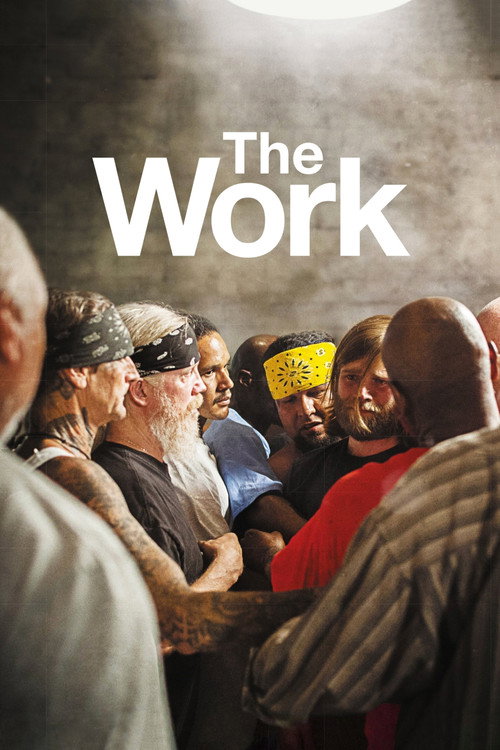
The Work2017
Documentarians follow a restorative justice workshop in a California prison where inmates confront their pain. Raw, unmediated encounters between broken people trying to be less broken. Genuinely profound.
But Unflinching depiction of trauma and emotional damage. Not something you watch to feel comforted; it's exhausting by design.
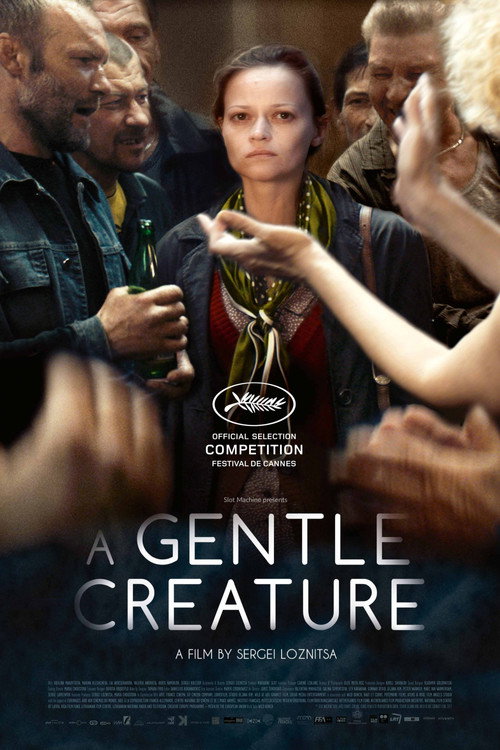
A Gentle Creature2017
Sergei Loznitsa's film about an older Russian woman navigating bureaucracy and indifference. Quietly devastating. The patience and empathy feel kinship with Varda's approach to observing lives.
But Oppressive mood. The protagonist's powerlessness and the system's cruelty don't resolve or lighten. Difficult to sit with.
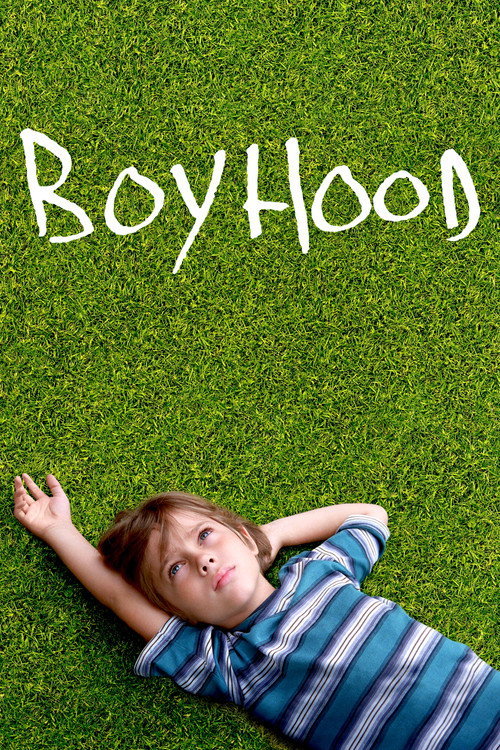
Boyhood2014
Richard Linklater filmed the same people over twelve years. Like Faces Places, it's about the strange magic of time, change, and presence. How we become who we are.
But Nearly three hours of seemingly ordinary life. If you need dramatic incident or conventional tension, you'll be bored.
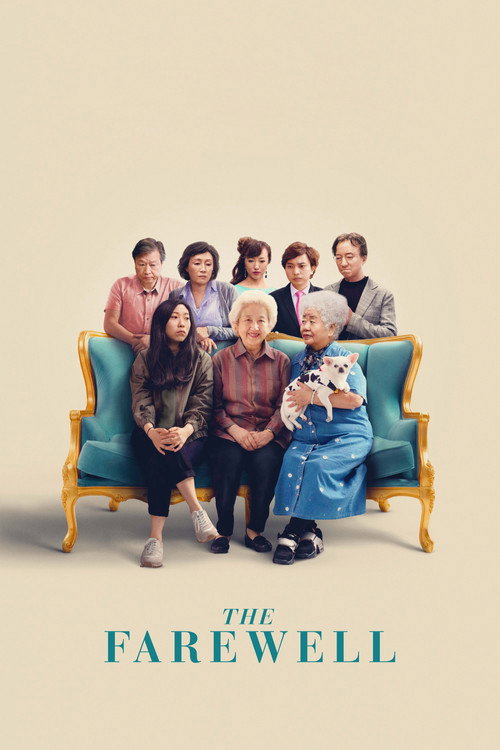
The Farewell2019
Lulu Wang's film about a family keeping their grandmother's terminal diagnosis secret from her. Explores obligation, love, and what we owe each other. A different kind of film, but the same emotional intelligence.
But Tonal shifts between comedy and grief might feel unbalanced. The ending doesn't resolve neatly.
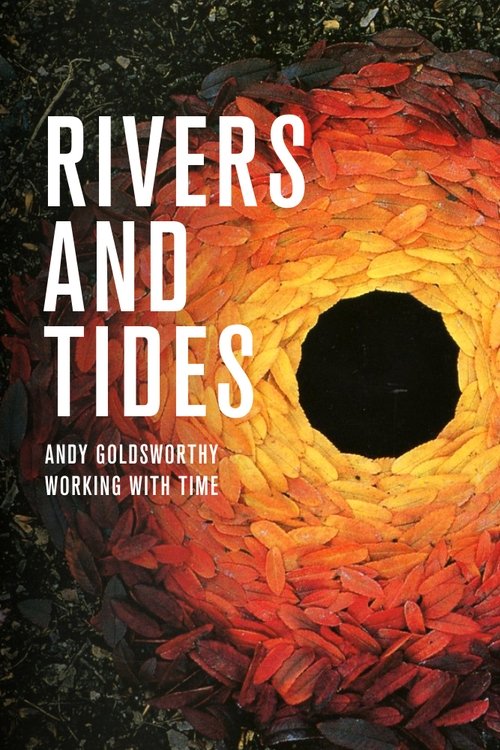
Rivers and Tides2001
Both films are about artists leaving marks on the world—JR's massive photographs, Goldsworthy's ephemeral sculptures. Both ask what it means that art outlasts the moment of its making, or sometimes doesn't.
Documentary about Andy Goldsworthy, an artist who makes temporary sculptures from natural materials—ice, leaves, stone—in landscapes that will destroy them. Hypnotic, philosophical, about the act of creation itself and accepting impermanence.
But Contemplative to the point of being meditative. If you want narrative or conflict, this is patient observation without drama.
The Act of Killing2012
Like Faces Places, it's about encountering strangers and using the camera to create unexpected intimacy and reflection. Here, the goal is reckoning rather than connection, but the filmmaking shares the same belief in cinema's power to move people toward truth.
Joshua Oppenheimer's extraordinary documentary gets perpetrators of Indonesian genocide to stage scenes from their own crimes. Nightmarish, absolutely gripping, and strangely philosophical about human nature and how we narrate our own monstrosity.
But Deeply disturbing. You'll hear people describe atrocities without remorse. It's not exploitative, but it is unsparing. Not a film to watch casually.

People
Cast
 Agnès VardaSelf
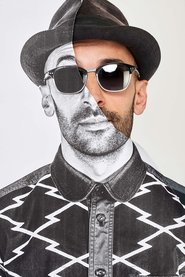 JRSelf
- Patricia MercierSelf
- Amaury BossySelf
- Claude FlaertSelf
- Jacky PatinSelf
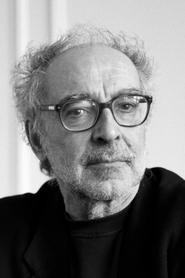 Jean-Luc GodardSelf
- Marie DouvetSelf
Directing
- Julia FabryAssistant Director
- Agnès VardaDirector
- JRDirector
- Didier RougetFirst Assistant Director
- Frédéric AlexandreFirst Assistant Director
Writing
- Agnès VardaWriter
- JRWriter
Production
- Emile AbinalAssociate Producer
- Charles S. CohenCo-Producer
- Étienne ComarCo-Producer
- Julie GayetCo-Producer
- Nadia TurincevCo-Producer
- Nichole FuCo-Producer
- Olivier PèreCo-Producer
- Rosalie VardaProducer
- Cecilia RoseProduction Manager
Recommended by
Dick Johnson Is Dead, Kedi, Marina Abramović: The Artist Is Present, Iris, Mondo Cane, Acasă, My Home, On Her Shoulders, In The Name Of Scheherazade Or The First Beergarden In Tehran, The Queen and I, Die Frau ohne Schatten