
Film
National Gallery
- Light-hearted
Frederick Wiseman's three-hour immersion in London's National Gallery reveals how an ancient institution actually works. You watch conservators restore a Rembrandt, curators debate acquisition, educators teach children to see. It's a documentary that treats looking at art as serious, civic work—part museum film, part workplace anthropology, entirely absorbing.
Should you watch it?
Watch it if you like being quietly absorbed by how a large institution actually runs, watching conservators, educators and ordinary visitors go about their work until the building itself feels like a character.
Skip it if you want a story with a plot or a central character, since this is a patient, loose collection of moments that never builds toward anything.
What it asks of you: Nearly three hours at an unhurried pace with long stretches in offices, galleries and among visitors, so your attention has to settle rather than be led.
Not sure? Find tonight's pick in a minute.
If you liked this
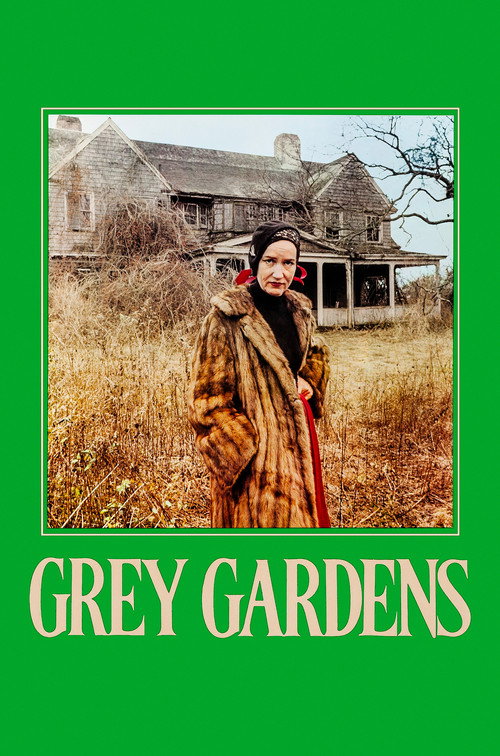
Grey Gardens1976
The Maysles brothers capture two reclusive women in a decaying mansion with the same patient, non-judgmental eye Wiseman brings to institutions. Intimate, strange, and quietly devastating.
But Slow and sometimes uncomfortable to watch; the subjects' suffering is real and relentless.
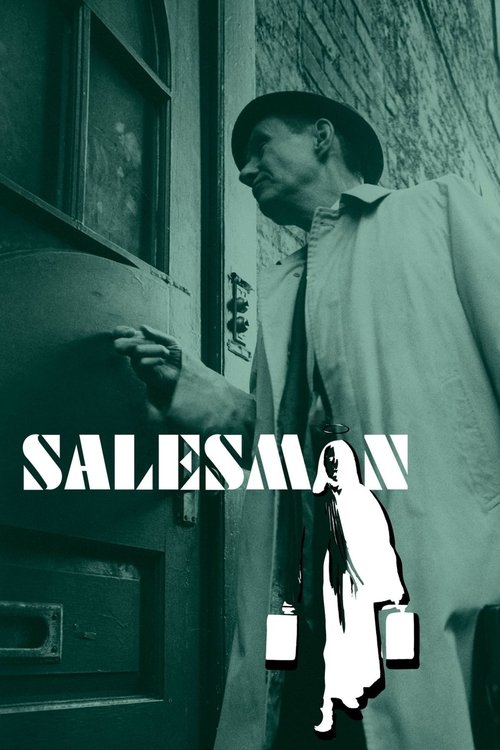
Salesman1969
Another Wiseman classic that finds profound humanity in mundane work—here, bible salesmen cold-calling. Funny, sad, and a masterclass in observational cinema about labor.
But It's bleak and unglamorous; you'll watch men repeatedly fail at their jobs.
Jiro Dreams of Sushi2011
A documentary about obsessive mastery and the transmission of craft. Watching a sushi chef work is as meditative as watching a conservator restore a painting.
But It's reverent and slow; some find it more like a commercial for excellence than a critical examination.

Not sure tonight? Get a pick in a minute, starting from National Gallery
The wildcard
Something you would not have found on your own.
La Haine1995
Both use close observation of space and bodies to ask what institutions and environments say about society, but from opposite poles of temperament.
A fierce French film about three young men in a housing estate, shot in grainy black and white. Like National Gallery, it's deeply interested in how people move through public space and what those spaces reveal about power, but it's confrontational where Wiseman is quiet. Both films trust visual language completely.
But Raw, angry, and formally challenging; the reverse of Gallery's contemplative tone, which some viewers find alienating.

More like this (7)
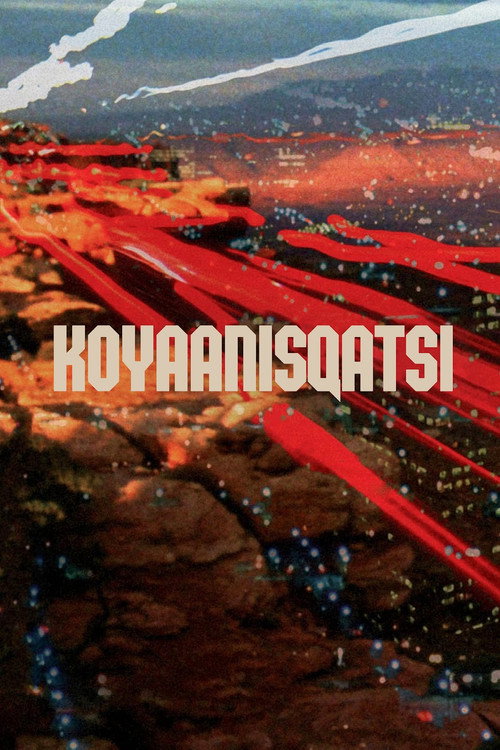
Koyaanisqatsi1983
The inverse approach: no interviews or explanation, just hypnotic montages of human systems. It shares National Gallery's interest in how we move through and perceive our world.
But Purely visual and abstract—no narrative to follow, which frustrates viewers wanting conventional story.
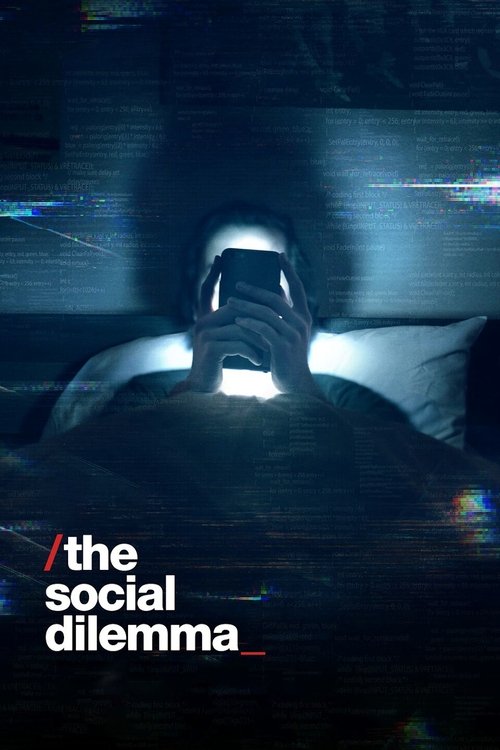
The Social Dilemma2020
A documentary about institutions, labor, and how systems shape human behavior. Less meditative than National Gallery but equally committed to showing how structures work beneath the surface.
But More urgent and polemical; it's designed to make you angry rather than to simply observe.
Bowling for Columbine2002
Michael Moore's investigation into American institutions and behavior. It asks what institutions reveal about a culture's values, much like National Gallery does for art and learning.
But Moore's style is confrontational and sometimes reductive; far louder than Wiseman's thoughtful approach.
My Octopus Teacher2020
Another patient documentary about observation and the transformation that comes from sustained attention to something beautiful and alien.
But More whimsical and self-focused than National Gallery; some find it oversentimental.
Rivers and Tides2001
A documentary about artist Andy Goldsworthy at work—watching someone make things, struggle, and think aloud about art and materials.
But Structurally repetitive; you watch the same creative process cycle again and again.
Twentysomething2016
A small-scale documentary about young people navigating adulthood. It has some of Wiseman's gift for finding quiet dignity in ordinary lives.
But Unfocused and meandering; without the institutional framework, the observation can feel aimless.
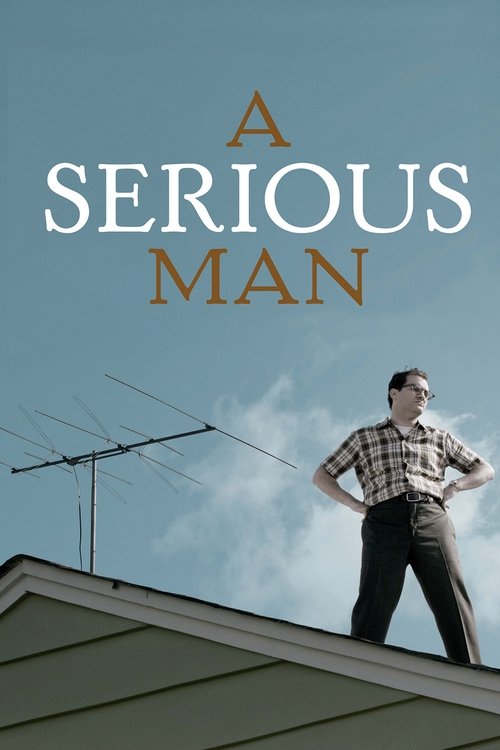
A Serious Man2009
Both are sustained investigations into institutional logic, but Gallery shows the institution working at its best while A Serious Man shows it failing—complementary views of the same question.
The Coen Brothers' film about a man seeking help from various institutions—rabbis, lawyers, doctors—each scene a small study in how systems fail people. Black comedy, but it shares Gallery's belief that how institutions function tells you everything about culture.
But Deliberately frustrating and bleak; it offers no resolution or comfort, which some find pointless.
People
Cast


Directing
- Frederick WisemanDirector
Writing
- Frederick WisemanWriter
Production
- Phillipe VicenteConsulting Producer
- Frederick WisemanProducer
- Pierre-Olivier BardetProducer
- Karen KonicekProduction Coordinator
- Varujan GumuselProduction Manager
Recommended by
In Jackson Heights, Faces Places, La Danse: The Paris Opera Ballet