
Film
La Danse: The Paris Opera Ballet
Frederick Wiseman spends two and a half hours inside the Paris Opera Ballet with no narrator, no talking heads, no music cues telling you how to feel — just rehearsal rooms, union meetings, costume fittings, and canteen chatter alongside extraordinary dancing. It's a film about labour as much as art: patient, exacting, occasionally very funny, and built for viewers who find process more interesting than plot.
Should you watch it?
Watch it if you love watching people work at a craft until the labor itself becomes the drama, the way rehearsal rooms, notes and sore feet reveal more than any stage moment could.
Skip it if you want a narrator, interviews or a clear through-line; this is observation without explanation, and the dance sections run long enough to test patience if you came for story.
What it asks of you: Nearly two and a half hours of unhurried watching, with no score of your own to follow, just close attention to bodies, corridors and conversations as they unfold at their own pace.
Not sure? Find tonight's pick in a minute.
If you liked this
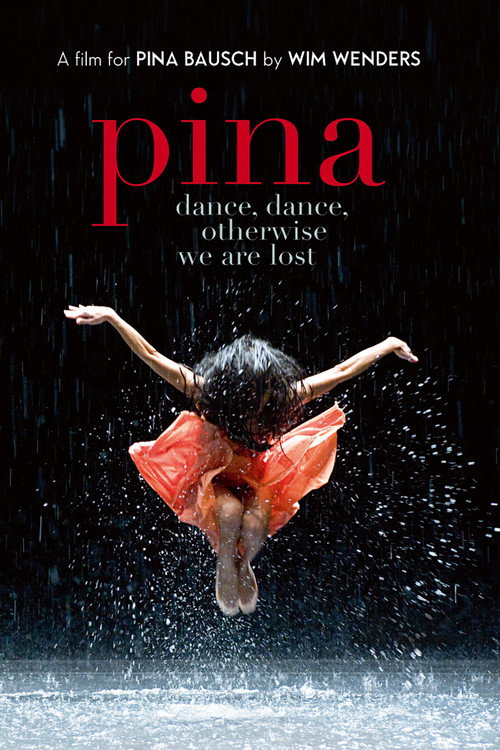
Pina2011
Wim Wenders' 3D tribute to choreographer Pina Bausch turns dance documentary into something visceral and emotional, the opposite pole from Wiseman's cool observation but equally serious about the art form.
But The 3D and swooping camera are a world away from Wiseman's static distance, if that's what you came for.
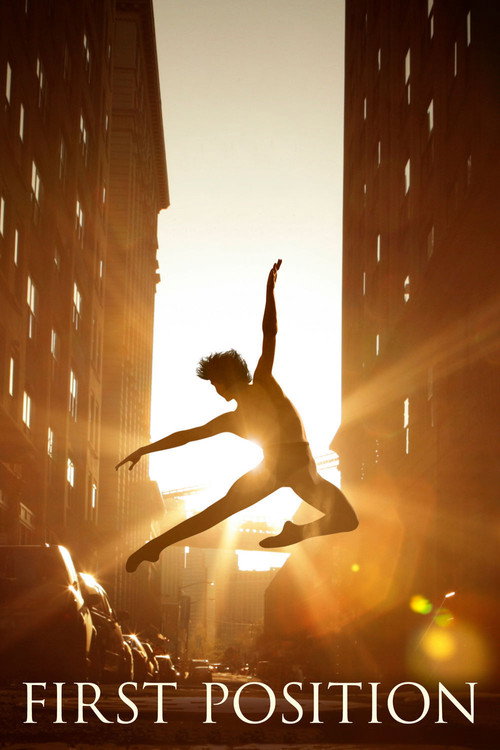
First Position2011
Follows young dancers preparing for a major international competition, with all the stakes, injuries and stage-parents La Danse leaves offscreen. Warmer, more conventional, genuinely gripping.
But It's underdog-narrative documentary, not institutional portraiture — a much simpler emotional machine.
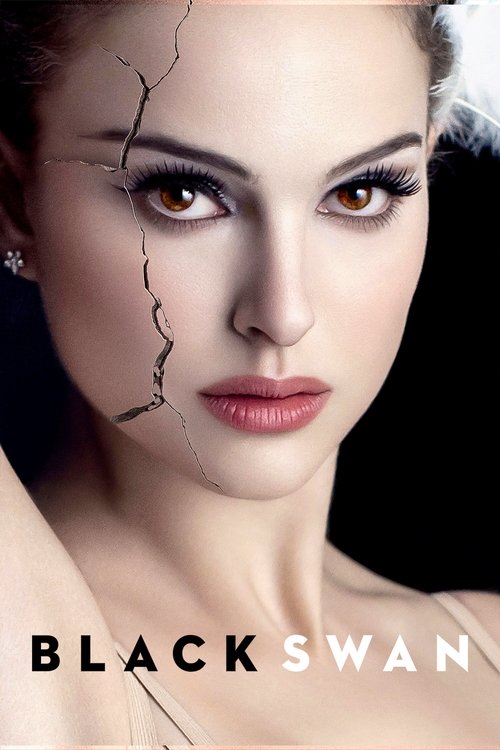
Black Swan2010
Darren Aronofsky's psychological thriller takes the discipline and rivalry glimpsed in La Danse and cranks it into full body-horror melodrama. Natalie Portman's performance is genuinely committed to the physical reality of the craft.
But It's lurid, hallucinatory pulp where Wiseman is dry observation — expect no restraint whatsoever.
Not sure tonight? Get a pick in a minute, starting from La Danse: The Paris Opera Ballet
The wildcard
Something you would not have found on your own.
The Red Shoes1948
Both are ultimately about institutions that demand total ownership of a dancer's life; The Red Shoes just dramatizes what La Danse quietly documents.
A Technicolor melodrama about a ballerina torn between art and love, made over sixty years before La Danse but obsessed with the same question: what a dancer's body and life actually belong to.
But Wildly theatrical and romantic where Wiseman is austere — this is opera, not observation.

More like this (8)
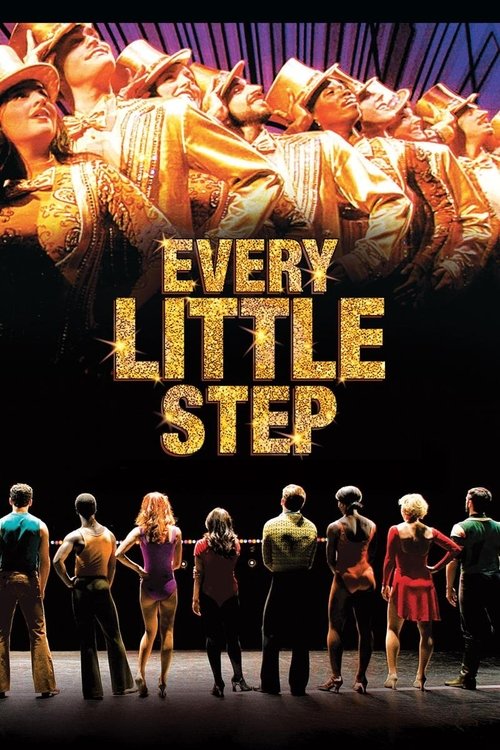
Every Little Step2008
A documentary about the brutal audition process for a Broadway revival of A Chorus Line — same institutional anxiety, hierarchy and sheer physical stamina, different stage.
But Broadway showbiz energy is much brasher and more emotionally manipulative than Wiseman's studied neutrality.
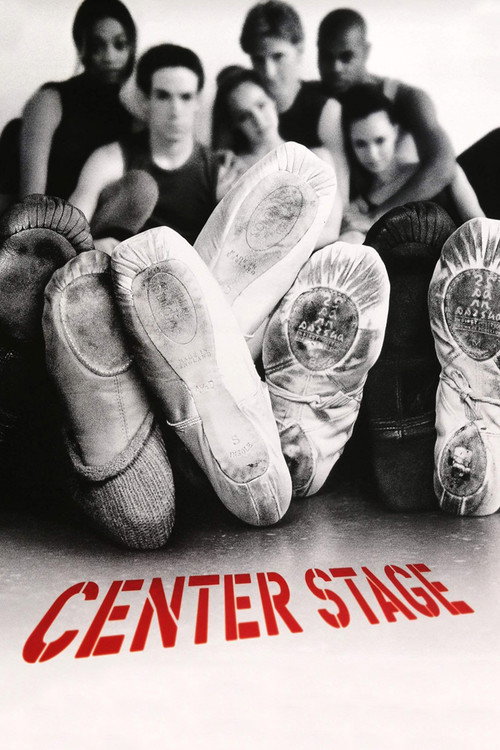
Center Stage2000
A glossy, unabashedly cheesy ballet-school drama that still gets the physical culture — the injuries, the politics, the obsession — surprisingly right underneath the soap opera.
But It's a teen drama with real dancing, not a serious meditation — pure comfort-watch, no more.
National Gallery2014
Wiseman does for a London museum what he did here for the ballet: hours of meetings, restoration work, lectures, and the quiet machinery behind public art. Same patient method, different institution.
But Three hours long and just as unhurried — if La Danse tested your patience, this will too.

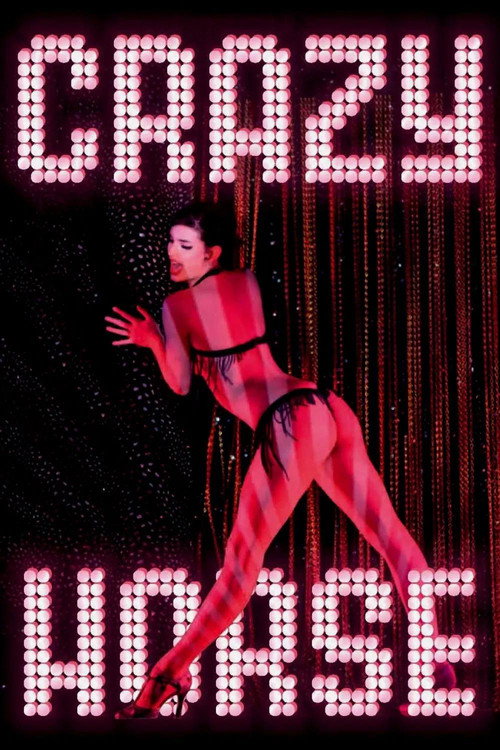
Crazy Horse2011
Another Wiseman institutional study, this time inside a Parisian nude cabaret — rehearsals, lighting arguments, artistic disputes, all with the same fly-on-the-wall rigor applied to a much racier subject.
But The subject matter is deliberately provocative in a way La Danse never is; tonally it's a real departure.
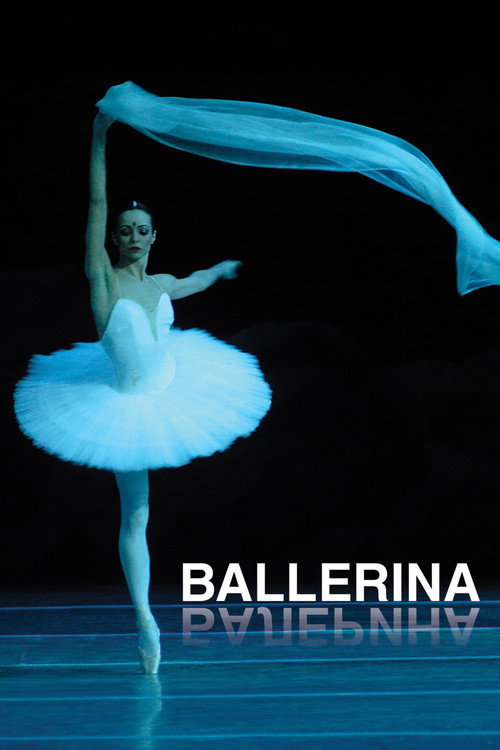
Ballerina2006
Follows five dancers at Russia's Mariinsky Ballet, offering a Russian counterpoint to the Paris Opera's culture — different training philosophy, same all-consuming devotion.
But Less formally rigorous than Wiseman, closer to conventional biographical documentary.
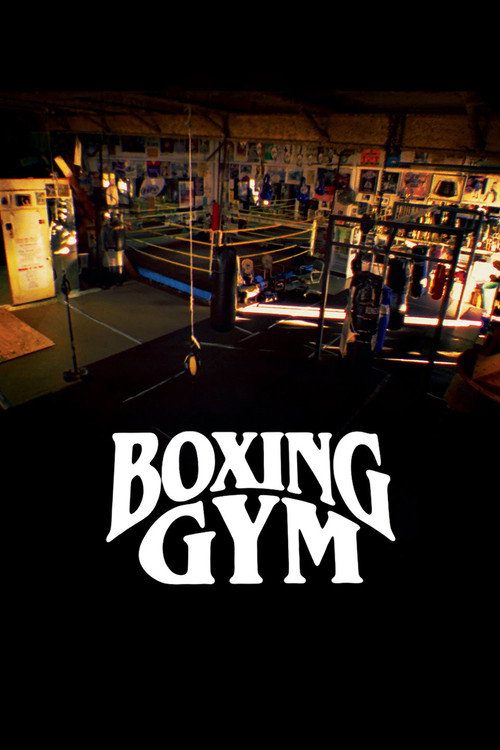
Boxing Gym2010
Wiseman turns his same unblinking, narration-free method on an Austin boxing gym — different bodies, different discipline, identical fascination with repetition and craft.
But Even more minimal and plotless than La Danse; a real test of how much you enjoy his style specifically.
Suspiria1977
Both films treat the dance academy as a closed, ritualistic world with its own power structures; Suspiria just literalizes the menace Wiseman leaves implicit.
Dario Argento's lurid horror classic is set inside a European dance academy dripping with the same institutional secrecy and hierarchy Wiseman films — then detonates it into supernatural nightmare.
But It's gaudy, violent giallo horror with barely any actual dancing — a genre-tourist's version of the setting, not a study of it.

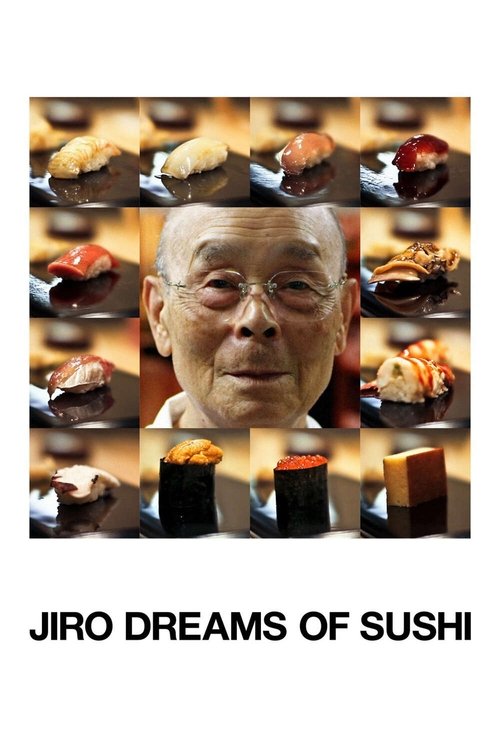
Jiro Dreams of Sushi2011
Same structural fascination — craft as a lifetime apprenticeship inside a rigid institution — applied to a completely different, humbler art form.
An observational documentary about an 85-year-old sushi master and his apprentices, obsessed with the same repetition, hierarchy and lifelong discipline La Danse traces in dancers.
But Warmly scored and narratively shaped where Wiseman refuses both — a gentler, more crowd-pleasing version of the same idea.
People
Cast
- Emilie CozetteSelf
- Brigitte LefèvreSelf
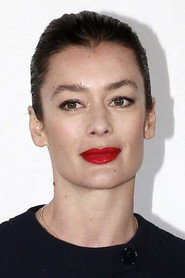 Aurélie DupontSelf
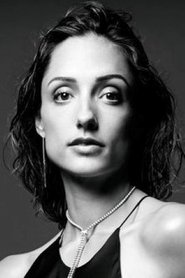 Dorothée GilbertSelf
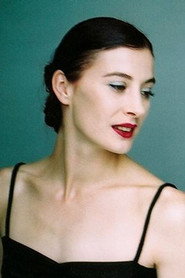
- Agnès LetestuSelf
- Delphine MoussinSelf
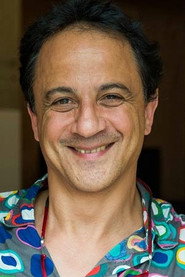 Kader BelarbiSelf
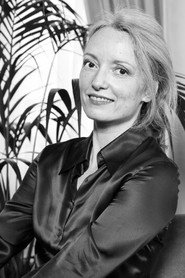 Clairemarie OstaSelf
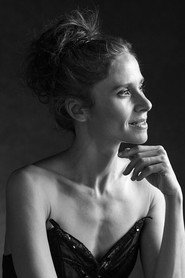 Laëtitia PujolSelf
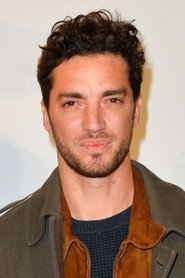
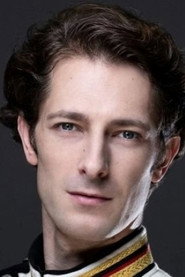 Mathieu GanioSelf
Directing
- Frederick WisemanDirector
Writing
- Frederick WisemanWriter
Production
- Françoise GazioProducer
- Frederick WisemanProducer
- Pierre-Olivier BardetProducer