
Film
Boxing Gym
- Slow-burning
Frederick Wiseman's unhurried portrait of a boxing gym in Austin observes trainers, fighters, and hangers-on with patient attentiveness. No narration, no drama imposed from outside—just the rhythms of sweat, discipline, and community in a working space. For viewers who trust cinema to show rather than tell.
If you liked this
Grey Gardens1976
The Maysles brothers' unsettling intimacy with reclusive subjects prefigures Wiseman's method. Witnessing eccentricity and decay unfold in real time creates a hypnotic, uncomfortable fascination that lingers.
But Nearly three hours of two difficult people in a decaying mansion with no clear narrative arc. Claustrophobic and sometimes cruel in its observation.

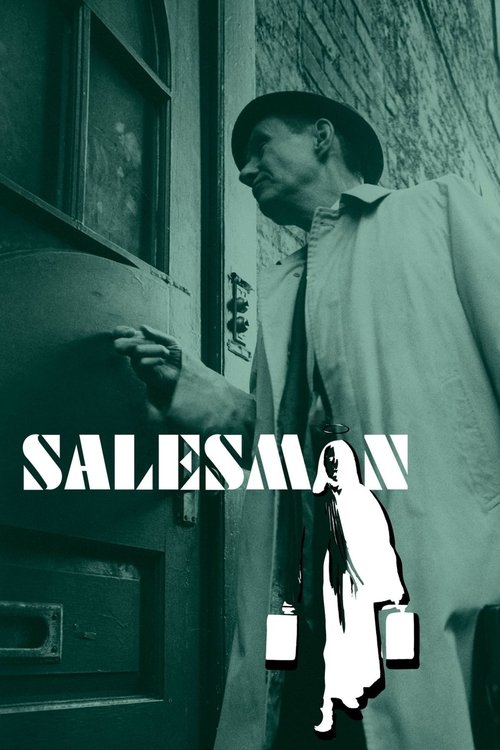
Salesman1969
Wiseman's earlier masterpiece about Bible salesmen failing to close deals. Funny and melancholy at once, it captures small humiliations and resilience with devastating economy.
But Slow and unglamorous. If you want energy or resolution, this offers neither—just the texture of ordinary disappointment.
Man with a Movie Camera1929
Dziga Vertov's silent Soviet classic watches urban life as pure visual symphony—workers, commuters, machines. The ancestor of all observational cinema. Pure, propulsive joy in watching.
But Silent, experimental, and rooted in Soviet aesthetics that feel remote. No conventional narrative to anchor you.

Not sure tonight? Get a pick in a minute, starting from Boxing Gym
The wildcard
Something you would not have found on your own.
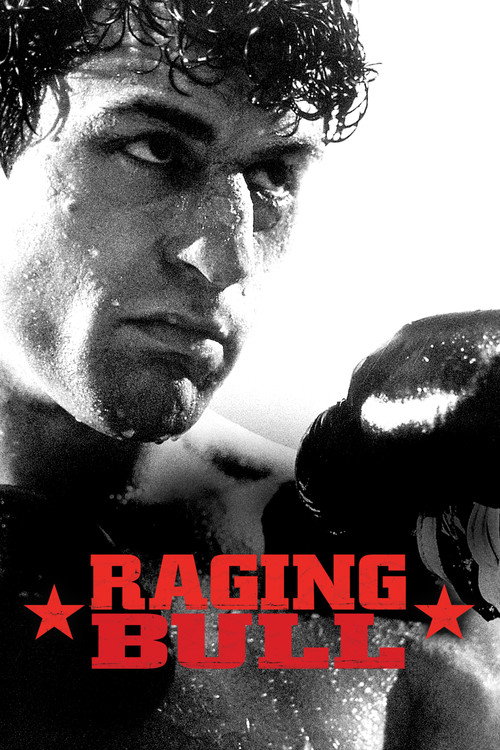
Raging Bull1980
Both films use a boxing gym as ground truth, but where Wiseman observes the discipline and community that keeps fighters grounded, Scorsese shows boxing as the addiction that devours everything else. One records the gym; the other documents why a man can never leave it.
Scorsese's brutal, expressionistic vision of boxer Jake LaMotta's fury and self-destruction. Black and white, visually aggressive, interested in violence as pathology and art. Boxing as the canvas for a man's interior wreckage.
But Punishing to watch: misogynistic protagonist, graphic violence, narrative that spirals and repeats. Scorsese's virtuosity can feel like flourish obscuring a mean-spirited core.
More like this (6)
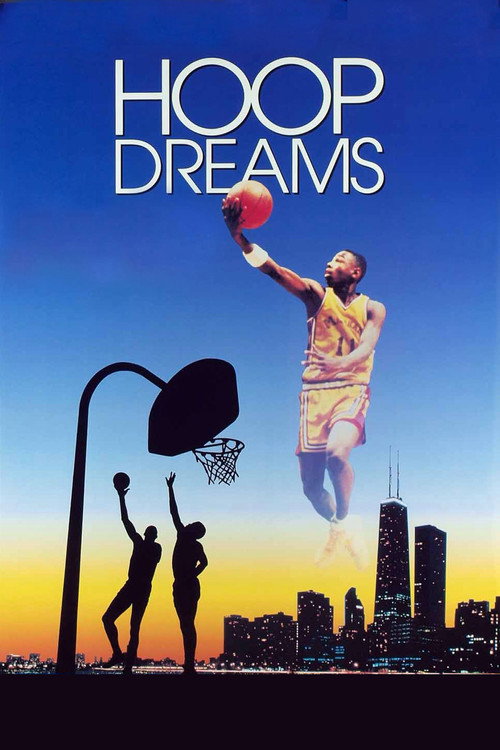
Hoop Dreams1994
Follows two basketball players over a decade with sociological depth. More conventionally dramatic than Wiseman, but shares his commitment to letting character emerge through time and repetition.
But Three hours and fifteen minutes. Unsparing about class, race, and institutional betrayal; it's earnest in ways some find heavy-handed.
The Act of Killing2012
Joshua Oppenheimer's extraordinary documentary about mass murderers in Indonesia. Bold, unsettling, formally inventive in how it confronts subjects. Changed what documentaries can ask.
But Deeply disturbing and implicated in its own ethics. Extremely heavy subject matter; this is not background watching.

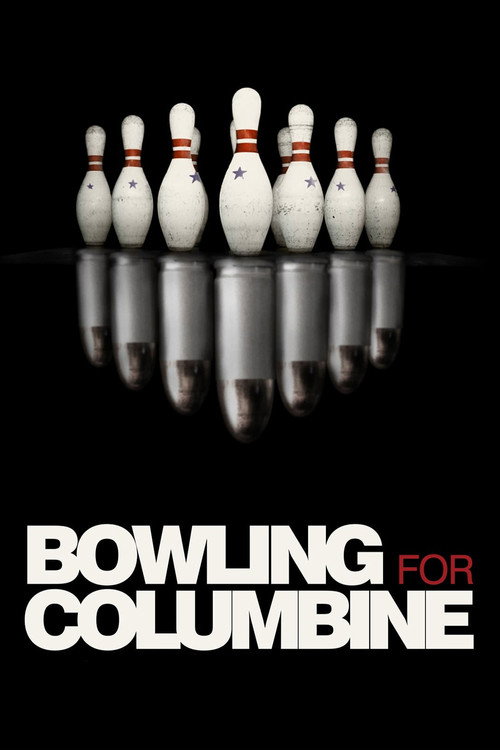
Bowling for Columbine2002
Michael Moore's investigation of gun violence in America. Populist and argumentative in ways Wiseman isn't, but equally committed to understanding American institutions and failure.
But Moore's presence and editorializing feel didactic if you prefer observation over investigation. Also dated in some of its rhetoric.
The Fog of War2003
Errol Morris uses archival material and interview to examine Robert McNamara's role in Vietnam and the Cold War. Intellectual and cinematic; compelling argument about accountability and memory.
But Heavily reliant on subject interview and voiceover—nothing like Wiseman's silence. If you want pure observation, this substitutes analysis.

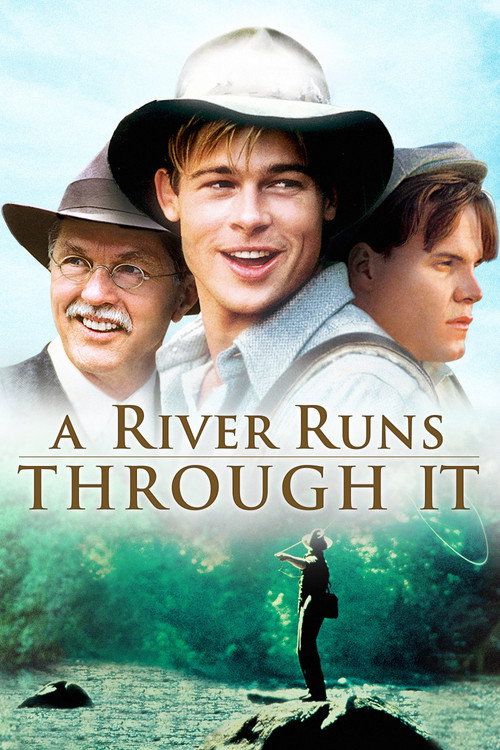
A River Runs Through It1992
Norman Maclean's novella adapted by Robert Redford into meditation on family, mortality, and the rhythms of a life. Slower and more reflective than most dramas, with respect for stillness.
But Quiet and elegiac to the point of preciousness. Fishing content may feel oblique if you're not attuned to its symbolism.
Night and Fog1956
Both are documentaries of radical restraint, trusting image and duration over rhetoric. Neither filmmaker imposes feeling; both let the weight of observation accumulate in silence. Wiseman's patience teaches you how to watch Resnais's terrible archive.
Alain Resnais's 32-minute essay on Auschwitz interweaves archival footage and present-day ruins with haunting precision. Small in scope, immense in impact. One of cinema's greatest moral achievements.
But Extremely heavy subject matter handled without sentimentality—which some may find cold. Very short but demands complete attention; impossible to half-watch.
People
Cast
- Richard LordSelf
Directing
- Frederick WisemanDirector