
Film
In Jackson Heights
- Slow-burning
Frederick Wiseman's three-hour immersion in Jackson Heights, Queens—a neighborhood claiming the world's greatest diversity. Shot with his signature patience, it's an observational study of how strangers negotiate shared space: commerce, politics, language, identity. Hypnotic for those who want to really *see* a place rather than be told about it. Not for the restless.
Should you watch it?
Watch it if you like observational documentaries that let a place speak through its meetings, shop counters and street corners, and you don't mind sitting with long stretches of ordinary talk to feel a neighborhood's texture.
Skip it if you want a clear narrative, a host guiding you through the material, or a tight running time; at just over three hours of unnarrated scenes, its patience can feel like a test.
What it asks of you: Settle in for a little over three hours of unhurried, unnarrated scenes that drift between community boards, shops and sidewalks, with no single arc to lean on.
Not sure? Find tonight's pick in a minute.
If you liked this
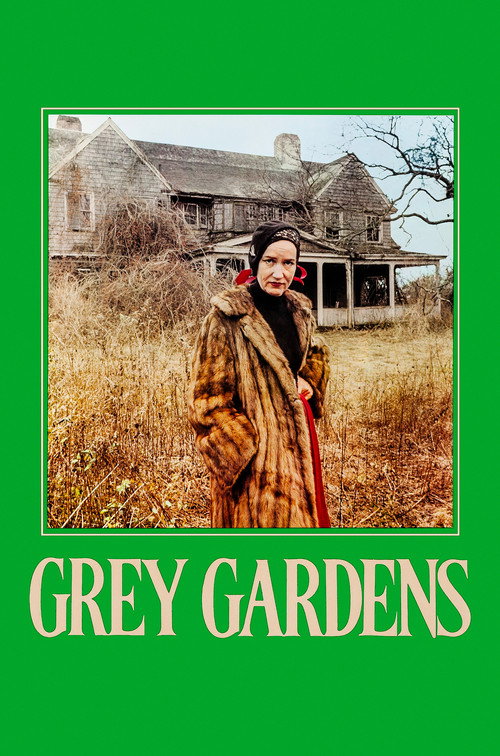
Grey Gardens1976
Wiseman's spiritual ancestor: intimate documentary portraiture of eccentric New York lives, observing without judgment or narration. If you love watching real people negotiate their own worlds, this is essential.
But The subjects are deliberately prickly and the film can feel voyeuristic. 94 minutes feels long for some; In Jackson Heights is nearly twice that.
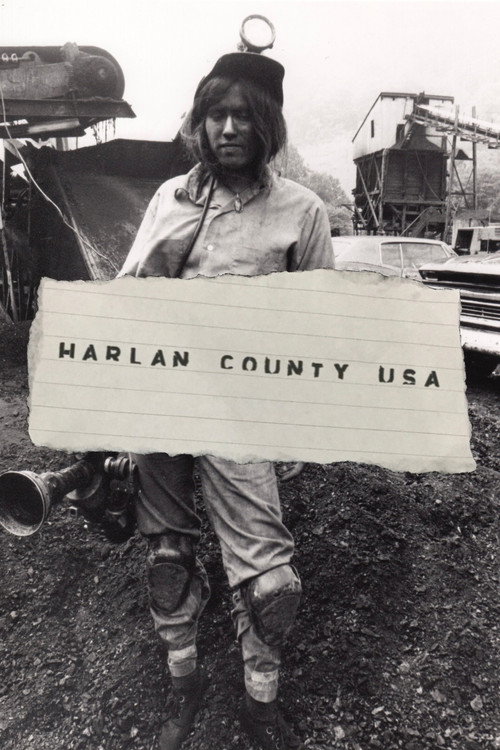
Harlan County U.S.A.1976
Barbara Kopple's immersive documentary about a coal miners' strike in Kentucky shares Wiseman's commitment to showing communities in their complexity—conflict, solidarity, ordinary moments between the dramatic ones.
But Heavy subject matter about class struggle and violence. The pacing is deliberate and there's no explanatory voiceover, which tests patience.
The Florida Project2017
Sean Baker's fiction film about life in a budget motel near Disney World has Wiseman's observational DNA—long takes, minimal plot, profound empathy for people society ignores. You feel the texture of daily life.
But It's grim underneath the playfulness. Some will find the lack of conventional narrative satisfying; others will feel adrift.

Not sure tonight? Get a pick in a minute, starting from In Jackson Heights
The wildcard
Something you would not have found on your own.
We Are Still Here2015
Both are three-hour observational studies of singular neighborhoods threatened by erasure, but Rahhal argues where Wiseman witnesses.
Amer Rahhal's documentary about aging residents in a rapidly gentrifying Puerto Rican neighborhood in Chicago shares Jackson Heights' concern with how communities preserve identity under pressure. But it's much more overtly activist—the camera advocates.
But Its politics are direct where Wiseman's are implied. If you loved Jackson Heights' refusal to comment, this film's clarity will feel didactic.
More like this (8)
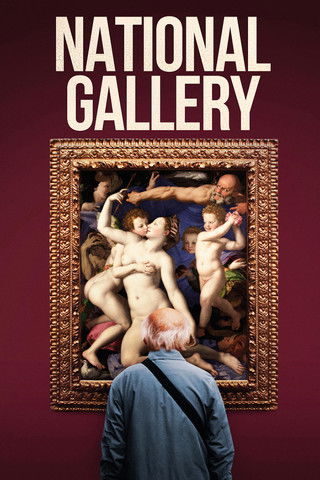
National Gallery2014
Wiseman's own previous work: three hours observing staff, visitors, and paintings at London's National Gallery. Same patient, revealing method applied to high culture instead of street life. A perfect stepping stone.
But Even by Wiseman standards, it's slow. Long sequences of people looking at art, or talking about art, or cleaning frames. Requires genuine surrender to the method.
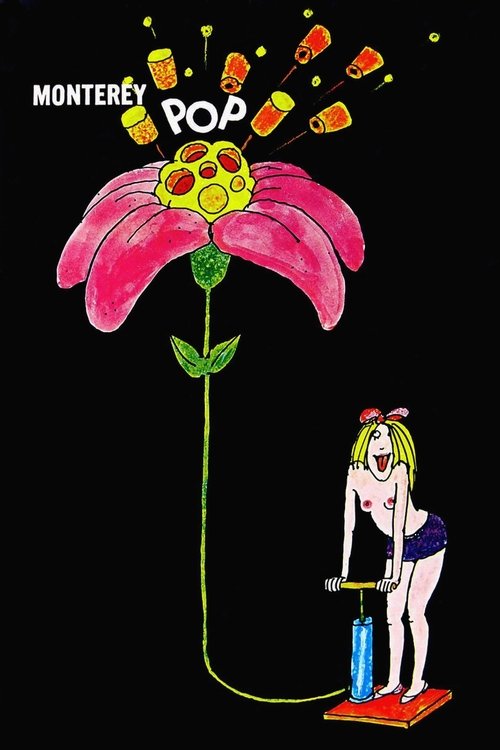
Monterey Pop1968
D.A. Pennebaker's festival documentary feels like early Wiseman: capturing counterculture through observation, trusting the footage, letting moments breathe. Jimi Hendrix, Janis Joplin, The Who—but the real subject is the crowd.
But It's a music doc first; if you came for Jackson Heights' socioeconomic texture, you'll find something much more celebratory here.
Man with a Movie Camera1929
Dziga Vertov's silent Soviet avant-garde documentary about urban life predates Wiseman by decades but shares his fascination with how cities work—machinery, labor, rhythm, the texture of collective existence.
But It's a formal experimental film from 1929, heavy on montage and visual metaphor rather than human interaction. Very different register from Jackson Heights.

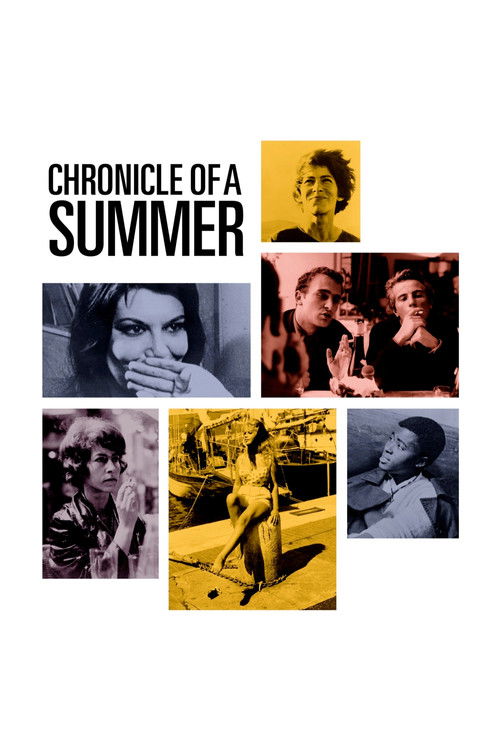
Chronicle of a Summer1961
Jean Rouch and Edgar Morin invented the documentary interview by filming Parisians answering 'Are you happy?' The result is a portrait of a city and its people—intimate, funny, sometimes uncomfortable. Documentary as real conversation.
But The subjects are mostly middle-class and the film is more playful than Wiseman's work. If you want his sociological rigor, this is lighter fare.
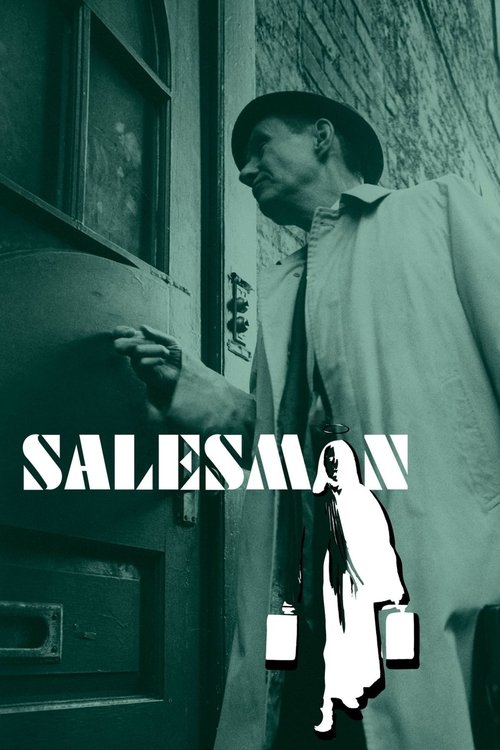
Salesman1969
Another Wiseman classic: observing Bible salesmen in Boston and Miami. It's a close study of labor, persuasion, and human vulnerability—devastating without ever stating a thesis. The structure of the film *is* the meaning.
But It's relentlessly bleak. Four men failing to sell things, day after day. Wiseman trusts the viewer to sit with that, but not everyone will.
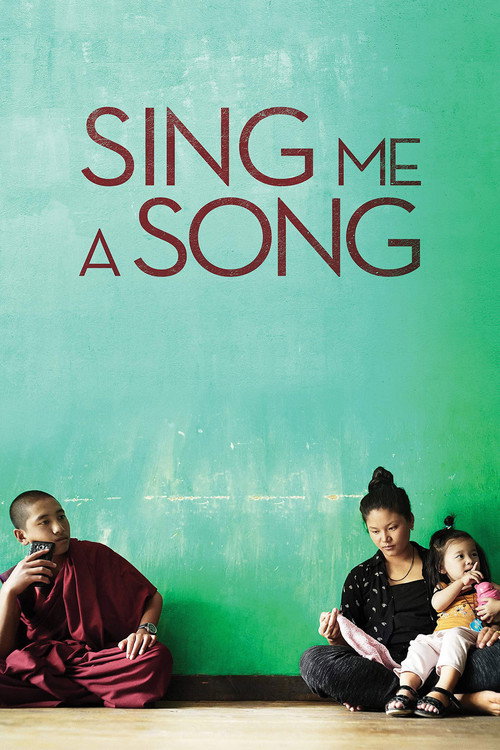
Sing Me a Song2020
Thomas Grube's documentary about a Himalayan Buddhist monk and a German pianist meeting yearly has Wiseman's patient observation but adds something warmer—the possibility of connection across difference. Meditative and surprisingly moving.
But Quite gentle and slow, even for this list. Some will find it precious rather than profound. Very different from the urban density of Jackson Heights.
Tokyo Story1953
Both films trust that ordinary domestic life—waiting, cooking, sitting together—contains everything worth knowing about human existence. Same philosophy, different eras and forms.
Ozu's film about an elderly couple visiting their children is formally constructed almost like a documentary—still shots, repetitive angles, attention to domestic rhythm and small gestures. The method is Wiseman's, applied to narrative and a different culture entirely.
But It's a narrative film from 1953 Japan, very quiet and formally restrained. If you came for contemporary American street life, you're going somewhere entirely else.

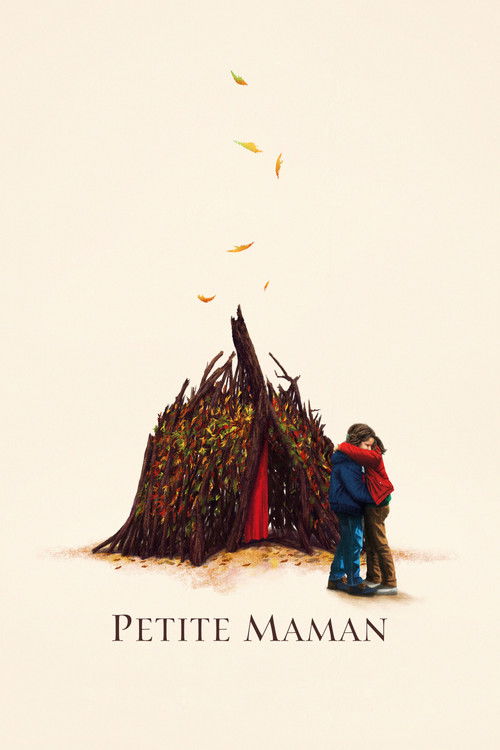
Petite Maman2021
Both films believe that patient observation of ordinary moments—play, conversation, proximity—reveals truth about human connection that plot cannot reach.
Céline Sciamma's fiction film about a girl meeting her mother as a child is observational about space and time the way Wiseman is observational about people—nothing is explained, the camera simply witnesses, and meaning emerges from accumulated detail.
But It's a magical-realist fantasy, not documentary. Some will find the whimsy at odds with Wiseman's rigorous realism; others will miss the social dimension entirely.
People
Directing
- Frederick WisemanDirector
Production
- Karen KonicekExecutive Producer
- Frederick WisemanProducer
Recommended by
City Hall, Hospital, The Crowd, Ghosts of Rwanda, Lagerfeld Confidential, Wal-Mart: The High Cost of Low Price