
Film
Hospital
Other titles called Hospital: the 2017 series (BBC Two), the 2017 film.
Frederick Wiseman's fly-on-the-wall record of Metropolitan Hospital's ER and outpatient clinics, shot in grainy black-and-white with no narration, music, or interviews. You just watch: the triage, the paperwork, the exhausted staff, the patients caught in a system too stretched to fully see them. It's slow, unglamorous, and quietly devastating — for people who like their documentaries observed rather than explained.
Should you watch it?
Watch it if you are fascinated by how institutions actually work when nobody is performing for the camera, and you don't mind watching a building's routines stack up into something close to a moral argument.
Skip it if you need a through-line or a character to follow; this simply watches people work and wait, and its scenes of suffering are hard to sit with.
What it asks of you: Without narration or a guiding voice, it runs at the pace of a real shift: unhurried, often abrupt, and dependent on you noticing small exchanges.
Not sure? Find tonight's pick in a minute.
If you liked this
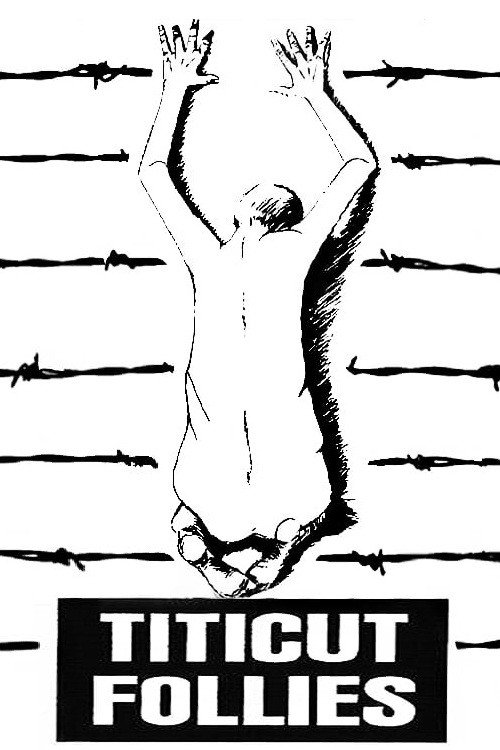
Titicut Follies1967
Wiseman's first and most notorious film, shot inside a Massachusetts hospital for the criminally insane. Same unflinching camera, same refusal to soften what it finds — the film that got him sued and banned for decades.
But It's genuinely harrowing, and its treatment of vulnerable patients raises ethical questions the film never quite resolves.
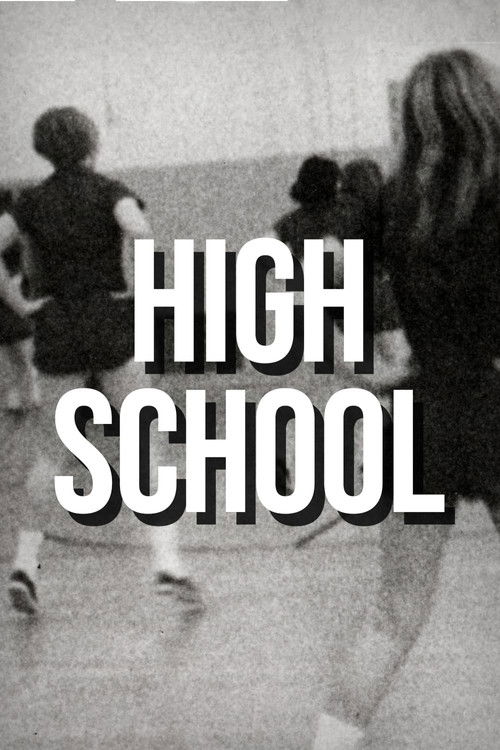
High School1969
Wiseman turns the same patient, unnarrated eye on a Philadelphia high school and finds the identical machinery of institutional control, just with hall passes instead of gurneys.
But If you found Hospital's lack of story frustrating, this offers no more plot — just a different building.
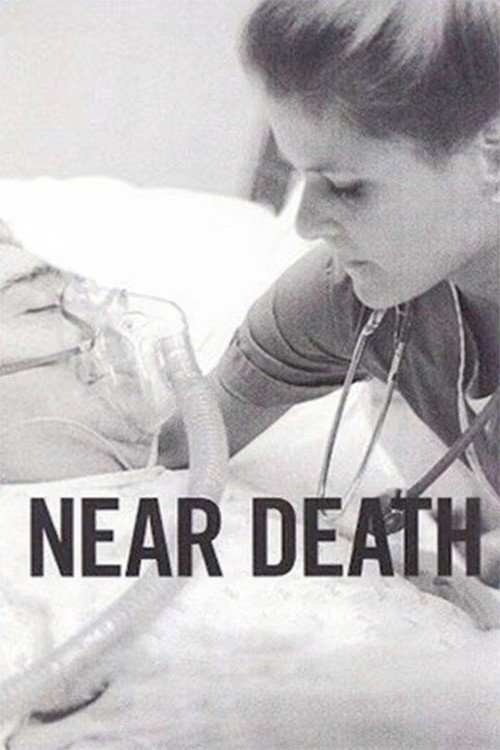
Near Death1989
Wiseman goes back to a hospital two decades later, this time into an ICU, for six hours of families and doctors negotiating the end of life. Longer, slower, and even more devastating.
But Six hours is a real commitment, and the subject matter is about as heavy as documentary gets.
Not sure tonight? Get a pick in a minute, starting from Hospital
The wildcard
Something you would not have found on your own.
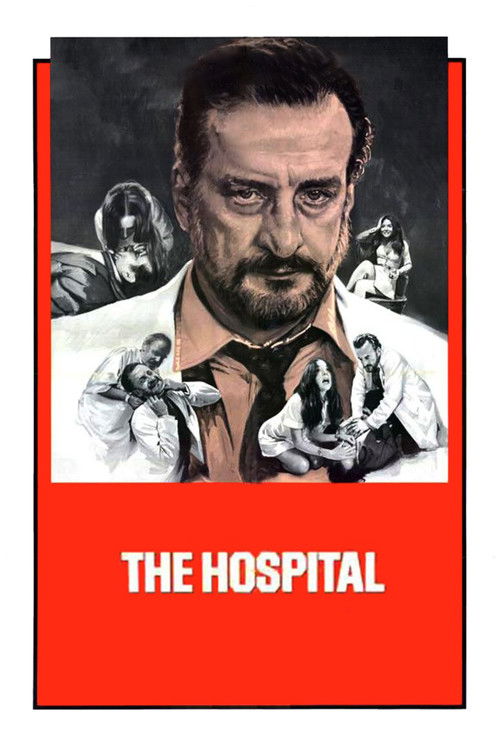
The Hospital1971
Same year, same crumbling hospital-as-machine subject, but where Wiseman observes in silence, this one screams it as satire — the same diagnosis delivered as farce instead of document.
Released the year after Wiseman's film, this is the fictional, furious mirror image: George C. Scott as a hospital administrator watching his institution collapse into absurdist chaos and death by paperwork.
But It's a scripted black comedy with movie-star dialogue — the exact opposite of Wiseman's flat, unauthored realism.
More like this (8)
Welfare1975
Wiseman trades the ER for a New York welfare office and finds the same bureaucratic exhaustion, the same gap between what people need and what the system can give them.
But Nearly three hours of forms and waiting rooms — it demands the same patience Hospital does, with even less visual variety.
The Waiting Room2012
A modern echo of Wiseman's project, filmed in an Oakland public hospital ER, following uninsured patients through a single day of waiting. Warmer than Wiseman, but built from the same raw material.
But It leans slightly more toward advocacy and emotional framing than Wiseman's cooler, more clinical approach.
24 Hours in A&E2011
Fixed cameras in a busy British emergency department capture patients and staff with real tenderness. It's Hospital's structure with more warmth and, crucially, more hope.
But The soft narration and gentle music are exactly the kind of shaping Wiseman refused to do — it's comfort food by comparison.
Lenox Hill2020
A polished, character-driven docuseries following doctors at a Manhattan hospital, with the same institutional focus but a much more intimate, personality-led lens.
But It's produced for streaming appeal, with music cues and arcs that Wiseman purists will find manipulative.
Trauma: Life in the E.R.1997
An unglamorous, long-running cable series that got into real emergency rooms years before medical reality TV became slick. Rougher and more procedural than Hospital, but kindred in spirit.
But Dated production values and a slightly tabloid edge that Wiseman's austerity avoided entirely.
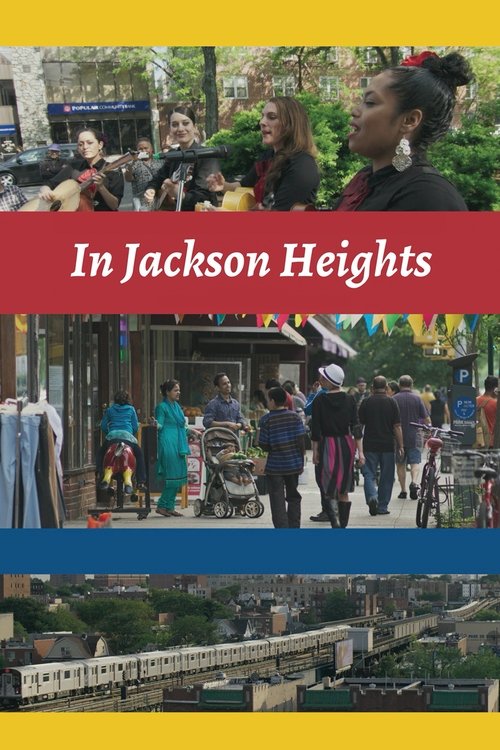
In Jackson Heights2015
Wiseman's late-career portrait of a Queens neighborhood, applying the same patient, cumulative observation to a whole community rather than one institution.
But At three hours-plus with dozens of threads, it's less focused than Hospital and asks even more of your attention.
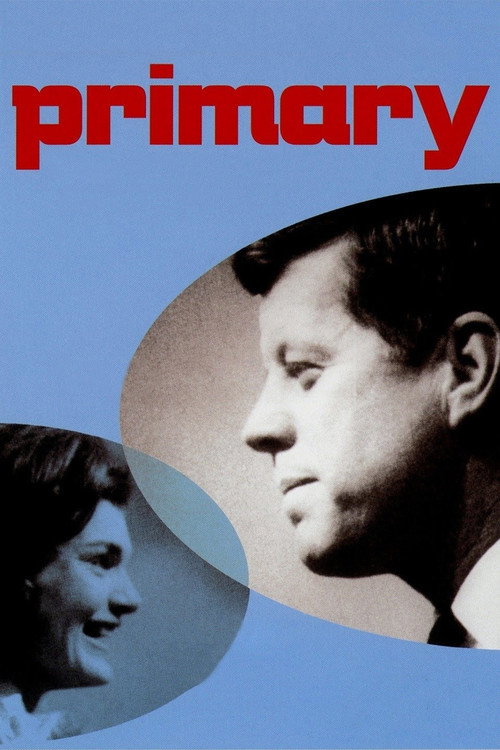
Primary1960
This is the technique's origin point — the same fly-on-the-wall camera and refusal to explain, aimed at a campaign trail instead of a ward, showing where Wiseman's whole method actually came from.
A decade before Hospital, this handheld record of Kennedy and Humphrey's Wisconsin primary campaign helped invent the observational, no-narration style Wiseman later brought into institutions.
But It's about political retail-glad-handing, not medicine, and some of its rawness now reads as merely dated rather than radical.
The Bleeding Edge2018
Same anger at a healthcare system failing the people inside it, but zoomed out from one ER's exhausted staff to the corporate machinery deciding what that ER can even offer them.
A Netflix investigation into the medical device industry, tracing how profit motives inside the healthcare system quietly injure the patients it claims to serve.
But It's an issue-driven, talking-heads investigative documentary — argumentative and pointed where Wiseman stays silent and lets you draw your own conclusions.
People
Directing
- Frederick WisemanDirector
Production
- Frederick WisemanProducer