
Television series
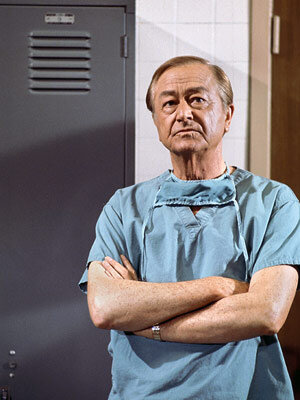
Ben Casey
Ben Casey opens with a hand chalking 'man, woman, birth, death, infinity' and never quite loses that solemnity. Vince Edwards plays the title neurosurgeon — brilliant, scowling, allergic to bedside manner — mentored by Sam Jaffe's philosophical Dr. Zorba. It's slow, black-and-white, moralistic television: one patient's crisis per hour, doubling as a lesson in humility. Good for anyone curious where TV's brooding-genius-doctor archetype actually started.
If you liked this
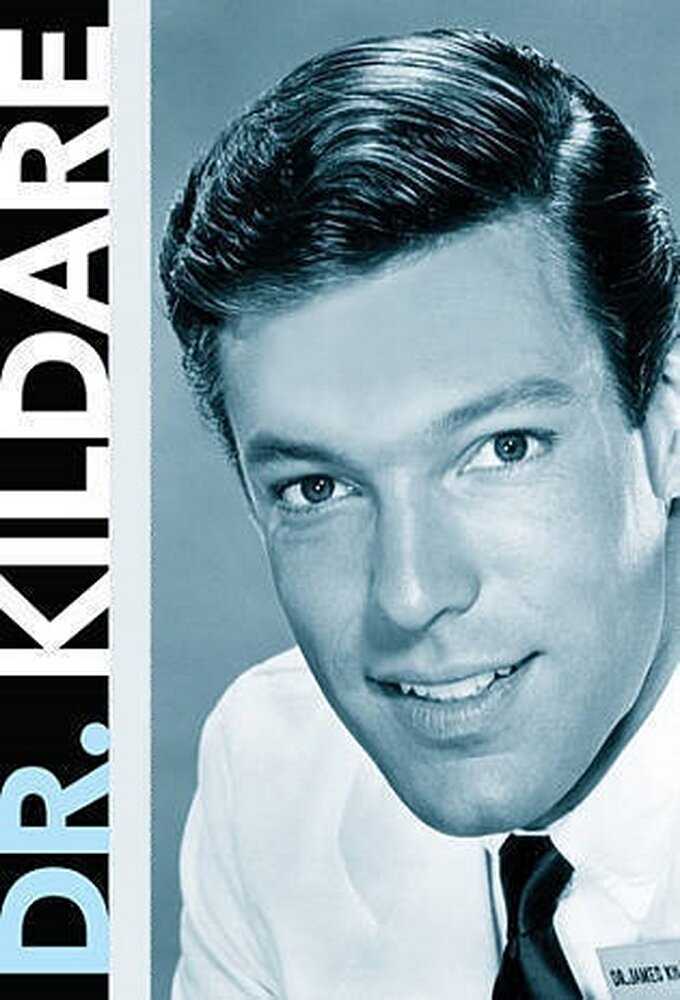
Dr. Kildare1961
NBC's answer to Casey, airing the same year with the same young-doctor-meets-wise-elder engine, but gentler and more optimistic — Richard Chamberlain's warmth is the mirror image of Vince Edwards's scowl.
But Its sunnier tone can feel bland next to Casey's brooding intensity, and the moralizing is even heavier-handed.
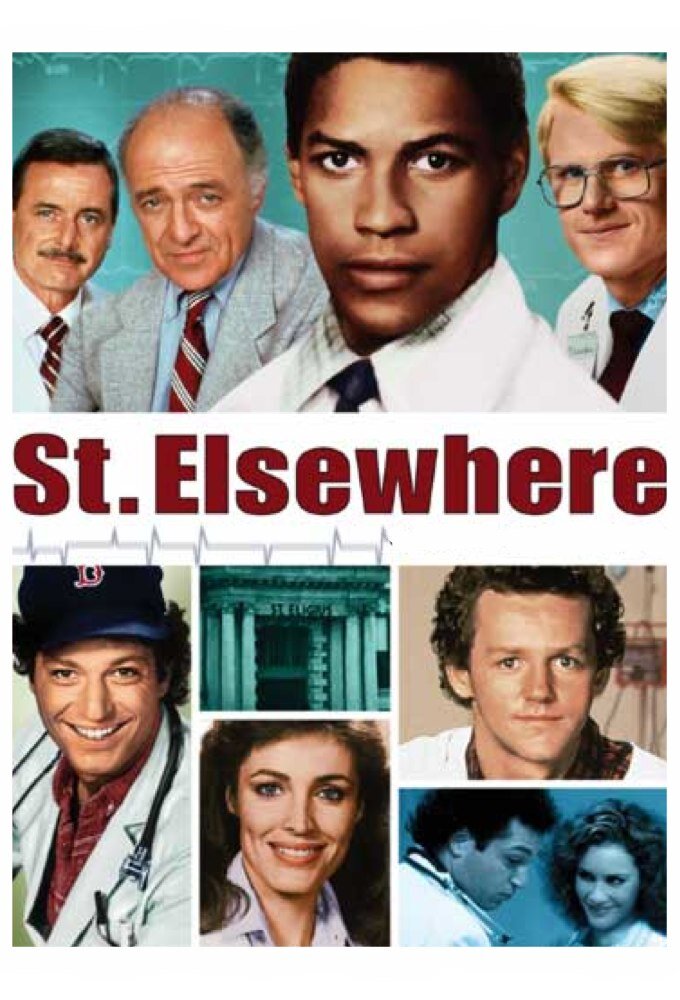
St. Elsewhere1982
The show that dragged the hospital drama into the modern era — grittier, funnier, and willing to let doctors be flawed, weak, even wrong, breaking the saintly mold Casey helped create.
But Its sprawling ensemble and dark humor are a world away from Casey's earnest single-hero focus.
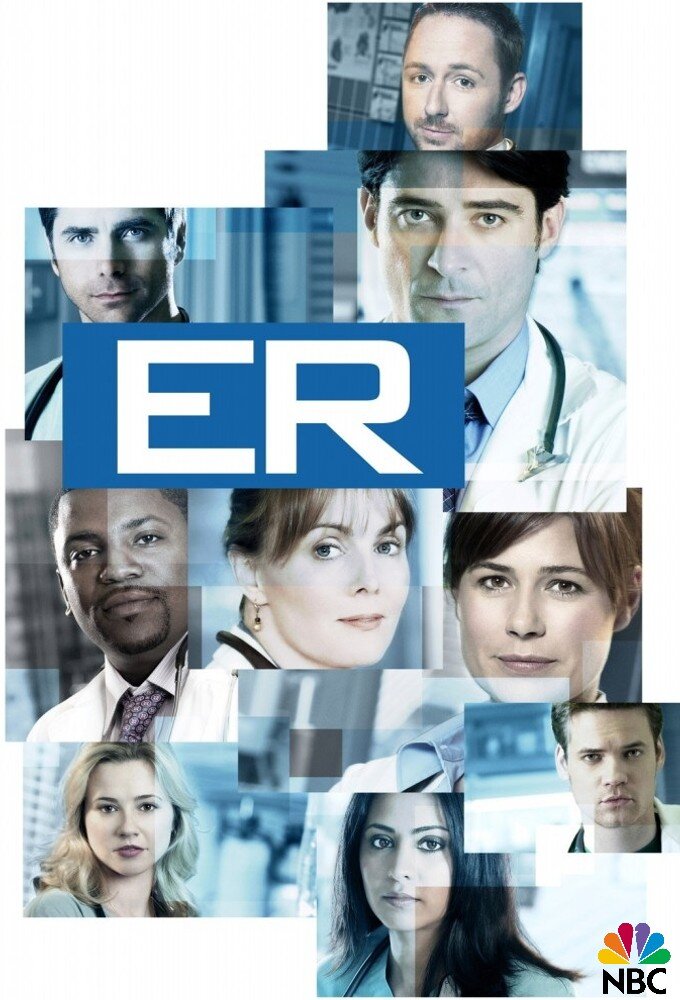
ER1994
The direct descendant of Casey's tense corridors, but sped up to a sprint — Clooney and company turn the slow-burn moral drama into adrenaline, redefining what a hospital show could be.
But The frantic pace and endless crises can feel exhausting if you came for Casey's slower rhythms.
The wildcard
Something you would not have found on your own.
Hospital1970no page yet
Same setting, same stakes, but where Casey dramatizes suffering into tidy moral lessons, Wiseman just points a camera and lets the real thing sit there, unresolved.
Frederick Wiseman's unflinching documentary strips away every dramatic convention Casey relies on — no score, no hero, no resolution — just a real New York ER's chaos, cruelty, and occasional grace.
But It's bleak, formless by design, and offers none of the comfort of a scripted story.
More like this (6)
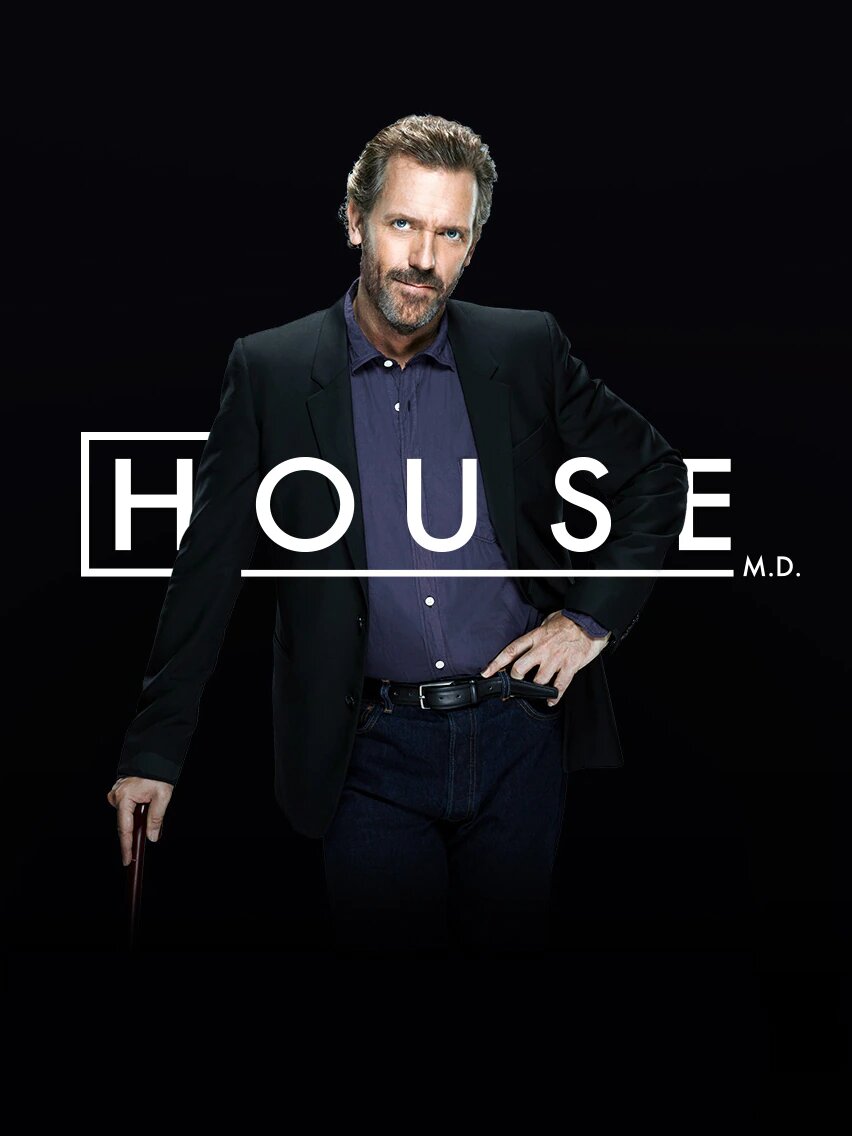
House2004
Takes Casey's brilliant, difficult doctor and turns the volume all the way up — an antihero genius whose bedside manner is basically a weapon, with mysteries instead of morality plays.
But The formula repeats hard after a few seasons, and House's cruelty can wear thin over time.
Marcus Welby, M.D.1969
The warmer, folksier cousin to Casey — where Ben Casey scowled through crises, Welby soothed them, offering the comforting small-town doctor fantasy that dominated network TV through the 1970s.
But It's sentimental and slow by today's standards, with none of Casey's edge or tension at all.
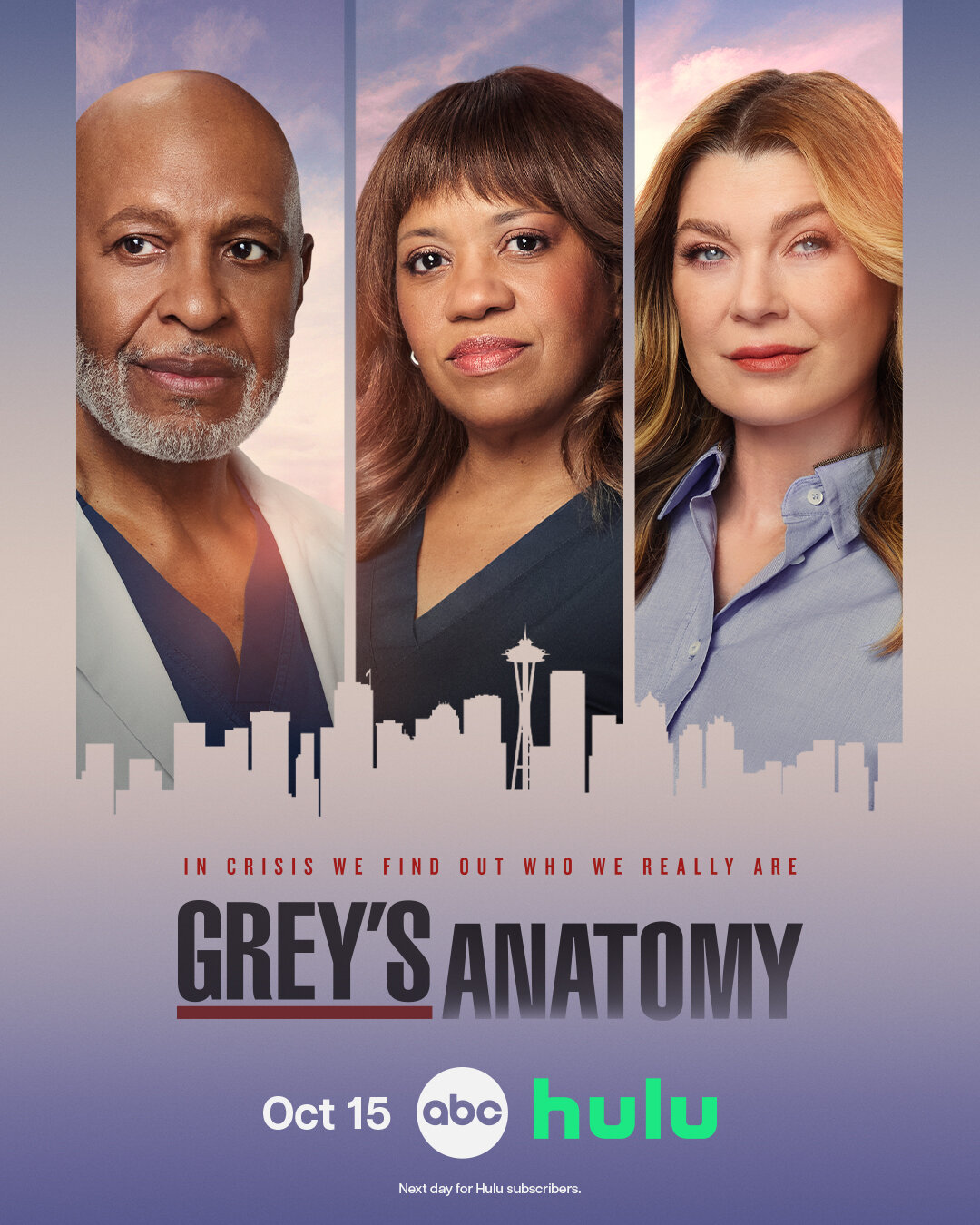
Grey's Anatomy2005
Proof that the hospital soap never died — trade Casey's stern moralism for melodrama, love triangles, and an ensemble that never stops talking, but keep the same beating emotional heart.
But Decades of soap-opera plotting and constant relationship drama can feel a long way from Casey's tight hours.
M*A*S*H1972
Swaps the hospital for a war zone but keeps the moral pressure-cooker of doctors making impossible choices — funnier, angrier, and more overtly political than Casey ever dared to be.
But It's a comedy first, so if you want straight medical drama the tonal shifts might jar.
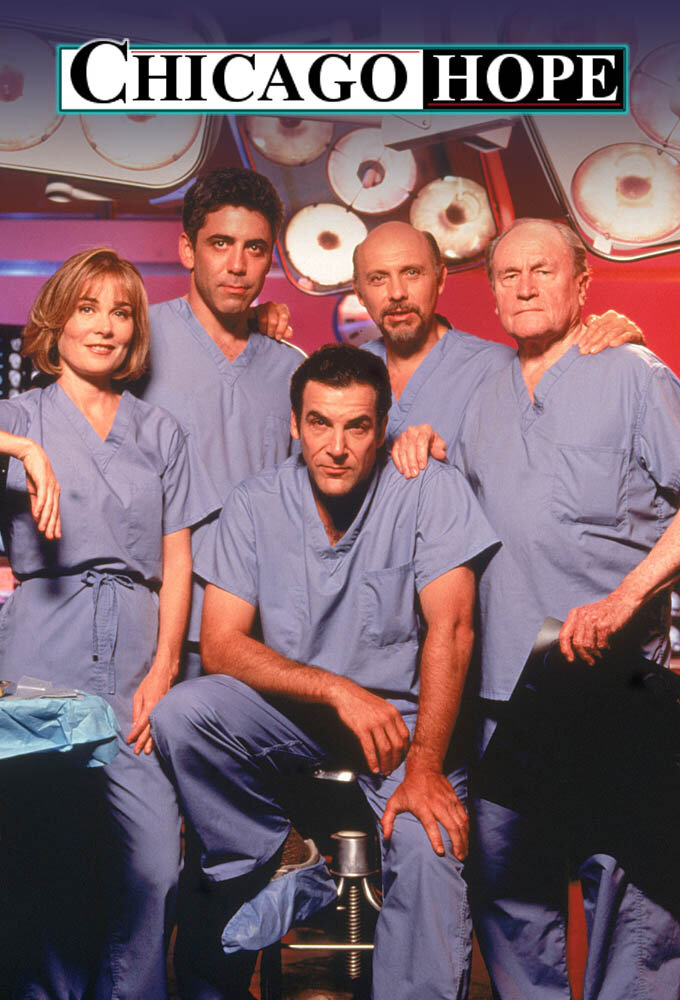
Chicago Hope1994
ER's less-remembered rival, going deeper into hospital politics and ethics than Casey's patient-of-the-week format ever did, with a starrier, twistier cast of doctors behind the operating table.
But It never escaped ER's shadow, and some seasons feel like a pale echo of it.
The Bear2022
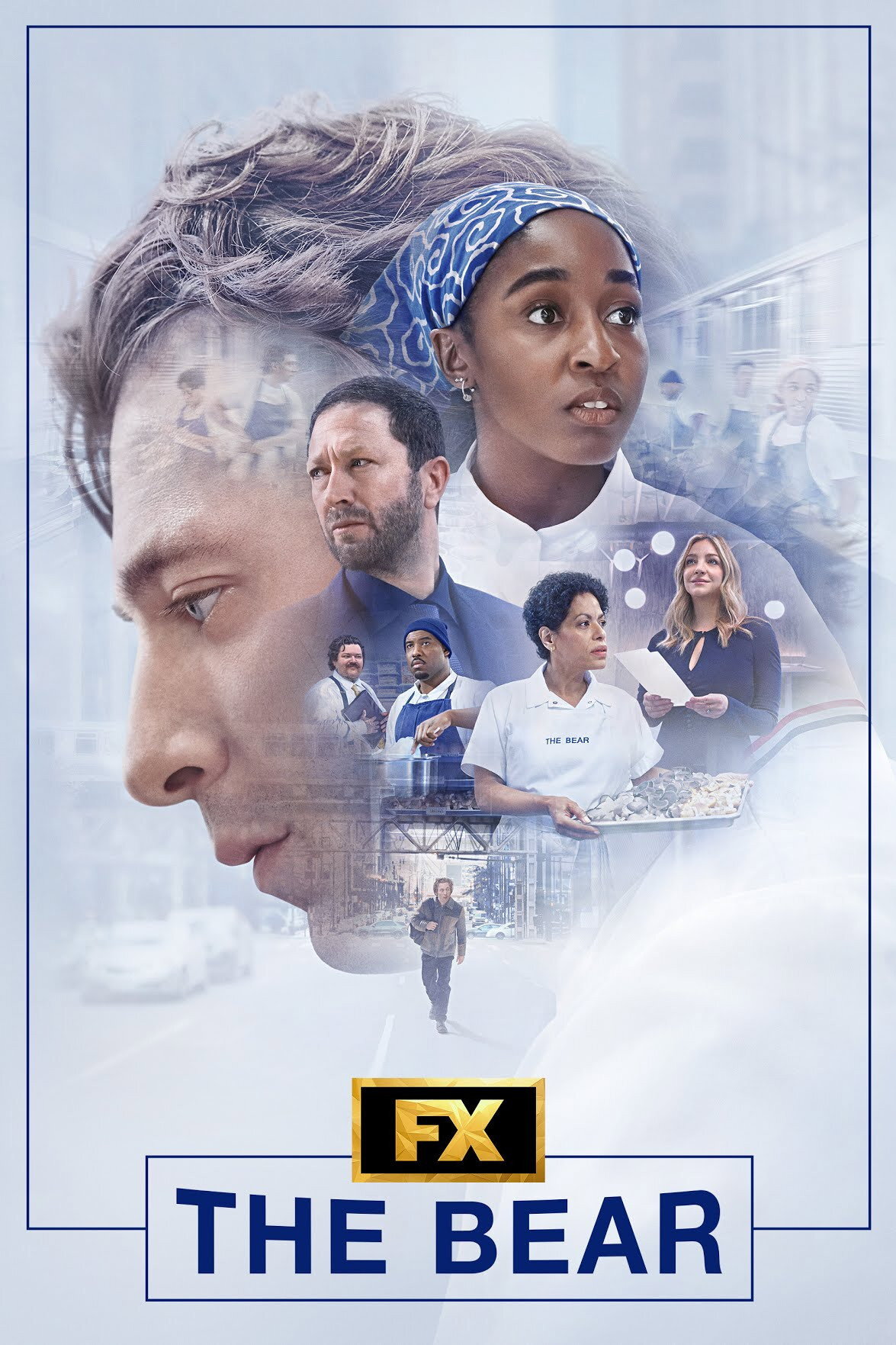
Both are studies of a brilliant, furious young man burning out the people around him while trying to save something — Casey just wore scrubs instead of a chef's coat.
Trade the operating theatre for a Chicago kitchen and you get the same engine — a volatile young genius, a found family of mentors and rivals, and life-or-death stakes measured in seconds instead of scalpels.
But The anxiety-inducing pace and constant shouting can feel like a lot if you want Casey's calmer procedural rhythm.
People
Cast
Writing
- James E. MoserCreator