
Film
Welfare
Frederick Wiseman's unflinching 1975 documentary observes the New York City welfare system in exhausting, necessary detail. It follows caseworkers and clients through bureaucratic labyrinths, revealing how poverty, illness, and institutional inertia collide. Patient, urgent, and radically empathetic—a film that trusts you to draw your own conclusions about who the system actually serves.
If you liked this
Grey Gardens1976
The Maysles brothers' portrait of reclusive socialites trapped in decaying wealth is intimate and devastating. Like Welfare, it observes without judgment and finds profound humanity in lives most would ignore or mock.
But It moves slowly and offers no narrative arc. The subjects can seem difficult, the conditions squalid. You have to want to look.

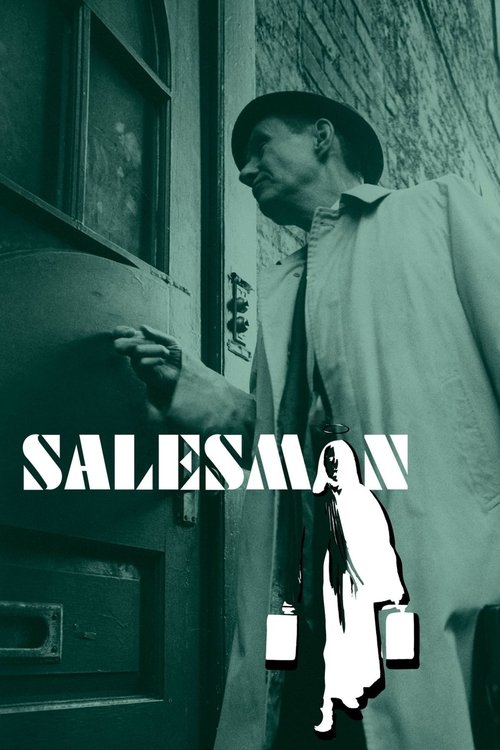
Salesman1969
Wiseman's earlier study of door-to-door Bible salesmen is hypnotic—watching men fail, adapt, and persist across kitchen tables. Same direct gaze, same patient accumulation of detail that builds into something close to tragedy.
But No voice-over, no explanations. At 83 minutes it's still demanding. You're asked to sit with discomfort and draw your own meaning.
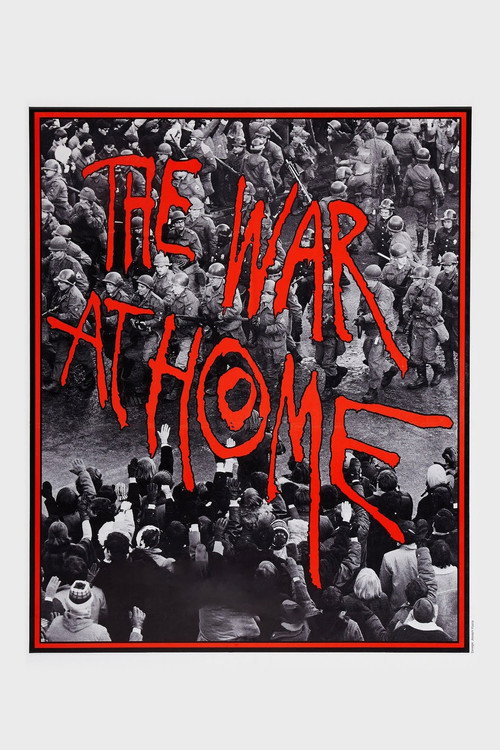
The War at Home1979
Glenn Silber and Barry Alexander Brown's documentary about Madison's anti-war movement captures bureaucracy from another angle—how institutions absorb and process dissent. Fascinating complement to Welfare's vision of systems grinding on.
But Archival footage quality varies. The pacing assumes you care about context most viewers won't have. It requires patience and historical interest.
Not sure tonight? Get a pick in a minute, starting from Welfare
The wildcard
Something you would not have found on your own.
Sans Soleil1983
Both films distrust easy answers about complex systems. But where Welfare observes with stark clarity, Sans Soleil philosophizes through layered imagery and lyrical voice-over—the inverse approach to the same question about what systems actually do to people.
Chris Marker's essayistic meditation on memory, politics, and systems of representation moves across continents and decades. Like Welfare, it refuses to explain and trusts observation to generate meaning, but it uses montage and voice-over as tools for thought rather than transparency.
But It's philosophically dense and structurally fragmented. There's no plot, only association and argument. Viewers expecting conventional documentary will find it abstract and sometimes cryptic.

More like this (6)
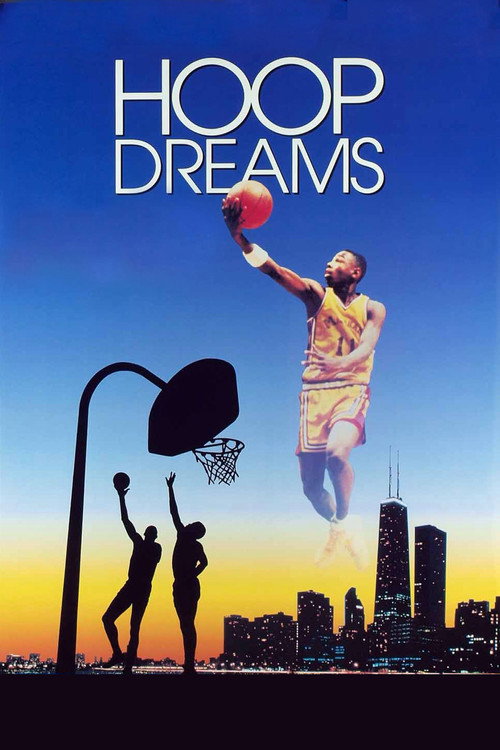
Hoop Dreams1994
Steve James's chronicle of two basketball players is a Wiseman-like document of systems—economic, educational, athletic—that shape lives. Over three hours, it accumulates the weight of structural inequality through close observation.
But The length is substantial and justified but still demanding. Sports aren't the subject; they're the lens. If you want game highlights, you'll be frustrated.
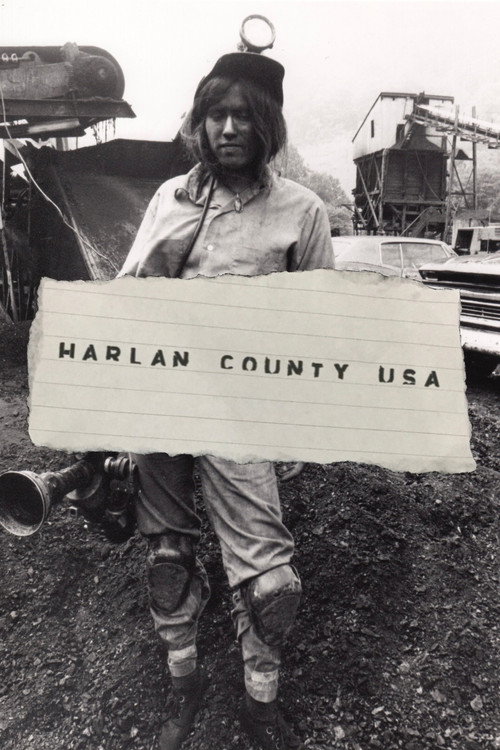
Harlan County U.S.A.1976
Barbara Kopple's documentary of a Kentucky coal miners' strike has Welfare's moral clarity and observational power. It shows systems—economic, political, human—in collision, with real stakes and real people bearing the weight.
But It's angry in ways Welfare isn't. The violence and hardship are not mediated by Wiseman's cool distance. Some may find it polemical rather than observational.
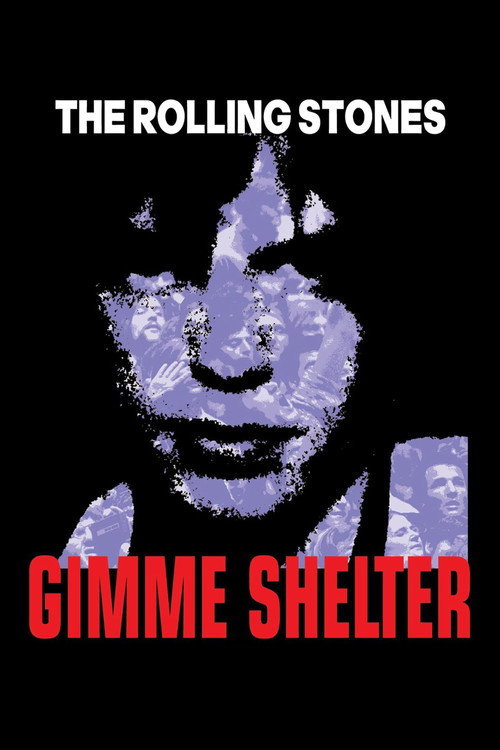
Gimme Shelter1970
The Maysles' document of the Rolling Stones' Altamont concert disaster shows how systems collapse under pressure. Different subject, same unflinching eye for what happens when control breaks down and people scramble.
But The rock-and-roll angle may feel dated. The violence, when it comes, is genuinely disturbing. It's not a music film, which may disappoint fans seeking that.
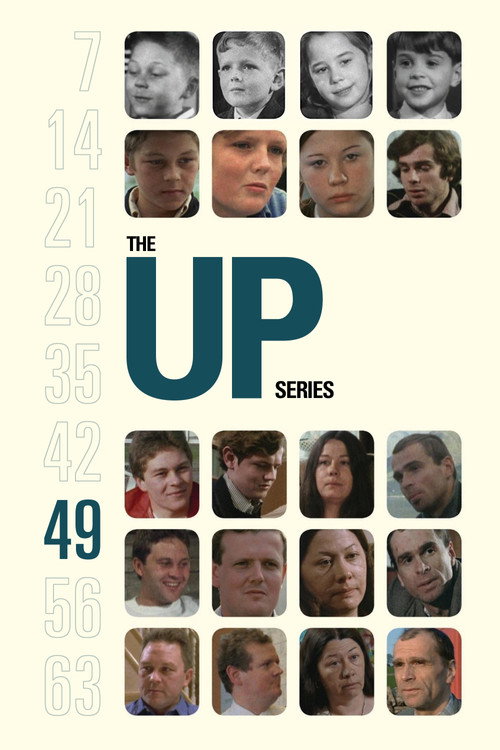
49 Up2006
Michael Apted's long-term project following the same people every seven years is the ultimate study of how systems—class, economics, opportunity—shape lives across decades. Like Welfare but across lifetimes, revealing patterns invisible in any single moment.
But It spans fifty years and nine films. You can't do it in an evening. Each installment assumes you've seen the last. The British class system may feel remote.
Man with a Movie Camera1929
Dziga Vertov's Soviet montage-poem documents urban systems—transit, labor, leisure—with dazzling visual invention. It shares Welfare's belief that careful observation of ordinary systems reveals something profound about how society actually works.
But It's avant-garde and abstract. No narrative, no individual characters to follow. The 1920s Soviet context requires some knowledge. The form can feel deliberately difficult.

The Act of Killing2012
Welfare documents systems that grind people down. The Act of Killing documents systems that enable and reward atrocity. Both ask: what structures allow people to do what they do? But where Welfare offers tragic resignation, The Act of Killing demands we witness the architects justify themselves—a far more violent form of inquiry.
Joshua Oppenheimer's extraordinary documentary about Indonesian mass murderers grappling with their own atrocities is Welfare's opposite in form but identical in moral seriousness. Instead of passive observation, it stages confrontation. Instead of systems, it pursues personal accountability.
But It depicts real violence and atrocity. The perpetrators are often charming and unrepentant. Viewers seeking justice or catharsis may find the ambiguity unbearable. It requires emotional strength and tolerance for profound unease.

People
Directing
- Frederick WisemanDirector
Production
- Frederick WisemanProducer