Film
High School
Frederick Wiseman spends a week inside a Philadelphia high school in 1968, filming without narration, music or interviews—just hallway monitors, guidance counsellors and gym teachers doling out small, constant lessons in obedience. It's calm, clinical and quietly damning: less a story than an X-ray of how institutions shape teenagers into compliant adults, one polite instruction at a time.
If you liked this
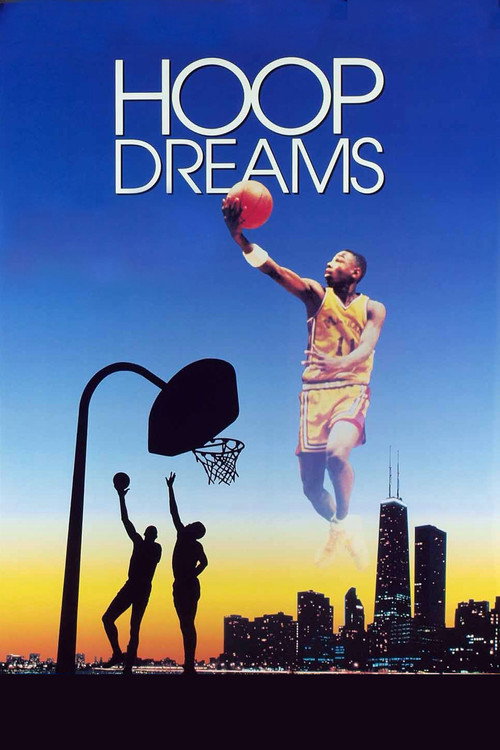
Hoop Dreams1994
Same unblinking camera trained on a different institution—inner-city basketball—showing how systems quietly decide who gets a future. Devastating, generous, and never preachy, following two Chicago teenagers for five years.
But At nearly three hours it's a real sit, and its warmth runs at a different temperature than Wiseman's clinical cool.
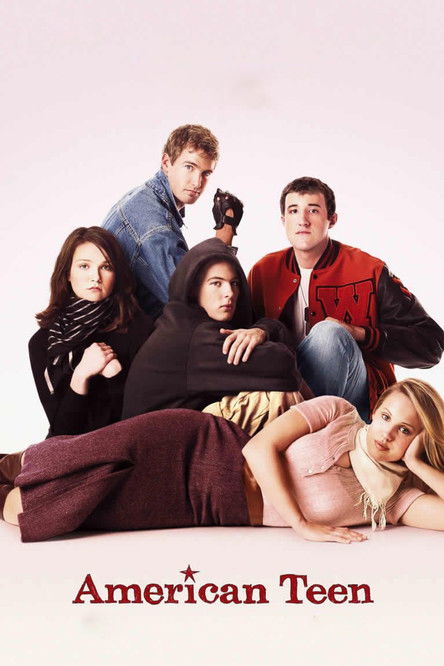
American Teen2008
The closest thing to a direct descendant—an observational doc following real Indiana seniors through cliques, heartbreak and college anxiety, decades after Wiseman's kids filed through their own bureaucracy.
But It's stylised and narratively shaped in ways Wiseman would never allow himself—more entertainment than ethnography.
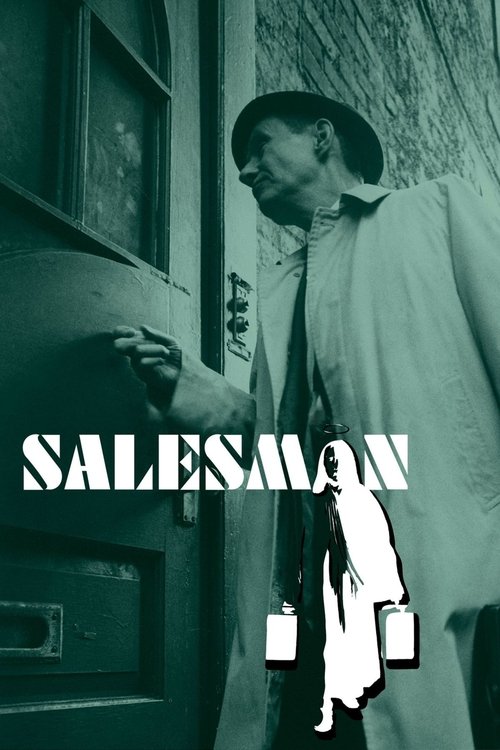
Salesman1969
Made the same year, by the Maysles brothers, with the same fly-on-the-wall nerve—trained on door-to-door Bible salesmen instead of teenagers. Same unnarrated dread of a system grinding people down.
But Slower and sadder than High School, with none of the classroom energy—this is quiet American desperation.
The wildcard
Something you would not have found on your own.
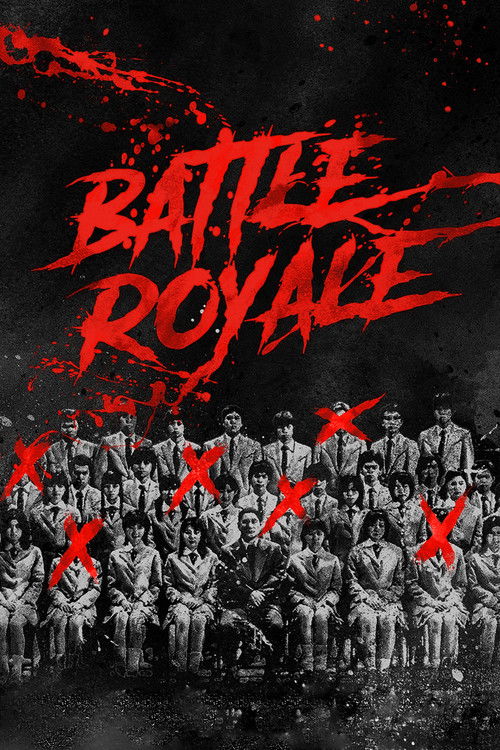
Battle Royale2000
Both films are obsessed with how institutions engineer obedience in teenagers; Battle Royale just takes that anxiety to its logical, murderous extreme.
A Japanese cult classic where a class of teenagers is dropped on an island and forced to kill each other by government decree—the ultimate satire of institutions deciding who deserves to survive.
But Extremely violent and gleefully lurid—this is the opposite of Wiseman's restraint, all scream and blood spray.
More like this (8)
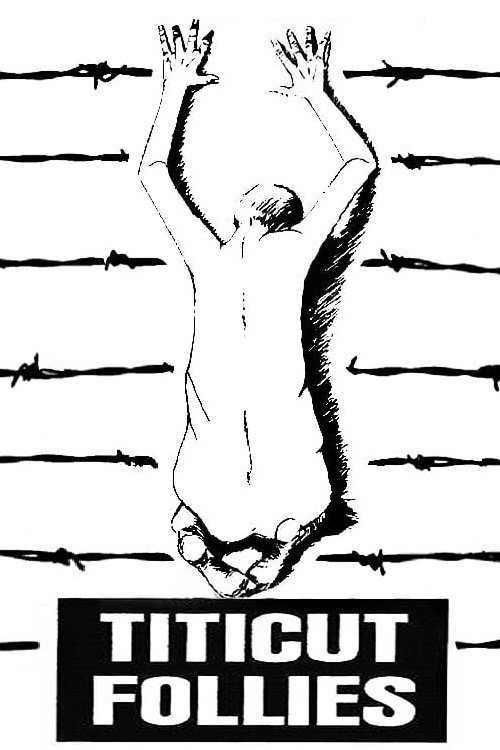
Titicut Follies1967
Wiseman's own film from two years earlier, banned for decades, turns his camera on a Massachusetts asylum. If you want to see where his eye for institutional cruelty came from, start here.
But Far more distressing than High School—this is genuinely upsetting material, not just uncomfortable.
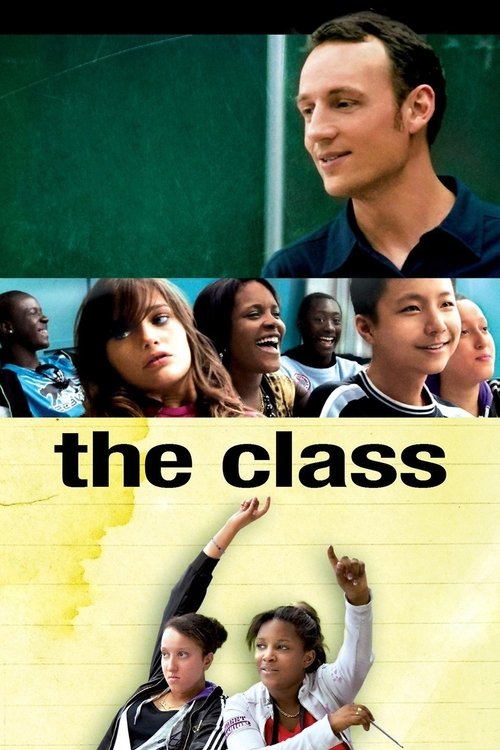
The Class2008
A French drama shot like a documentary, built from real classroom transcripts, capturing the same push and pull between teacher and teenager that Wiseman filmed for real.
But It's fiction, however unvarnished—so the tension is authored, not observed, and some of the danger is gone.
Waiting for "Superman"2010no page yet
Takes the same subject—American schools failing kids—and turns it into a righteous, data-driven argument instead of a silent observation. A useful companion for the bigger picture Wiseman never spells out.
But It's advocacy filmmaking with villains and heroes, the opposite of Wiseman's refusal to editorialise.
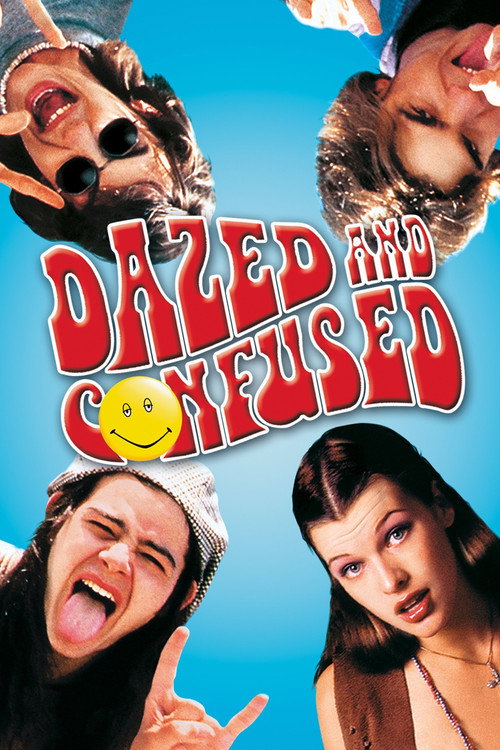
Dazed and Confused1993
The warm, funny flip side—Linklater's stoned, sun-drenched high school comedy set just a few years after Wiseman's film, all the same hallways and hierarchies but seen with affection instead of scrutiny.
But Pure nostalgia trip with none of the discomfort—this is the version of high school that forgives everyone.
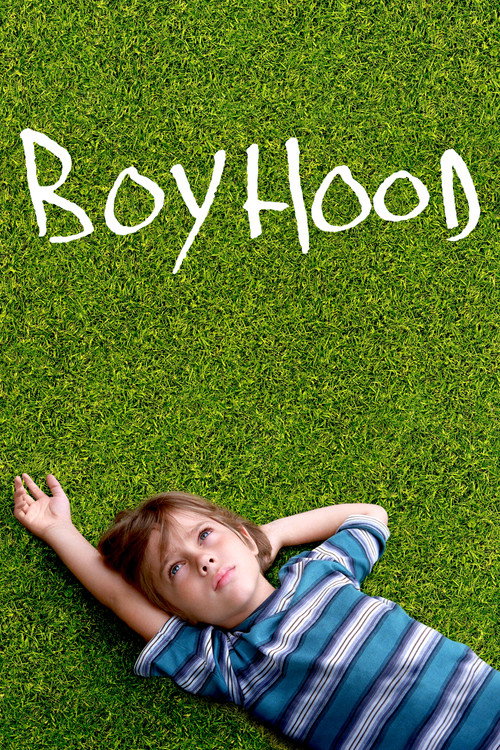
Boyhood2014
Linklater again, this time tracking one boy from six to eighteen over twelve real years of filming—a different kind of patience with growing up inside institutions like family and school.
But Nearly three hours of gentle, low-key incident—gorgeous if you're patient, glacial if you're not.
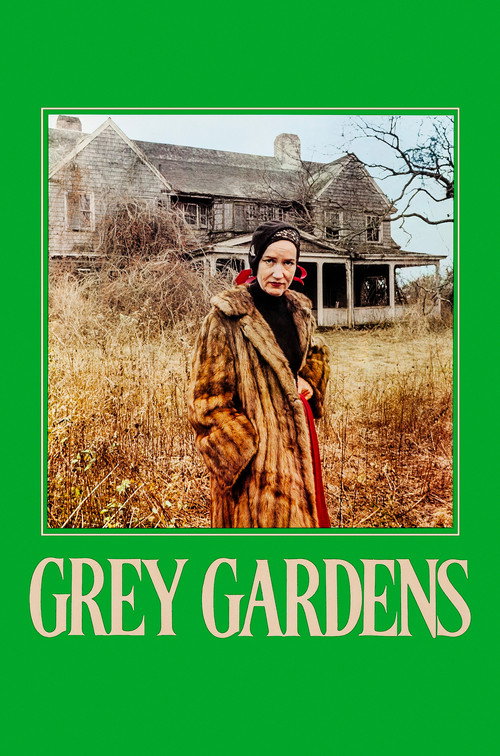
Grey Gardens1976
The Maysles brothers again, a few years later, applying the same unnarrated intimacy to two eccentric women in a crumbling East Hampton mansion rather than a school full of teenagers.
But Almost nothing to do with institutions—this is a character study, stranger and more claustrophobic than High School.
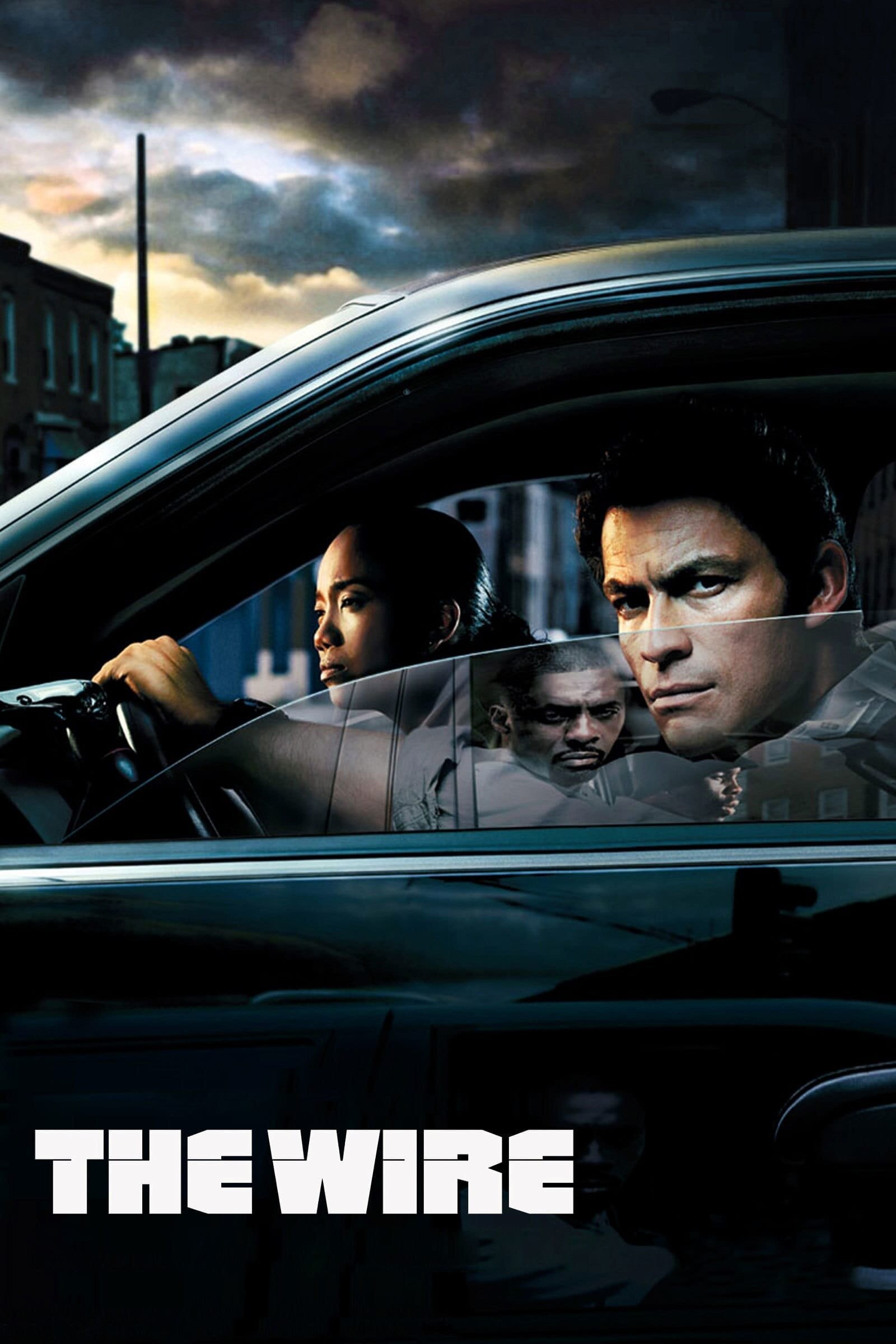
The Wire2002
Same clinical, unsentimental eye on how a school system processes and discards children, translated from documentary into long-form fiction.
The show's fourth season abandons cops for classrooms, following four Baltimore kids through a school system that fails them with the same bureaucratic inevitability Wiseman filmed decades earlier.
But It's eleven-plus hours embedded in a fictional universe—you're signing up for a serialized drama, not a single evening.
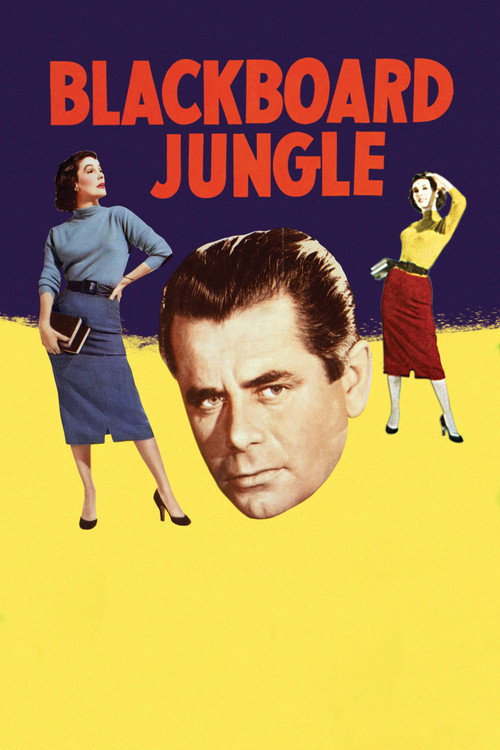
Blackboard Jungle1955
Made fourteen years earlier, it's the fevered Hollywood fantasy of the unruly teenager that High School's flat, procedural reality seems built to correct.
The 1955 melodrama that terrified American parents about disorderly classrooms and knife-wielding teens—the exact panic Wiseman's calm, orderly Philadelphia school seems to be quietly answering.
But Dated and stagy by comparison, with a moralising streak and jazz-score hysteria that feels a world away from Wiseman's cool.