
Film
Law and Order
Other titles called Law and Order: the 1932 film.
Frederick Wiseman's fly-on-the-wall record of the Kansas City Police Department: no narrator, no score, no interviews, just footage of officers filling out paperwork, calming domestic disputes, chasing shoplifters, and occasionally crossing a line. It moves in real time and asks nothing of you but attention. Patient rather than dramatic, it trusts silence to say what commentary never could about power exercised quietly, every day.
Should you watch it?
Watch it if you like observational documentaries that let small on-the-job decisions say more than any narration could, and you trust the camera to do the explaining.
Skip it if you want a clear argument or characters to follow, since this one moves from incident to incident with no narrator and no arc to hold onto.
What it asks of you: Eighty-one minutes of patient watching, with scenes that linger long enough for you to read officers' hesitations and the faces of the people they deal with.
Not sure? Find tonight's pick in a minute.
If you liked this
High School1969
Wiseman's same unblinking method turned on an American institution just as loaded with power and control—teachers instead of cops, but the same silent camera catching authority in the act.
But If Law & Order already tested your patience with plotless observation, another hour of it might feel like homework.
The Thin Blue Line1988
Errol Morris takes the same subject—police, testimony, the gap between what happened and what gets recorded—and turns it into a formal, hypnotic investigation that helped overturn a wrongful conviction.
But Its stylised reenactments and moody score are the exact opposite of Wiseman's raw immediacy; don't expect that unmediated feel.
13th2016
Traces how American policing, courts and incarceration connect back to slavery and Jim Crow, supplying the systemic context that Wiseman's ground-level footage deliberately withholds.
But It argues a clear thesis with narration and talking heads—precisely the editorial hand Law & Order refuses to show.
Not sure tonight? Get a pick in a minute, starting from Law and Order
The wildcard
Something you would not have found on your own.
Housing Problems1935
Decades before Wiseman, British documentarists pointed a camera at slum tenants and let them speak unscripted to camera—the same radical bet that ordinary people's own words are the film.
A 15-minute pioneer of direct-to-camera testimony, made by people trying to invent a new kind of documentary honesty from scratch, decades before anyone called it vérité.
But It's a short, dated, and its social-reform agenda sits more visibly on its sleeve than Wiseman ever allows himself.
More like this (8)
Do Not Resist2017
A contemporary companion piece following militarised American police departments decades after Wiseman's Kansas City beat, with the same discomfort at watching authority exercised in real time.
But Heavier on ominous scoring and editorial shaping than Wiseman ever allowed himself to be.
Crime + Punishment2018
NYPD officers and public defenders caught in an illegal quota system, filmed with the same patient, unhurried access Wiseman pioneered, decades later and higher stakes.
But Long and emotionally heavy; closer to a slow-burn indictment than a neutral portrait.
The Central Park Five2012
A precise, devastating account of how 'law and order' politics steamrolled five innocent teenagers, filling in exactly what Wiseman's camera couldn't explain about consequence.
But Talking-heads structure and a clear villain make it a far more conventional, argument-driven watch.
Hoop Dreams1994
Another vérité epic about American institutions and the kids caught inside them—no narration, just years of patient footage revealing what a system actually does to people.
But It's basketball and Chicago schools, not badges and squad cars; the connection is method, not subject.
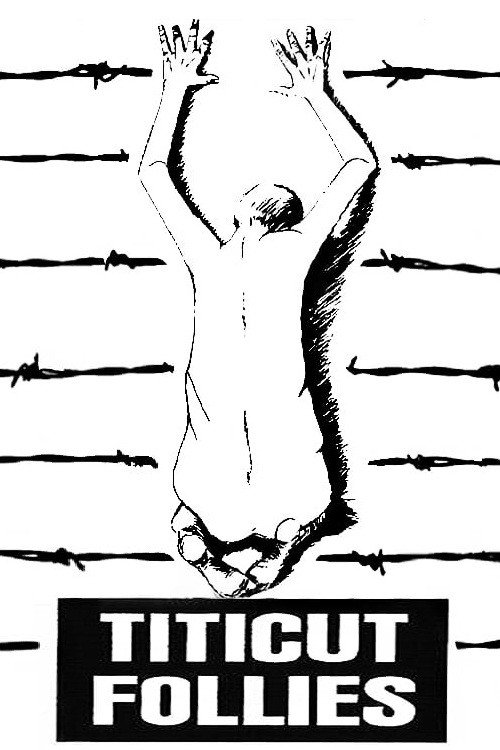
Titicut Follies1967
Wiseman's first and most notorious film, shot two years earlier inside a Massachusetts asylum—the same clinical eye on institutional power, only rawer and once banned outright.
But Genuinely upsetting; this is the hardest watch on the whole list, be warned.
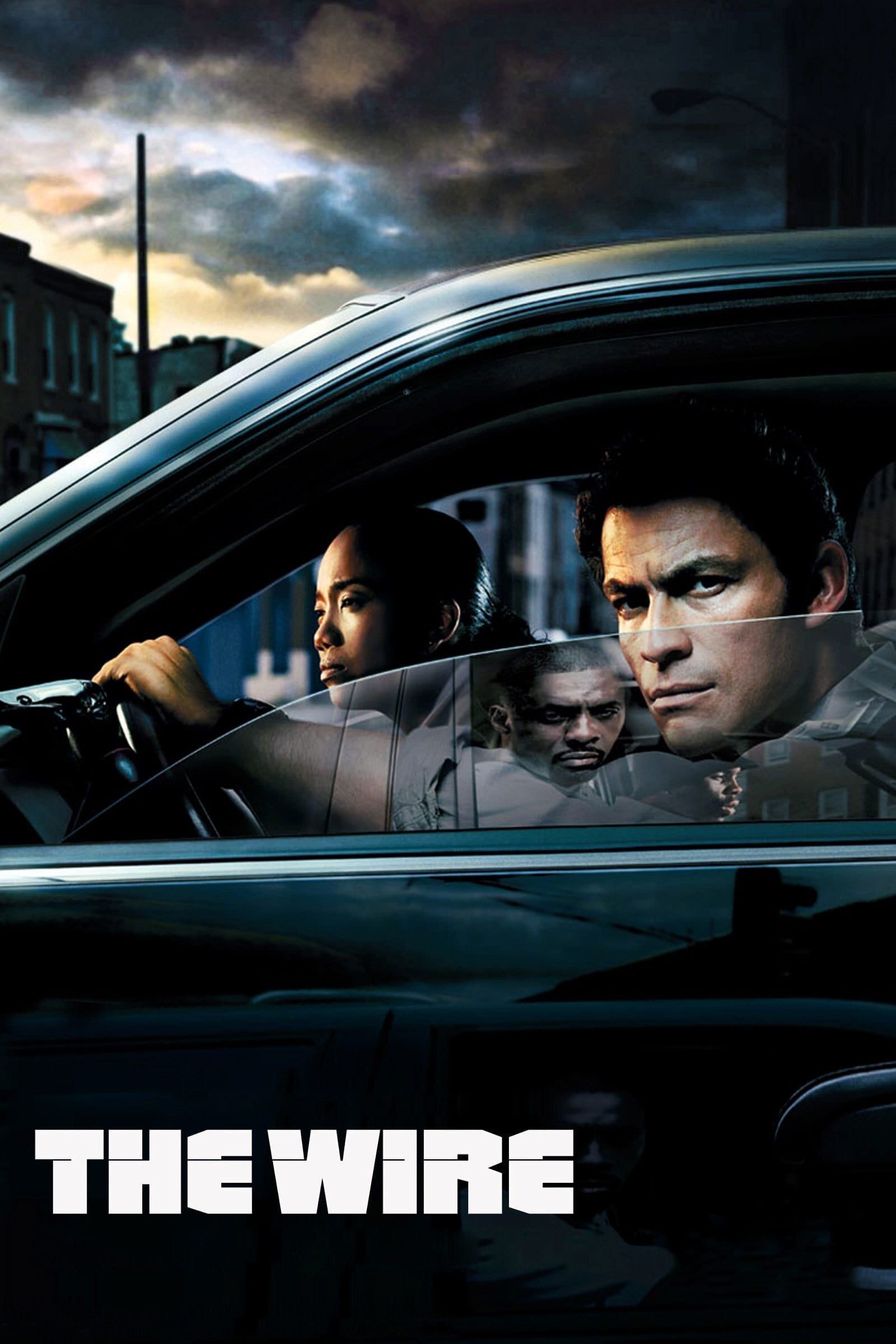
The Wire2002
The fictionalised version of everything Wiseman shows sideways—bureaucracy, discretion, the gap between the job and the mission—dramatised across Baltimore's fullest, most patient canvas.
But Five seasons and sixty hours is a wildly different commitment than an 81-minute documentary.
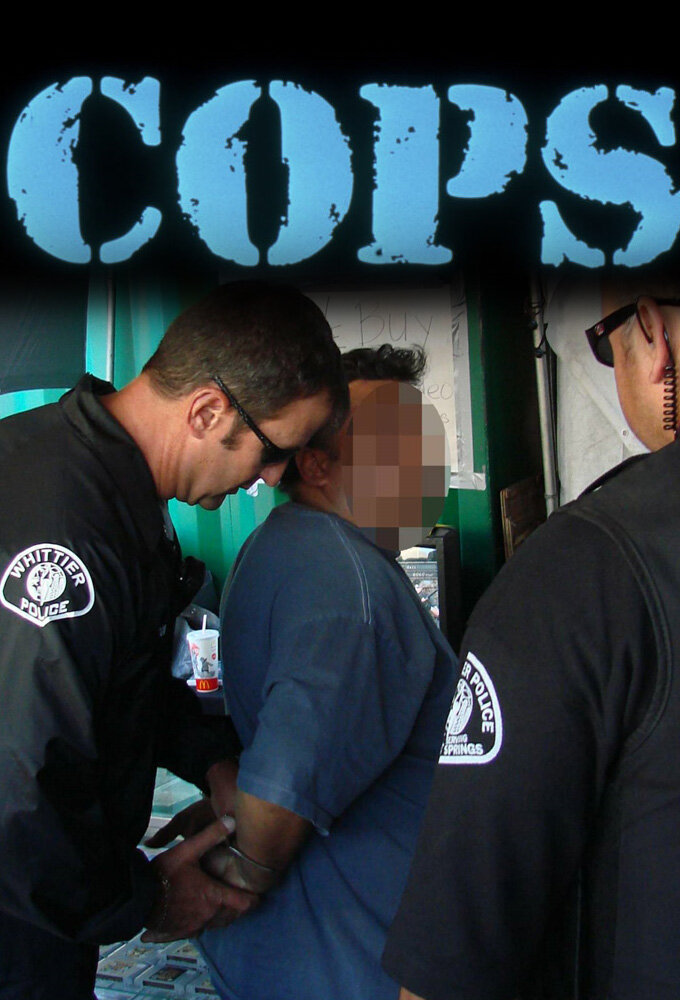
Cops1989
Same handheld footage, same lack of narration, same claim to unmediated truth as Wiseman's cameras—except stripped of his patience and turned into spectacle.
Watching the same raw ride-along footage format curdle from observation into pure adrenaline entertainment is its own education in how framing and editing shape meaning.
But It's trashy by design, cut for thrills rather than truth, and has been rightly criticised as police PR dressed as fly-on-the-wall access.
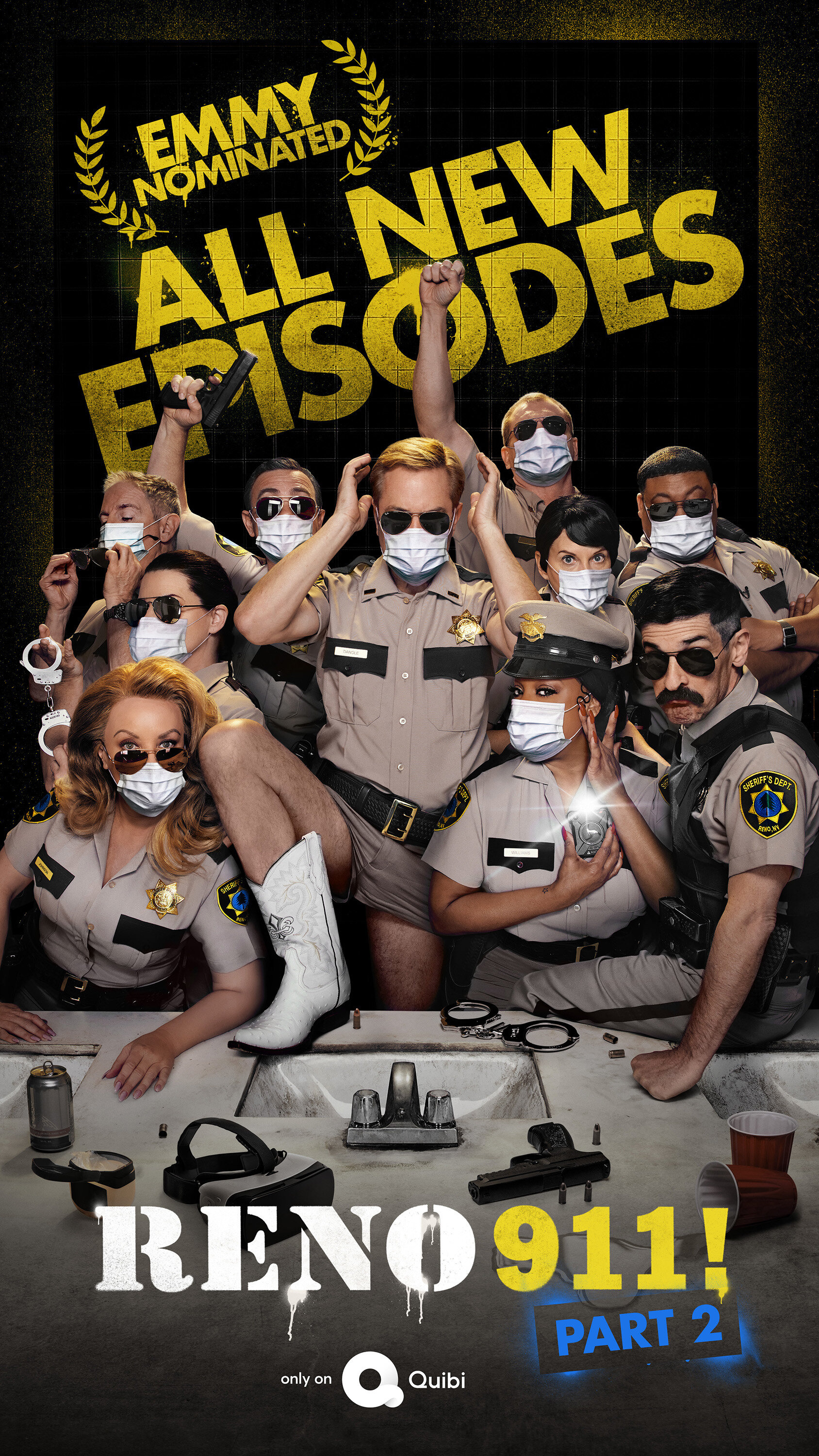
Reno 911!2003
Takes the exact grammar of vérité police footage—the awkward pauses, the procedural minutiae, the discretion calls—and plays it for comedy, exposing how strange the form looks once you notice its rules.
A note-perfect parody of ride-along cop footage that's also just very funny, oddly affectionate toward the boredom and incompetence Wiseman captured completely straight-faced.
But If policing and its failures aren't something you want played for laughs, the tonal gap from the documentary will feel enormous.
People
Cast
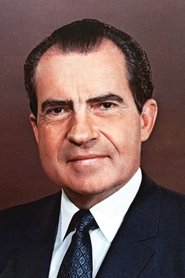 Richard NixonSelf - president