
Television series
24 Hours in Police Custody
Fly-on-the-wall documentary embedded with Bedfordshire Police, following real investigations from arrest through interview room to charge or release. No reconstructions, no narrator manipulation — just patient, unglossed process: paperwork, waiting, small human moments amid crime. For anyone who wants the machinery of justice shown plainly, tension built from procedure rather than spectacle, and empathy extended equally to suspects, victims and officers alike.
If you liked this
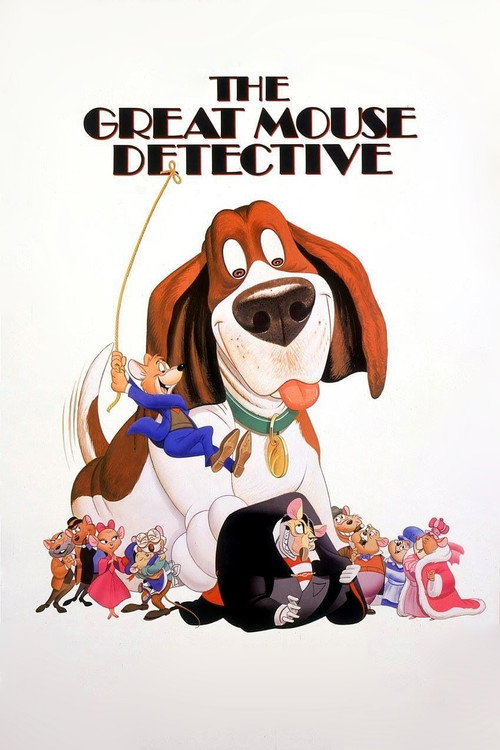
The Great Mouse Detective1986
Greater Manchester's specialist sex-crimes unit filmed with the same unflinching patience, showing the emotional cost investigators carry alongside the paperwork and the waiting.
But Genuinely harrowing subject matter — heavier and more sustained than most true-crime viewing, with no relief valve.
24 Hours in A&E2011
Same production team, same patient camera, swapping custody suites for casualty wards — strangers' worst days handled with real, unforced tenderness.
But Less crime, more grief and injury; if you wanted handcuffs and interview rooms, this pivots hard into hospital drama.

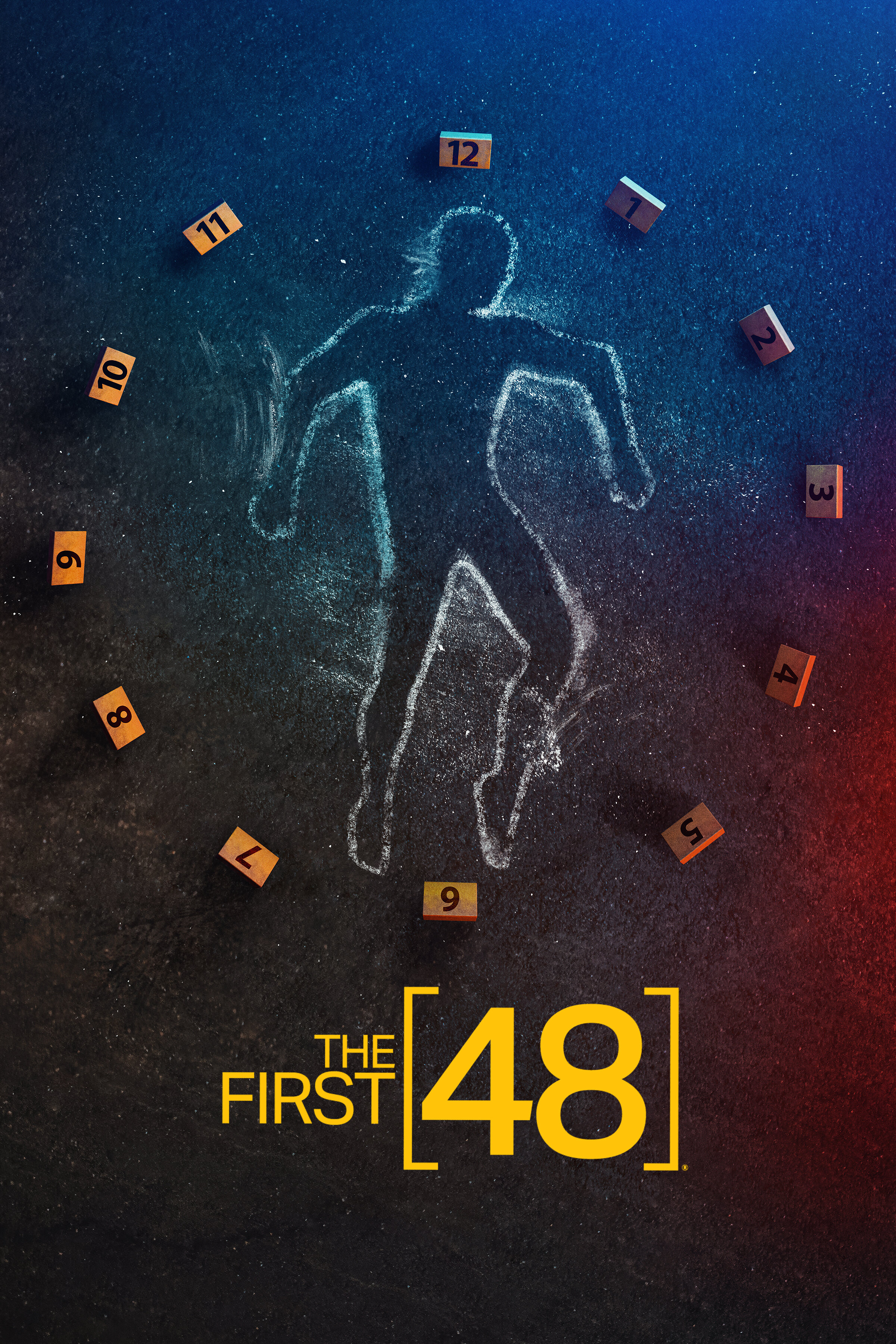
The First 482004
American homicide detectives race the clock before leads go cold, with the same fly-on-wall access to interrogation rooms and the slow build of a case.
But Choppier, more sensational editing than the British original — less patience, more music stings and cliffhangers.
The wildcard
Something you would not have found on your own.
Law and Order1969no page yet
It's the direct ancestor of this whole genre — embed, observe, don't editorialise — done half a century before narrators or case-of-the-week structure existed.
Frederick Wiseman's cinema-verite classic follows Kansas City police with no narration, no music and no framing device — just raw, uncommented footage of authority up close.
But Black-and-white, unstructured and deliberately withholding of context — a real patience test next to modern true crime.
More like this (7)
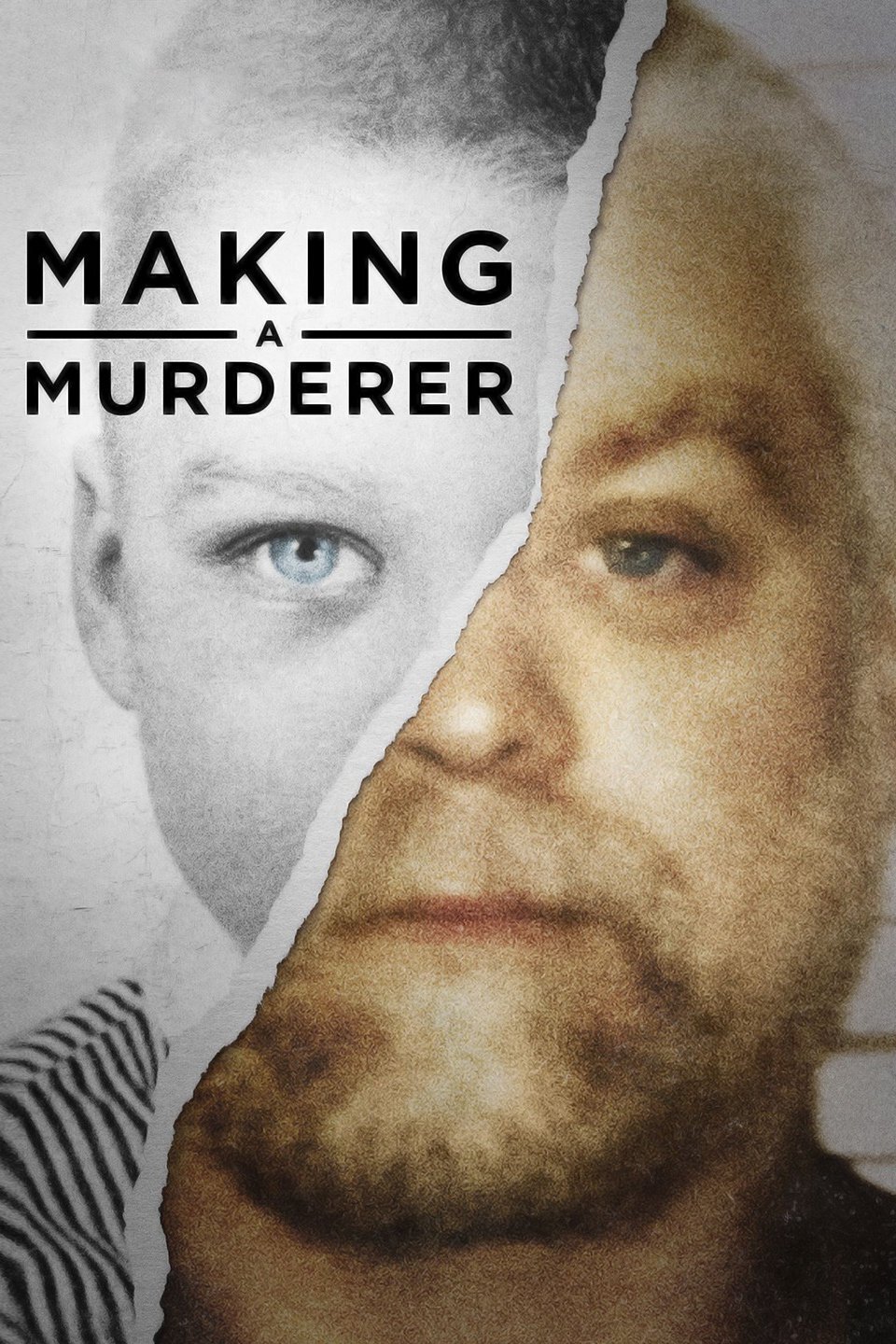
Making a Murderer2015
A single wrongful-conviction case stretched over ten hours, trading breadth for depth and turning courtroom procedure into genuine, sustained suspense.
But Openly advocates for its subject rather than staying neutral — a very different, more partisan flavour of true crime.
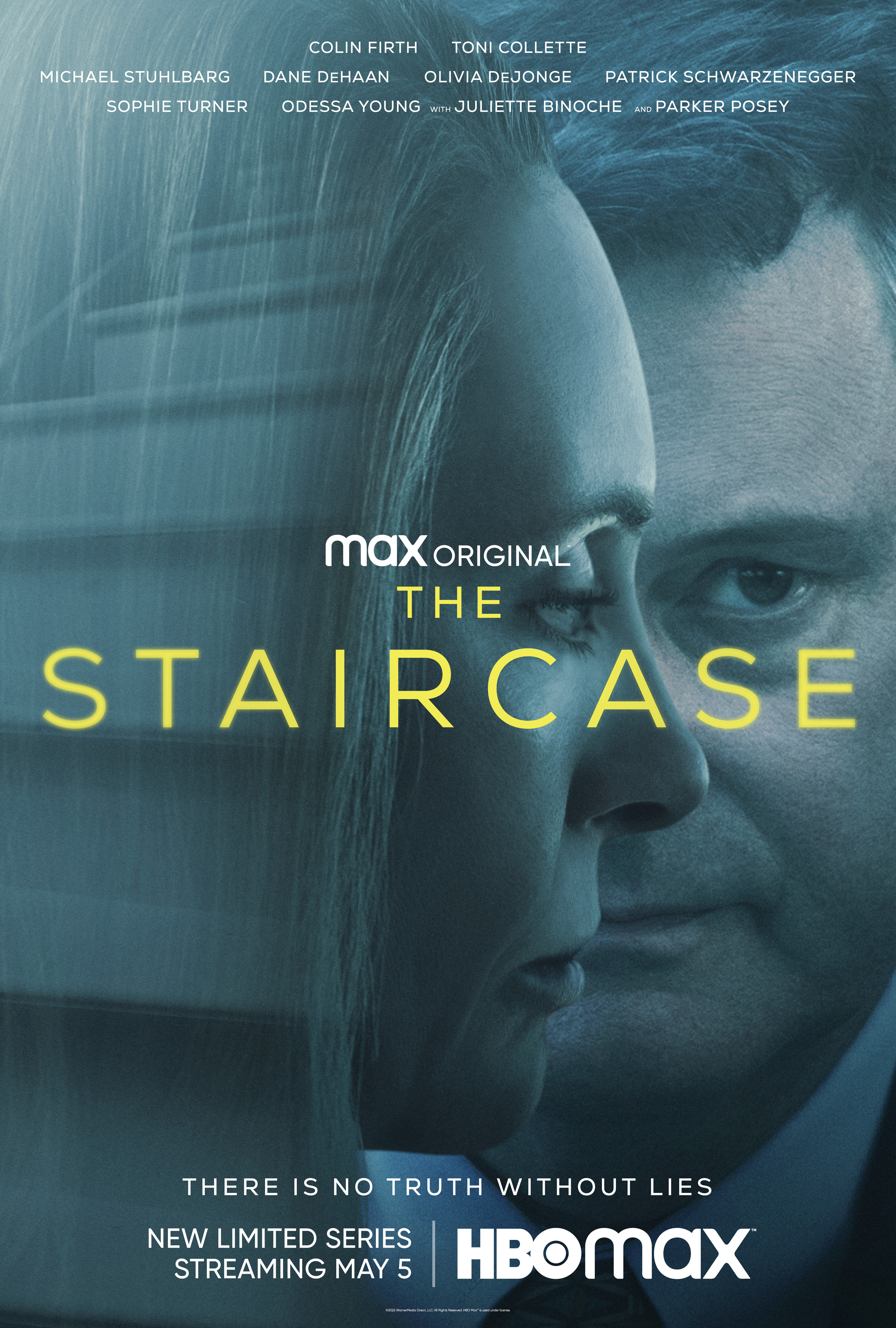
The Staircase2022
The original slow-burn courtroom documentary — years of access to one murder trial, revealing exactly how doubt and certainty get built in real time.
But Older footage and slower pacing feel dated next to the slicker British format; real patience required here.
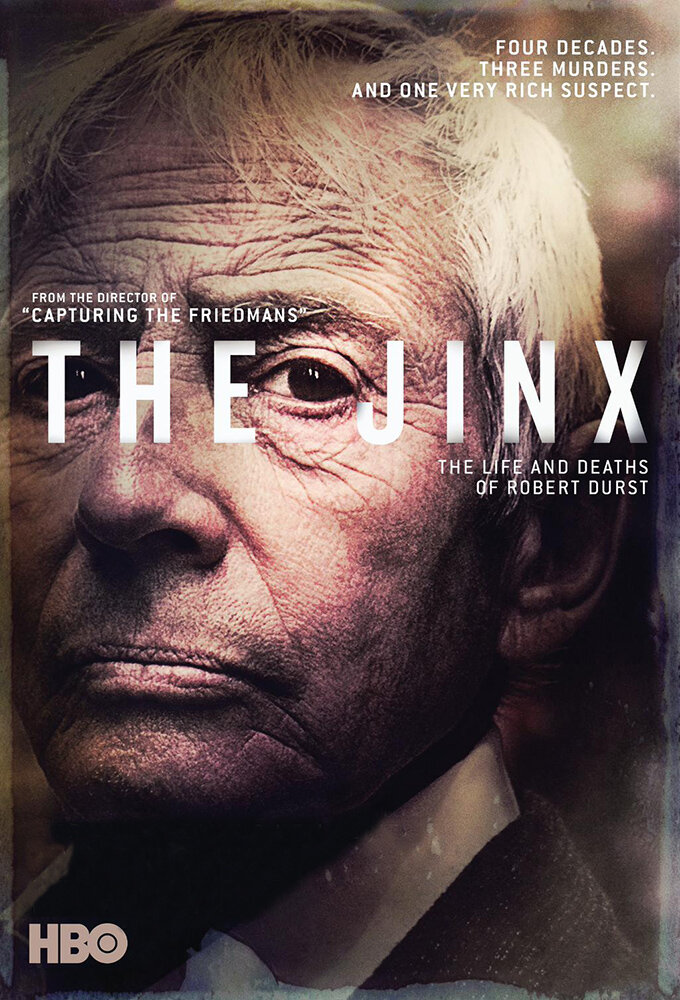
The Jinx: The Life and Deaths of Robert Durst2015
True crime with an actual reveal — a documentary that becomes evidence in its own right, ending on one of the genre's great gut-punches.
But More stylised and constructed than observational; it's shaping a narrative deliberately, not just recording one as it happens.
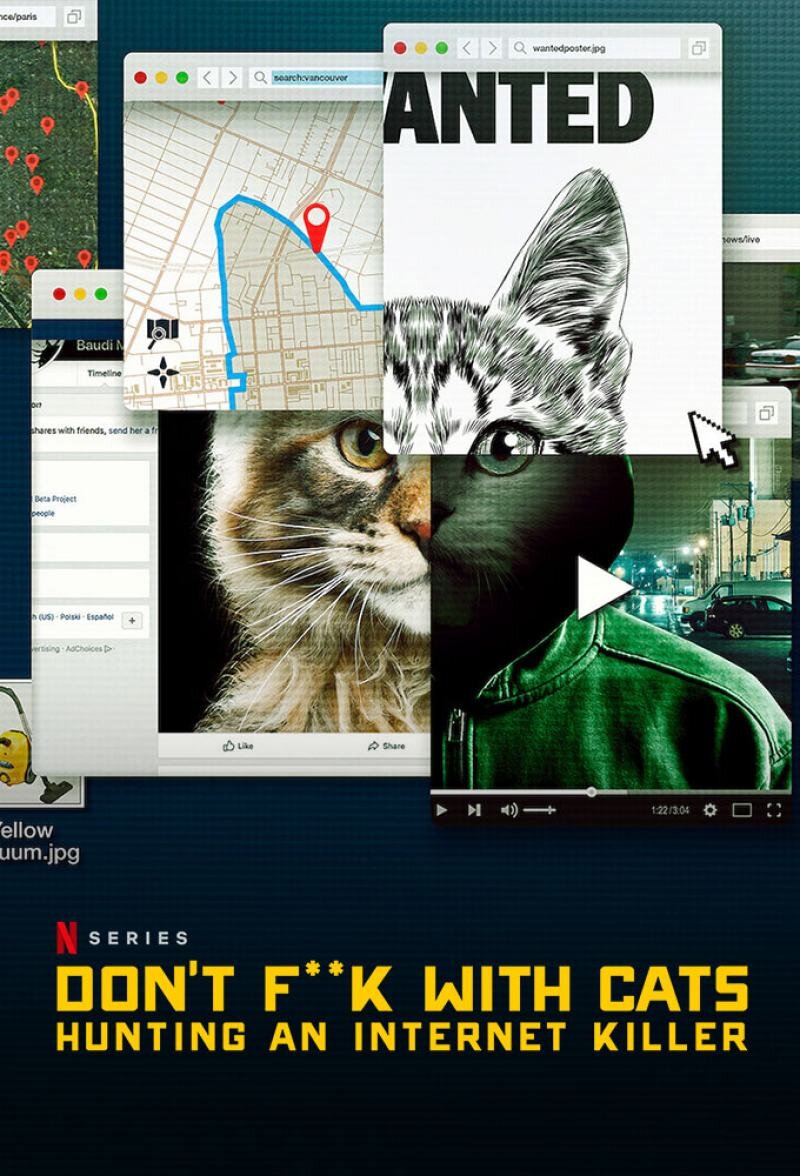
Don't F**k with Cats: Hunting an Internet Killer2019
Amateur internet sleuths do the detective work themselves, turning viewers into investigators and making the process of building a case oddly gripping.
But Deals with genuinely disturbing cruelty and violence — darker and more upsetting than any custody-suite paperwork.
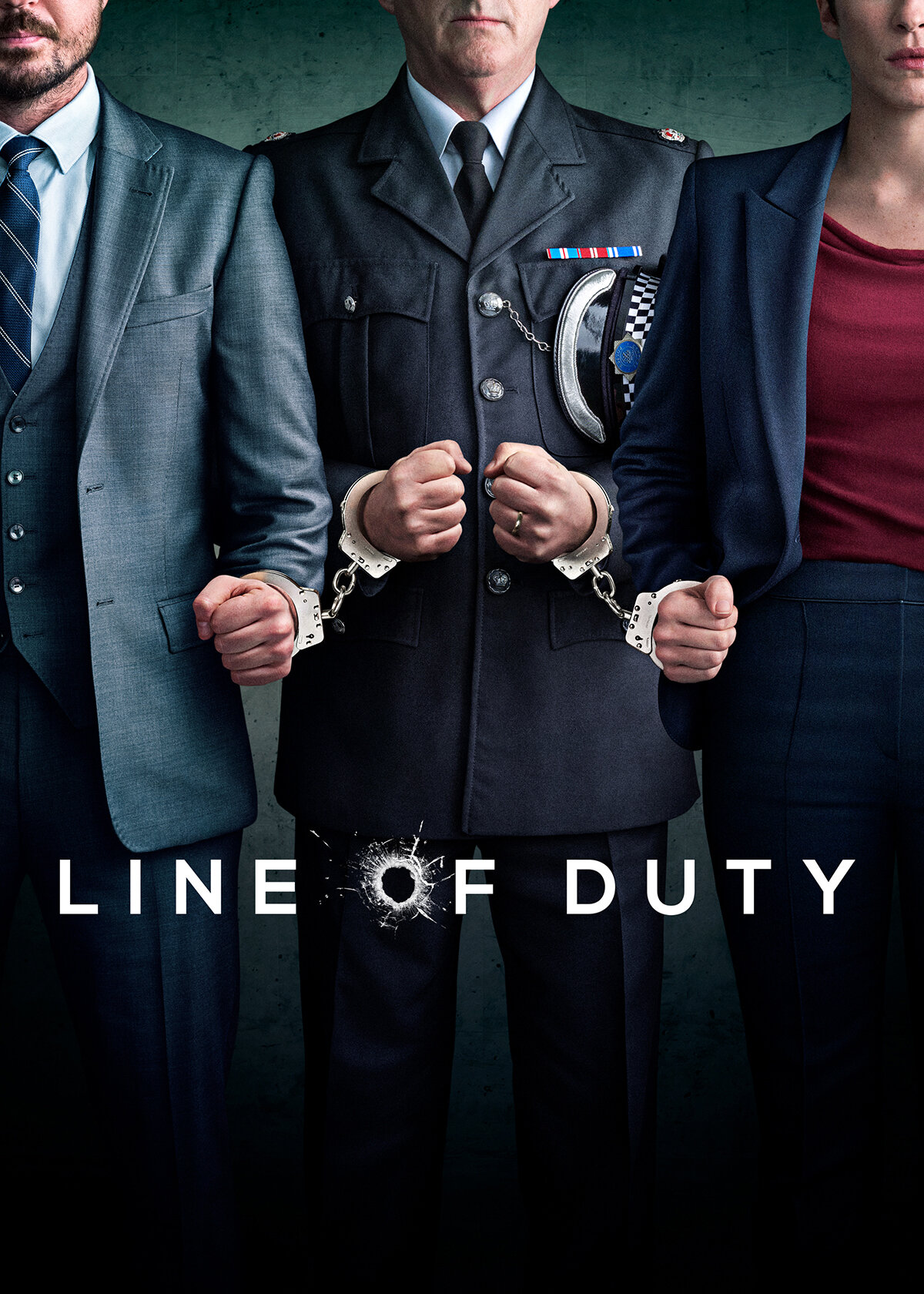
Line of Duty2012
Fictional, but built from the same procedural bones — interview rooms, internal politics, the grinding machinery of an investigation, just turned up to eleven.
But It's drama, not documentary — cleaner plotting and higher stakes than any real case ever actually delivers.
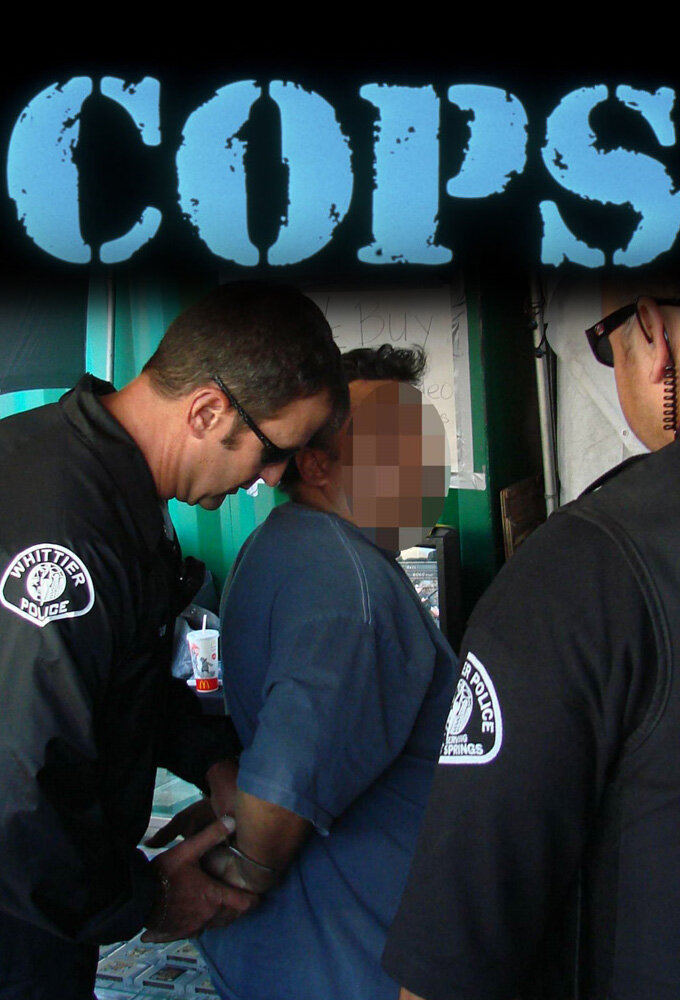
Cops1989
Same raw ingredient — real footage from inside a police force — stripped of the empathy and editorial care that makes the Channel 4 version thoughtful; seeing it done badly clarifies what the original gets right.
The trashy, adrenaline-pumped granddaddy of ride-along television — sirens, foot chases, cheerfully unreflective footage of American policing at its most theatrical.
But Zero nuance, zero context, and now widely and rightly criticised for how it framed race and poverty on screen.
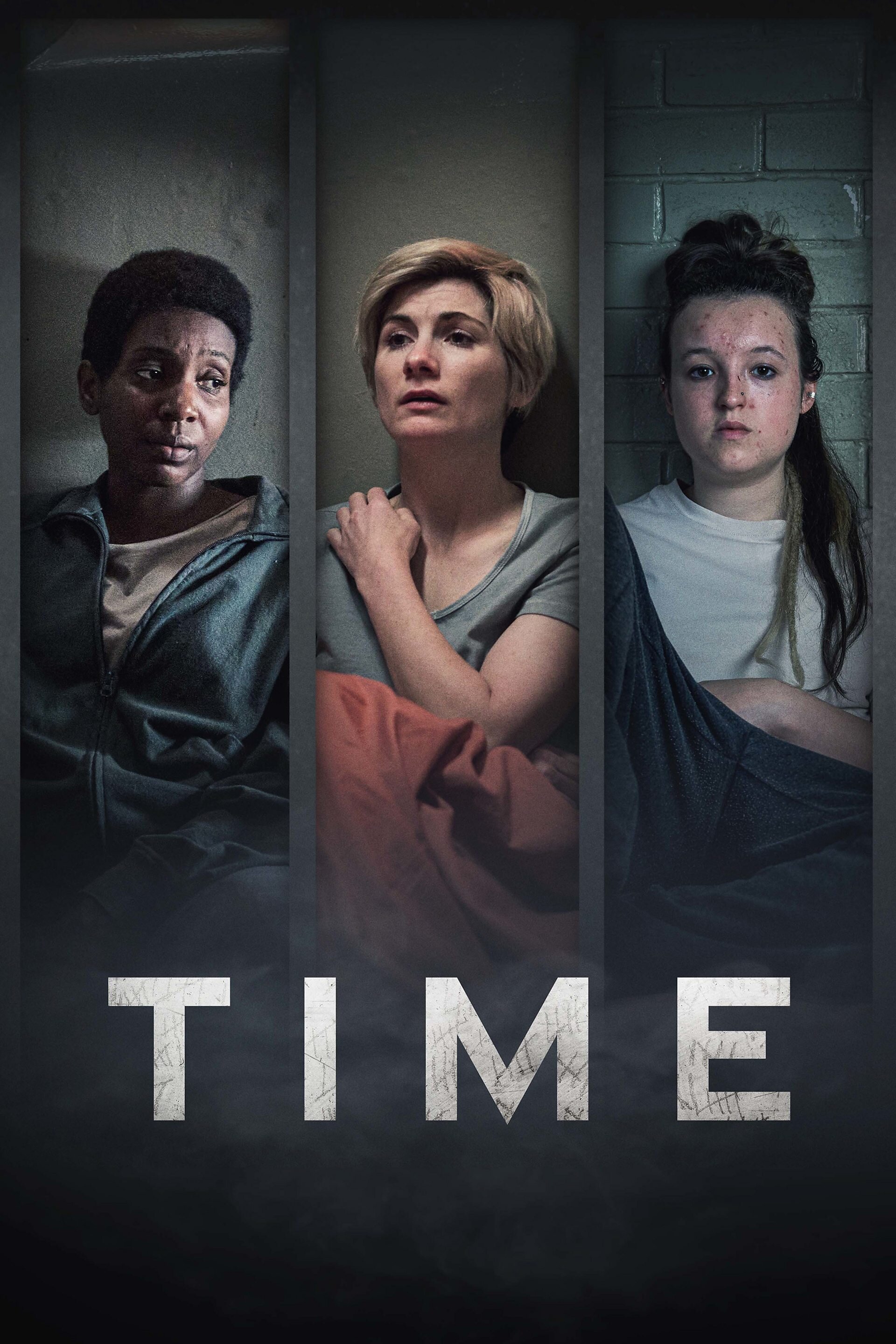
Time2021
Swaps documentary for drama but keeps asking the question the series circles constantly — what the system does to people caught inside it, guilty or not — from the other side of the custody desk.
Jimmy McGovern's three-part prison drama imagines the inside of the justice system as fiction, with Sean Bean and Stephen Graham carrying the same moral weight in performance.
But It's scripted and acted, not observed — the compression and dialogue are dramatic tools, not evidence of anything that happened.
People
Cast
 Royce PierresonNarrator
 Zawe AshtonNarrator