Television series
Geordie Coppers
A fly-on-the-wall Channel 4 doc trailing Newcastle's neighbourhood police through everyday disorder, domestic call-outs and the odd properly bizarre incident. It's got that C4 factual house style — dry captions, warm officers, banter doing a lot of the emotional lifting — and it's exactly as good-natured as its title promises. For fans of coppers-with-cameras telly and Geordie charm specifically.
Should you watch it?
Watch it if you like observational documentary that lets ordinary police work play out at street level, with the banter, bureaucracy and small human wins that come with it.
Skip it if you need a tightly plotted case to follow, since this is a loose look at a city's day-to-day and its rhythm can feel scattered.
What it asks of you: Five episodes of roughly an hour each, a brisk run, but it hops between cases and officers without much explaining, so let it build rather than chase one thread.
Not sure? Find tonight's pick in a minute.
If you liked this
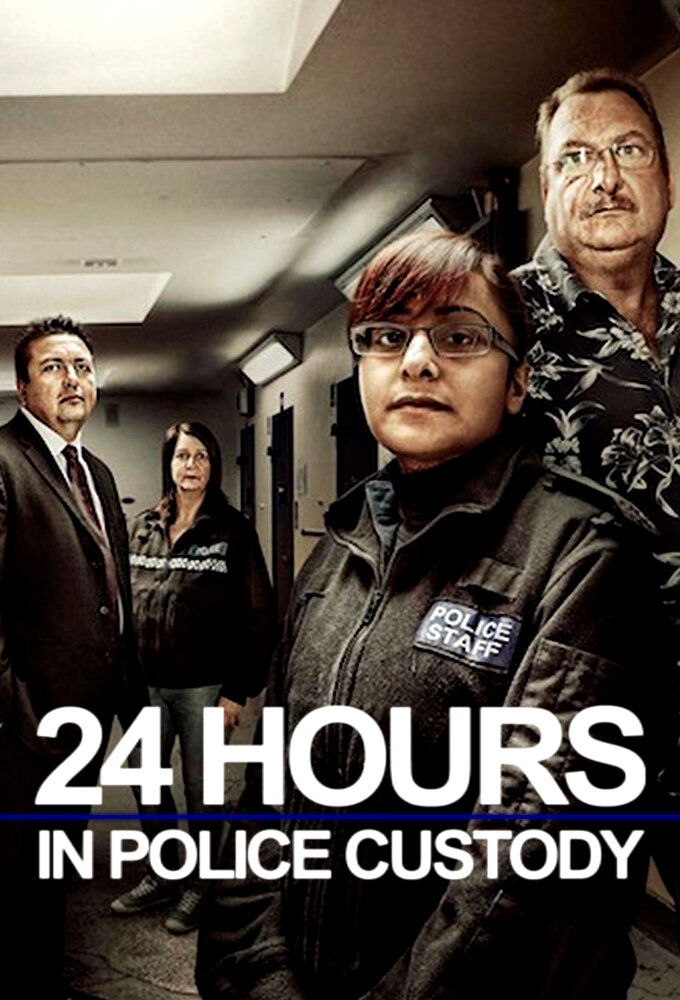
24 Hours in Police Custody2014
Same channel, same appetite for procedural detail — this one follows cases from arrest through interrogation to charge, with the patience to let ordinary paperwork become properly tense television.
But Case-based structure means less banter and more slow-burn legal grind; some episodes spend half their runtime on evidence review.
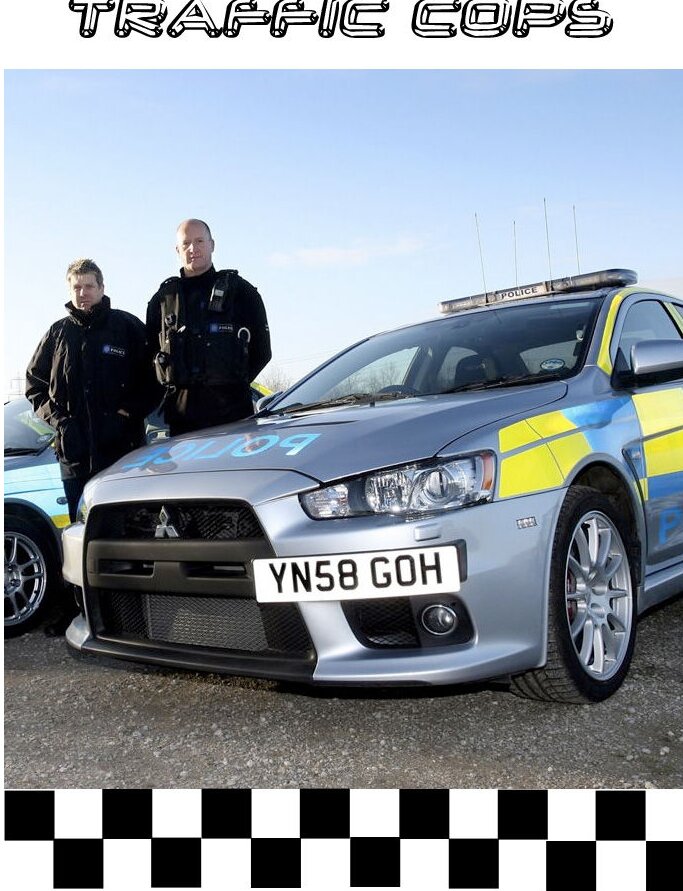
Traffic Cops2003
The genre's elder statesman — decades of dashcam chaos, drunk drivers and deadpan officers, proving that watching people explain themselves to police never really gets old.
But Formulaic after twenty-odd series; if you've seen one high-speed chase debrief you've essentially seen them all.
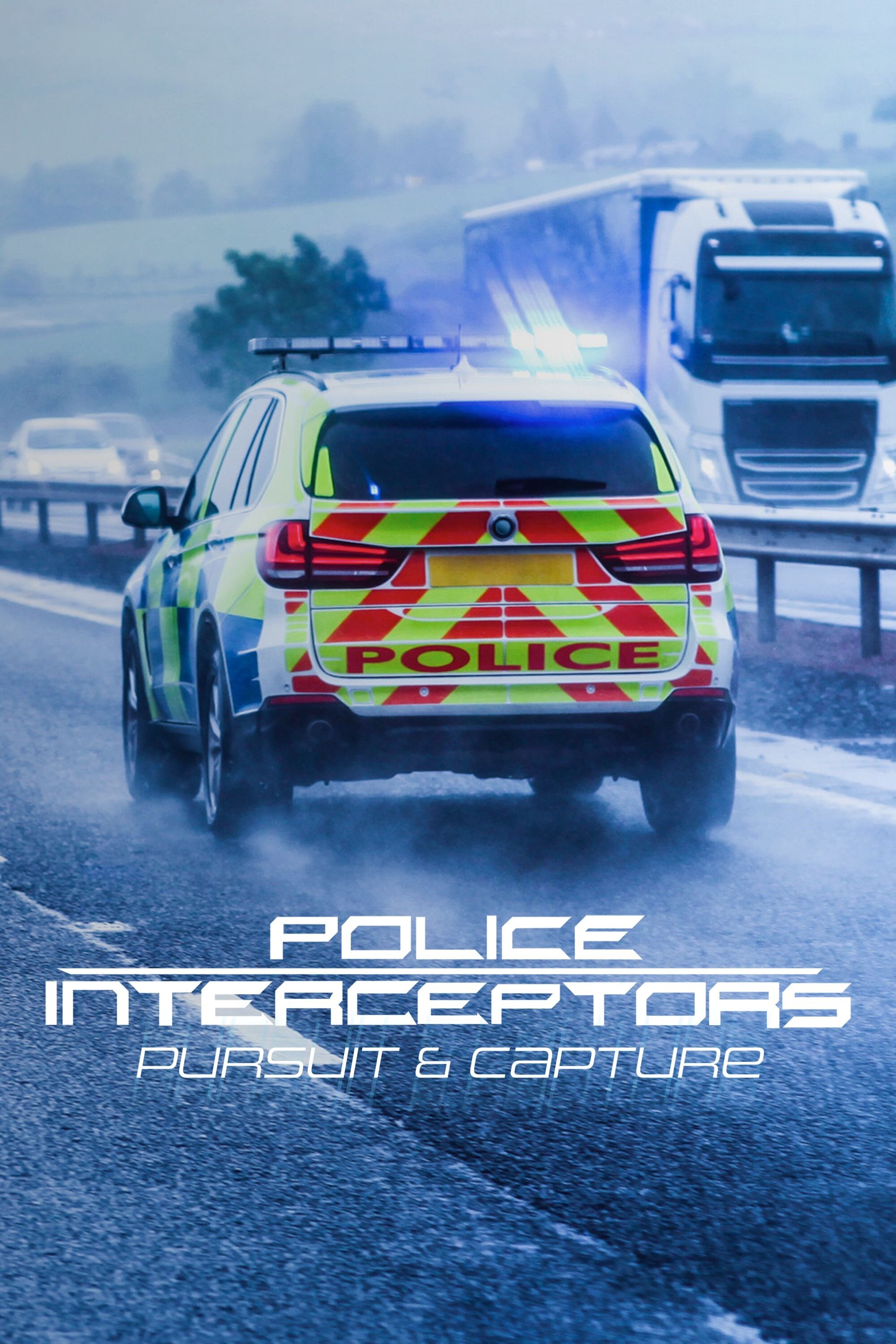
Police Interceptors2008
Pure kinetic pleasure — less community policing, more high-speed pursuit, for nights when you want engines revving and blue lights rather than doorstep diplomacy.
But Thin on the human material that makes Geordie Coppers charming; it's mostly cars, not conversation.
Not sure tonight? Get a pick in a minute, starting from Geordie Coppers
The wildcard
Something you would not have found on your own.
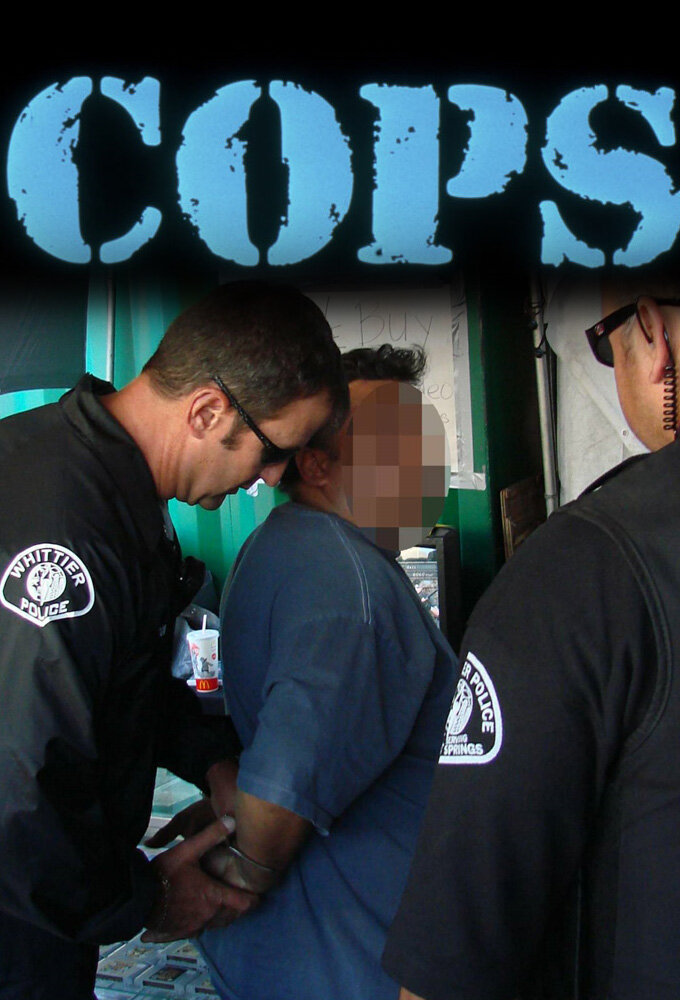
Cops1989
This American show invented the no-narration, camera-in-the-patrol-car format Geordie Coppers still runs on. Watching the original reveals how much warmth and community feeling the British version deliberately adds back in.
The real ancestor of every ride-along police show going — raw, unscripted, occasionally absurd, and startlingly influential on the genre you already like.
But Considerably more exploitative and less thoughtful about the people it films; some of it now plays as outright uncomfortable.
More like this (4)
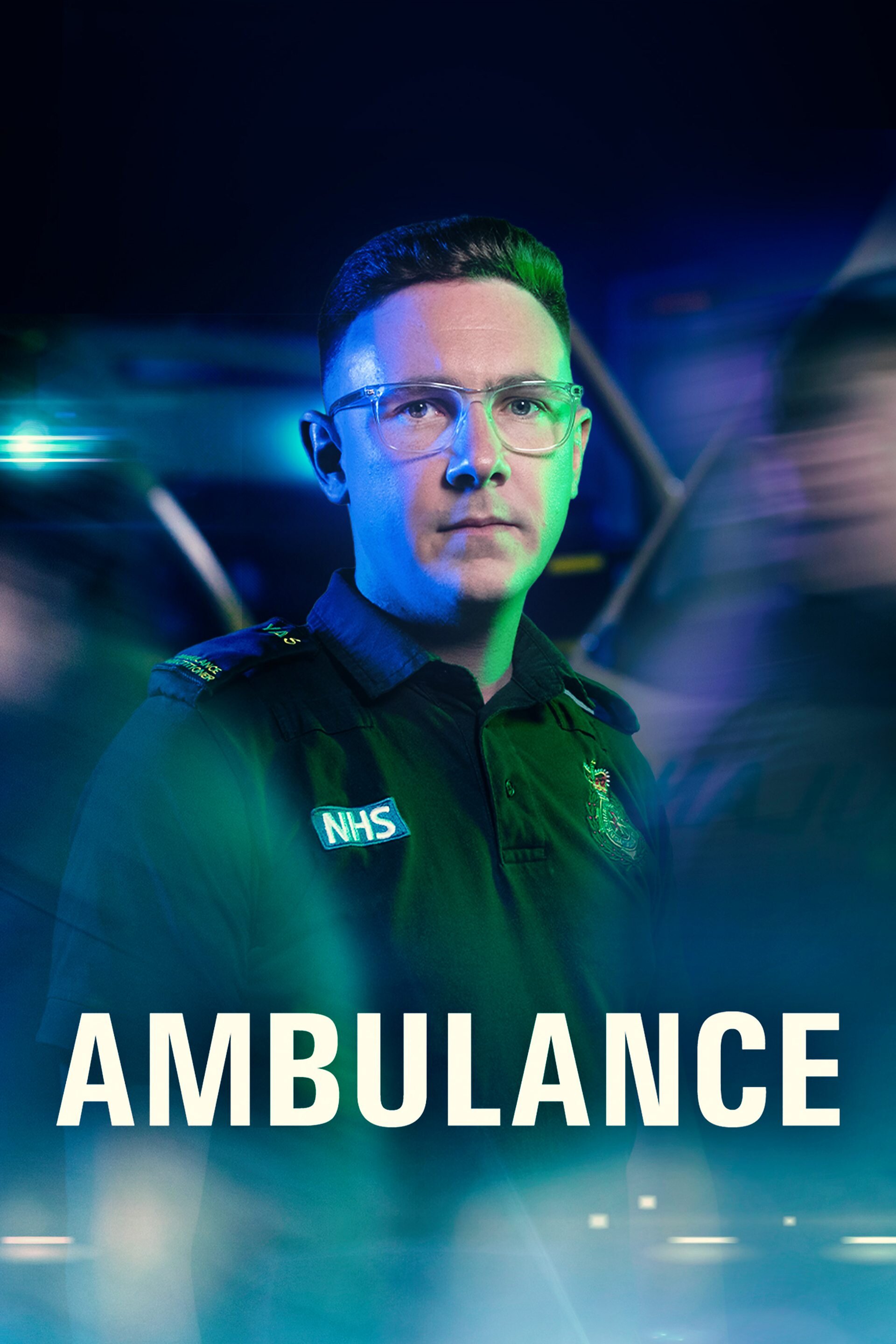
Ambulance2016
Swap blue lights for blue lights of a different service — same appetite for regional character and crisis under pressure, following paramedics through a British city's worst nights.
But Medical content is heavier and more visibly harrowing; less banter, more genuine suffering on screen.
999: What's Your Emergency?2012
Puts you behind the control-room desk instead of in the patrol car — the calls come first, the officers second, giving a different, often funnier vantage on the same chaos.
But Less time outdoors and on the street; more listening, less watching things actually happen.

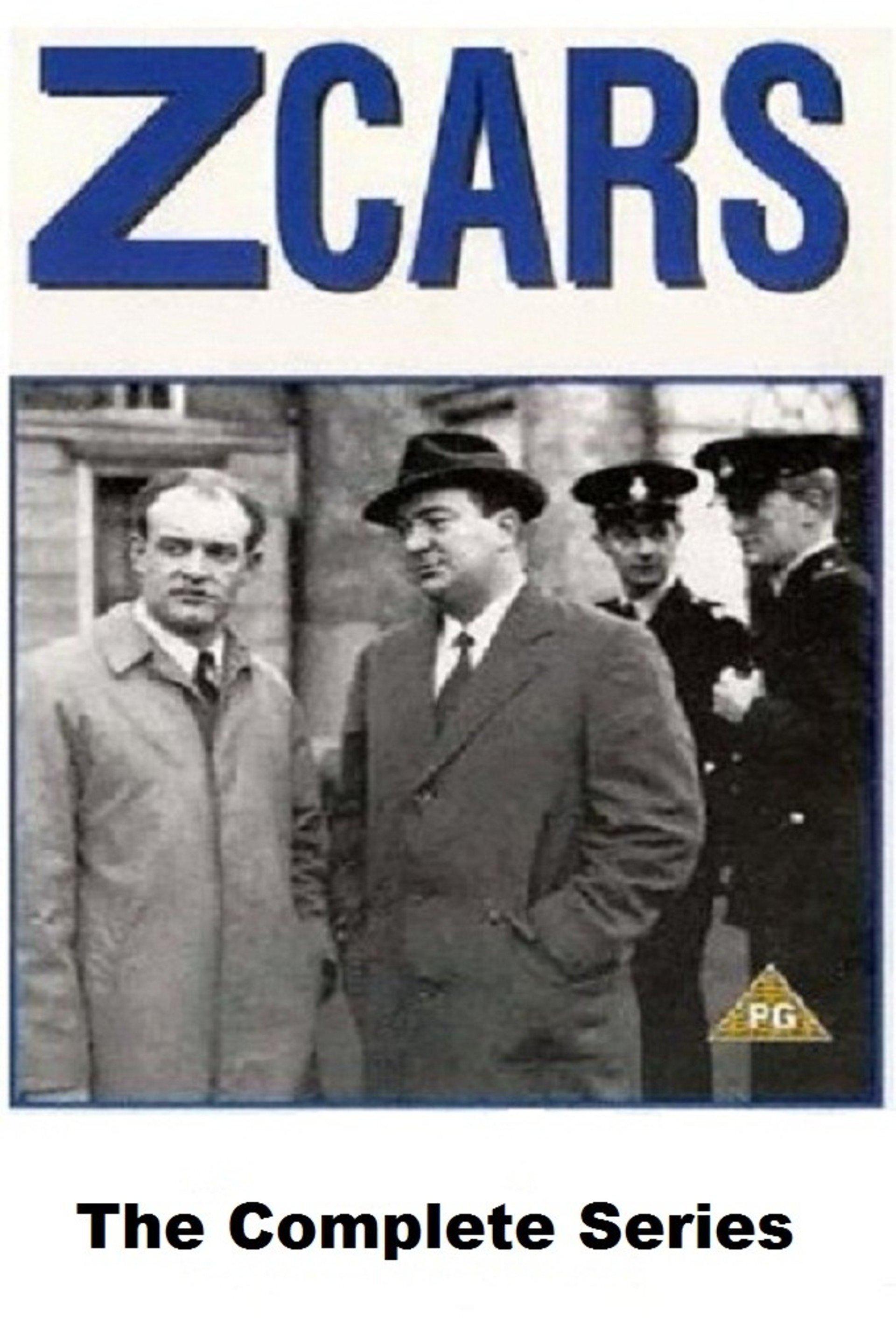
Z Cars1962
Before any camera followed a real officer, this fictional drama set the template — ordinary coppers, a fictional Northern town, mundane crime given real weight. Every British coppers-on-patrol show has been quietly copying it for sixty years.
Startlingly modern in its refusal to glamorise policing — a black-and-white BBC drama that basically invented the beat-cop procedural decades before anyone filmed the real thing.
But Slow, theatrical pacing and dated studio production; this is 1960s scripted drama, not fast-cut reality TV.
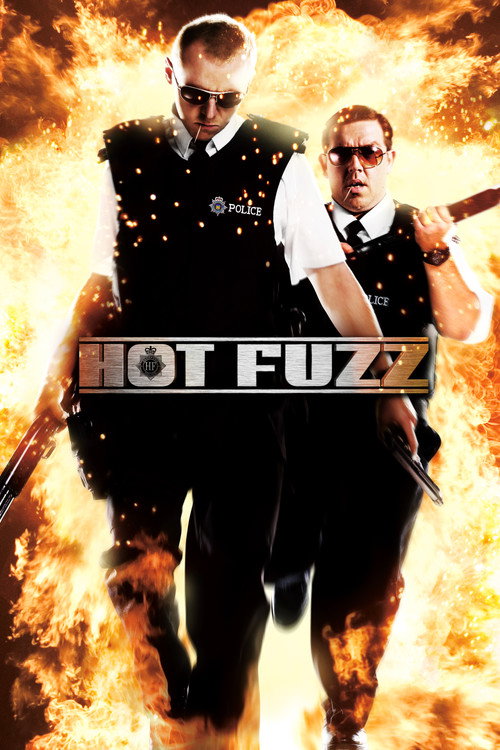
Hot Fuzz2007
A pitch-black comedy that takes every trope this genre plays straight — small-town disorder, doorstep diplomacy, the odd unglamorous scuffle — and detonates it into farce, so you see exactly what the real thing is quietly choosing not to do.
Everything Geordie Coppers takes seriously — small-town crime, community grumbling, a bit of local chaos — gets turned into gloriously over-the-top action comedy here.
But Broad, silly and gleefully violent in a way the documentary never is; if you wanted realism, this is its opposite.