
Film
The Force
Peter Nicks spent two years with unprecedented access inside the Oakland Police Department, filming its attempt at court-mandated reform just as body-camera footage and a sex-trafficking scandal blow the whole project apart. No narration, no talking-head experts — just meetings, ride-alongs and press conferences, letting the institution incriminate and defend itself in real time. Bracing, patient, and quietly devastating.
If you liked this
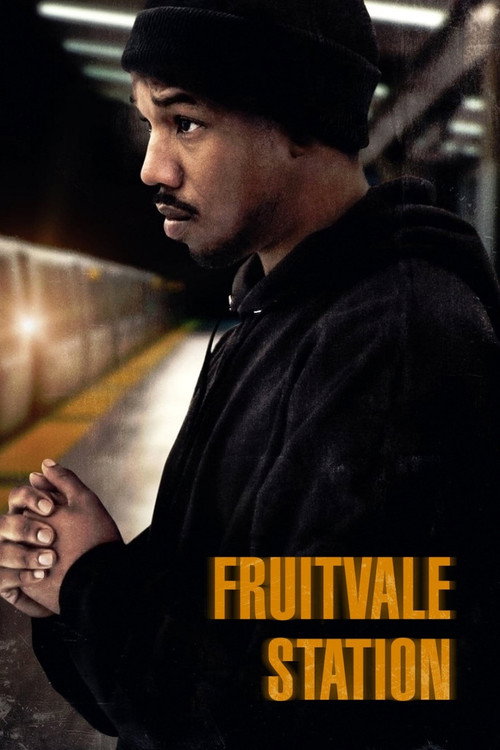
Fruitvale Station2013
Ryan Coogler's dramatization of Oscar Grant's killing by BART police happened in the same city, the same year the reforms in The Force were supposed to be working. Devastating context.
But It's a fictionalized account of a real death, and the final twenty minutes are genuinely hard to sit through.
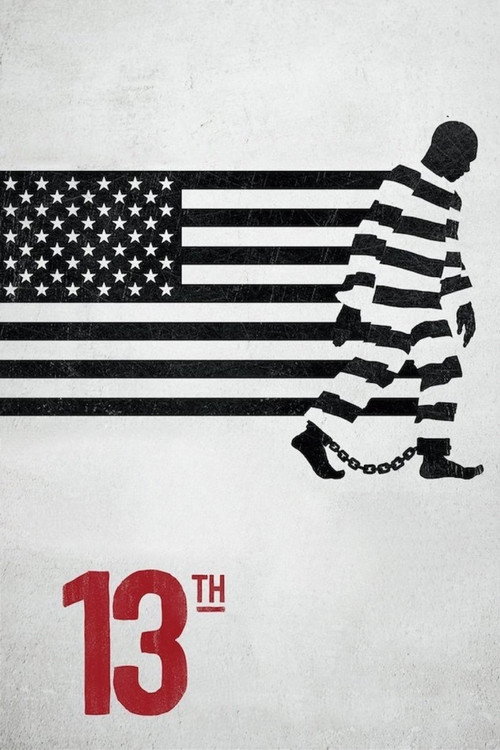
13th2016
Ava DuVernay zooms out from any one department to the entire architecture of mass incarceration in America, tracing a line from slavery to the prison-industrial complex with real intellectual force.
But It's essay-style and argument-driven rather than observational — a different register from vérité, more lecture than immersion.
Whose Streets?2017no page yet
Made by activists on the ground in Ferguson, this is the uprising The Force references from the inside — furious, handheld, and unmediated by any official perspective at all.
But It's openly partisan by design, offering none of the institutional access or ambiguity that makes The Force so uncomfortable.
The wildcard
Something you would not have found on your own.
Law and Order1969no page yet
This is the blueprint. Wiseman invented the vérité-institution documentary that The Force belongs to, and watching the original is like seeing the same argument made in a completely different decade with completely different technology.
Frederick Wiseman filmed the Kansas City Police Department with no narration and no commentary nearly fifty years before The Force — the same fly-on-the-wall method, applied when this kind of filmmaking was new.
But Black-and-white, 16mm, and deliberately dry — it asks you to sit with ambiguity rather than narrative momentum.
More like this (8)
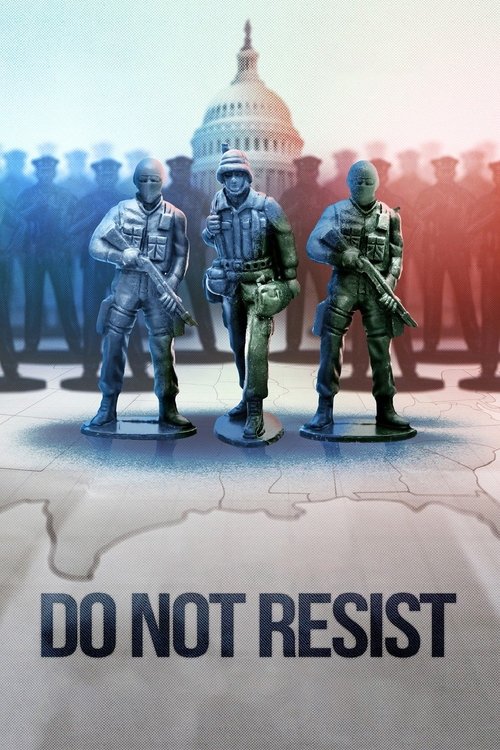
Do Not Resist2017
Craig Atkinson's vérité documentary on police militarization has the same observational patience and access, following SWAT training and community meetings with an unblinking, non-judgmental camera.
But It's bleaker and more diffuse, jumping between departments rather than staying with one institution long enough to feel its texture.
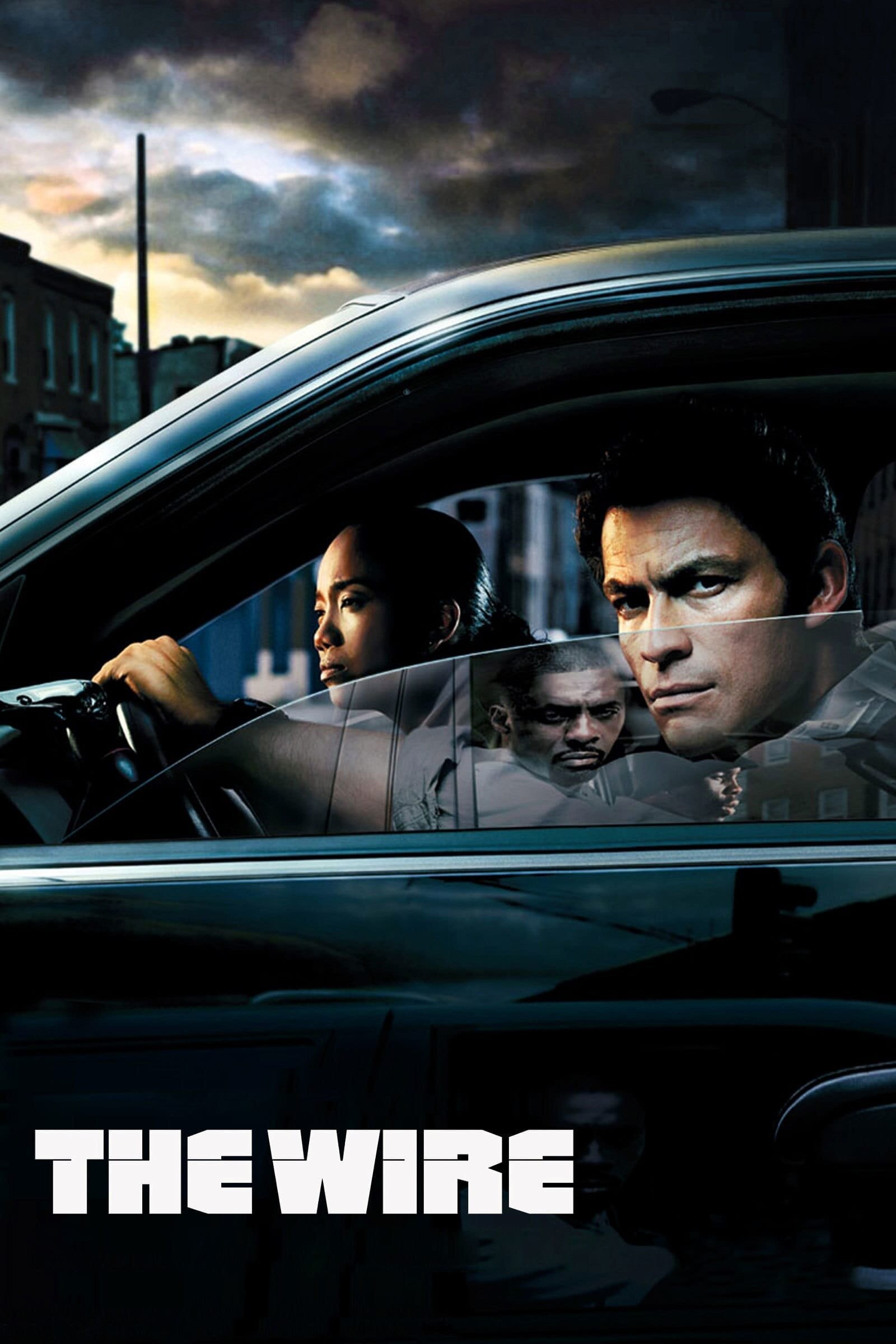
The Wire2002
If you want the same institutional rot dramatized at epic length, David Simon's Baltimore is the fictional cousin of Oakland — bureaucracy, statistics-chasing, and good intentions curdling into failure.
But Five seasons is a real commitment, and the slow-burn first season demands patience before it pays off.
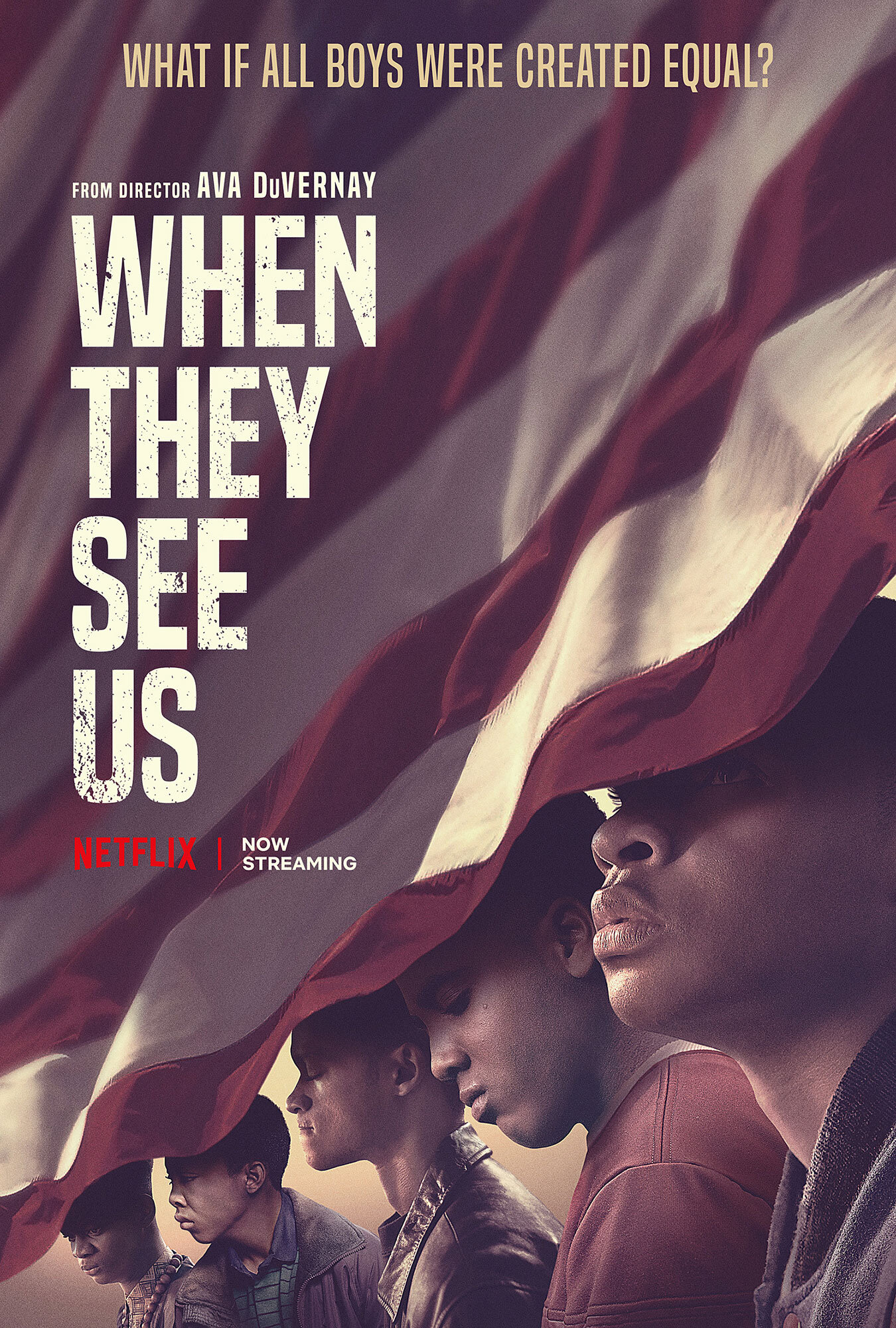
When They See Us2019
DuVernay's miniseries on the Central Park Five dramatizes what happens when a justice system decides guilt before evidence — infuriating, precise, and superbly acted.
But It's emotionally punishing by design; there's no vérité distance here, just sustained, deliberate outrage.
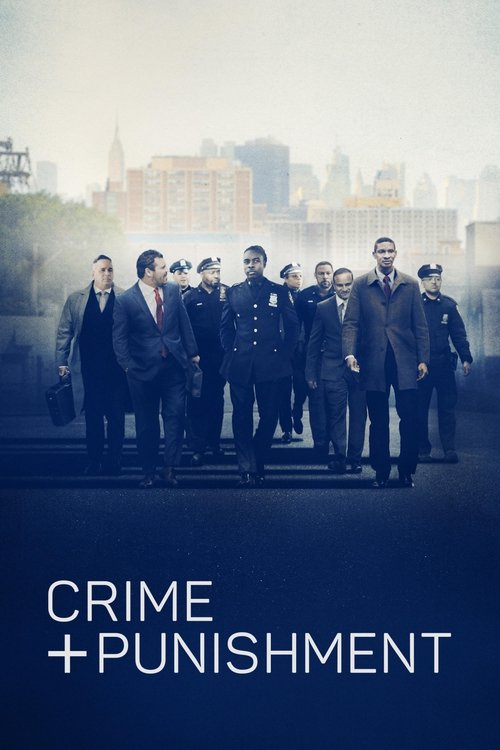
Crime + Punishment2018
NYPD officers of color secretly record their supervisors enforcing illegal arrest quotas — a whistleblower documentary with the same fly-on-the-wall tension and institutional betrayal.
But The legal-thriller plotting occasionally overtakes the observational quality that made The Force so distinctive.
LA 922017no page yet
Built entirely from archival footage of the Rodney King verdict and the uprising that followed, this plays like history refusing to stay in the past — no narration, just raw footage assembled with dread.
But The all-archival approach means no new interviews or present-day reflection, just the past replaying itself.
The Central Park Five2012
Ken Burns' documentary on a coerced false confession is calmer and more classical than The Force, but it shares the same interest in how institutions protect themselves before they protect the truth.
But It's more traditional talking-heads documentary than the immersive, camera-in-the-room style of Nicks' film.
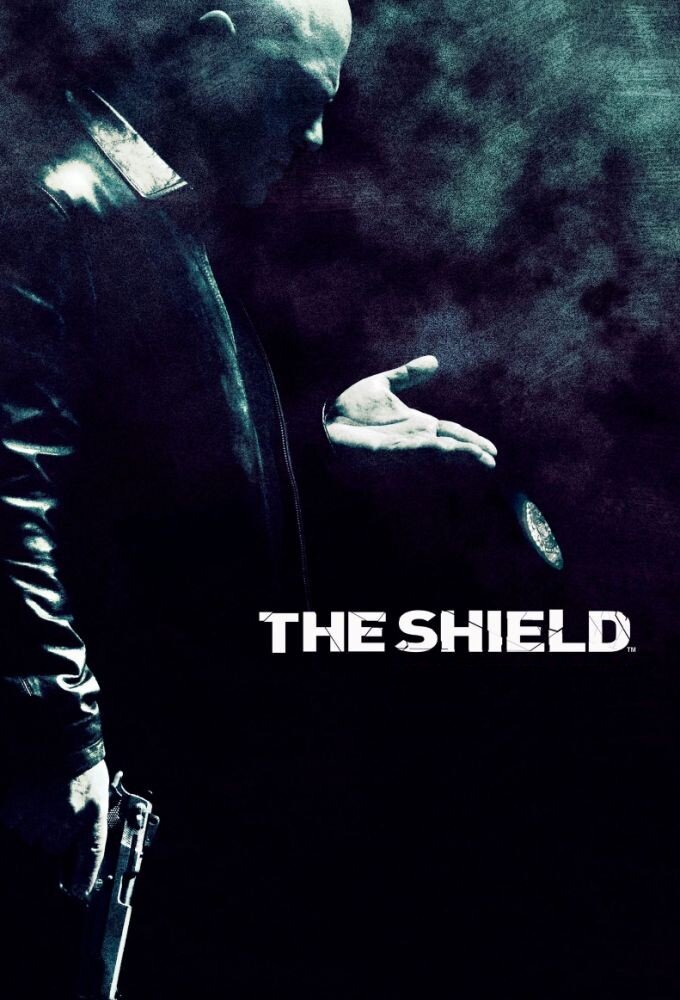
The Shield2002
Same subject, opposite method: fiction lets The Shield dramatize the psychology and self-deception that vérité can only film from the outside. Watching both shows you what each form can and can't show you about how officers see themselves.
A scripted LAPD drama that gets inside police culture — corruption, camaraderie, self-justification — with a moral murkiness that rivals any documentary, anchored by Michael Chiklis in the performance of his career.
But It's pulpy and plot-driven where The Force is patient and observational — pure entertainment machinery, not journalism.
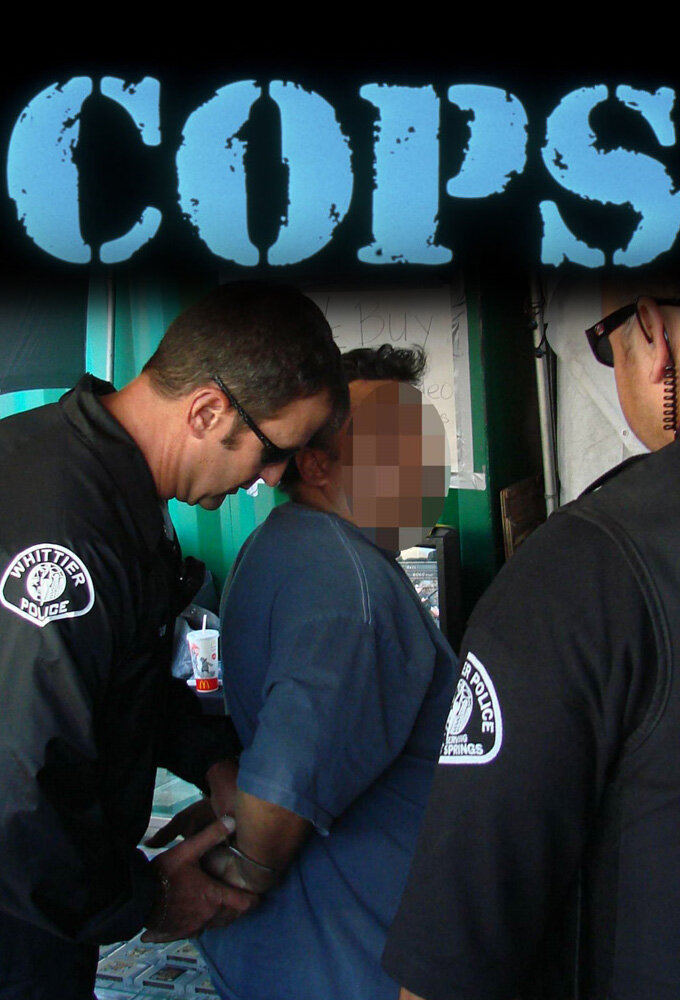
Cops1989
Same raw material — officers, cameras, the street — but weaponized as entertainment instead of scrutiny. Watching Cops after The Force is a jolt: it shows how identical footage can be made to mean the opposite thing depending on who's editing it and why.
The long-running reality show that put raw police ride-along footage on television decades before body cameras existed — a genuine cultural artifact, and stranger to revisit now than it was at the time.
But It's uncritical, often exploitative, and was pulled off the air in 2020 for exactly the reasons The Force interrogates so seriously.
People
Cast
- Juan-Carlos ZapataBridesgroom
Directing
- Peter NicksDirector