
Film
LA 92
A documentary built entirely from archival footage — no narrators, no talking-head interviews, no hindsight commentary. Directors Dan Lindsay and T.J. Martin cut news broadcasts, home video and police radio into a single relentless five-day sequence, letting the footage argue its own case. It's less an explanation of the LA riots than an immersion in them: disorienting, exhausting, and viscerally present in a way most history docs avoid.
If you liked this
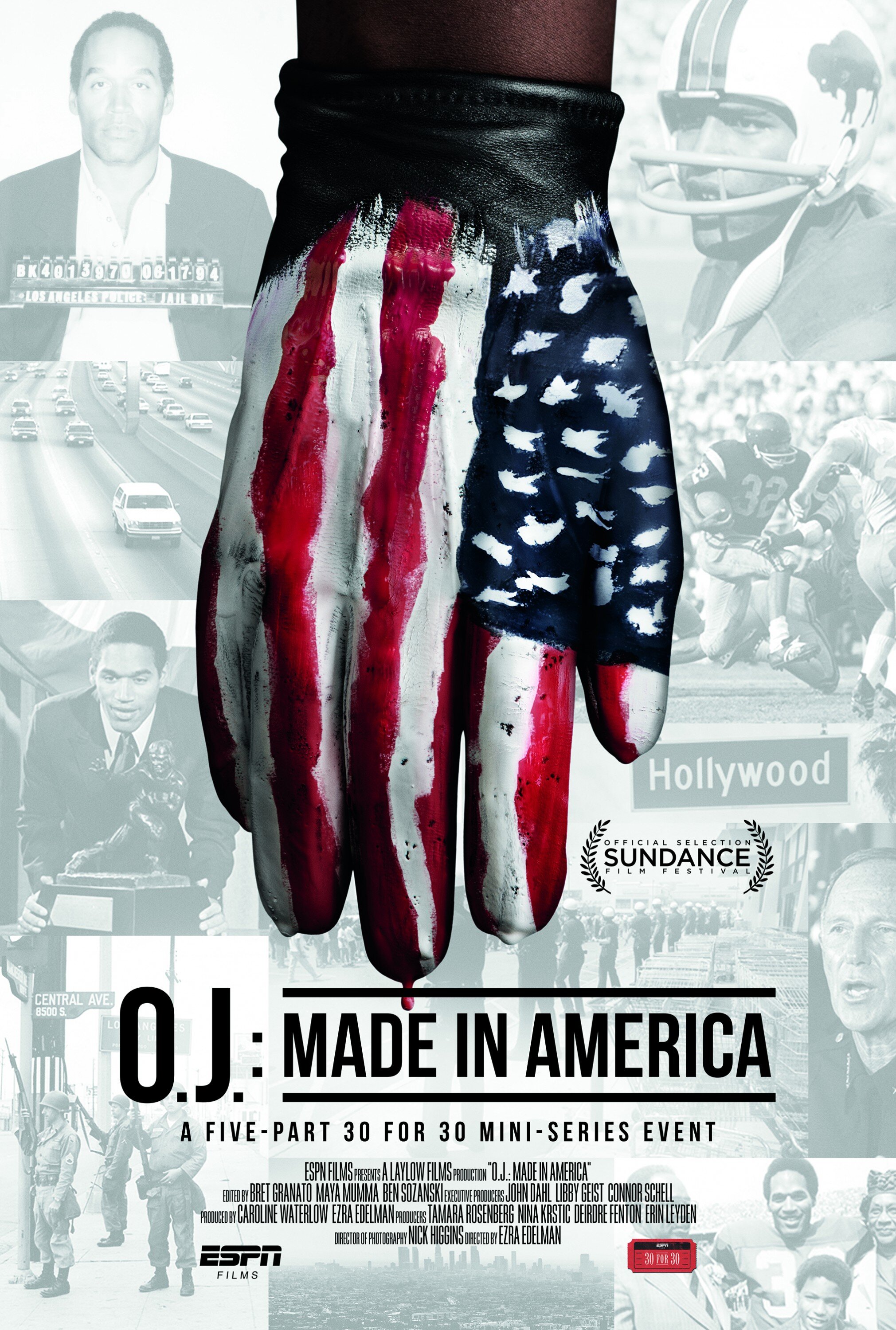
O.J.: Made in America2016
The definitive companion piece — this ESPN epic traces the same LA fault lines of race, police brutality and media spectacle, with the Rodney King beating as one of its central hinges.
But It's nearly eight hours long and covers so much ground that LA 92's specific event becomes one chapter among many.
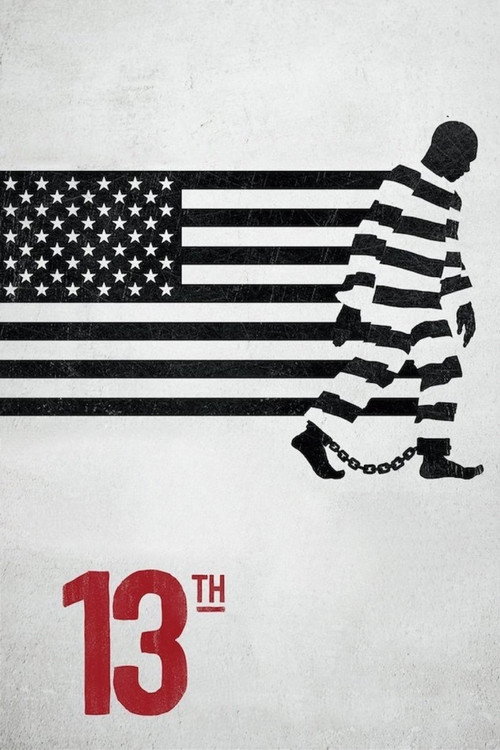
13th2016
Ava DuVernay's essay-documentary connects the dots between slavery, Jim Crow and mass incarceration, giving the systemic backdrop that LA 92 assumes you already understand.
But It's argument-driven and talking-head heavy — the opposite approach to LA 92's immersive, narration-free style.
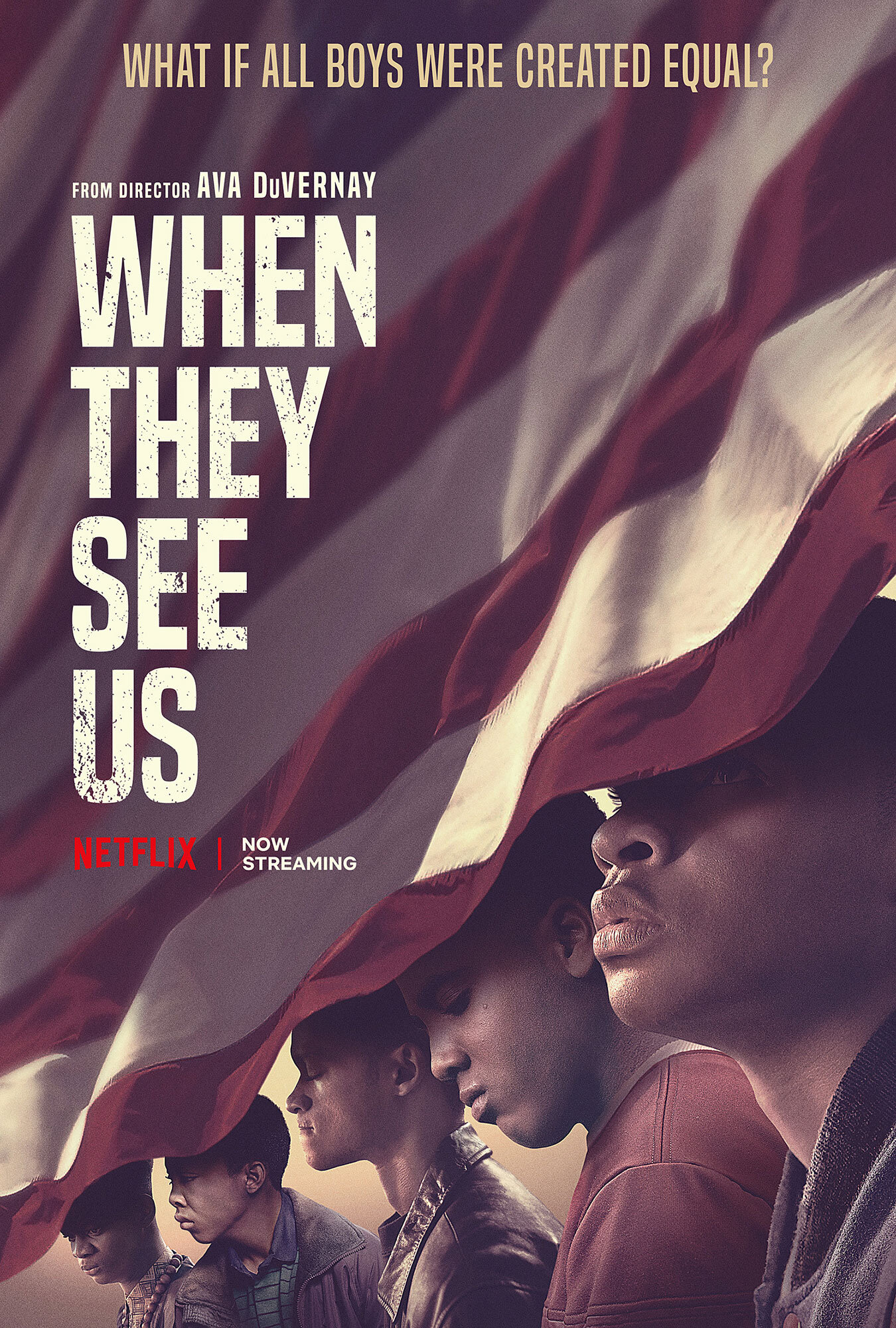
When They See Us2019
A dramatized miniseries about the Central Park Five, made with the same fury at a justice system that failed young Black men — devastating, precise, impossible to watch passively.
But It's a heavy four-part sit, and the outrage is sustained rather than cathartic — there's no relief valve.
The wildcard
Something you would not have found on your own.
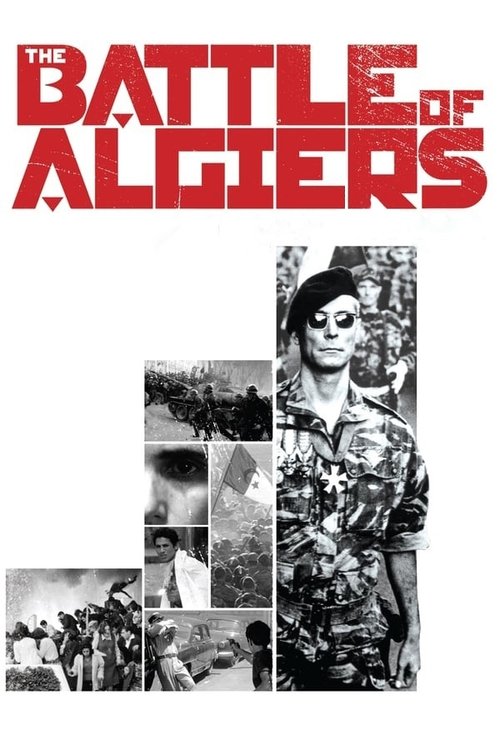
The Battle of Algiers1966
It pioneered the exact visual grammar LA 92 uses for real — immersive, verité, deliberately withholding narration so the violence of an uprising against authority speaks for itself.
Shot in 1966 to look like smuggled newsreel, this Italian-Algerian film invented the aesthetic LA 92 borrows decades later — handheld urgency, no authorial voice, the sense of being caught inside history rather than told about it.
But It's a dramatized fiction pretending to be documentary, which some viewers find manipulative once they know the trick.
More like this (8)
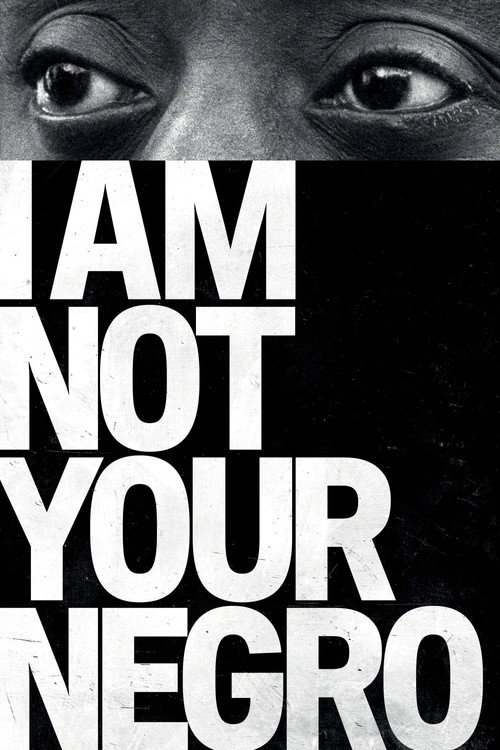
I Am Not Your Negro2017
Another archival collage — James Baldwin's unfinished manuscript narrated over decades of footage, proving history doesn't have to be explained to be understood, just assembled with intelligence.
But It's more meditative and literary than kinetic — closer to a visual poem than a chronological account.
Whose Streets?2017no page yet
Ferguson, told from inside the uprising by the people who lived it, using phone footage and social media the way LA 92 uses news tape — urgent, unmediated, made by activists rather than institutions.
But Its rawness can feel less controlled than LA 92's editing — deliberately so, but it may frustrate viewers wanting more structure.
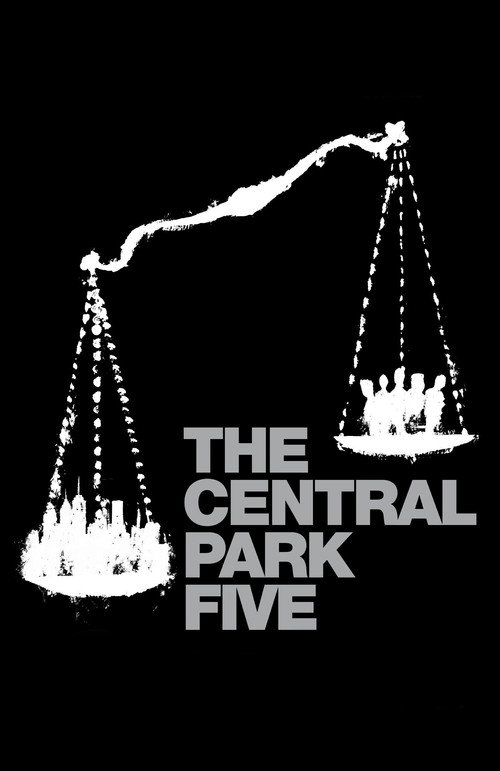
The Central Park Five2012
Ken Burns' team examines a wrongful conviction that fed the same racial paranoia LA 92 documents, with interviews that fill in the human cost missing from pure archival footage.
But Its calm, procedural tone is a world away from LA 92's chaos — informative rather than immersive.
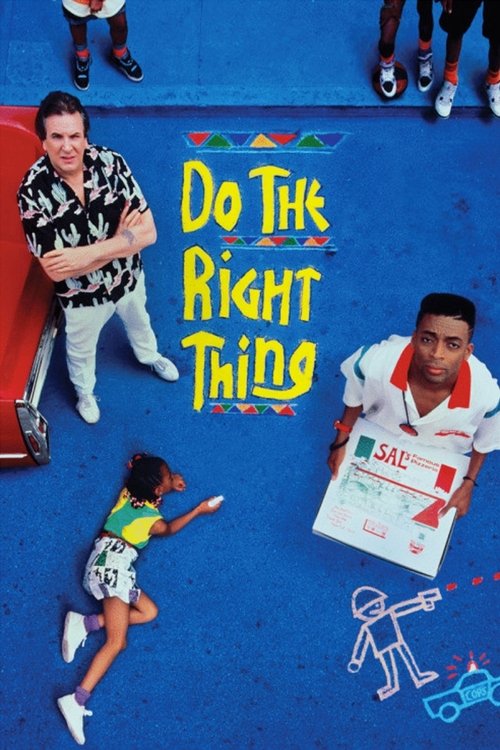
Do the Right Thing1989
Spike Lee's fictional Brooklyn heatwave ends in the exact kind of eruption LA 92 shows for real — a masterclass in how tension actually boils over, three years before it happened again in Los Angeles.
But It's a drama, not a document — some will want facts, not allegory, after watching real footage.
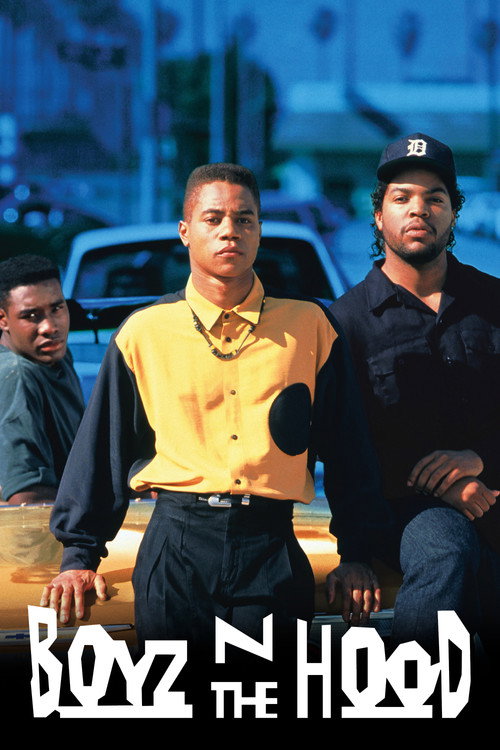
Boyz n the Hood1991
Shot in South Central the year before the riots, this is the neighborhood LA 92 later burns, seen from the inside with warmth and specificity a news camera never captures.
But It predates the riots entirely, so anyone wanting direct engagement with the event itself will be disappointed.
Freedom Riders2010no page yet
A PBS documentary on the 1961 bus rides that challenged segregation — older archival footage, same throughline of ordinary courage meeting state violence, useful historical ballast.
But It's more traditionally narrated and educational — a gentler, classroom-adjacent experience next to LA 92's assault of a viewing.
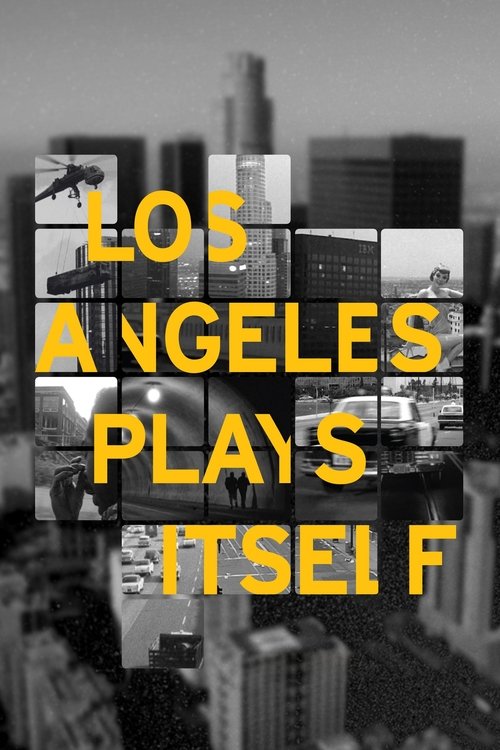
Los Angeles Plays Itself2004
Same city, same archival-collage method, but turned toward the movies themselves — it explains the geography and class divides that made 1992's eruption feel, to outsiders, like it came from nowhere.
A three-hour video essay built entirely from film clips, dissecting how Hollywood has used — and erased — the actual city and its neighborhoods, including South Central.
But It's dense, wordy, and obsessed with film history rather than social history — an acquired taste even for cinephiles.
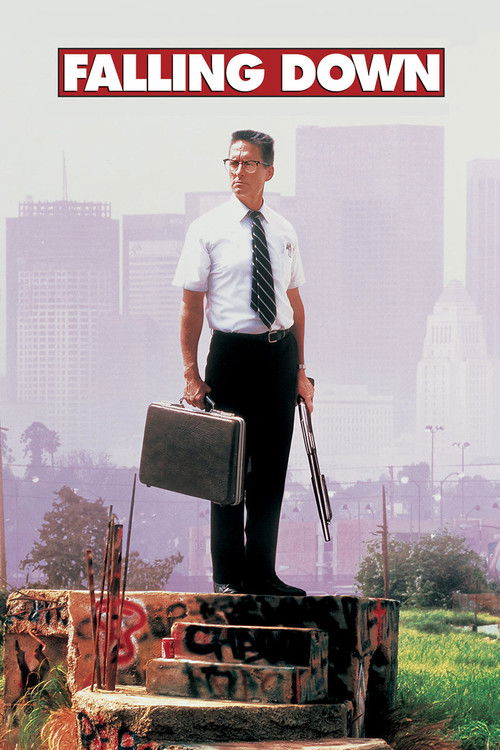
Falling Down1993
Same city, same year, same air of a place at breaking point — but flips the lens entirely, following the kind of aggrieved perspective LA 92 mostly hears shouting from a distance.
A fictional thriller shot in LA the year after the riots, following a laid-off white engineer's violent unraveling through a city that feels like it's already come apart at the seams.
But Its politics are murkier and more uncomfortable than LA 92's — it's been read both as satire of white rage and an endorsement of it.
People
Cast
 Rodney KingSelf (archive footage)
 George H. W. BushSelf (archive footage)
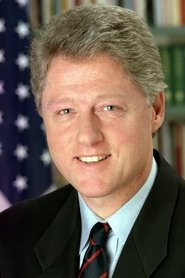 Bill ClintonSelf (archive footage)
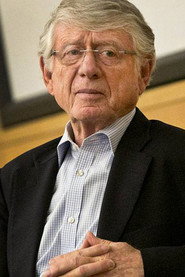 Ted KoppelSelf (archive footage)
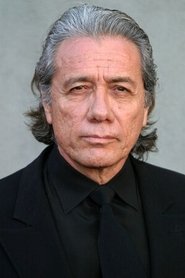 Edward James OlmosSelf (archive footage)
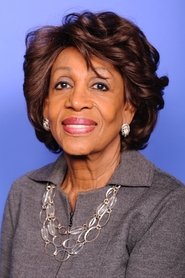 Maxine WatersSelf (archive footage)
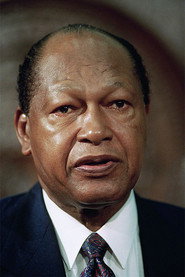 Tom BradleySelf (archive footage)
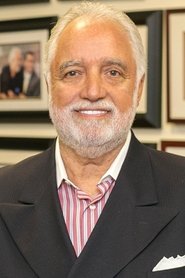 Danny Bakewell Sr.Self (archive footage)
- Soon Ja DuSelf (archive footage)
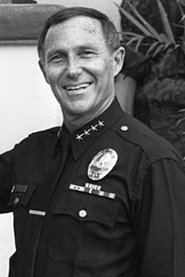 Daryl GatesSelf (archive footage)
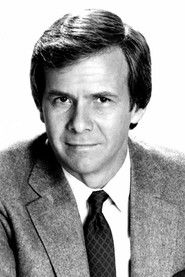 Tom BrokawSelf (archive footage)
- John Drummond BarnettSelf (archival footage)
Directing
- Daniel LindsayDirector
- T.J. MartinDirector
Production
- Ben PinerCo-Producer
- Matt RennerExecutive Producer
- Tim PastoreExecutive Producer
- Vanessa TovellHead of Production
- Jonathan ChinnProducer
- Sarah GibsonProducer
- Simon ChinnProducer
Recommended by
13th, O.J.: Made in America, Crime + Punishment, Do Not Resist, The Force