
Film
Los Angeles Plays Itself
A three-hour cine-essay in which critic-filmmaker Thom Andersen reassembles decades of Hollywood footage to interrogate how movies have lied about, flattened, and occasionally captured the city they were shot in. Dry, exacting, clip-drunk narration walks you through freeways, bungalows and noir myths. For cinephiles and Angelenos who've ever yelled 'that's not where that is' at a screen.
If you liked this
Chinatown1974
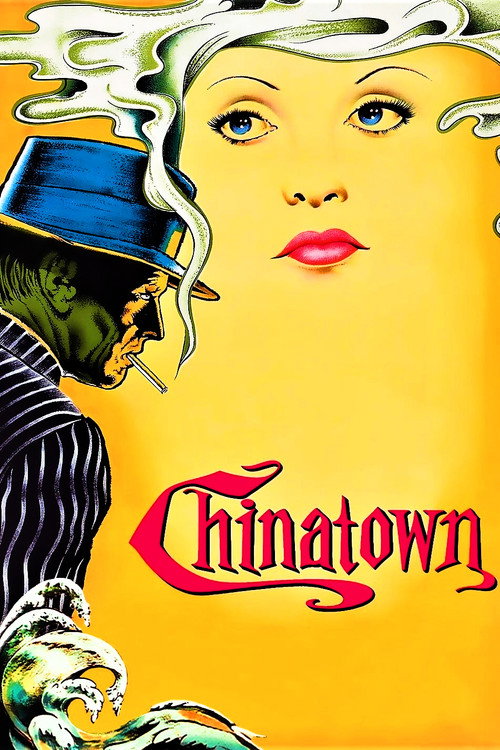
Andersen spends a whole chapter dismantling this film's water-conspiracy mythology, so watching it afterward feels like getting director's commentary from a very annoyed historian. Still a great noir regardless.
But You probably already know it by heart, and its LA is precisely the myth this documentary wants you to unlearn.
L.A. Confidential1997
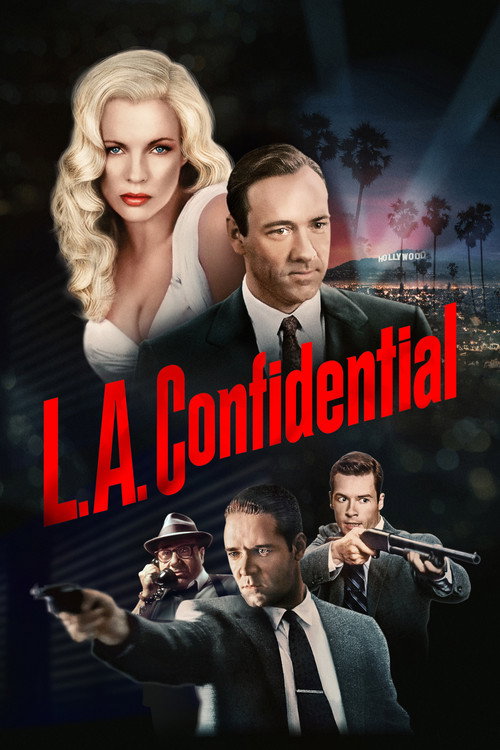
Another slick, gorgeous myth-making machine set in 1950s Los Angeles, full of the gleaming noir surfaces Andersen spends three hours picking apart. Great cast, tight plot, easy watch.
But It's polished studio nostalgia, exactly the kind of postcard LA the documentary quietly rolls its eyes at.
Boogie Nights1997
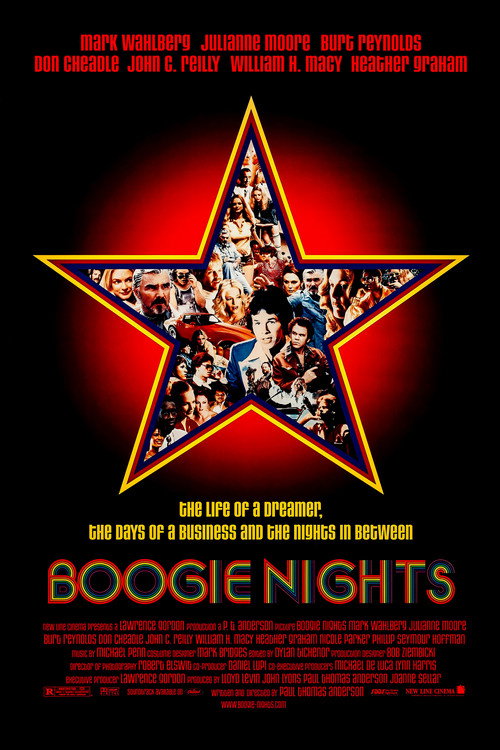
Paul Thomas Anderson shoots the San Fernando Valley like it's a real place people actually live in, not just a backdrop — the specificity Andersen champions throughout.
But Its porn-industry setting and freewheeling structure are a big tonal swing from a measured academic essay film.
The wildcard
Something you would not have found on your own.
Killer of Sheep1978
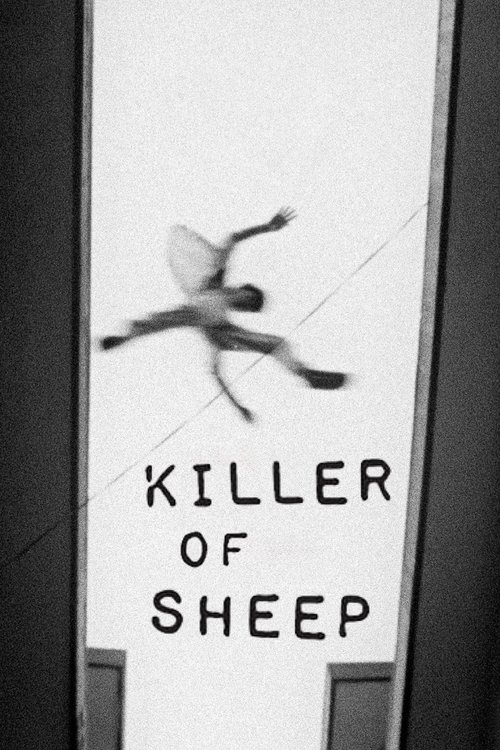
Andersen actually singles this film out inside Los Angeles Plays Itself as the antidote to Hollywood's fake city — it's the movie the whole essay has been building toward.
Charles Burnett's poetic, near-plotless portrait of a Watts slaughterhouse worker is the real Los Angeles Andersen is fighting for — dusty yards, kids on rooftops, no car chases in sight.
But Extremely slow, near-documentary pacing with no conventional plot will test anyone expecting narrative momentum.
More like this (8)
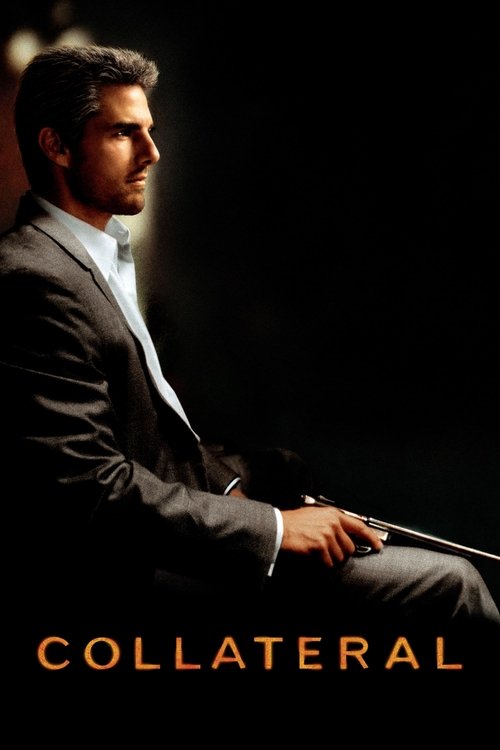
Collateral2004
Michael Mann's digital-video LA at night is one of the rare mainstream films that treats the city's geography and light as the whole point, not wallpaper.
But It's a tense hitman thriller bolted onto the urban portraiture, so the pacing is very different from a documentary.
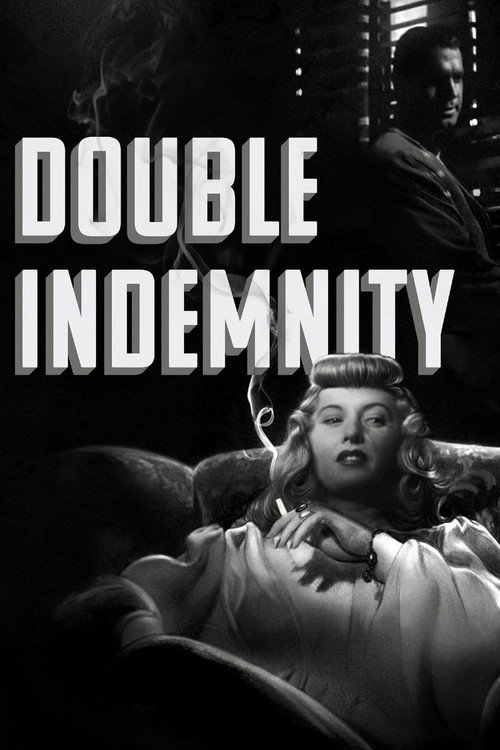
Double Indemnity1944
The 1944 noir that basically invented the fatalistic LA of shadowy stucco bungalows and doomed insurance men that Andersen keeps circling back to.
But Black-and-white 1940s pacing and diction take some adjusting to if you're used to modern thrillers.
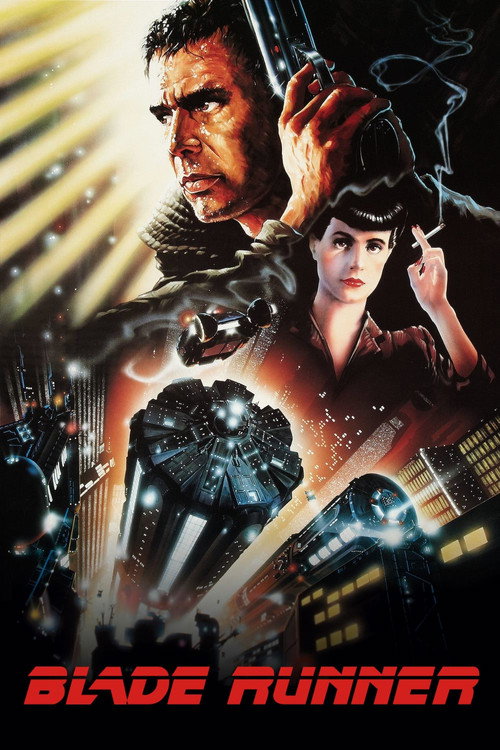
Blade Runner1982
The most influential vision of LA's future ever put on screen, and a direct contrast to the crumbling, real present-day city Andersen is so protective of.
But It's science fiction fantasy through and through, barely trying to resemble any city that actually exists.
The Big Lebowski1998
The Coens' shaggy, sun-bleached, bowling-alley LA feels scruffy and lived-in in a way that's closer to Andersen's real city than most noir manages.
But It's a stoner comedy first, urban document second — don't expect any of the film's rigor.

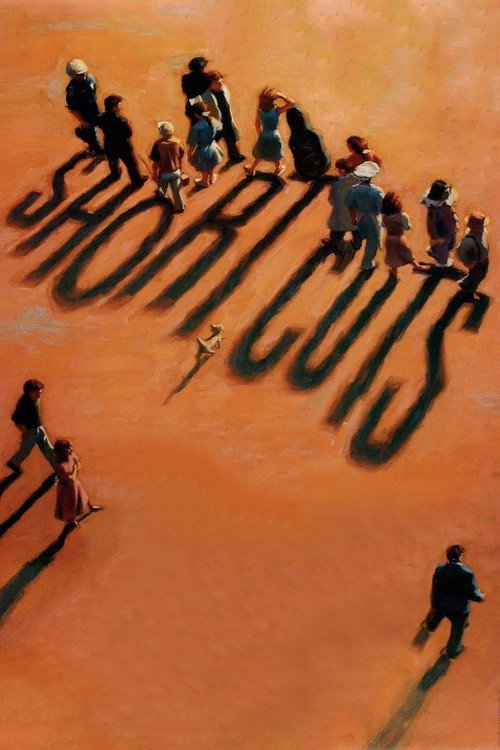
Short Cuts1993
Altman weaves nine ordinary LA lives together across sprawling suburbs and canyons, capturing the unglamorous, dispersed geography Andersen argues movies usually ignore.
But Three hours of overlapping vignettes with no single plot demands patience some viewers won't have.
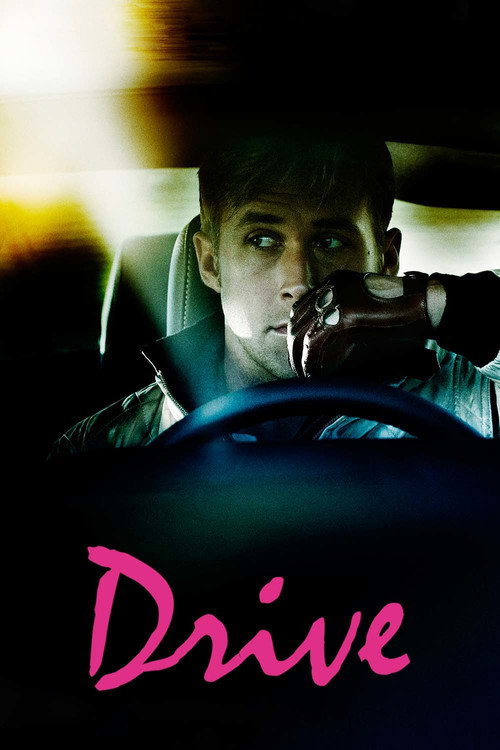
Drive2011
A moody, neon-soaked chase through LA's underpasses and strip malls that turns the city into pure mood and texture, exactly the way Andersen says films rarely bother to.
But Its stylised violence and near-silent lead are a world away from documentary analysis — pure genre pleasure.
My Winnipeg2008no page yet
Same target — a filmmaker interrogating his own city's mythology on screen — but Maddin embraces the lies for comic effect where Andersen spends three hours correcting them.
Guy Maddin turns his hometown into a sleepwalking, half-invented fever dream, mixing real archival footage with outright lies about his own city's history.
But It's deliberately unreliable and surreal, the opposite of Andersen's careful, fact-checking approach — pure myth with no correction.
Berlin: Symphony of a Great City1927no page yet
It's the great-grandparent of the city-as-subject documentary, the film that started the idea of treating a metropolis as its own leading character.
A silent 'city symphony' that treats Berlin's trains, factories and crowds as the star of the film, decades before Andersen made the same move with Los Angeles.
But No dialogue, no plot, just rhythmic montage of urban life — a real change of pace from narrative or essayistic cinema.
People
Cast
- Encke KingNarrator (voice)