
Film
Double Indemnity
Billy Wilder's blueprint for American film noir: an insurance salesman, a bored housewife, and a murder plot narrated in flashback by a man who already knows how it ends. Shot in hard shadow, scripted with Raymond Chandler's flint, it's less whodunit than how-doomed — cool, cynical, and merciless about desire. Essential, not exactly comfortable.
If you liked this
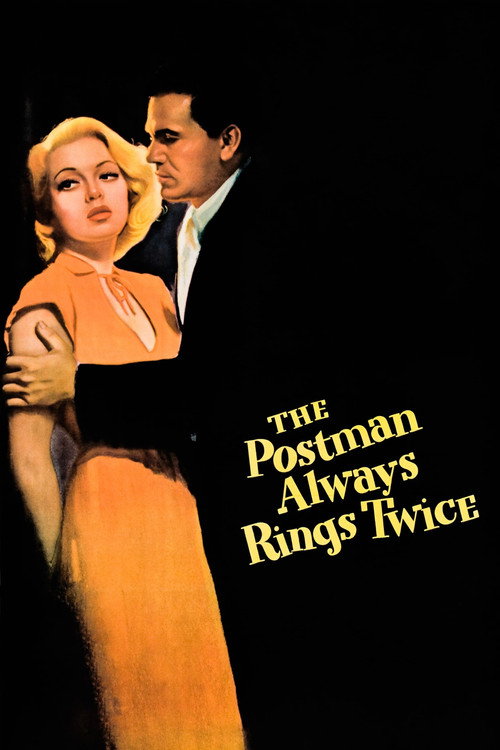
The Postman Always Rings Twice1946
Another James M. Cain story of a drifter and a married woman plotting murder for money and lust — the direct sibling to Double Indemnity, made two years later with the same lurid nerve.
But Less visually stylish than Wilder's film, and the censorship-era restraint blunts some of the heat the novel promises.
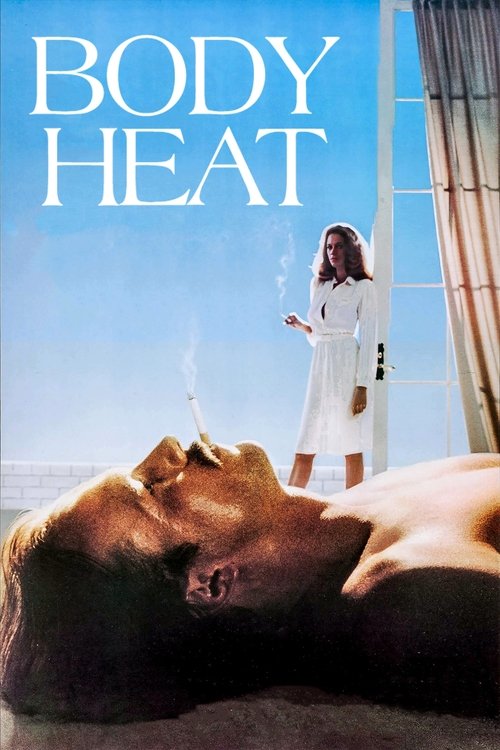
Body Heat1981
A steamy neo-noir with the same insurance-adjacent murder scheme and fatal woman, shot in Florida heat with everything the Hays Code wouldn't allow Wilder to show.
But It wears its influences loudly; the plot beats will feel very familiar right after watching Double Indemnity.
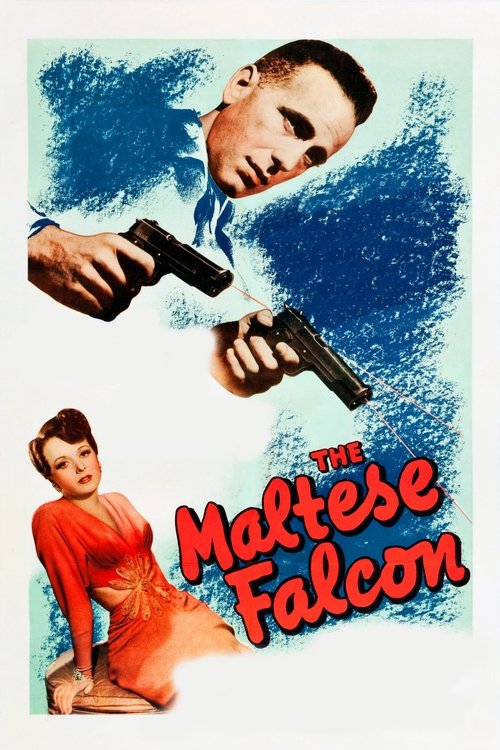
The Maltese Falcon1941
Bogart's star-making turn kicked proper noir into gear a few years before Wilder — same shadows, same cynicism, same sense that everyone in the room is lying to everyone else.
But It's a detective puzzle rather than a doomed-couple tragedy, so the romantic heat of Double Indemnity is largely absent.
The wildcard
Something you would not have found on your own.
La Bête Humaine1938no page yet
Same fatal-attraction-to-murder machinery years earlier, revealing the story's roots in European literary fatalism before Hollywood sharpened it into noir.
Jean Renoir's adaptation of Zola, made six years before Wilder's film, already has a doomed railway worker drawn toward murder by a woman he can't resist — the noir engine before America claimed it.
But Subtitled, slower, and rooted in French naturalism rather than hardboiled wisecracking — a different, less snappy kind of doom.
More like this (8)
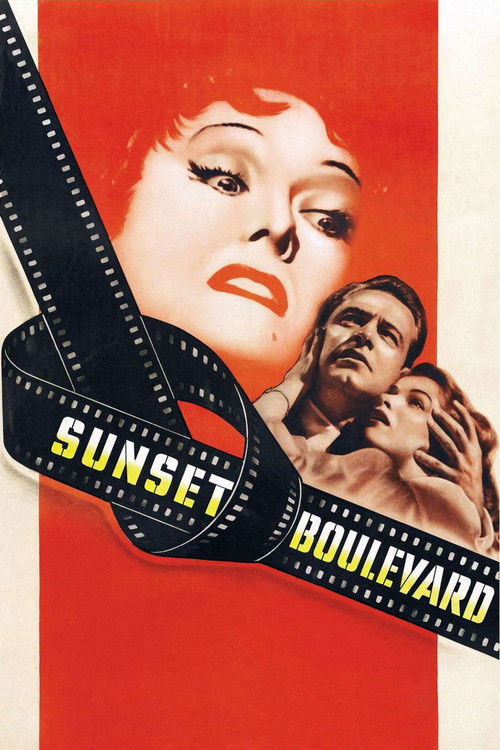
Sunset Boulevard1950
Wilder again, six years on, with the same acid narration-from-the-edge-of-doom trick and an even bleaker view of ambition, vanity, and self-destruction in Los Angeles.
But It's about Hollywood rather than crime, trading murder-scheme mechanics for showbiz tragedy.
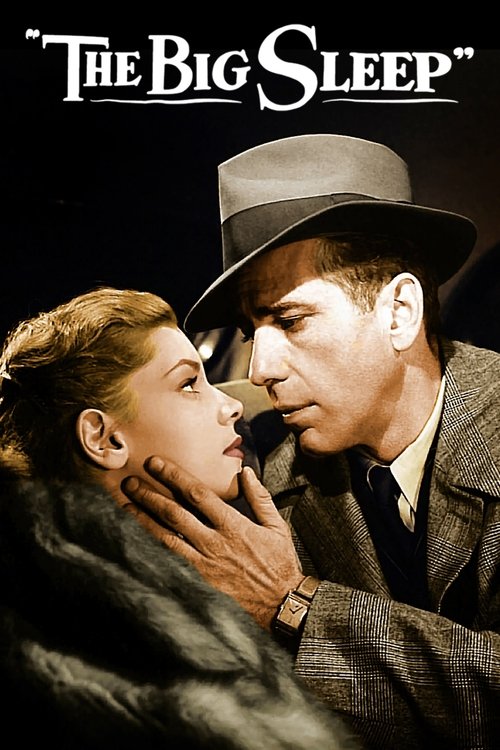
The Big Sleep1946
Bogart and Bacall crackle through a plot so tangled even the screenwriters lost track of it, but the atmosphere and banter make it one of noir's great pleasures anyway.
But The plot is genuinely confusing on a first watch, and the romance softens the cynicism Double Indemnity keeps razor-sharp.
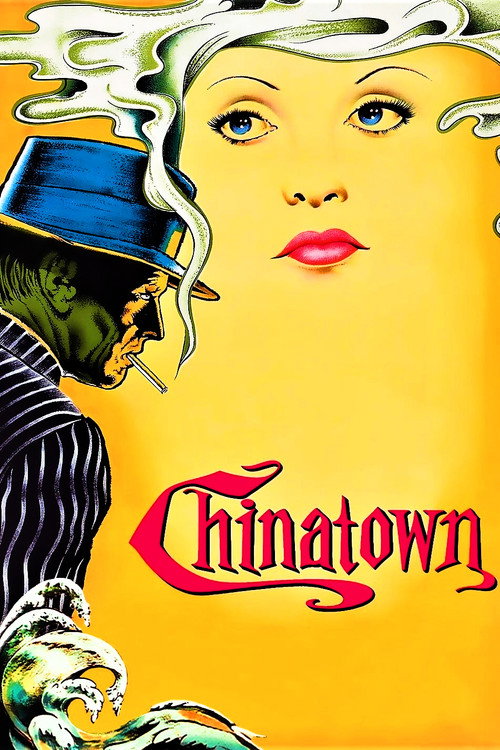
Chinatown1974
Polanski's neo-noir proves the genre could get even darker decades later — a detective story that turns corruption and moral rot into something almost unbearable by the end.
But It's slower and more political than Double Indemnity, building dread rather than racing toward a confession.
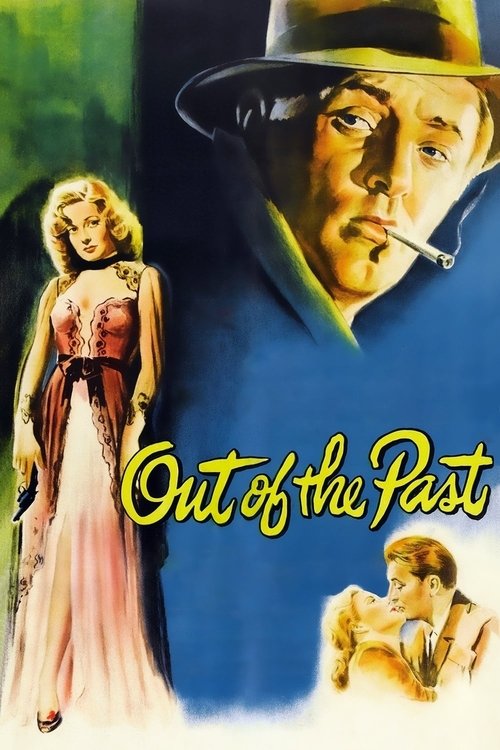
Out of the Past1947
Robert Mitchum at his most weary, pulled back into a criminal past by a woman he can't resist — pure fatalism, gorgeous shadows, one of the era's purest noirs.
But The plot loops through flashbacks and double-crosses that ask for patience rather than offering easy momentum.
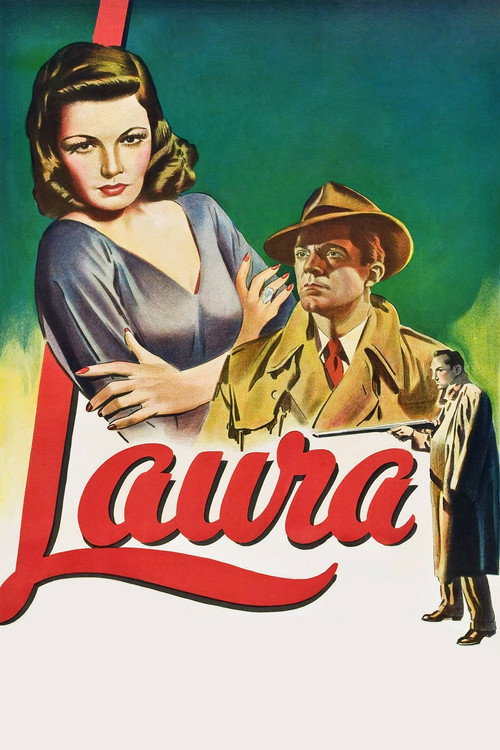
Laura1944
Made the same year, this one flips the formula — a detective falling for a woman he believes is dead — with a score and a mystery that still haunts.
But It's gentler and more romantic than Wilder's film; the cynicism is there, but the sting is softer.
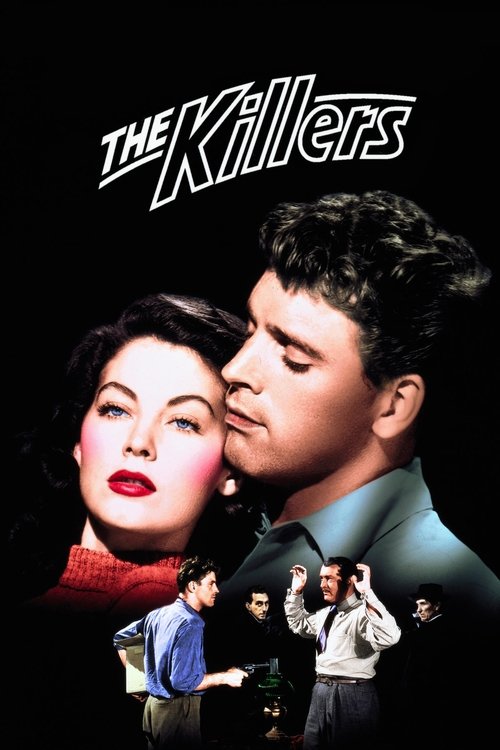
The Killers1946
Burt Lancaster's screen debut, told backwards from a murder through interlocking testimonies — a structural cousin to Double Indemnity's flashback confession, and just as fatalistic.
But The fractured, multi-narrator structure can feel more like a style exercise than a story you're pulled into emotionally.
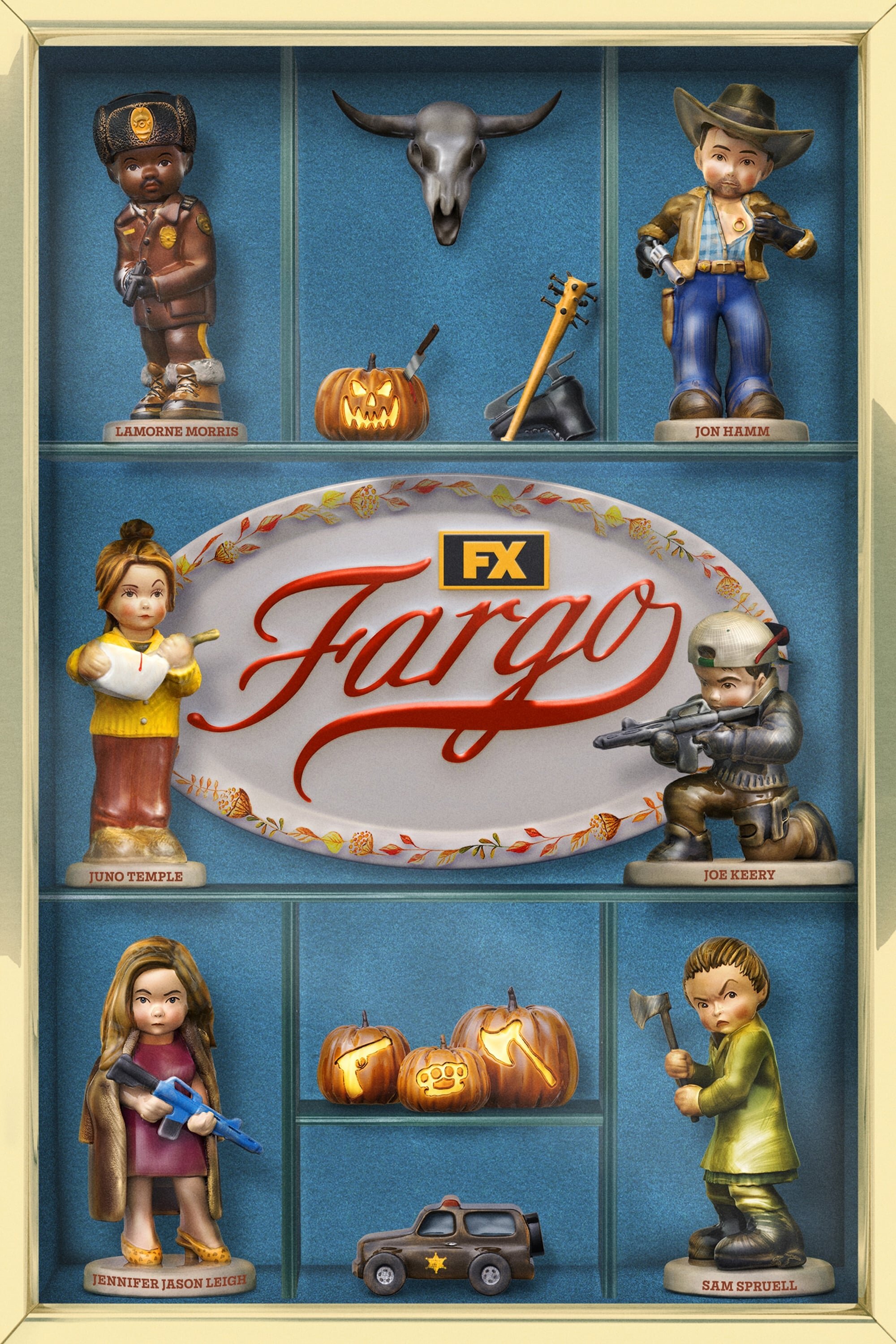
Fargo2014
Nearly identical structure — ordinary man, fatal scheme, patient investigator — stretched into a TV season and re-costumed as Midwestern black comedy.
A mild-mannered man gets talked into a murder scheme by a stranger, while a dogged, unglamorous investigator slowly closes in — the same architecture as Double Indemnity, reset in snow with pitch-black comedy.
But Ten hours instead of two, and the tone keeps swinging toward absurdist comedy, which sits oddly with some of the violence.
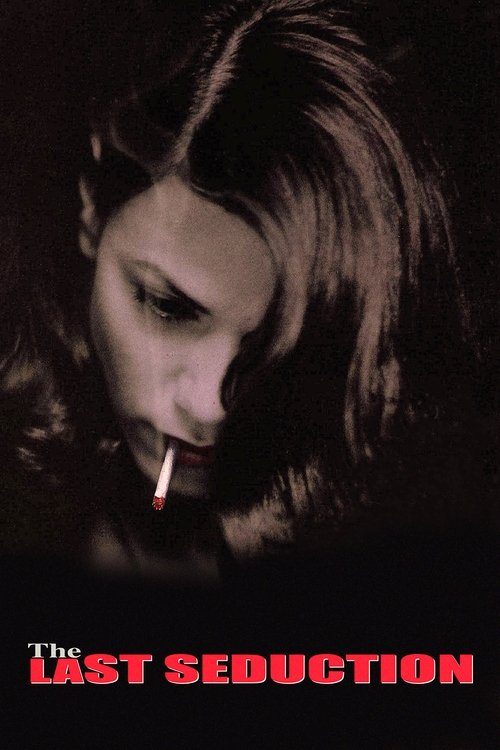
The Last Seduction1994
The same femme-fatale-uses-naive-man blueprint, unshackled from 1944 censorship — showing what the story looks like once the guilt is stripped out.
Linda Fiorentino plays the femme fatale with none of the Hays Code's restraint — colder, funnier, filthier — running a con on a hapless man that makes Phyllis Dietrichson look almost polite.
But It's trashier and more openly comic in its cruelty, without the moral weight or visual poetry Wilder brings to the same idea.
People
Cast
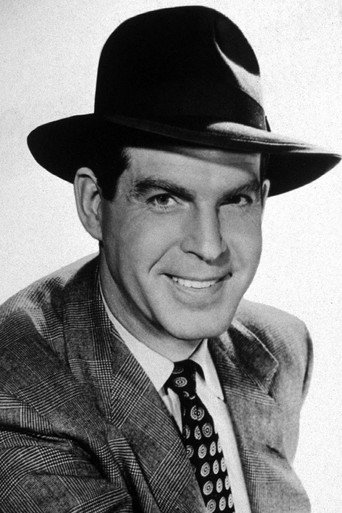 Fred MacMurrayWalter Neff
 Barbara StanwyckPhyllis Dietrichson
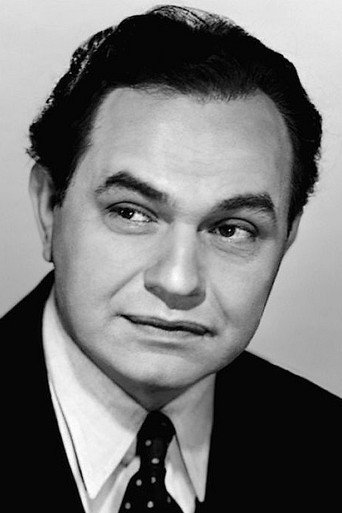 Edward G. RobinsonBarton Keyes
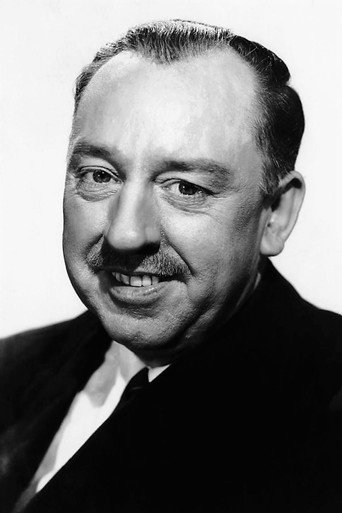 Porter HallMr. Jackson
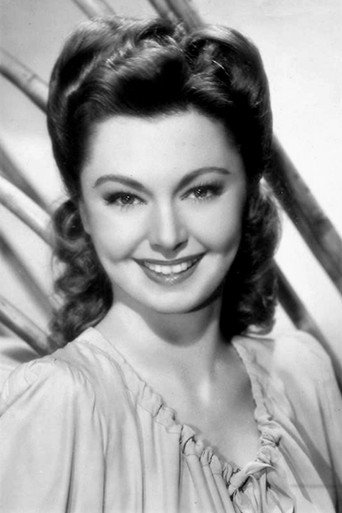 Jean HeatherLola Dietrichson
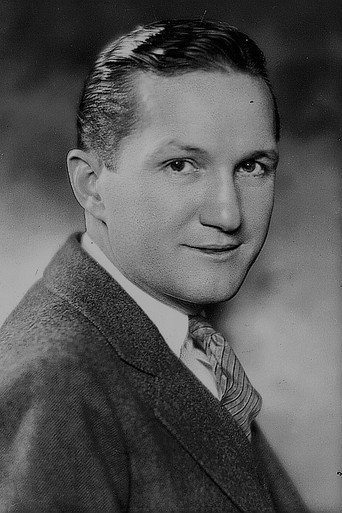 Tom PowersMr. Dietrichson
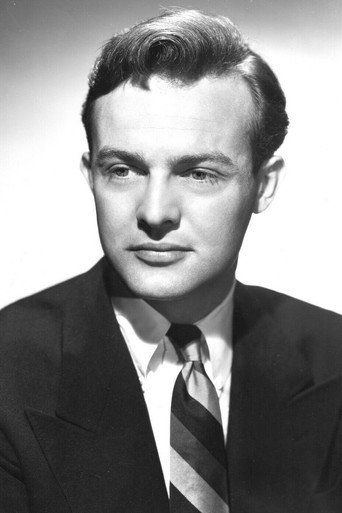 Byron BarrNino Zachetti
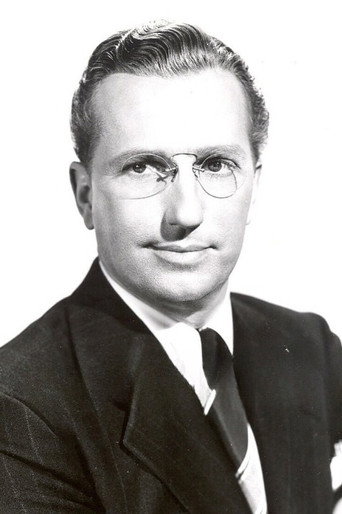 Richard GainesEdward S. Norton Jr.
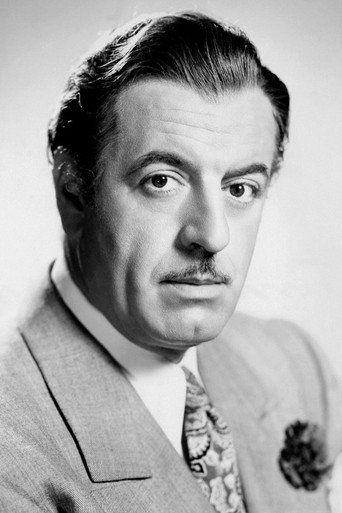 Fortunio BonanovaSam Garlopis
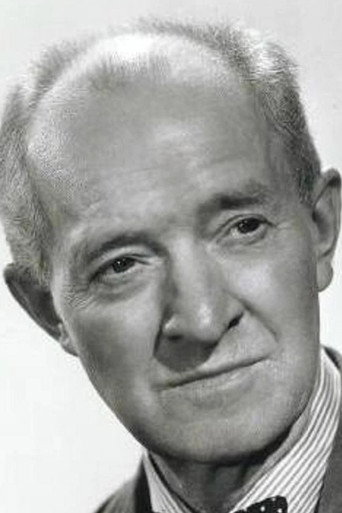 John PhilliberJoe Pete
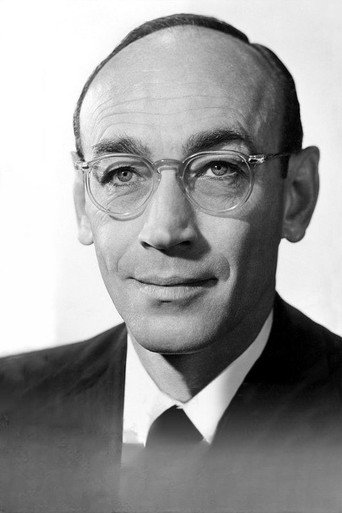 Douglas SpencerLou Schwartz (uncredited)
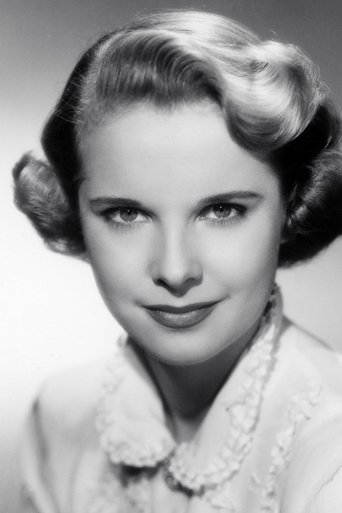 Mona FreemanSecretary (uncredited)
Directing
- Billy WilderDirector
Writing
- James M. CainNovel
- Billy WilderScreenplay
- Raymond ChandlerScreenplay
Recommended by
Laura, The Third Man, Nightmare Alley, Body Heat, American Psycho, Sunset Boulevard, Dial M for Murder, Witness for the Prosecution, The Postman Always Rings Twice, Gun Crazy, The Big Sleep, Kiss Me Deadly, The Grifters, The Glass Key, Mildred Pierce, The Last Seduction, Basic Instinct, How to Get Away with Murder, Sorry, Wrong Number, Wild Things, Leave Her to Heaven, Blood Simple, The Maltese Falcon, The Big Heat, Out of the Past, Greed, The Killers, Touch of Evil, A Place in the Sun, Strangers on a Train, This Gun for Hire