
Film
Touch of Evil
Orson Welles's fever-dream noir opens with one of cinema's most famous tracking shots and never lets the tension drop. A car bomb at the US-Mexico border pulls an honeymooning cop into the orbit of Hank Quinlan, a bloated, corrupt police captain who has decided guilt is something you plant rather than prove. Shadowy, sweaty, morally rotten — this is B-movie pulp shot like grand opera.
If you liked this
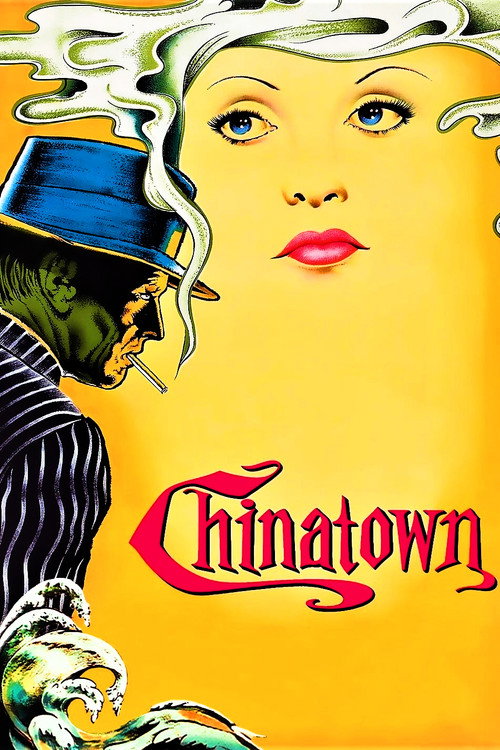
Chinatown1974
The same slow horror of watching institutional rot spread through sun-bleached streets. Nicholson's detective is Vargas's polite, doomed cousin, chasing a truth the powerful have already priced in.
But It's deliberately paced and its ending offers no relief — bring patience, not popcorn.
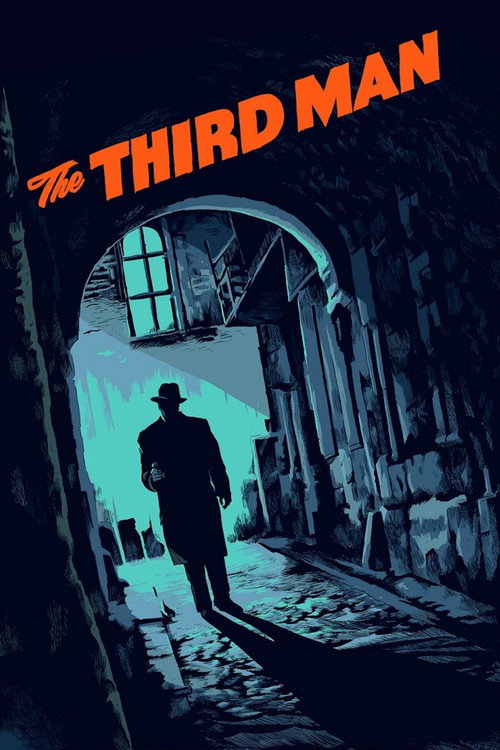
The Third Man1949
Welles again, this time in front of the camera, oozing charisma in a city as morally warped as his character. Same shadows, same zither of dread, same sense that everyone's lying to you sweetly.
But Welles has a smaller role than you'd expect — the film belongs to Joseph Cotten and postwar Vienna.
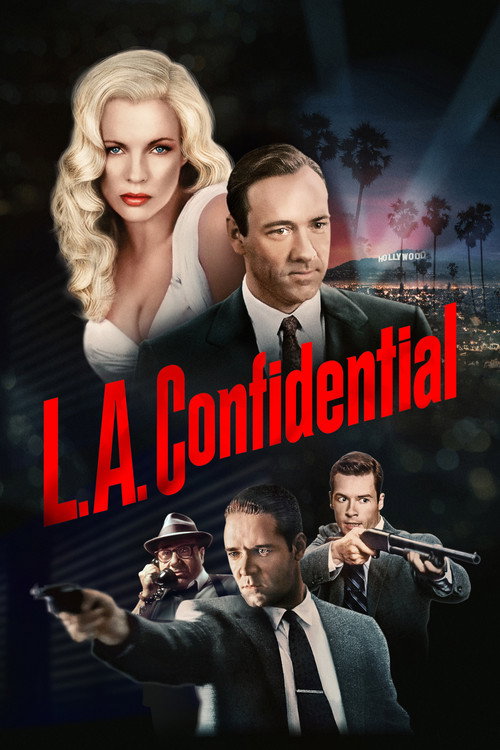
L.A. Confidential1997
A glossy, brutal ensemble noir about cops who create the crimes they solve. If Quinlan's methods intrigued you, this spends two hours dissecting exactly how a badge becomes a weapon.
But Plot is dense with double-crosses; it demands full attention, not background viewing.
The wildcard
Something you would not have found on your own.
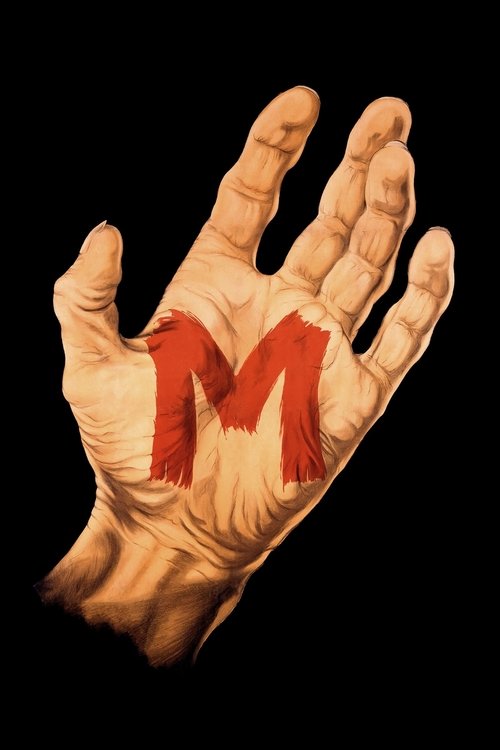
M1931
Touch of Evil's shadows and moral rot descend directly from German Expressionism, and M is the primal source — an early procedural where pursuing evil corrupts everyone who chases it.
Fritz Lang's German expressionist thriller about hunting a child murderer invented half the visual grammar Welles is playing with — the tilted angles, the mob turning on itself, the police as no better than the criminals.
But Silent-era pacing and a script light on dialogue; it's a formal experience as much as a story.
More like this (8)
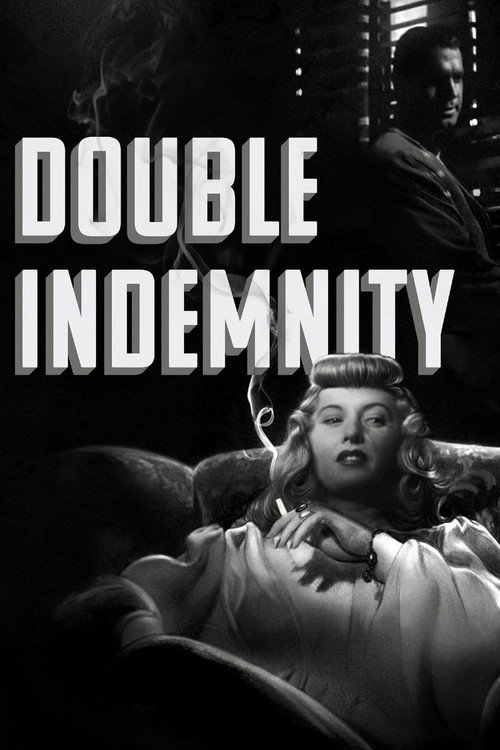
Double Indemnity1944
The gold standard of shadow, cynicism and doomed schemes, and the film that taught noir how to talk. Cleaner and colder than Welles's swamp, but cut from the same black cloth.
But Its restraint may feel tame after Welles's baroque excess — this is noir at its most classical.
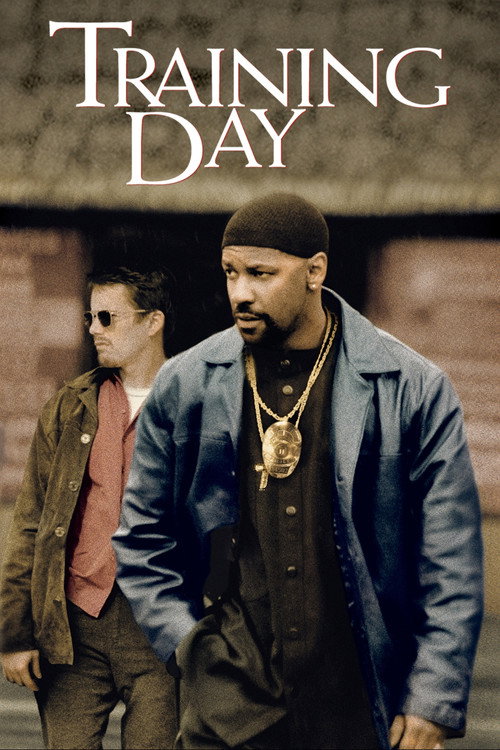
Training Day2001
Denzel Washington's dirty detective is Quinlan for the modern era — charming, terrifying, utterly convinced his corruption is a form of justice. A rookie's single awful day mirrors Vargas's spiral.
But Broader and more theatrical than Welles's slow dread; this one wants to shock, not unsettle.
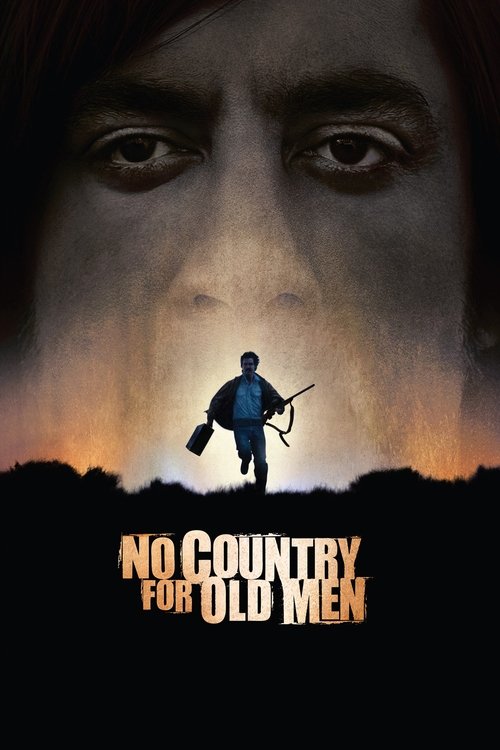
No Country for Old Men2007
Another border, another investigation curdling into something ancient and merciless. The Coens' sense that evil doesn't need a motive echoes Quinlan's casual, bureaucratic monstrousness.
But Its nihilism is total — there's little of the moral clarity Vargas still clings to.
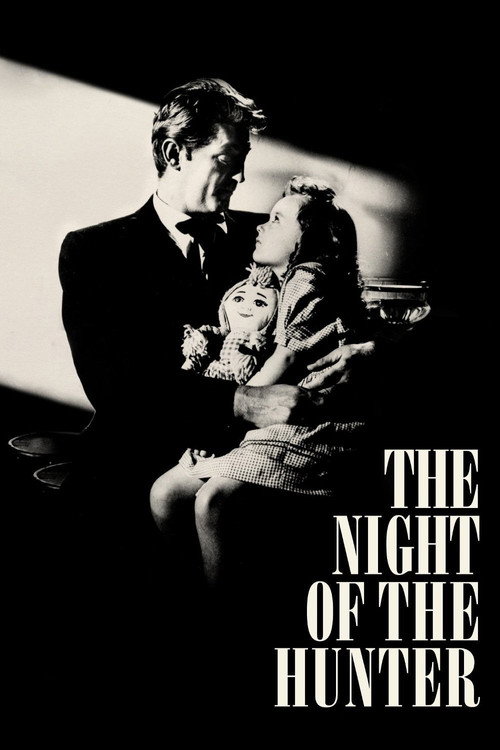
The Night of the Hunter1955
Expressionist, shadow-drenched, and genuinely frightening, with Robert Mitchum's preacher as pure American menace. Shares Welles's love of camera as instrument of dread rather than mere recording.
But Its fable-like tone is stranger and more folkloric than Touch of Evil's grounded sleaze.
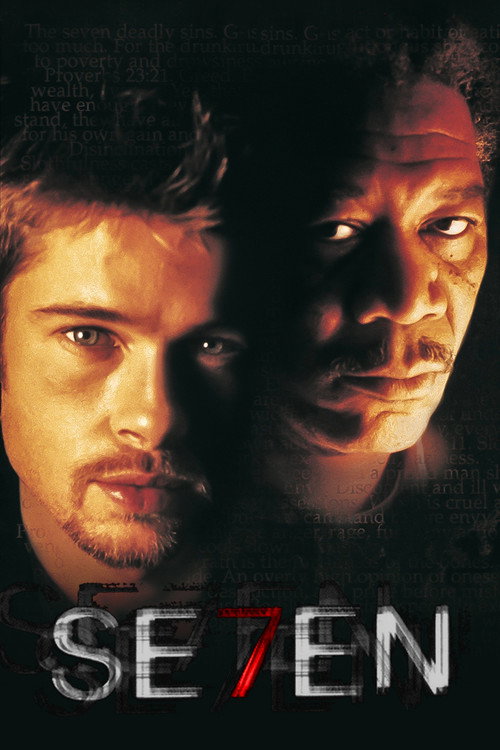
Se7en1995
A grimy procedural where the investigation itself becomes an act of moral corrosion. The rain-soaked dread and the sense that the system is rotten from inside will feel very familiar.
But Far more graphic and despairing — this one wants to leave you shaken, not just uneasy.
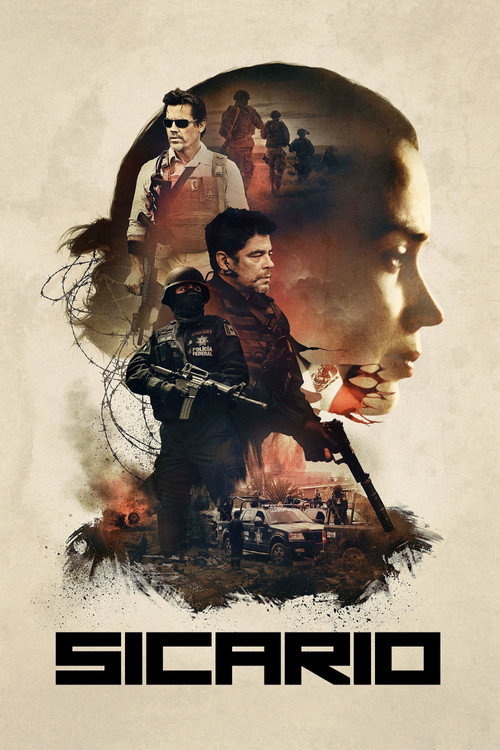
Sicario2015
The border itself becomes a character, and the line between law and crime dissolves in the desert heat. A worthy modern heir to Welles's queasy sense that nobody here is clean.
But Bleaker and more brutal in its violence, with little of Welles's showmanship or dark wit.
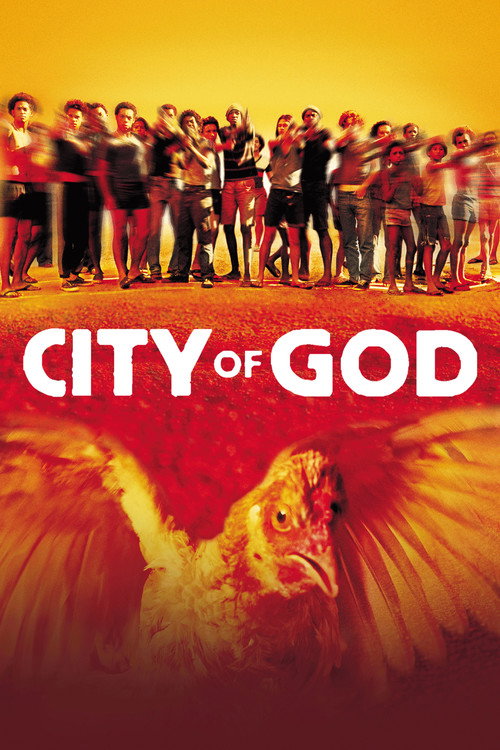
City of God2002
Same engine — police, gangs, and power feeding on each other — in an entirely different costume: language, continent, and a camera style that owes Welles's famous long take a visible debt.
Brazilian, kinetic, subtitled, and utterly alive — a favela crime saga told with the same restless camera bravado Welles opened his film with, following corruption from street kids up to the police who exploit them.
But Its energy and violence are relentless, and it trades Welles's slow dread for pure adrenaline.
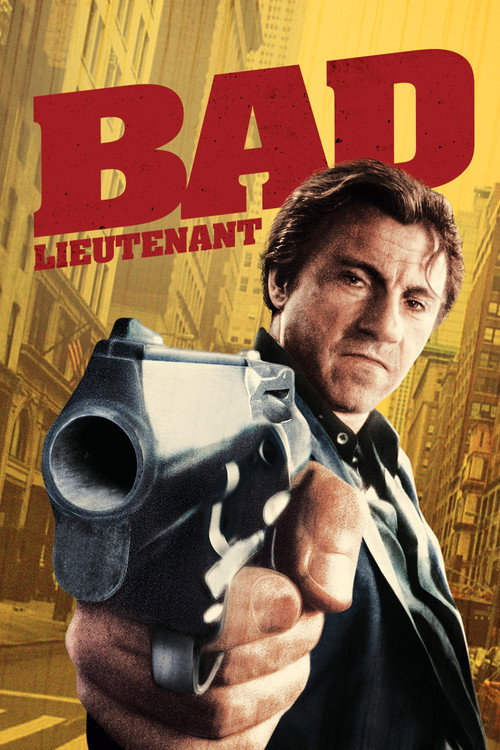
Bad Lieutenant1992
A direct descendant, trading Welles's baroque studio craft for raw, trashy nihilism — the same corrupt-cop-as-monster idea, played at a much lower, dirtier register.
Harvey Keitel goes further into degradation than Quinlan ever dared, a corrupt cop's slow collapse filmed with unflinching, grubby intimacy. This is what Touch of Evil looks like with all the studio polish stripped off.
But Explicit, punishing, and deliberately repellent — this is arthouse sleaze, not entertainment in any comfortable sense.
People
Cast
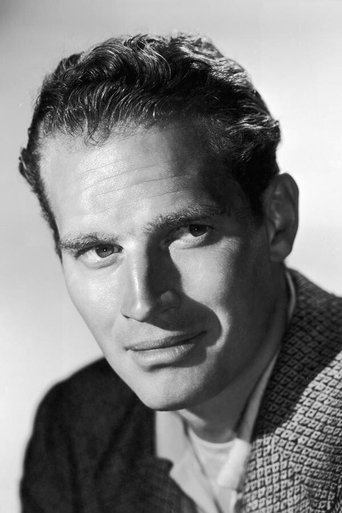 Charlton HestonRamon Miguel Vargas
 Janet LeighSusan 'Susie' Vargas
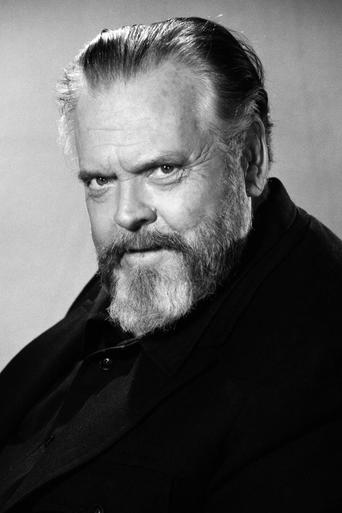 Orson WellesPolice Captain Hank Quinlan
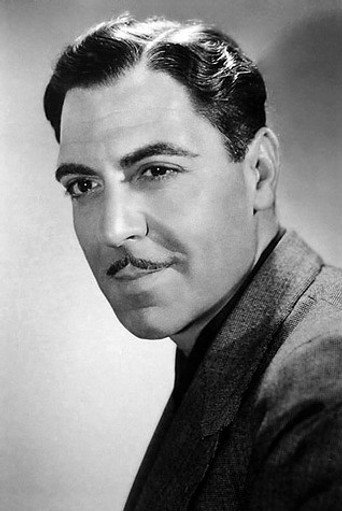 Joseph CalleiaPolice Sergeant Pete Menzies
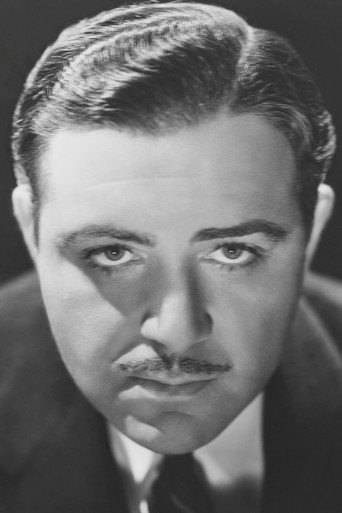 Akim Tamiroff'Uncle' Joe Grandi
 Joanna MooreMarcia Linnekar
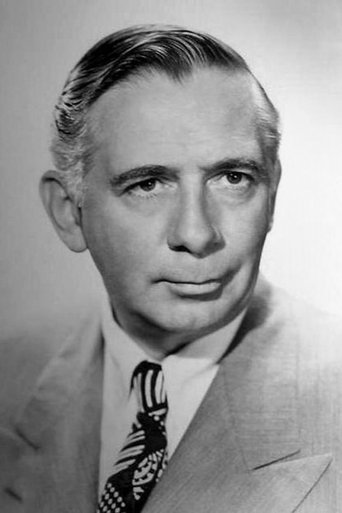 Ray CollinsDistrict Attorney Adair
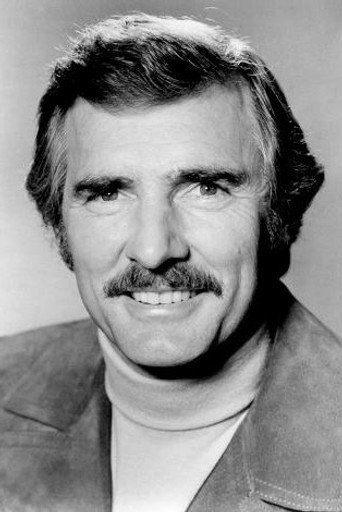 Dennis WeaverMirador Motel Night Manager
 Valentin de VargasPancho
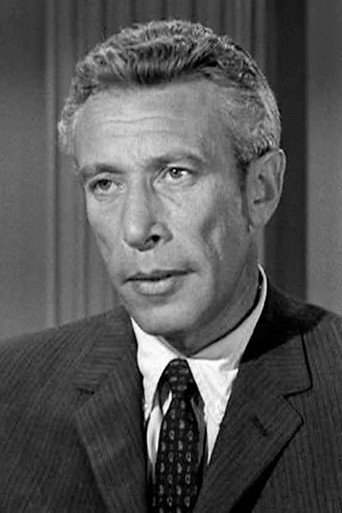 Mort MillsAl Schwartz - District Attorney's Assistant
 Victor MillanManelo Sanchez
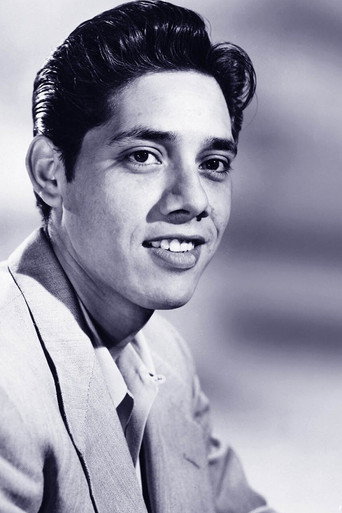 Lalo RiosRisto - Grandi's Nephew
Directing
- Harry KellerAssistant Director
- Phil BowlesAssistant Director
- Terence NelsonAssistant Director
- Orson WellesDirector
- Betty A. GriffinScript Supervisor
Writing
- Whit MastersonNovel
- Orson WellesScreenplay
Production
- Albert ZugsmithProducer
Recommended by
L.A. Confidential, Bad Lieutenant, Cartel Land, The Trial, Kiss Me Deadly, Sicario: Day of the Soldado, The Big Heat