
Film
Mr. Arkadin
Orson Welles' baroque thriller about a mysterious millionaire with a blank past hires a drifter to uncover his own history—a labyrinth of flashbacks, glamorous settings, and mounting danger. It's playful yet sinister, constructed like a fever dream. For anyone who loves Welles' formal ambition and doesn't mind a story that twists and doubles back on itself.
If you liked this
The Third Man1949
Carol Reed's Vienna-set masterpiece of postwar corruption and betrayal. Like Arkadin, it's morally slippery and gorgeously composed, with a protagonist pulled deeper into dark secrets by charisma and misdirection.
But The pacing is deliberate and the plot requires attention; if you want plot clarity and forward momentum, this will frustrate you.

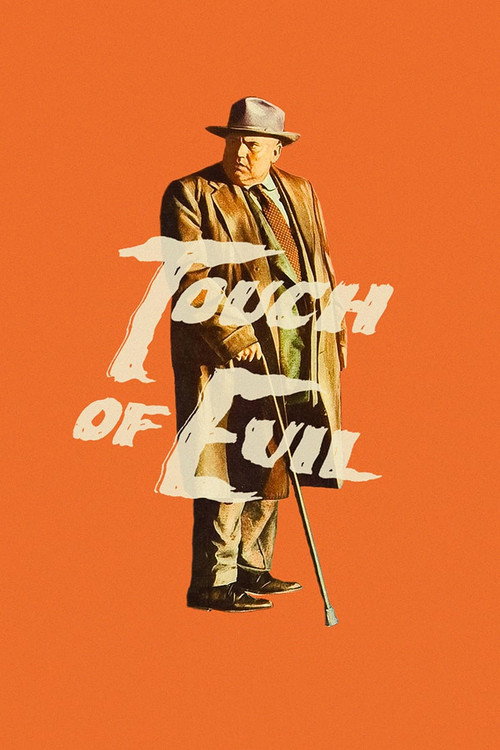
Touch of Evil1958
Welles again, this time directed by Orson Welles in a border-town noir soaked in paranoia and visual invention. The same restless camera, the same moral murk, the same sense that nothing is what it seems.
But Welles' later edits fragment it further; you're essentially watching an unfinished symphony, deliberately jagged and sometimes confusing.
The Killers1946
Siodmak's taut noir about a dead man whose past is pieced together through unreliable accounts and flashbacks. Same architecture as Arkadin—a puzzle solved backwards, each answer raising new questions.
But The femme fatale and postwar morality feel dated; if you need sympathetic characters or contemporary sensibility, it won't connect.

Not sure tonight? Get a pick in a minute, starting from Mr. Arkadin
The wildcard
Something you would not have found on your own.
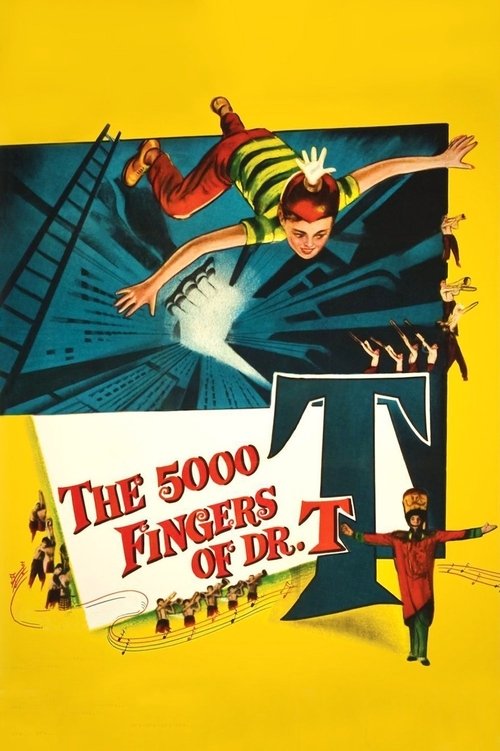
The 5,000 Fingers of Dr. T.1953
Both are baroque puzzleboxes where style and formal invention matter more than plot coherence, and both were made by artists convinced that cinema should be strange.
A Seuss-scripted children's fantasy-nightmare about a boy trapped in a music teacher's surreal kingdom. Like Arkadin, it's kaleidoscopic and formally bizarre, built from repeated motifs and dream-logic. Welles would have adored it: opera-house production design, moral ambiguity, and structures that shouldn't work but do.
But It's made for children but plays like lysergic horror; the tone is unsettling in ways that may feel at odds with its G-rated premise.
More like this (8)
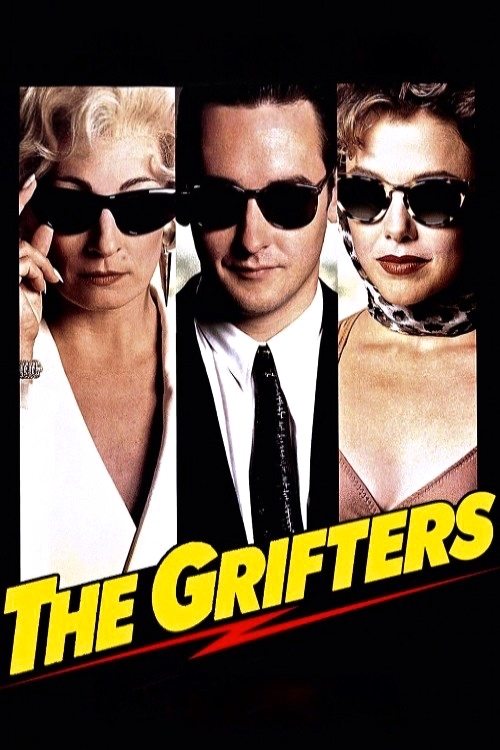
The Grifters1990
Frears' sleek thriller about con artists and the elaborate lies that bind them. That same sense of performance, hidden pasts, and the terror of being known—everyone is always lying, and the cost compounds.
But It's cynical and mean-spirited; if you watch it wanting warmth or redemption, you'll walk away feeling hollow.
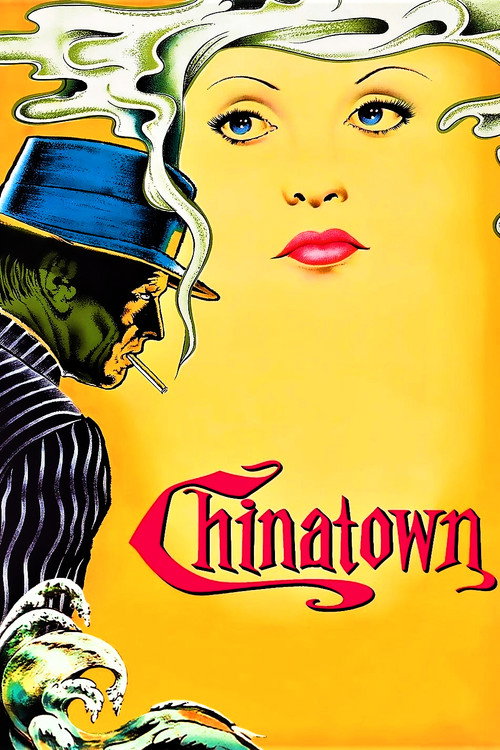
Chinatown1974
Polanski's masterwork about a detective hired to uncover a simple truth that opens into vast, seductive corruption. The mystery deepens, the stakes rise, and the past devours everyone.
But It ends not with catharsis but with the sense that some truths are poison; if you need justice, this film will break you.
In a Lonely Place1950
Ray's Hollywood noir about a volatile screenwriter falsely accused of murder. Like Arkadin, it's as much about the performance of identity as guilt—who is this man, really? And does it matter?
But Bogart's character is genuinely unlikable; rooting for him requires you to stay suspicious and uncomfortable throughout.

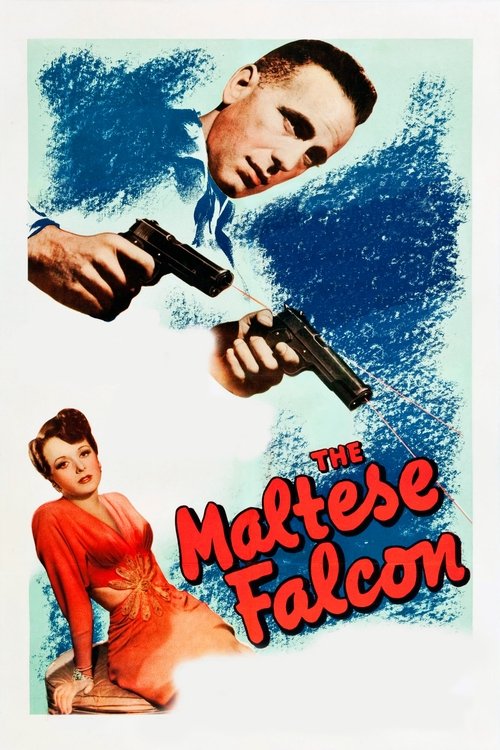
The Maltese Falcon1941
Huston's definitive noir about a MacGuffin and the liars who chase it. The detective games, the layered deceptions, the sense that everyone knows more than they're saying—it's the blueprint Arkadin builds on.
But By now the tropes are familiar; seeing them invented is thrilling, but if you've absorbed noir through osmosis, it may feel mannered.
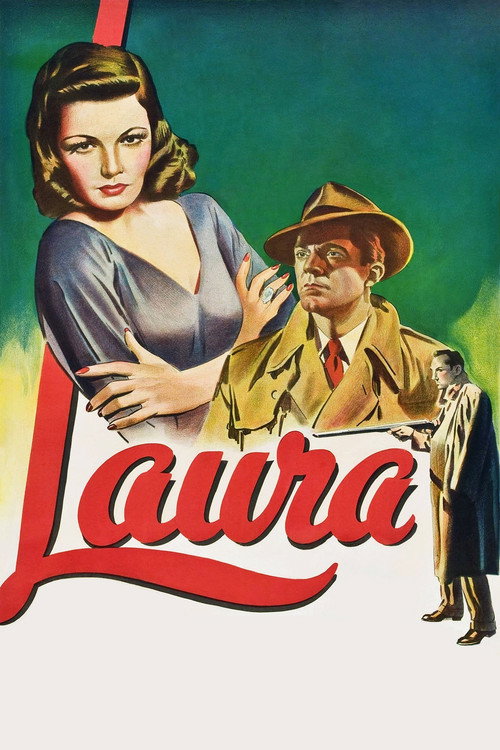
Laura1944
Preminger's elegant mystery about a dead woman nobody really knew. Like Arkadin, it's constructed from unreliable testimony and romantic obsession, and the closer you get to truth, the less you trust your narrator.
But The twist hinges on logic that doesn't quite hold; if plot holes derail your enjoyment, this one will catch you.
The Asphalt Jungle1950
Huston's heist noir about the elaborate machinery of crime and the character study beneath. It shares Arkadin's interest in how people perform their roles and the fragility of schemes.
But It's a procedural that takes its time; if you expect thriller pacing or character arcs, the unhurried approach may feel padded.

Hiroshima Mon Amour1959
Both films are constructed from fragments and flashbacks that don't add up to truth—they add up to memory, which is all we have.
Resnais and Duras's meditation on memory, loss, and the stories we tell ourselves. Where Arkadin is black comedy, this is aching and lyrical, but it shares the same obsession: the past leaks through the present, unreliable and radioactive.
But It's experimental and abstract; if you need narrative momentum or a clear emotional arc, it will feel like watching someone else's grief.
The Killing1956
Both films argue that the structure of how a story is told matters as much as what happens—your perspective determines the truth.
Kubrick's debut: a heist film told through intersecting timelines and multiple perspectives, so that the same events look different depending who's remembering them. Arkadin's fragmented structure cousin, but American and tighter—a masterclass in how unreliable narration can be technique.
But The jittery chronology was novel in 1956; now it feels deliberate in a way that distances you, and the payoff is modest.

People
Cast
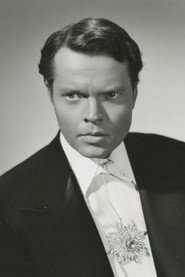 Orson WellesGregory Arkadin
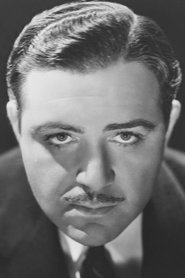 Akim TamiroffJakob Zouk
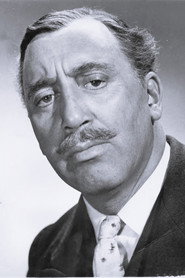 Grégoire AslanBracco
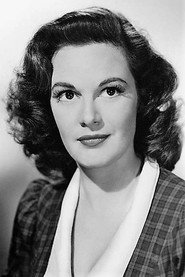 Patricia MedinaMily
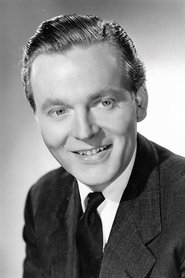 Jack WatlingMarquis of Rutleigh
 Mischa AuerThe Professor
 Peter van EyckThaddeus
 Michael RedgraveBurgomil Trebitsch

 Frédéric O'BradyOscar
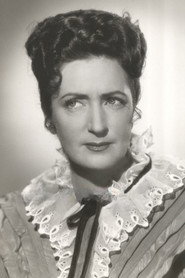 Tamara ShayneWoman in Apartment
Directing
- Isidoro M. FerryAssistant Director
- José Luis de la SernaAssistant Director
- José María OchoaAssistant Director
- Orson WellesDirector
Writing
- Orson WellesScreenplay
- Orson WellesStory
Production
- Louis DolivetProducer
- Orson WellesProducer