
Film
The Accompanist
A chambers drama set in Nazi-occupied Paris, where a shy piano accompanist becomes dangerously obsessed with a glamorous singer she serves. It's a portrait of desire, complicity, and the small corruptions that survival demands—tense, intimate, and morally murky, for viewers drawn to character studies over action.
Should you watch it?
Watch it if you are drawn to quiet, observant character studies where a wartime backdrop hums in the background and the emotional tension lives in glances, music and things left unsaid.
Skip it if you need the war to drive the plot or the story to move briskly; this is slow and interior, keeping its gaze on one obsession rather than on events.
What it asks of you: Around an hour and forty minutes at an unhurried pace, with long quiet stretches that reward close attention over any big set pieces.
Not sure? Find tonight's pick in a minute.
If you liked this
In the Mood for Love2000
Wong Kar-wai's masterpiece about two neighbours who discover their spouses are having an affair. Like *The Accompanist*, it transforms longing into visual poetry and explores how we live through others when we cannot live for ourselves.
But It moves at a glacial pace and privileges mood over plot. If you need narrative momentum or dialogue that explains what people feel, this will test your patience.

The Remains of the Day1993
Hopkins plays a butler whose rigid devotion to his employer masks decades of unspoken desire and moral compromise. Beneath the restraint is a tragedy about what we sacrifice for loyalty and what we tell ourselves to justify it.
But It is glacially paced and emotionally buttoned-up. Some find it too controlled—the very discipline that makes it brilliant can feel cold.

All About My Mother1999
Almodóvar's film about a woman drawn into the theatrical world, living vicariously through others' drama and passion. It shares *The Accompanist*'s fascination with how we inhabit other people's lives and the blurred line between love and obsession.
But It's theatrical and camp in ways *The Accompanist* isn't. If you want restraint and ambiguity, the melodrama here might feel overwrought.

Not sure tonight? Get a pick in a minute, starting from The Accompanist
The wildcard
Something you would not have found on your own.
The Constant Gardener2005
Both are about how people we live alongside remain unknowable to us, and how love and obsession can prevent us from seeing the truth in front of us.
Fernando Meirelles's adaptation of Le Carré follows a diplomat's widow investigating her husband's death in Africa. Like *The Accompanist*, it's about discovering that someone you thought you knew intimately was living a separate, hidden life—and what we do when we finally see them clearly.
But It's a political thriller set across continents, so it's structurally very different from the chamber drama you've just seen. The external plot might feel like a departure.

More like this (8)
Sunset Boulevard1950
A masterpiece about parasitism, worship, and a young man trapped in a decaying star's orbit. Billy Wilder nails the sickness of living through someone else's reflected glory, though from a different angle than *The Accompanist* does.
But It's cynical in a way that doesn't offer much compassion to anyone. If you want moral complexity rather than judgement, the film's cold eye might feel reductive.

Mr. Arkadin1955
Welles' labyrinthine thriller about a man assembling his own biography, full of unreliable testimony and the question of how well we can ever know anyone. It shares *The Accompanist*'s interest in interiority and the gap between appearance and truth.
But It's fragmentary and deliberately difficult to follow. The narrative jumps around in ways that demand active participation, which not everyone enjoys.

Hunger2008
Steve McQueen's debut about Bobby Sands' 1981 hunger strike in prison. It's a slow-burn study of obsession, principle, and the body as battleground—visually austere and psychologically crushing in ways that resonate with *The Accompanist*'s moral weight.
But It contains graphic violence and scenes of suffering. It is relentlessly grim and offers no catharsis or comfort—only clarity and pain.

A Prophet2009
Audiard's prison drama about a young man who must navigate loyalty, manipulation, and his own transformation. Like *The Accompanist*, it's fascinated by power imbalances, complicity, and the small ways we betray ourselves.
But It's violent and occasionally brutal. French prison cinema is not cheerful, and this one earns every scar it shows.

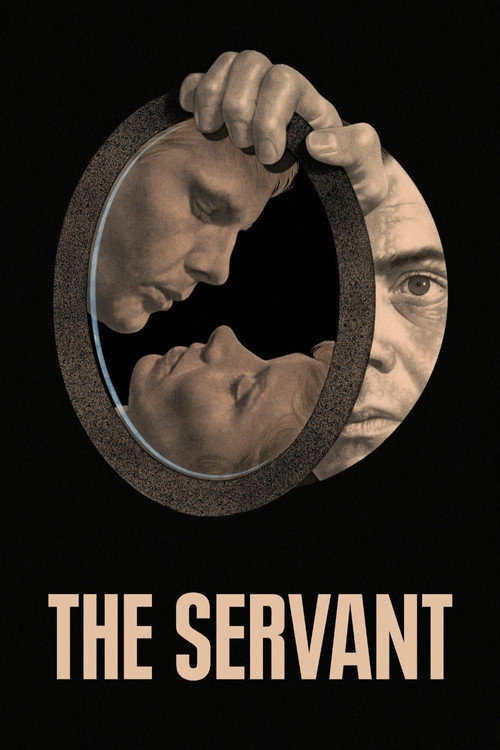
The Servant1963
Losey's gothic chamber piece about a master and servant whose relationship corrodes into a power struggle neither can escape. It's *The Accompanist*'s spiritual ancestor—a claustrophobic study of dominance, desire, and the roles we play.
But It's subtle to the point of opacity in places. Some scenes feel more like fever dreams than narrative, which can frustrate viewers who want clarity.
Gosford Park2001
Altman's ensemble whodunit set in an English country house, where servants and masters live parallel lives of necessary deception. It shares *The Accompanist*'s interest in how proximity breeds both intimacy and resentment, and how survival demands complicity.
But There are many characters and interweaving plot threads. The murder mystery works, but it's not the point—if you need a strong narrative spine, the focus on atmosphere might disappoint.

Stalker1979
Both are about characters consumed by longing for something they cannot name, and the slow realization that the pursuit itself corrupts both pursuer and pursued.
Tarkovsky's sci-fi meditation on desire, faith, and the things we pursue at any cost. A guide leads a writer and a scientist through a mysterious zone toward a room that grants wishes—but the real subject is obsession and what we're willing to sacrifice for meaning.
But It's 163 minutes of Russian philosophical cinema with minimal plot and maximum contemplation. It asks everything of the viewer's patience and offers nothing but beauty and ideas in return.

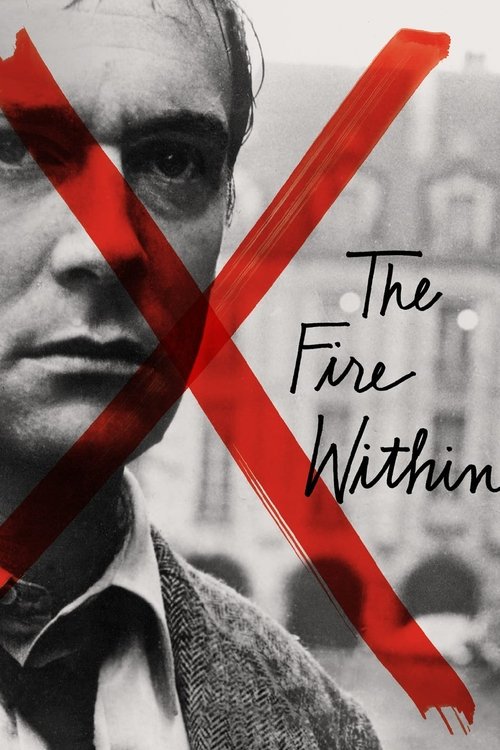
The Fire Within1963
Both films understand that longing and obsession can be forms of depression—ways we try to live through others because living for ourselves has become unbearable.
Louis Malle's devastating film about a man's final days—a portrait of depression so intimate and unflinching it feels like you're living in his skin. It's about the distance between how others see us and how we experience ourselves, told with absolute honesty.
But It ends in suicide. This is not a film about recovery or hope. It is an act of witness to despair, and it will break you if you let it.
People
Cast
 Romane BohringerSophie Vasseur
 Richard BohringerCharles Brice
 Elena SafonovaIrène Brice
 Samuel LabartheJacques Fabert
 Julien RassamBenoît Weizman
 Bernard VerleyJacques Ceniat
 Nelly BorgeaudMrs. Vasseur
 Claude RichMinistre
 Niels DubostYoung Man on Train
- Valérie BettencourtJuliette
 Sacha BriquetDignitaire
Directing
- Claude MillerDirector
- Véronique LagrangeScript Supervisor
Writing
- Claude MillerWriter
- Luc BéraudWriter
- Nina BerberovaWriter
Production
- Raphaël BerdugoCo-Producer
- Jean-José RicherExecutive Producer
- Manuel Costa e SilvaExecutive Producer
- Patrick CassavettiExecutive Producer
- Jean-Louis LiviProducer