
Film
All About My Mother
Almodóvar's aching, garishly colourful tribute to motherhood, reinvention and performance follows a bereaved mother who rebuilds her life among actresses, nuns and a magnificently unapologetic trans sex worker. It's melodrama at full volume — soap-opera plotting, telenovela colour, real ache underneath. For anyone who wants their tears jerked with style, wit and genuine tenderness for society's outsiders.
If you liked this
Volver2006no page yet
Almodóvar returns to the same terrain — mothers, secrets, female solidarity — with Penélope Cruz again at its centre, this time lighter on grief and heavier on dark comedy.
But If you want something genuinely different from Almodóvar's world, this stays close to the same neighbourhood.
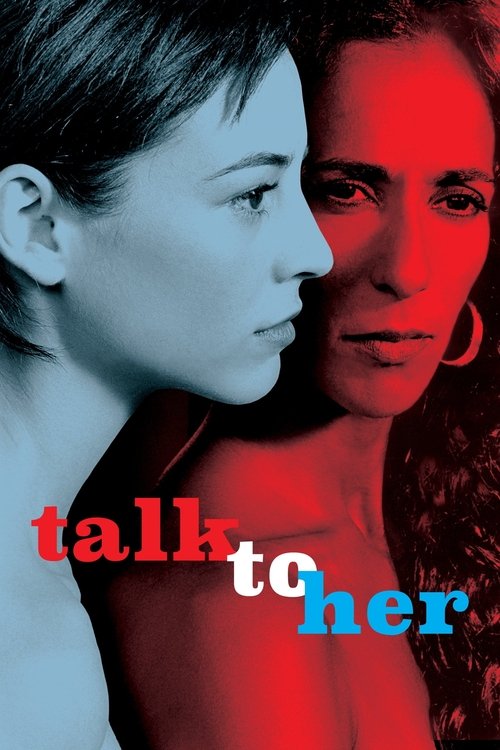
Talk to Her2002
Almodóvar's most tender, strangest film, about care, obsession and the bodies we love — proof he can do quiet devastation as well as loud melodrama.
But Its central relationship is deliberately uncomfortable, and some viewers find it hard to forgive even decades later.
Women on the Verge of a Nervous Breakdown1988no page yet
Go back to where Almodóvar's female-centred farce started — frantic, funny, stuffed with the operatic heartbreak that later matured into this film.
But It's brasher and sillier, with less of the emotional weight that makes All About My Mother land so hard.
The wildcard
Something you would not have found on your own.
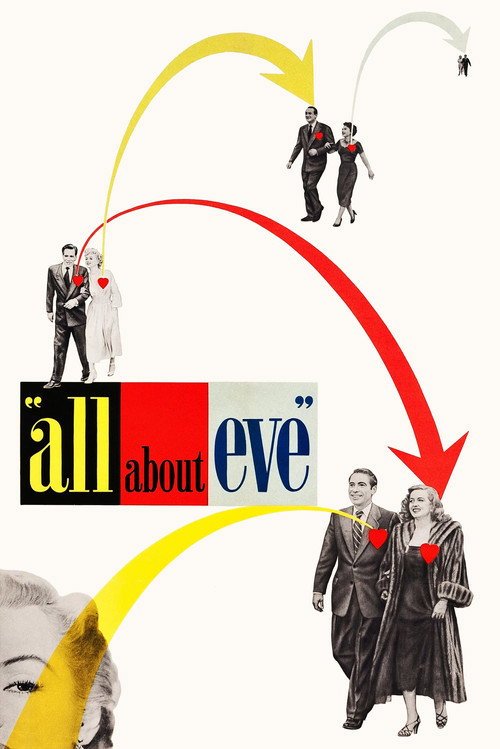
All About Eve1950
Almodóvar named his film in open homage to this one; both are about women who perform identity as survival, on stage and off.
The backstage rivalry, ambition and self-invention driving Huma Rojo's story all trace back here — sharp, bitchy, decades ahead of its time on female performance.
But It's black-and-white, stagebound and talky by modern standards, all dialogue and no visual flourish.
More like this (8)
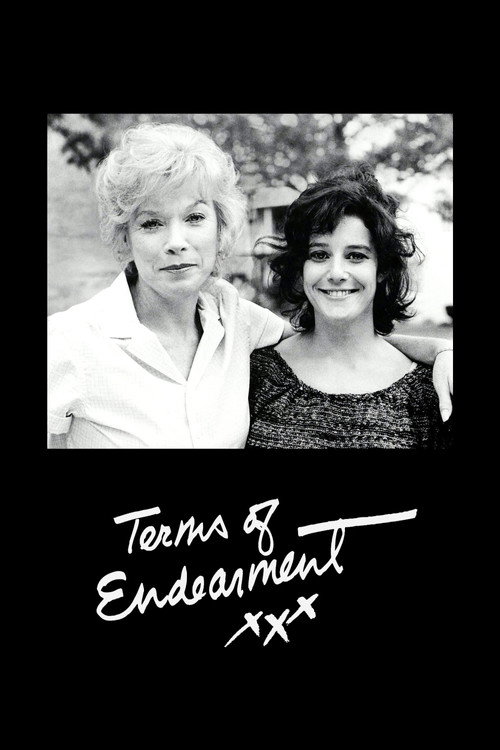
Terms of Endearment1983
Hollywood's own mother-and-loss weepie, swinging between broad comedy and gutting grief with the same shameless confidence — a masterclass in earning your tears.
But It's more conventional, more American, and less interested in anyone outside the nuclear family.
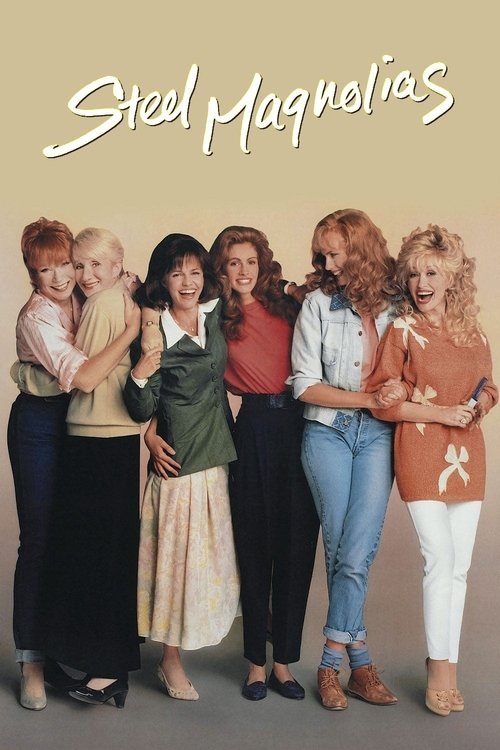
Steel Magnolias1989
A beauty parlour full of Southern women trading one-liners while grief creeps in at the edges — the same trick of laughing right up until it hurts.
But The politics are gentler, the world much smaller, and the ending telegraphed early.
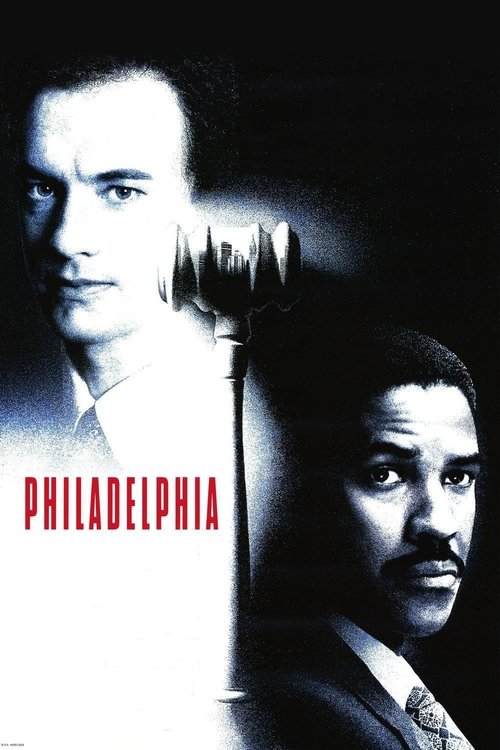
Philadelphia1993
One of the first mainstream films to look AIDS-era prejudice in the eye with real compassion, echoing this film's tenderness toward the sick and the shunned.
But It's a courtroom drama first, and its message can feel more careful than Almodóvar's mess and colour.
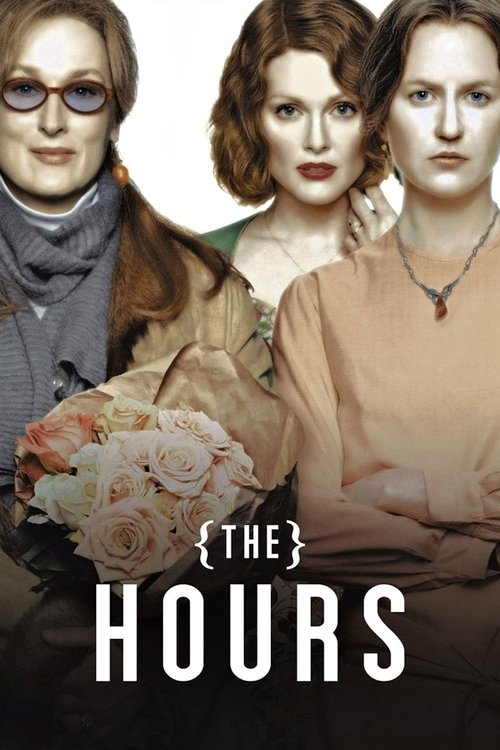
The Hours2002
Three women, three eras, one thread of grief and identity running through them — a more literary cousin to Almodóvar's tangle of women's lives.
But It's cool and controlled where Almodóvar runs hot; some will miss the warmth and the jokes.
A Fantastic Woman2017no page yet
A trans woman navigating grief and hostility with total dignity — the closest modern equivalent to Agrado's fierce, funny self-possession.
But It's quieter and sadder throughout, without much of the comic relief that lightens Almodóvar's film.
Beaches1988no page yet
Decades of unlikely female friendship survive fame, marriage and illness in this shameless tearjerker — comfort food for anyone who wants a good cry.
But It's schmaltzier and far less stylish, with none of Almodóvar's wit or visual daring.
Pose2018
Same defiant insistence that trans lives and sex work deserve dignity and love, just told at series length instead of a single evening.
A vast, joyful, heartbreaking series about trans women, ballroom culture and chosen family in the AIDS era — everything Agrado's monologue gestures at, given room to breathe over three seasons.
But It's a much longer commitment, and its glossier, more contemporary TV polish is a different texture from Almodóvar's scrappy melodrama.

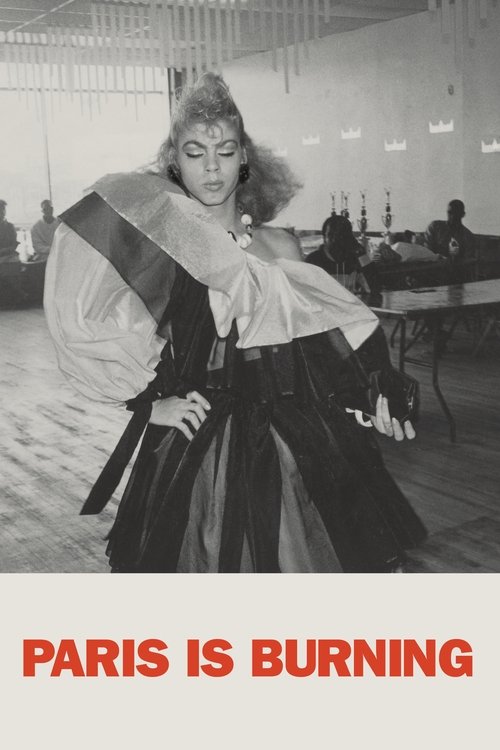
Paris Is Burning1991
Almodóvar's fictional celebration of self-made identity has a real-world ancestor here — same insistence that being who you are costs something and is worth it anyway.
Real voices from New York's drag ball scene, funny and unguarded and heartbreaking in exactly the way Agrado's own speech about identity is — this is where that spirit actually lived.
But It's a documentary with no plot to hold onto, and some of its subjects' fates are quietly devastating in hindsight.
People
Cast
 Cecilia RothManuela
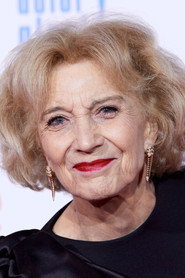 Marisa ParedesHuma Rojo
 Candela PeñaNina
 Antonia San JuanAgrado
 Penélope CruzRosa
 Rosa María SardàRosa's Mother
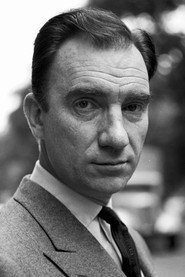 Fernando Fernán GómezRosa's Father
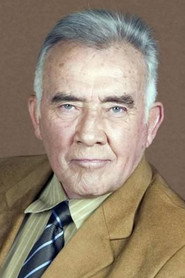 Fernando GuillénDoctor in 'A Streetcar Named Desire'
 Toni CantóLola
 Carlos LozanoMario
 Eloy AzorínEsteban
 Manuel MorónDoctor 1
Directing
- Pedro Manuel LazagaAssistant Director
- Pedro AlmodóvarDirector
- Yuyi BeringolaScript Supervisor
- Álvaro de ArmiñánSecond Assistant Director
- Covadonga R. GamboaSecond Assistant Director
- Ignacio CharrabeSecond Second Assistant Director
- Luisfer MachiSecond Second Assistant Director
- Susana FernándezThird Assistant Director
Writing
- Pedro AlmodóvarScreenplay
- Marcos de AguilarStoryboard
Production
- Borja Rodríguez GamboaAssistant Production Manager
- Carlos PastorAssistant Production Manager
- Juan de HaroAssistant Production Manager
- Sergio Díaz BermejoAssistant Production Manager
- Toni NovellaAssistant Production Manager
- Xavi GuallarAssistant Production Manager
- Michel RubenAssociate Producer
- Mamen MoyaCasting
- Pilar MoyaCasting
- Sara BilbatúaCasting
- Macarena PomboCasting Assistant
- Claude BerriCo-Producer
- Agustín AlmodóvarExecutive Producer
- Alfonso TrancónLocation Manager
- Carlos MachiLocation Manager
- Francisco Javier PrietoLocation Manager
- Miguel Ángel VivasLocation Manager
- Nicolás TapiaProduction Assistant
- Sergio Díaz BermejoProduction Assistant
- Miguel Ángel GarcíaProduction Coordinator
- Esther GarcíaProduction Director
- Tino PontProduction Manager