
Film
Pain and Glory
- Biopic
- Slow-burning
Almodóvar's most personal film: a aging Spanish director confronts memory, mortality, and the blur between life and art. Lyrical, sensual, intimate—it moves between decades and emotional registers with the ease of someone finally telling the truth. For anyone who's ever loved cinema, or felt the weight of unfinished business.
Should you watch it?
Watch it if you like films that drift between memory and present, where a filmmaker's sorrow shows up as colour, household detail and quiet confessions rather than plot turns.
Skip it if you need steady momentum or a clear through-line, because this moves by drifting from one remembered room to another and can feel leisurely at 114 minutes.
What it asks of you: Expect an unhurried, wistful rhythm with long quiet passages and a melancholy undertow, where steady, unbroken attention pays off more than gripping suspense.
Not sure? Find tonight's pick in a minute.
If you liked this
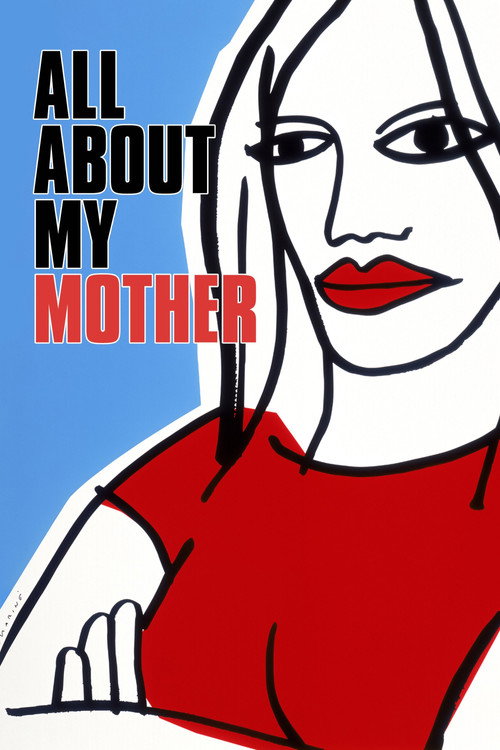
All About My Mother1999
Almodóvar's masterpiece about grief, identity, and the theatrical nature of survival. A melodrama that knows exactly what it is and achieves something genuinely transcendent. Essential viewing if you haven't seen it.
But It's a melodrama from 1999, which means big emotions and bold colours—if restraint is what you're after, this isn't it. Some tonal shifts might feel arch.
The Farewell2019
A daughter returns home for what everyone pretends isn't a final goodbye. It has the same tender intelligence about family, the same ability to be funny and heartbreaking in the same breath, the same refusal to sentimentalise.
But The pacing is deliberately unhurried and some scenes sit with discomfort rather than resolve it. Not a comforting watch, despite its warmth.

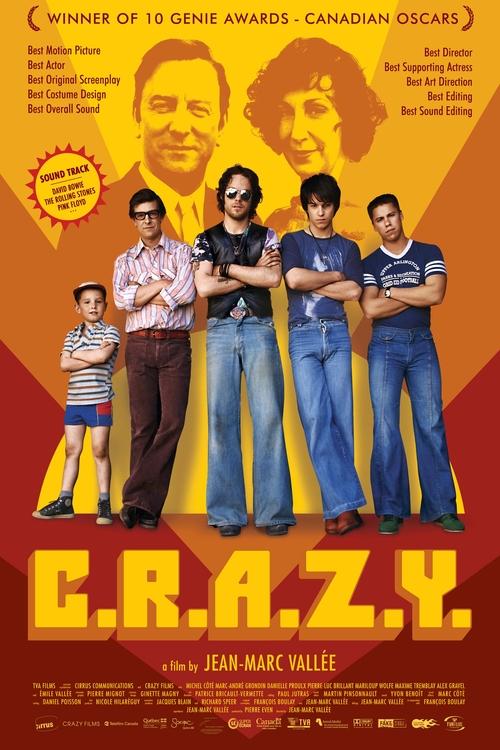
C.R.A.Z.Y.2005
A son's relationship with his father across decades, told through a soundtrack and the small cruelties of family life. Like *Pain and Glory*, it's about how we narrate ourselves into being, and how memory reconstructs what we thought we knew.
But It's a French-Canadian drama that takes its time. If you need plot momentum, you'll feel its length. The middle section is emotionally demanding.
Not sure tonight? Get a pick in a minute, starting from Pain and Glory
The wildcard
Something you would not have found on your own.
Synecdoche, New York2008
Both are about aging artists trying to understand their own lives by staging them; both blur the boundary between living and creating until it disappears.
Charlie Kaufman's fever dream about a theatre director building a life-size replica of New York inside a warehouse, collapsing reality and fiction. The DNA is identical—a creator unable to separate his work from his mortality, memory as the only salvation. But it's maximalist, hallucinatory, brilliantly mad where *Pain and Glory* is contemplative.
But It's wilfully confusing and three hours long. Some viewers experience it as indulgent rather than visionary. You need to surrender to its logic completely.

More like this (8)
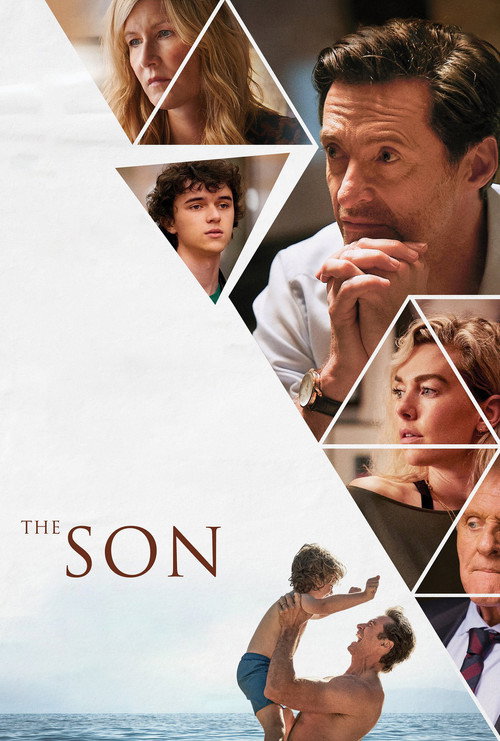
The Son2022
Florian Zeller captures a man spiralling—depression, regret, the impossibility of fixing what's broken in those closest to you. Shot with the same visual precision and emotional claustrophobia, though darker in register.
But It's genuinely bleak. There's little comfort here, and the formal approach can feel cold even when the subject matter is burning.
Amarcord1973
Fellini's memory play about a small Italian town and the men who grew up there. Like *Pain and Glory*, it's a reverie on the past constructed in fragments and mood, funny and melancholy at once.
But It's an old film with no linear plot—just episodes and impressions. If you need narrative clarity, you'll be frustrated. Also rather male-gaze-y in places.
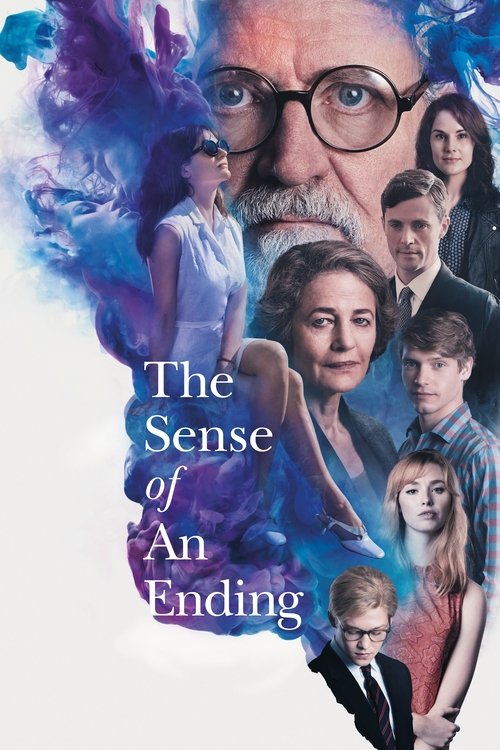
The Sense of an Ending2017
A retired man revisits his past after an unexpected letter. Quiet, intelligent examination of how we misremember, how we construct false versions of our own lives. The same DNA as this film, smaller budget.
But It's a chamber piece that hinges on a single revelation. If that doesn't land for you, there's not much else to hold onto. Some will find it underwhelming.
Moonlight2016
Three chapters of one man's life, each one a separate register of cinema—visual poetry about identity, desire, and the cost of survival. Structurally it mirrors *Pain and Glory*'s logic of memory and fragmentation.
But It's more formally experimental than narratively satisfying. Long sequences without dialogue might feel slow if you're looking for story momentum.

A Ghost Story2017
A ghost watches over the life he left behind, contemplating time, loss, and what endures. Formally daring and genuinely moving about mortality and the traces we leave—very different story, same preoccupation.
But It's weird and slow and sometimes pretentious. If you watch it expecting a conventional ghost story, you'll be annoyed. The sheet gimmick could undercut the sentiment.

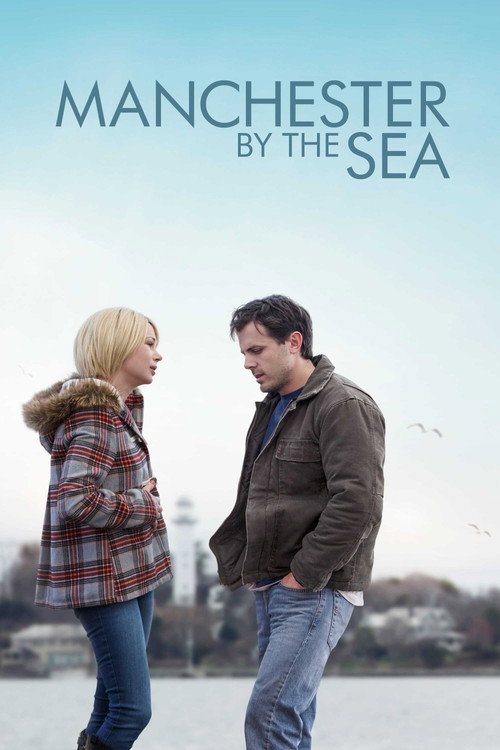
Manchester by the Sea2016
A man returns to his hometown to face a tragedy he's spent years avoiding. Kenneth Lonergan's unflinching look at grief, responsibility, and the relationships we can't repair. Devastating in a different key than *Pain and Glory*.
But It's bleak and withholding emotionally. The film refuses catharsis and some find that frustrating rather than honest. Casey Affleck's performance is so muted it can read as detached.
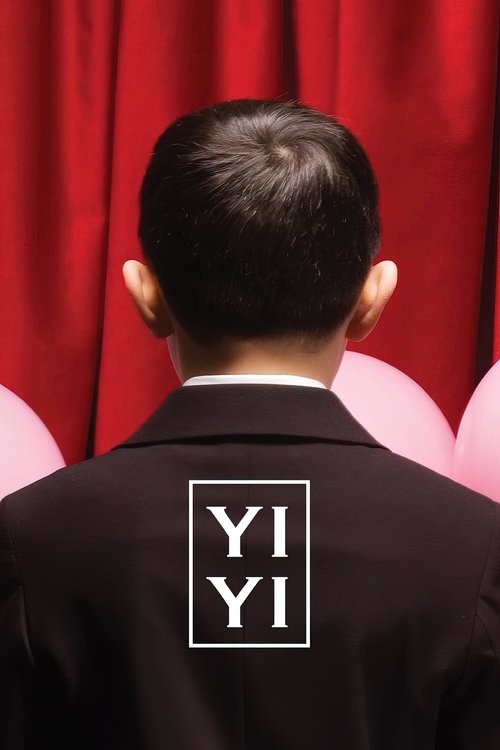
Yi Yi2000
Both understand that cinema's true subject is attention—watching people watch each other, memory as the texture of daily existence rather than a dramatic event.
Edward Yang's Chinese-language epic about three generations of a Taipei family across a few years—birthdays, affairs, deaths, the ordinary cruelties of domestic life. A formal masterpiece that could only be from another tradition, but it shares *Pain and Glory*'s faith in small moments to carry enormous weight, the refusal to explain or judge.
But It's two hours forty minutes and has no dramatic arc, just life. If you need plot or resolution, you'll watch the clock. The family dynamics take time to parse.
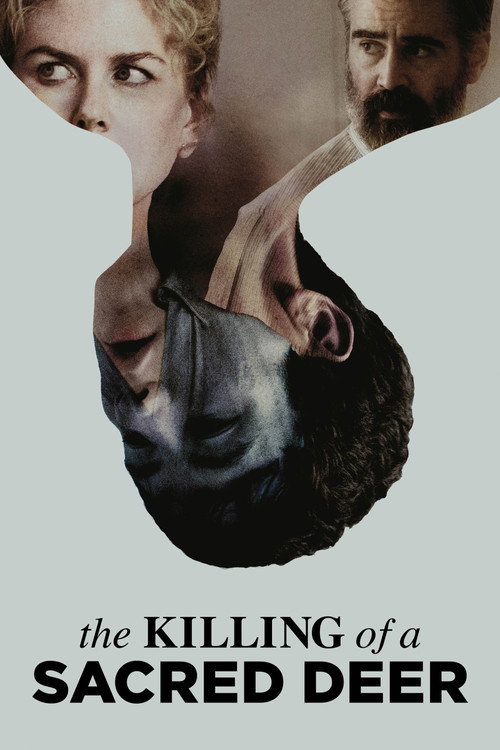
The Killing of a Sacred Deer2017
Both examine how we construct narrative meaning from suffering; both use precision and formalism to reach emotional truth rather than sentiment.
Yorgos Lanthimos's baroque tragedy about a surgeon and the mysterious young man who insinuates himself into his family. Formally rigorous, darkly funny, it approaches the same questions of guilt and creation through a completely different register—horror, punishment, the body as text. Almodóvar meets Greek tragedy by way of genre cinema.
But It's genuinely unsettling and the pacing is architectural rather than naturalistic. If you need warmth or recognisable human behaviour, this is the opposite. Some find it cold.
People
Cast
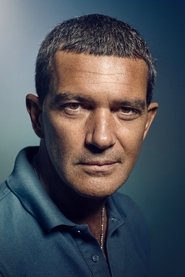 Antonio BanderasSalvador Mallo
 Asier EtxeandiaAlberto Crespo
 Leonardo SbaragliaFederico Delgado
 Nora NavasMercedes
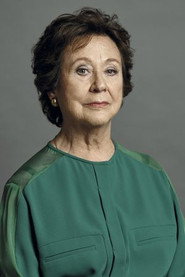 Julieta SerranoOld Jacinta
 Penélope CruzJacinta
 César VicenteEduardo
 Asier FloresYoung Salvador
 Cecilia RothZulema
 Susi SánchezPious Woman from Paterna
 Raúl ArévaloVenancio Mallo
 Pedro CasablancDr. A. Galindo
Directing
- Victor QuinteroAssistant Director Trainee
- Pedro AlmodóvarDirector
- Manuel CalvoFirst Assistant Director
- Chris DownsSecond Assistant Director
- David EsquivelSecond Assistant Director
- Laura DíezThird Assistant Director
Writing
- Pedro AlmodóvarScreenplay
Production
- Bárbara PeiróAssociate Producer
- Clever Beretta CustodioAssociate Producer
- Diego PajueloAssociate Producer
- Fernando BaldellouAssociate Producer
- Francisco CelmaAssociate Producer
- Ignacio Salazar-SimpsonAssociate Producer
- Ricardo Marco BudéAssociate Producer
- Eva LeiraCasting
- Yolanda SerranoCasting
- Esther GarcíaExecutive Producer
- Agustín AlmodóvarProducer
- Esther GarcíaProducer
- Juanlu De La PuenteProduction Assistant
- Lourdes NavarroProduction Assistant
- Toni NovellaProduction Manager
- Federico RozadillasUnit Production Manager