
Film
Julieta
- Drama
- Very dark
Pedro Almodóvar's portrait of a woman undone by loss and silence. Julieta moves between past and present—from a chance encounter on a train to decades of estrangement from her daughter—examining how a single moment can shatter everything. Intimate, elegantly composed, for those who find beauty in heartbreak.
Should you watch it?
Watch it if you love quiet, interior character studies where memory and guilt are handled with restraint, and you can take a melodrama's emotion played straight rather than winked at.
Skip it if you want a brisk plot or a clear sense of where things are heading, since this moves in unhurried, elliptical steps and leans on silences and glances.
What it asks of you: Close, unbroken attention, as it runs under two hours and builds its weight through small gestures and long pauses rather than plot momentum.
Not sure? Find tonight's pick in a minute.
If you liked this
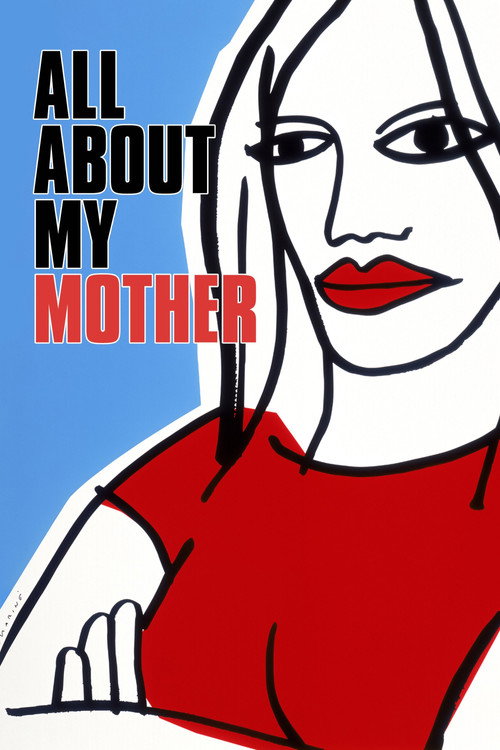
All About My Mother1999
Almodóvar's masterpiece about how women survive tragedy through connection and reinvention. Manuela's journey through grief mirrors Julieta's, but trades isolation for communion. Essential viewing from the director at his peak.
But It's melodramatic by design—if you prefer subtlety and restraint in your emotional storytelling, the theatrical register may feel overwrought.
Pain and Glory2019
Almodóvar's 2019 film about a filmmaker confronting memory, desire, and the ghosts of his past. Like Julieta, it braids past and present, asking what we owe to those we've hurt and whether redemption is possible.
But It's deliberately slow-paced and introspective—long stretches of reflection rather than plot momentum.

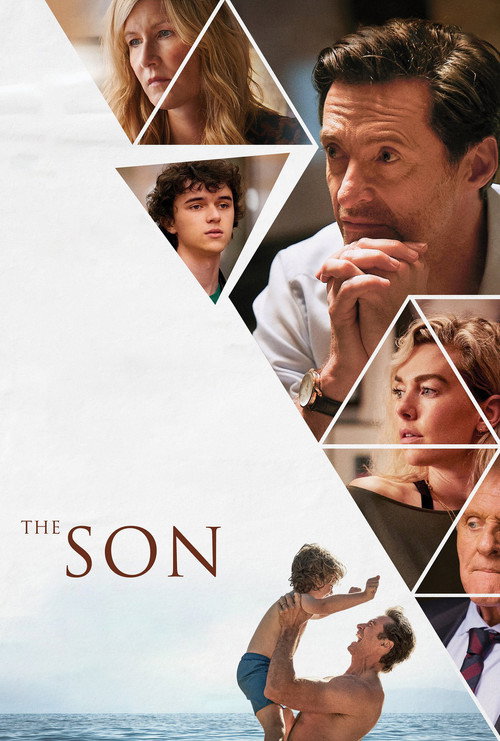
The Son2022
Florian Zeller's devastating family drama where a father grapples with his son's unhappiness and his own powerlessness. The non-linear structure and the question of parental responsibility echo Julieta's central wound.
But The fractured timeline can be disorienting, and the emotional weight is genuinely punishing—not a film that offers easy catharsis.
Not sure tonight? Get a pick in a minute, starting from Julieta
The wildcard
Something you would not have found on your own.
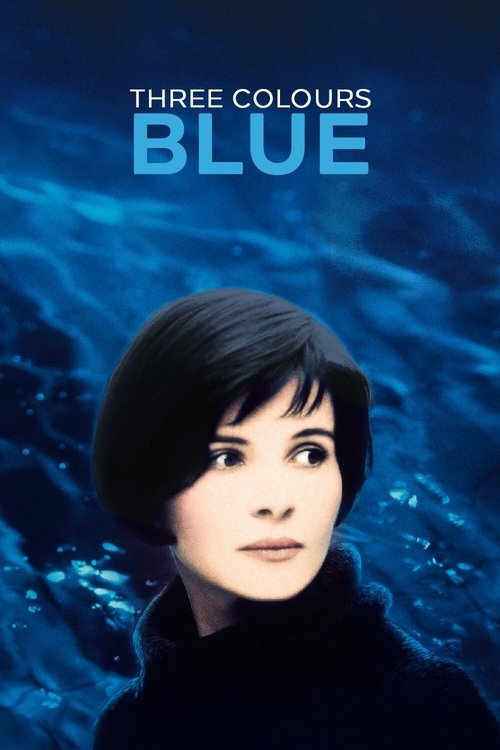
Three Colors: Blue1993
Both films meditate on how we survive unbearable loss, and whether disappearing from the world is an act of protection or self-destruction. Both use the estrangement of family as the wound that will not close.
Krzysztof Kieślowski's film about a woman who loses her husband and daughter in a car crash and attempts to erase her identity entirely. It's the darkest possible reading of Julieta's withdrawal—silence as erasure, memory as a prison you must escape.
But It's glacially paced, visually austere, and offers no comfort. The philosophical weight and formal coldness may feel punishing rather than cathartic.
More like this (8)
Amarcord1973
Fellini's memory piece about how the past haunts and shapes us through desire, loss, and unresolved longing. Like Julieta, it's structured as layers of recollection, beautiful and melancholic.
But It's elliptical and poetic rather than narrative-driven—long on mood and short on plot resolution.
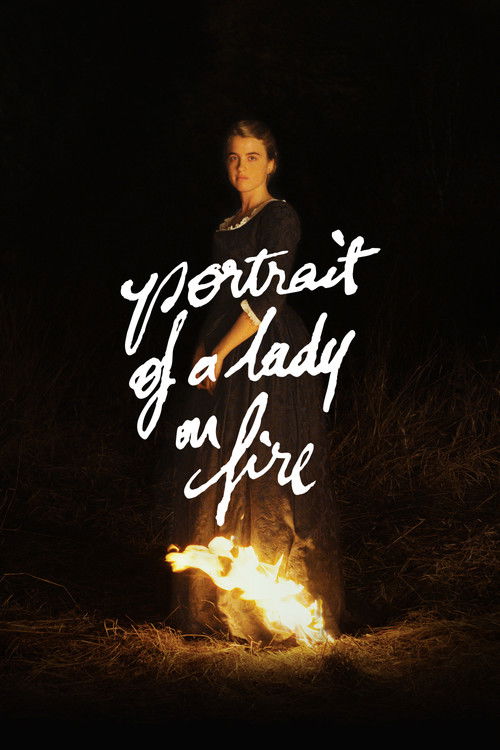
Portrait of a Lady on Fire2019
Céline Sciamma's film about two women and a love that becomes the hinge of their lives. It shares Julieta's interest in how intimate choices reverberate across decades, though with more tenderness.
But Quiet, deliberately paced, and more concerned with interior emotion than external event—requires patience and attention.
The Remains of the Day1993
Merchant and Ivory's film about regret, silence, and a lifetime spent not saying what matters. Stevens's repression mirrors Julieta's estrangement—how we protect ourselves by disappearing.
But English restraint and formal distance mean the emotional climax is understated to the point of near-invisibility.

In the Mood for Love2000
Wong Kar-wai's visual reverie about two neighbors discovering their spouses are having an affair. It captures yearning and the unbridgeable distances between people with the same ache as Julieta.
But More interested in color, composition, and mood than narrative clarity. Dense with visual information but sparse on plot explanation.

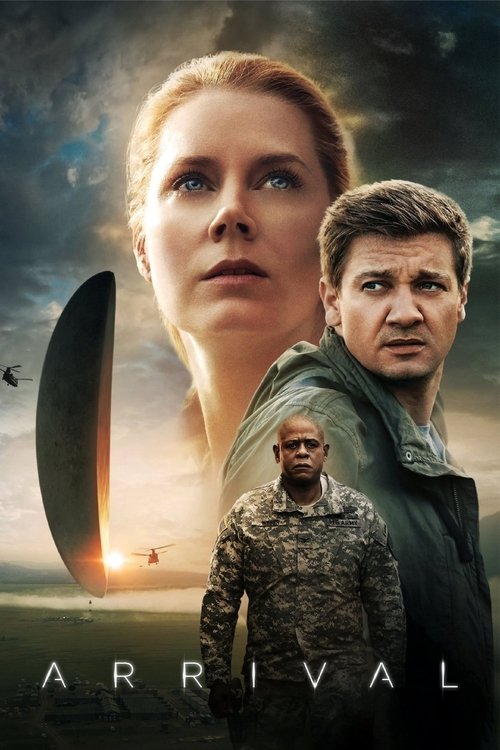
Arrival2016
Denis Villeneuve's film about a linguist learning an alien language—and discovering how that learning unmakes her understanding of her entire life. Like Julieta, it's a meditation on how communication shapes destiny.
But A science-fiction frame might feel tonal whiplash if you're coming from intimate drama. Some find the premise conceptually cold.
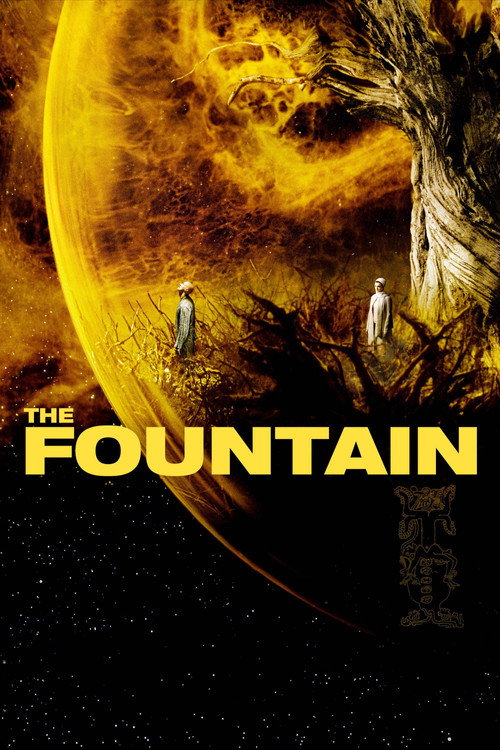
The Fountain2006
Darren Aronofsky's three-timeline meditation on love, death, and what persists across time. Ambitious and visually extraordinary, it shares Julieta's structure of past selves and the question of whether connection survives.
But Aggressively ambitious and cryptic—some see it as pretentious, and the tonal shifts between timelines can feel jarring rather than illuminating.
Mulholland Drive2001
Both use narrative fracture to mirror how trauma splinters consciousness. Both suggest that our versions of the past are unreliable and that some losses cannot be recovered, only inhabited differently.
David Lynch's fractured Los Angeles fever dream about a woman and the haunting role of a film—or a relationship, or a life choice—in reshaping identity. Like Julieta, it's narrated through memory and obsession, where the past is never simply past.
But It's deliberately confusing and resists coherent interpretation. If you want clarity and resolution, this will feel like a frustrating puzzle rather than a story.

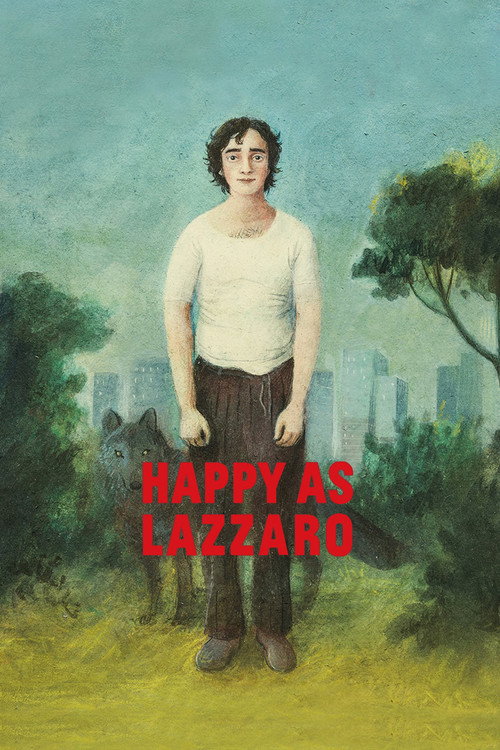
Happy as Lazzaro2018
Both films explore the moral weight of isolation—the damage caused by someone's absence or silence in the lives of those who love them. Both see loss and estrangement as the tragic consequences of how we choose to live.
Alice Rohrwacher's magical-realist fable about a saintly peasant boy and the question of whether innocence survives contact with the world. Formally and tonally it's far from Julieta, but it shares her interest in how a single person's love and silence shape everyone around them.
But The genre is deliberately unstable—part fable, part realism, part something uncategorizable. The pacing is wilful and the ending refuses narrative satisfaction.
People
Cast
 Emma SuárezJulieta Arcos
 Adriana UgarteJulieta Arcos (young)
 Daniel GraoXoan Feijóo
 Inma CuestaAva
 Darío GrandinettiLorenzo
 Michelle JennerBeatriz
 Pilar CastroClaudia (Beatriz's Mother)
 Nathalie PozaJuana
 Susi SánchezSara (Julieta's Mother)
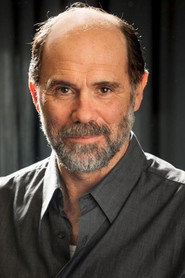 Joaquín NotarioSamuel (Julieta's Father)
 Priscilla DelgadoAntía Feijoo (Teenager)
 Blanca ParésAntía Feijóo (18 yrs old)
Directing
- Pedro AlmodóvarDirector
Writing
- Pedro AlmodóvarScreenplay
- Alice MunroShort Story
Production
- Bárbara PeiróAssociate Producer
- Diego PajueloAssociate Producer
- Eva LeiraCasting
- Yolanda SerranoCasting
- Toni NovellaLine Producer
- Agustín AlmodóvarProducer
- Esther GarcíaProducer
- Federico RozadillasUnit Production Manager