
Film
Three Colors: Blue
Kieślowski's meditation on grief and freedom, built around Binoche's near-silent performance as a woman erasing her past. Cool blues, submerged sound design, and a slow accumulation of moments that feel more like sensation than plot. It's patient, hypnotic cinema for anyone willing to sit with someone else's numbness until it starts to ache like their own.
If you liked this
Three Colors: Red1994no page yet
The trilogy's final movement completes Kieślowski's meditation on chance and connection with warmth and formal command; Irène Jacob's slow-blooming friendship with a retired judge is the closest either director or era got to grace.
But It's the most optimistic of the three, so if you wanted more of Blue's isolation, this might feel almost too gentle.
Three Colors: White1994no page yet
The trilogy's darkly comic middle chapter trades Blue's mourning for a revenge farce about humiliation and equality, proving Kieślowski could be funny and cruel in the same breath without losing his moral seriousness.
But Its tone swings hard toward black comedy, which can feel jarring if you came for Blue's hush and restraint.
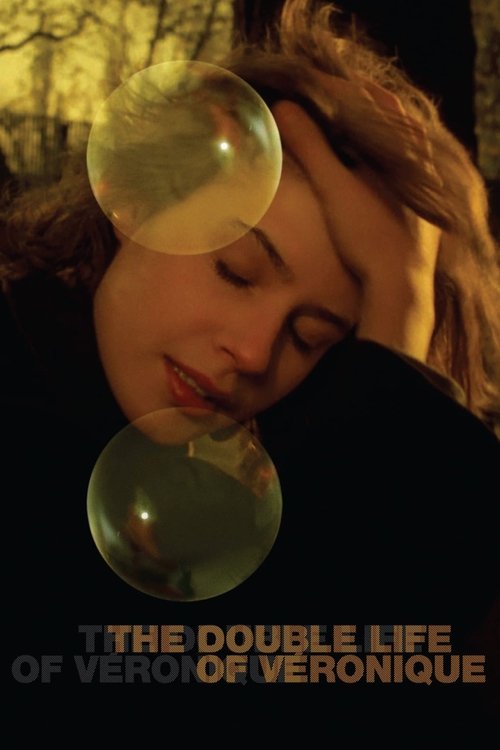
The Double Life of Véronique1991
Kieślowski's earlier film with Irène Jacob plays like Blue's spiritual twin: two women who never meet but somehow share a nervous system, filmed with the same golden, dreamlike intensity and trust in the unspoken.
But It's even more elliptical than Blue, with almost no plot to hold onto if ambiguity frustrates you.
The wildcard
Something you would not have found on your own.
Dekalog1989no page yet
Made four years earlier for Polish television, this is Kieślowski working out the same questions — freedom, guilt, moral accident — in ten hour-long films instead of one, each built around a different commandment.
Ten self-contained hours, each a tiny moral thriller set around the same Warsaw apartment block, showing you everything Kieślowski would later refine into Blue's texture and patience, but rawer and more varied in tone.
But It's a serious commitment — ten hours of dense, sometimes bleak Polish television — and a couple of entries are genuinely difficult to watch.
More like this (8)
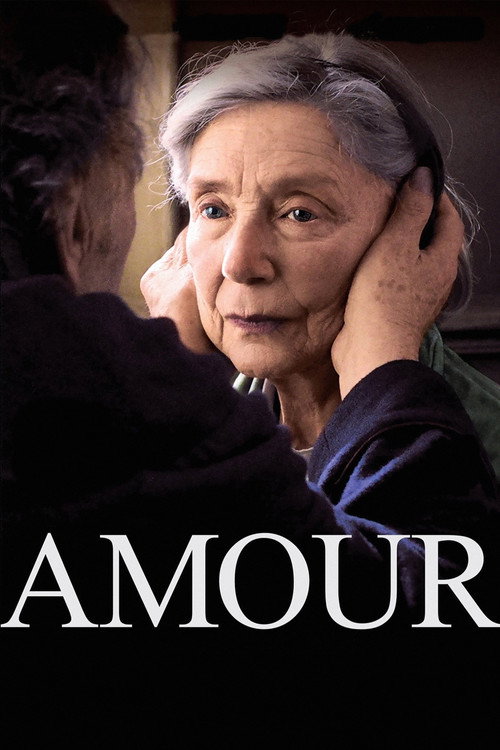
Amour2012
Haneke's unflinching portrait of a marriage ending under the weight of illness shares Blue's refusal to look away from grief, though its camera holds so still it becomes almost unbearable, in the best way.
But It is relentlessly sad and offers no catharsis; go in prepared for a genuinely difficult watch.
Manchester by the Sea2016
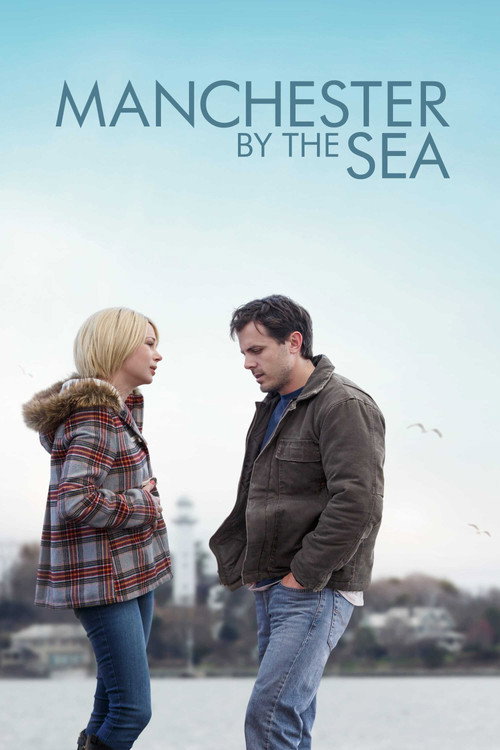
Lonergan's story of a man rebuilding a shattered life after tragedy matches Blue's interest in grief as something you carry rather than resolve, with devastating restraint and unexpected flashes of dark humor.
But Its slow-burn structure and lack of easy resolution might test your patience if you want forward momentum.
Certified Copy2010
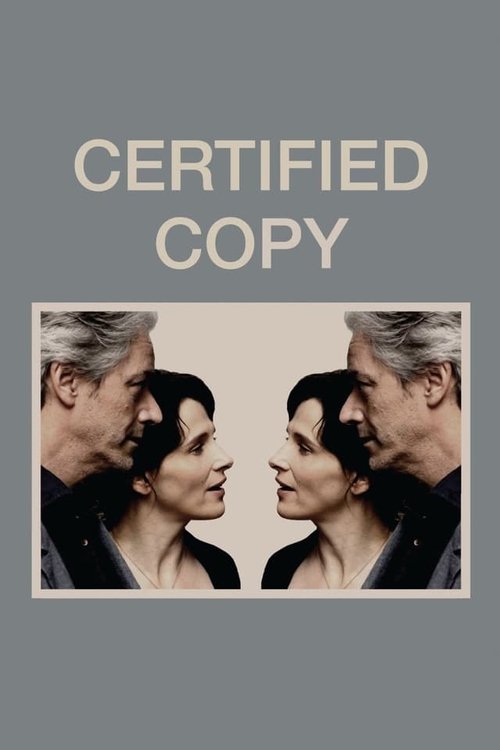
Binoche again, this time wandering the Tuscan countryside in a film that keeps shifting what's real between her and a stranger, echoing Blue's interest in identity as something fluid and performed.
But The film deliberately withholds answers about what's actually happening, which can feel more like a puzzle than a story.
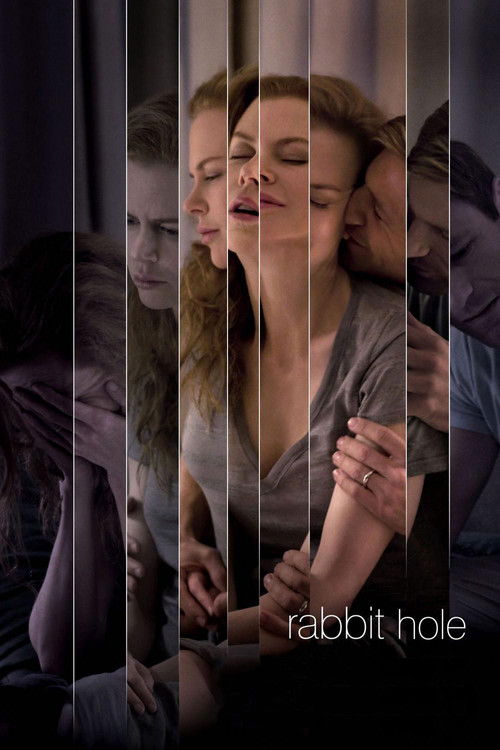
Rabbit Hole2010
Nicole Kidman plays a mother navigating the unbearable months after losing a child, with the same unsentimental clarity Kieślowski brings to Julie's numbness, refusing melodrama at every turn.
But It's an intimate, dialogue-heavy chamber piece rather than cinematic in the way Blue is, closer to a play.
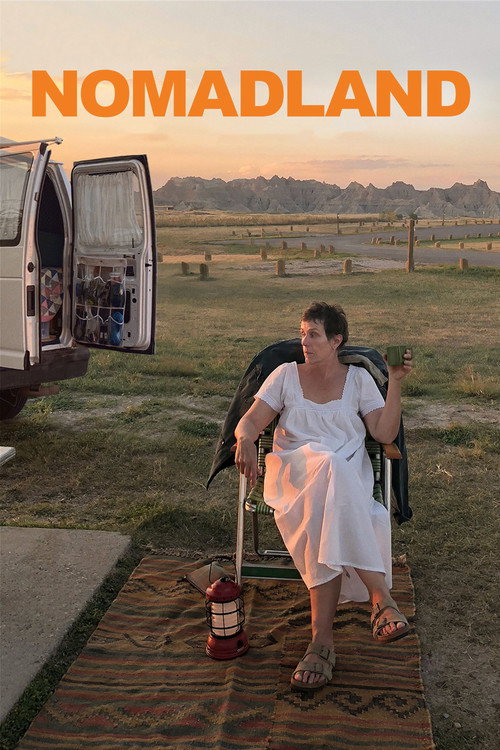
Nomadland2021
Chloé Zhao's drifting widow, played by Frances McDormand, finds a different kind of freedom after loss on the American road, echoing Julie's attempt to disappear into a life stripped of attachment.
But Its loose, observational style has almost no plot, so it can feel meandering if you want narrative shape.
Julieta2016no page yet
Almodóvar's tale of a mother haunted by an estranged daughter and old guilt shares Blue's interest in how grief reshapes identity, filtered through his usual saturated colour and melodrama.
But Its heightened, soap-opera register is a world away from Kieślowski's austerity, which may feel like tonal whiplash.
Hiroshima Mon Amour1959no page yet
Resnais's film got there first: a woman trying to outrun grief and reinvent herself through a stranger's touch, told in the same fractured, sensory way Kieślowski would later use color and sound in Blue.
A landmark of European art cinema that treats memory and desire as physical sensations rather than plot points, with a fractured, hypnotic structure that still feels startlingly modern more than sixty years on.
But Its dreamlike, non-linear approach and heavy use of voiceover will feel alien if you want a conventional story.
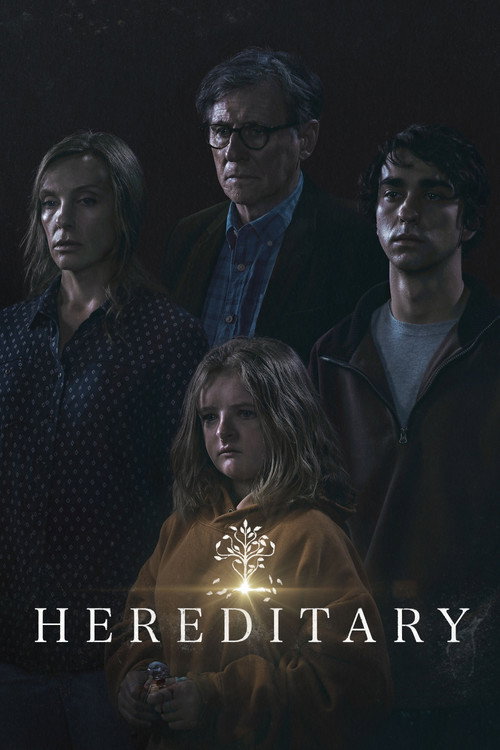
Hereditary2018
Same engine as Blue — a woman fracturing under sudden, catastrophic family loss — rebuilt as a horror film, where grief curdles into something monstrous instead of quietly numb.
Toni Collette gives a ferocious performance as a mother unraveling after tragedy, and beneath the horror trappings is a genuinely serious study of inherited grief and denial that Kieślowski fans might not expect to recognize.
But It's a horror film with real scares and disturbing imagery — a much rougher, nastier ride than anything in Blue.
People
Cast
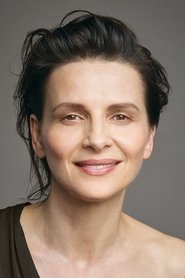 Juliette BinocheJulie
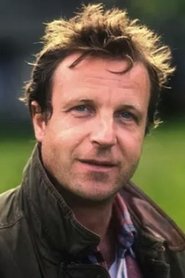 Benoît RégentOlivier
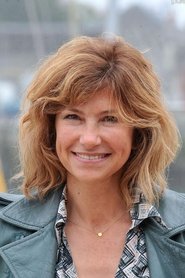 Florence PernelSandrine
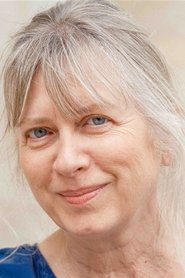 Charlotte VéryLucille
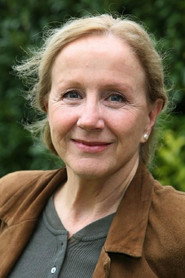 Hélène VincentJournalist
 Philippe VolterReal Estate Agent
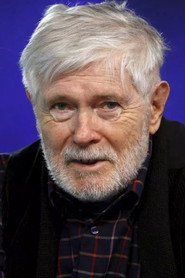 Claude DunetonDoctor
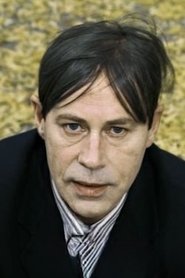 Hugues QuesterPatrice (Julie's Husband)
 Emmanuelle RivaMother
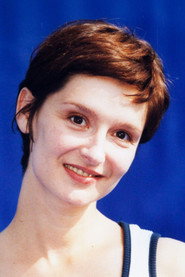 Florence VignonThe Copyist
 Daniel MartinThe Downstairs Neighbour
- Jacek OstaszewskiThe Flutist
Directing
- Emanuela DemarchiAssistant Director
- François AzriaAssistant Director
- Julie BertuccelliAssistant Director
- Stan LatekAssistant Director
- Stefan LibiotAssistant Director
- Krzysztof KieślowskiDirector
- Emmanuel FinkielFirst Assistant Director
Writing
- Agnieszka HollandCo-Writer
- Edward ŻebrowskiCo-Writer
- Sławomir IdziakCo-Writer
- Krzysztof KieślowskiScreenplay
- Krzysztof PiesiewiczScreenplay
Production
- Margot CapelierCasting
- Marin KarmitzProducer
- Yvon CrennProduction Manager