
Film
Carmen
Other titles called Carmen: the 1926 film, the 2017 film.
RFranco Zeffirelli's 1984 film of Bizet's opera, shot on location in Spain with world-class singers. It's opera cinema at full throttle—lavish, emotionally direct, unafraid of melodrama. For anyone who thinks opera is stuffy, or who wants to remember why the music is so vital it still breaks your heart.
Should you watch it?
Watch it if you want opera filmed for the screen, where the singing carries the rawness of a love affair turning into obsession, with Julia Migenes playing Carmen physically and sharply.
Skip it if you dislike opera conventions, because the drama arrives through arias and set pieces, and at 152 minutes the musical numbers can feel long.
What it asks of you: Two and a half hours of close attention, with the singing carrying most of the weight and a relationship that tightens steadily rather than rushing.
Not sure? Find tonight's pick in a minute.
If you liked this
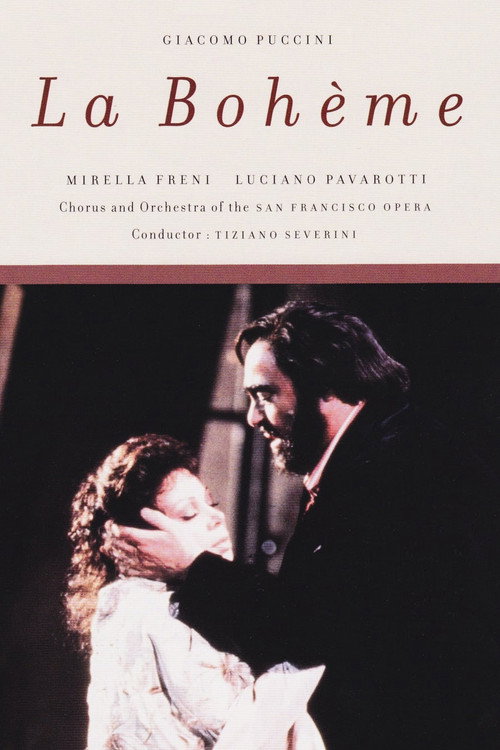
La Boheme1988
Zeffirelli's companion piece, equally gorgeous. If you loved the visual generosity and emotional openness of Carmen, this will devastate you the same way—Puccini's score meeting real locations and real actors singing full-voice.
But At 115 minutes, it requires patience with operatic pacing. Some moments linger longer than modern film language usually allows.
Don Giovanni1979
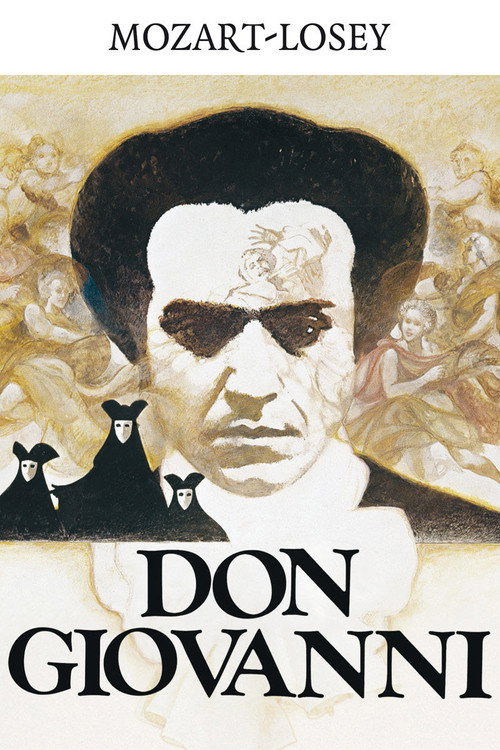
Joseph Losey's film of Mozart's opera, made five years before Carmen. Same ambition—using cinema to make the music visible, treating the score as utterly central. Raimondi, who plays Escamillo in Carmen, is the Don here.
But It's filmed in black-and-white on a theatrical stage set, which can feel airless if you're expecting the cinematic sweep of Carmen.
Les Misérables2012
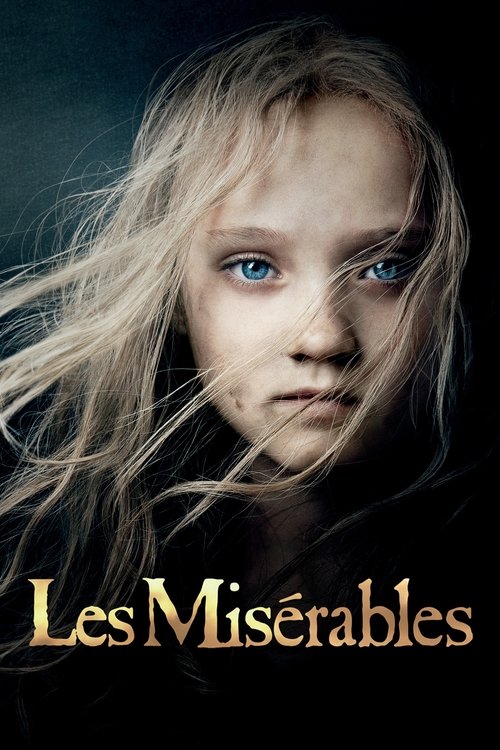
A musical drama that trusts its singers and its emotions in exactly Carmen's way. The camera stays close to faces, the music drives the story, and nobody's embarrassed about what they're feeling.
But At 157 minutes, it's long and sometimes grim. Some of the casting prioritizes star power over vocal strength.
Not sure tonight? Get a pick in a minute, starting from Carmen
The wildcard
Something you would not have found on your own.
Stormy Monday1988
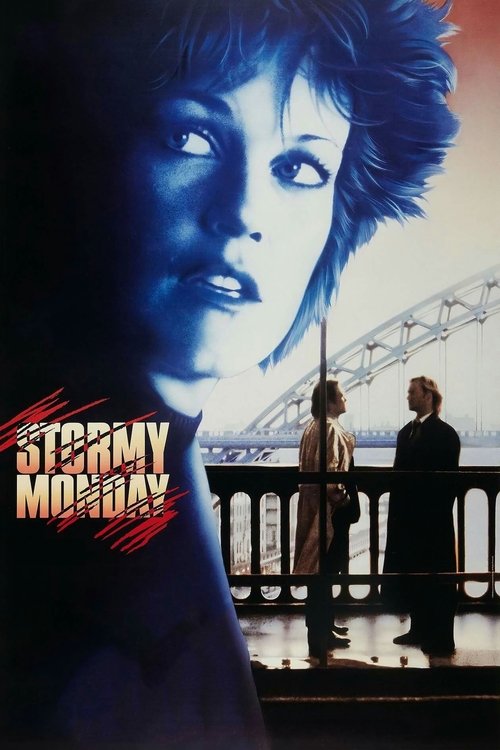
Both are about how a dangerous person—Carmen, Sting's character—uses charm and sexuality as currency. Both understand seduction as a plot engine. But Stormy Monday grounds it in real daylight and cigarette smoke where Carmen's is entirely mythic.
Mike Figgis's debut: a noir-tinged thriller set in Newcastle with a jazz club at its heart, and Sting as a mysterious antagonist. It's about seduction, betrayal, and the way music shapes desire, but in a contemporary setting with absolutely no operatic conventions.
But It's a thriller first, which means the pacing and the ending obey different logic than a drama. Some viewers find Sting's performance mannered.
More like this (7)
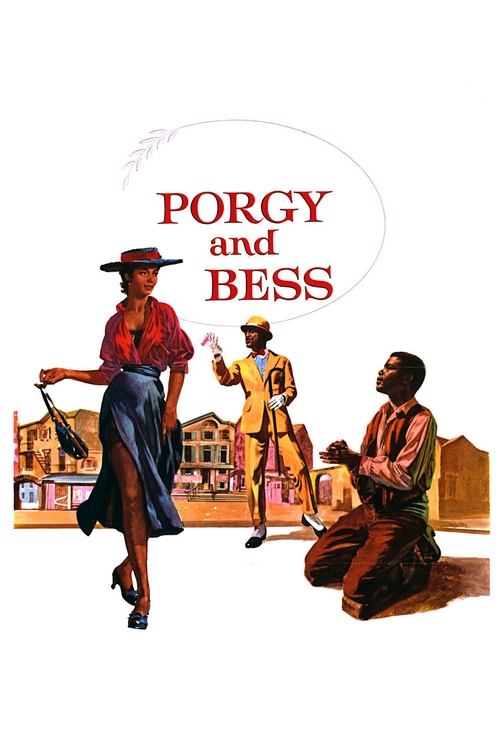
Porgy and Bess1959
An American opera film with Gershwin's score and Preminger's direction. It has Carmen's commitment to lush color, to the music being the point, and to not softening the drama to make it palatable.
But The film has a complicated legacy around casting and representation that's hard to move past, even given the performances' power.
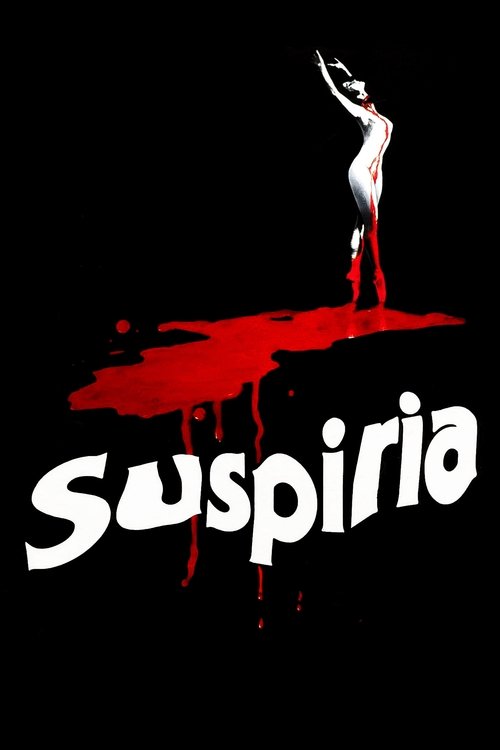
Suspiria1977
A completely different genre, but it shares Carmen's unapologetic artificiality and its refusal to apologize for beauty as a primary tool. Argento's use of music—Goblin's score—is as central here as Bizet is to Zeffirelli.
But It's a horror film about a witch academy. If you wanted something grounded and realistic, this goes the opposite direction entirely.
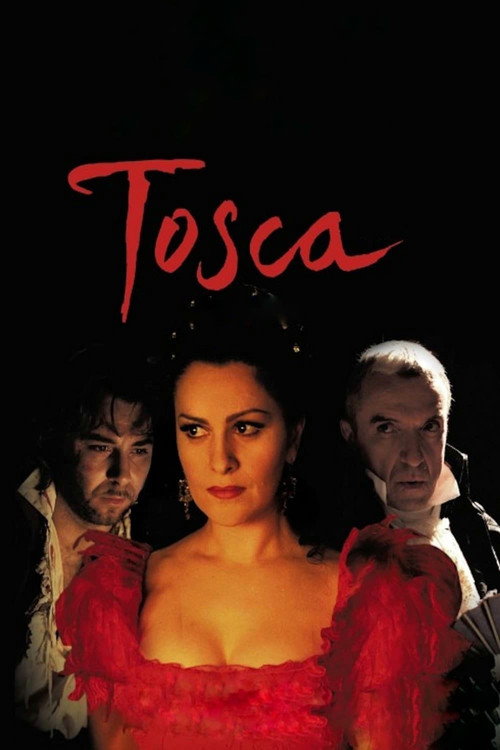
Tosca2001
Benoît Jacquot's film version, filmed in Rome with the locations Puccini wrote into the music. Another opera that's fundamentally about seduction, betrayal, and violence—and another masterpiece of casting singers who can act.
But At 129 minutes, it's considerably more claustrophobic than Carmen. Less visual generosity, more psychological intensity.
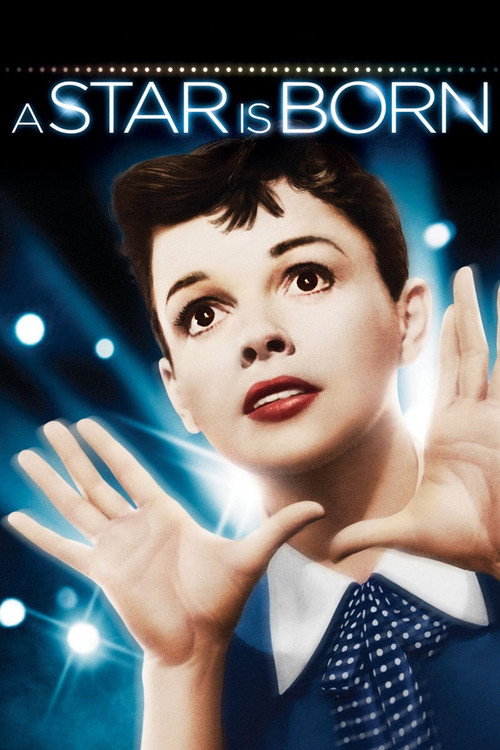
A Star Is Born1954
Cukor's Technicolor musical with Judy Garland and James Mason. It has Carmen's commitment to making music an emotional inevitability, and its melodrama is unguarded in exactly the same way.
But It's from a different tradition entirely—American musical theater rather than European opera. Some viewers find its earnestness exhausting.
The Red Shoes1948
Powell and Pressburger's ballet film. Like Carmen, it's utterly committed to the idea that movement and music can express what dialogue cannot, and that extreme beauty can be dangerous.
But It's an older film with a different visual language. The Technicolor is gorgeous but not the same kinetic realism Zeffirelli brings.

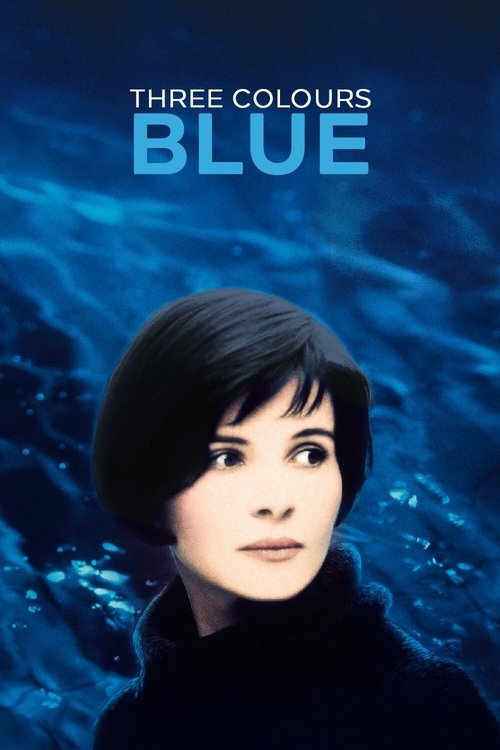
Three Colors: Blue1993
Kieślowski's meditation on grief and liberation, built around Zbigniew Preisner's orchestral score. It shares Carmen's understanding that music can carry emotional weight no dialogue could manage.
But It's deliberately spare and slow. If you want operatic sweep and color, this is chamber-scaled, and some will find that precious rather than powerful.
The Seventh Seal1957
Both are about characters who walk toward their doom with open eyes. Both understand that love and death are neighbors. One is baroque excess, the other medieval austerity—but the moral underneath is identical.
Bergman's Death and the Knight, black-and-white, austere, entirely without music except diegetic—a peasant woman singing, a flute, church bells. It's about the same themes as Carmen—fate, desire, the inability to escape what you've chosen—but stripped to skeleton and shadow.
But It could not be further from visual or emotional lushness. If you loved Carmen's color and orchestral power, this will feel like the inverse. It's also slow and philosophical where Carmen is passionate and immediate.

People
Cast
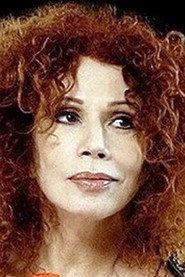 Julia MigenesCarmen
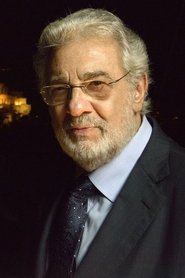 Plácido DomingoDon José
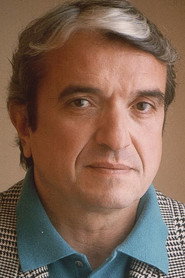 Ruggero RaimondiEscamillo
- Faith EshamMicaëla
- Lillian WatsonFrasquita
- Susan DanielMercédès
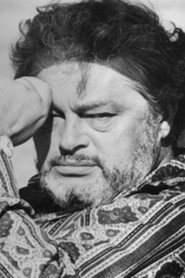 John-Paul BogartZuniga
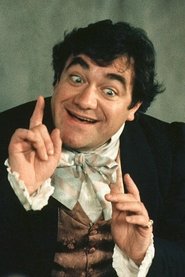 Jean-Philippe LafontLe Dancaïre
- Gérard GarinoLe Remendado
 François Le RouxMoralès
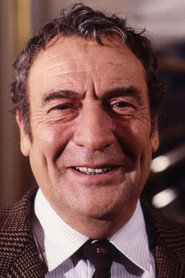 Julien GuiomarLillas Pastia
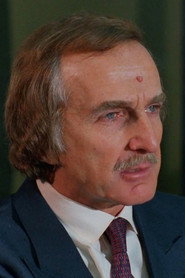 Accursio Di LeoThe Guide
Directing
- Francesco RosiDirector
- Gianni ArduiniFirst Assistant Director
- Ariane AdrianiScript Supervisor
Writing
- Francesco RosiAdaptation
- Tonino GuerraAdaptation
- Prosper MériméeNovel
- Francesco RosiScreenplay
- Tonino GuerraScreenplay
- Henri MeilhacTheatre Play
- Ludovic HalévyTheatre Play
Production
- Patrice LedouxProducer
- Alessandro von NormanProduction Coordinator
- Franco BallatiProduction Manager
- Guy BlancProduction Manager
- Modesto Pérez RedondoProduction Manager
Recommended by
Chico & Rita, La traviata, La Bohème, Carmen Jones, La Boheme, Don Giovanni, The Marriage of Figaro, Falstaff, Madame Butterfly, Tosca, Copacabana, Don Giovanni, Lucia di Lammermoor, Cavalleria rusticana, Tosca, Rigoletto, Don Giovanni, La Traviata, Der Rosenkavalier, Don Giovanni, Madame Butterfly, The Metropolitan Opera: Rigoletto, The Magic Flute, Lucia di Lammermoor, Rigoletto, The Metropolitan Opera: Hansel and Gretel, Peter Grimes, La Bohème, Samson and Delilah, La Traviata, Turandot, La Bohème